
The Kailash Mansarovar Yatra is not a luxury tour, and food reflects that truth early. Once you move beyond big towns like Kerung and Saga, meals become simple, repetitive, and more focused on survival and energy rather than the taste. Food during Kailash Journey is designed to keep the body warm, hydrated, and steady at high altitudes over 4000 m. You should except fewer spices, limited oil, and home cooked meals that might feel plain. This simplicity is not a drawback rather it supports digestion and helps pilgrims to adapt with the thin air.
Many first-time travelers imagine elaborate arrangements, but Kailash Mansarovar Yatra food is deeply practical. Weather, altitude, and supply routes decide the menu more than preference. Meals are often pre-planned by tour operators so it’s better to inform them early if you have any dietary preferences. Whether you are walking the kora or resting near the lake, food remains predictable. That predictability brings comfort when the body is tired, the weather is cold, and the mind needs calm more than variety.
General Meal Structure During Kailash Yatra
Most pilgrims follow a simple fixed routine for meals which includes breakfast, lunch, and dinner. Meals during Kailash Yatra usually begin early, as mornings are cold and walking starts after that. Breakfast is warm and but filling, lunch is light or packed, and dinner is basic but really comforting for holy mountain Kailash Journey. During Kailash Circuit Trek, the aim is energy, not indulgence. You will rarely feel heavy after eating, which helps breathing and movement at high altitude on Mount Kailash Parikrama Journey (Kora).
The Kailash Yatra meal plan is created to avoid stomach trouble and is really important to prevent from altitude sickness on Kailash Journey. Rice, lentils, boiled vegetables, soup, and flatbreads appear again and again. Portions are generally moderate, but extra servings are available for rice, lentils and vegetables curry (Dal Bhat). Most pilgrims carry their own snacks for in-between hunger. Eating less but frequently matters more than eating more as it provides regular energy throughout the day which is really helpful at higher altitudes. Pilgrims who respect the rhythm of meals usually adjust better physically and mentally during the Kailash Mansarovar journey.
Is vegetarian food during Kailash Journey available?
A key feature of the journey is Vegetarian food on Kailash Yatra. Most group tour operators serve pure vegetarian meals, especially for Indians and Nepalese. Meat is usually avoided due to religious reasons for Mount Kailash Parikrama and also the digestion can become harder at the higher altitudes. Vegetarian meals help to make the journey better, safer and suit group logistics. Dal Bhat (Rice, Lentil, Vegetable curry) chapati and bread are the backbone of food planning on the Kailash meals.
In most of the places during Kailash Mansarovar Yatra, menus are adjusted with the Nepalese and Indian tastes. Jain travelers who are vegan and don’t eat root vegetables like onion, garlic and potato are recommended to request special preparation to their tour operator early in the journey as flexibility might reduce later. Vegetarian food becomes more than a choice during
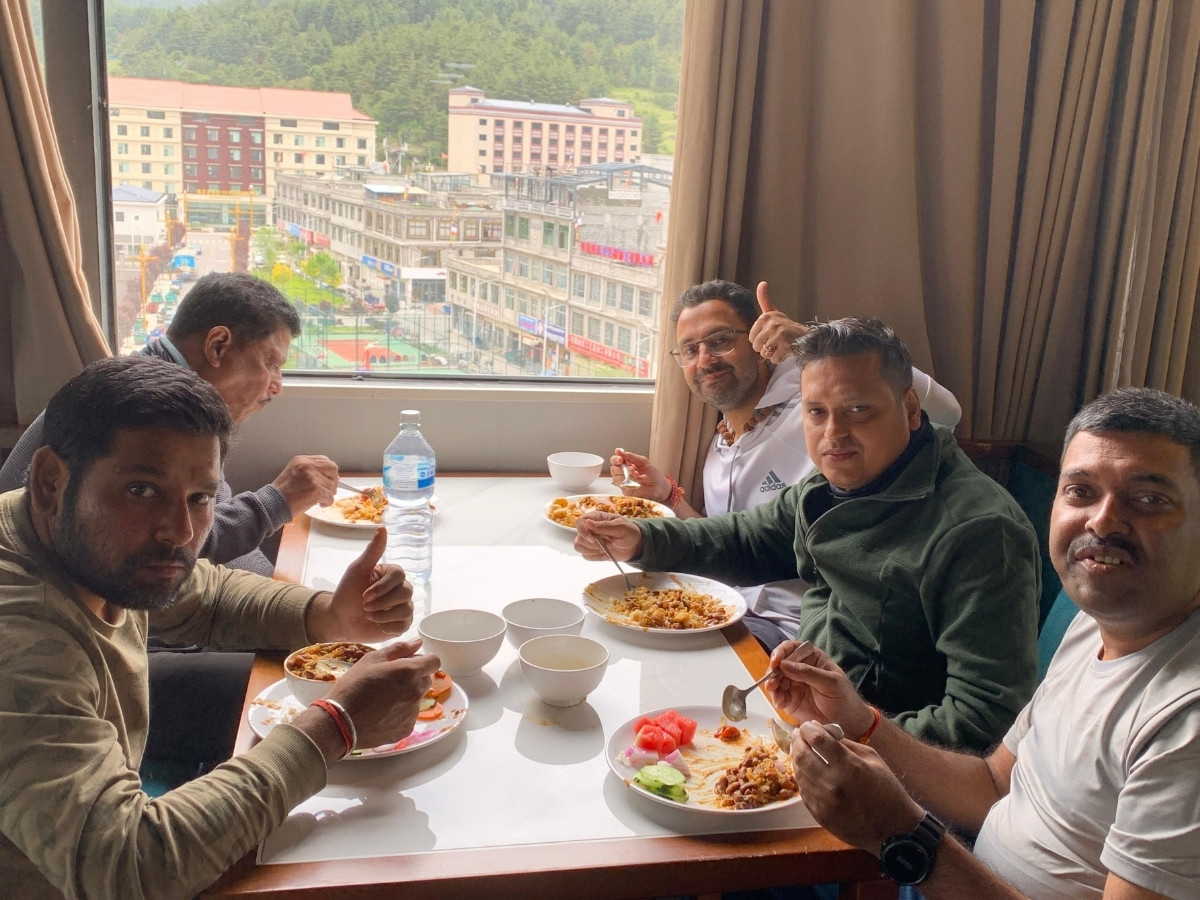 spiritual Kailash Yatra as it becomes a shared discipline across the different religions group.
Do I able to find vegetarian restaurant during Kailash Journey?
No, not able to find pure vegetarian restaurant but you can find vegetarian menu. Kerung has good Indian and Nepali style restaurant where other place has vegetarian Chinese food menu are available. When you booked budget and group joining trip to Kailash, you need to adjust with that kind of restaurant. Breakfast, lunch and dinner will serve at Tibetan restaurant. Can choose vegetarian meals with different option. They have different menu based on rice, vegetable, potato and spinach.

Food in Darchen: The Final Stop for Luxury Style Dining
Meals during Kailash Yatra in Darchen feels like a transition point. In Darchen, pilgrims mentally prepare for the Kailash Outer Parikrama and adjust the meals accordingly. Full packages of Kailash Journey here serve Tibetan (Thukpa, Momos), Indian (Rice, Lentil, Paratha, Vegetable curry, noodles) and western style food (noodles, fried rice, toast and eggs).
Darchen is also where food expectations must be minimized as we will be entering into more remote regions onward and variety of meals reduces once we leave. Eating well in Darchen matters because the body stores energy for the Kailash Parikrama trek. It is better to avoid overeating and over experiment as simple meals works best at the higher altitudes. Many pilgrims prefer to stick with known dishes in Darchen, understanding that this is the last place where food choice still exists before the real hardship begins in places like Dirapuk and Zuthulpuk.
Food Near Lake Mansarovar
Food near Lake Mansarovar is deeply simple and spiritual in feeling. Meals are often eaten in silence or calm conversation, with the lake visible nearby. Rice, lentils, boiled vegetables, and soup dominate on Lake Mansarovar. Warm food is prioritized and very important here over taste or preferences due to coldness. This is typical of meals during Kailash Yatra, where simplicity and warmth are the key. And Pilgrims often notice that appetite reduces near the Lake Mansarovar (4,600 m) due to higher altitude and cold winds.
Eating small portions but frequently really helps for altitude management on Kailash Yatra. Warm liquids become more important than solid food as it is easy digestion food in Kailash. This is where pilgrims understand that food is fuel, not pleasure. Eating respectfully and without any complaint becomes a part of the spiritual discipline of the Kailash journey itself, much like the Kailash Mansarovar Yatra food philosophy. For many, food during Kailash journey becomes not just a nourishment, rather a true form of spiritual reflection.
Tibet Ngari Food and Local Influence on Kailash Circuit Journey
As the Kailash journey moves deeper into Tibet region at places like Derapuk and Zuthulpuk, Tibet Ngari food begins to appear more. Local ingredients are limited by climate, so meals usually rely on barley, potatoes, noodles, dumplings (momos), thukpas, tsampa, steamed bread (Tingmo) and soups. Tibetan meals on Kailash yatra cooking are simple but satisfying. Oil use is low, and spices are minimal which are perfect for our higher altitude Kailash circuit Trek as it supports digestion and body warmth naturally, which is essential for the Kailash trek food menu.
Ngari region restaurants (Dirapuk and Zuthulpuk) are very basic as they are usually in government guest houses, and food price in Ngari Tibet restaurants during Kailash trip is generally higher compared to other places due to the remote region and transport difficulty. Even simple dishes cost more than expected here. However, quality is generally safe if eaten hot and warm. Pilgrims are advised not to compare prices or complain as you don’t have other option for food in Kailash. Accepting the local food culture helps to reduce stress and improves the overall sacred Kailash journey experience, especially when navigating Kailash meals.
Drinks During Kailash Yatra
Drinks during Kailash Yatra are as important as food, and sometimes even more. Good hydration supports altitude adaptation and prevents you from altitude sickness risk during Kailash Mansarovar Yatra. Hot water is offered frequently, and pilgrims are encouraged to have it throughout the day. Cold drinks, soft drinks and chilled juices are discouraged and avoided completely, as they do not align with the high-altitude diet Kailash.
Hot tea is a constant companion during Mount Kailash 52 Km outer Parikrama. Butter tea, black tea, and herbal options are widely available, which forms as a significant part of the drinks during Kailash Yatra experience. Boiled water during Kailash Yatra is considered safe and are provided by local guest houses or restaurants along the Kailash Circuit way. Pilgrims often carry personal bottles and water purification tablet and refill only from trusted sources. Drinking enough water without forcing excess becomes a daily balance that experienced guides recommend strongly, which ensures safety and comfort throughout the holy mountain Kailash journey. It is really important to avoid dehydration and to embrace on ginger lemon honey tea for altitude cold on Kailash as it is a remedy for high-altitude.
Tibetan Staples on the Kailash Route
Some foods appear repeatedly and become familiar comfort items and Thukpa noodles soup Kailash is one of the such dishes. Thukpa is warm, light, and easy digestion food in Kailash. Tibetan Thukpa has noodles, vegetables, and mild spices in it, so it keeps you warm without being too heavy. A lot of pilgrims like to eat it for dinner on cold nights, which makes it as a popular choice for meals during Kailash Yatra.
Another staple is Tsampa barley flour Tibet, often mixed with tea or water. Tsampa is energy rich and really filling, which is perfect for sustaining energy during the long walking days of Kailash Parikrama Yatra. Tibet Tibetan bread may appear during breakfast, adding to the simplicity of the Kailash meals. These foods reflect the local survival of Tibet region people. Pilgrims who accept these foods rather than resist often feel stronger and less homesick during the harder stretches of the Mount Kailash 52 km Parikrama trek. These humble meals are part of the broader experience, helping with high altitude diet Kailash and aligning with the overall need for easy digestion food in Kailash.
Simple Meals at Dirapuk and Zuthulpuk
You can only find simple meals at Dirapuk and Zuthulpuk as these high-altitude guesthouses serve limited menus due to weather and transport difficulty conditions. Guest houses offer basic varieties such as rice, soup, noodles, and sometimes boiled potatoes which are the only meals available most of the time. Warmth and availability matter the most than variety on Dirapuk and Zuthulpuk as these regions are above 4700 m and aligns with the basic Kailash Yatra meal plan.
Eating here requires patience. Staff work with frozen water, low oxygen, and basic equipment so it’s not recommended to complain as it only increases stress, especially when meals are meant to provide nutrition during the physical strain of the Kailash trek food menu. Meals are usually served in a common area, which adds the communal feeling on Kailash Yatra journey. These simple meals become blessings and memorable because they are served when the body is tired, the breath is short, and when Mount Kailash feels very close. In this phase, the Kailash journey teaches travelers the importance of food, by showing that simplicity and nourishment take priority over luxury. Pilgrims often find comfort in simple meals, understanding that vegetarian food on Kailash Yatra provides the right kind of fuel for the trek.
Packed Lunch and Trek Day food on Kailash Mansarovar Yatra
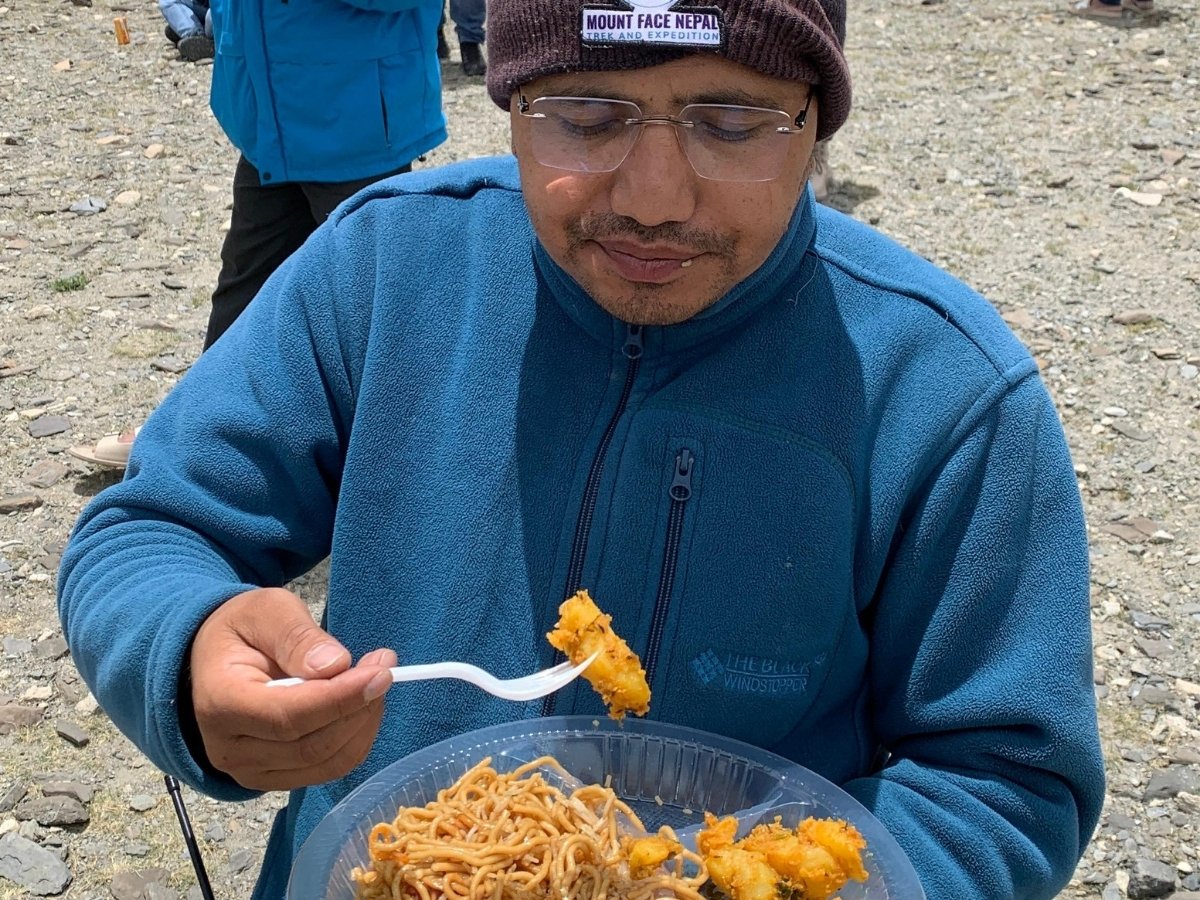
During long walking days, especially on Mount Kailash 52 Km Outer Parikrama, Packed lunch for Kailash journey becomes very crucial. Lunch is usually eaten on the route, wherever the good shelter is available. Simple items like bread, boiled potatoes, fruit, chocolate bar, dry fruits and biscuits are common for lunch. Heavy food is strictly avoided because it can affect to the digestion and slows down walking, also it aligns with the high-altitude diet Kailash, which focuses on easy to digest and light weight meals.
Pilgrims are advised to eat slowly and not skip lunch even if they are tired or not feeling well. Small quantities yet eating frequently helps to sustain energy throughout the day. Packed lunch for Kailash journey may feel repetitive, but they are created for safety and ease as restaurant and Tea house food are hard to found on actual Kailash Kora. Carrying your own spoon, hand sanitizer, and tissue really helps to maintain healthy hygiene during these outdoor meals, which also ensures food hygiene tips for Kailash pilgrimage are followed properly. For many pilgrims, these simple meals provide the necessary fuel and nourishment to continue on the long walking route to Mount Kailash parikrama and complete their spiritual journey safely and comfortably.
High Energy Snacks and Dry Food importance on Kailash Circuit Trek
Personal snacks do play a big role on Kailash Manasarovar Yatra. High energy snacks for Kailash Yatra often includes protein chocolates, energy bars, and glucose biscuits as these meals provide immediate energy during cold or fatigue and helps to keep us safe from high altitude sickness risk. Eating small amounts but frequently works better than large meals, aligning with the high-altitude diet Kailash that emphasizes sustained energy without overloading the digestive system.
A good dry fruits and nuts packing list for Kailash Journey typically includes almonds, cashews, dates, walnuts, and raisins. These foods are light, nutritious, and easy to carry, making it perfect for our high-altitude Kailash Circuit Trek. They do not spoil quickly and are a good stamina support throughout the day, which makes them ideal for the Kailash trek food menu. Many pilgrims rely on these dried fruits during holy Mountain Kailash Parikrama (Kora) days as regular meals could feel too heavy or sometimes delayed. Packing these high-energy snacks helps to pilgrims maintain enough energy levels throughout the Kailash Mansarovar journey, without compromising their comfort and health.
Instant Food and Emergency Eating during Kailash Mansarovar Yatra
Instant noodles and soup on Kailash route are commonly used backup foods in case of emergency and delays. They can be cooked quickly with hot water and provide warmth at higher altitudes region. Instant noodles are not good nutritionally but they really help during cold evenings and unexpected delays. Many guesthouses or Teahouse food also rely on instant items due to limited fresh supplies and making them as a part of the Kailash trek food menu in emergency situations. These quick meals are really crucial when you are traveling through remote areas with minimal access to the fresh ingredients. Even though they are convenient, pilgrims should consume them rarely or in small amounts to ensure that they maintain a balanced Kailash Yatra meal plan.
However, pilgrims are advised to avoid junk food during Kailash Yatra that includes fried snacks, excessive sweets, and packaged chips as they may upset your digestion system and make the journey more difficult. The body becomes sensitive at higher altitude, so it's very important to stick to easy digestion food in Kailash. Simple, warm, and familiar foods work best on these regions. Instant food on Kailash should support, not replace the balanced meals during the journey, as the focus should be on food during Kailash journey that nourishes and provides energy rather than quick and a processed solution. Pilgrims should prioritize vegetarian food on Kailash Yatra for overall wellbeing and for religious reasons too. Boiled water during Kailash Yatra is also crucial to ensure a safe hydration.
What is the impact of a high-altitude diet on digestion during Kailash Yatra?
A high-altitude diet Kailash focuses on easy digestion food in Kailash. The body uses more energy to breathe and stay warm, so heavy food can strain it. Soups, boiled vegetables, rice, and lentils digest smoothly and are central to food during Kailash journey. Raw foods are avoided completely. Even salads disappear early in the Kailash route, as they do not suit the Kailash Yatra meal plan at altitude over 4000 meters.
Easy digestion food in Kailash supports better sleep and helps to reduces nausea. Eating early dinners helps the body rest and adapt to the high-altitude diet Kailash demands. Spices and oil are minimal and limited and these choices are not about taste rather they are for the proper comfort and balance during Mount Kailash Outer Parikrama journey. Much like vegetarian food on Kailash Yatra, the main focus is on the simplicity, warmth, and safety. Pilgrims who follow this approach closely, sticking to meals during Kailash Yatra that are light and familiar, often experience fewer altitude sickness related issues and feel more stable throughout the Kailash Circuit trek.
Jain Food and Special Diets
Many pilgrims ask about Jain food availability during Kailash Mansarovar Yatra. In the early stages of the food during Kailash journey, it can be arranged with prior notice. Some guesthouses can prepare no-root vegetable meals but should be requested early, along with vegetarian food on Kailash Yatra, which forms the base of most group meals. However, after Darchen flexibility becomes limited, as supplies are limited and options narrow within the Kailash Yatra meal plan.
Pilgrims with medical diets should inform tour operators early and should plan carefully for meals during Kailash Yatra. Carrying personal supplements is highly recommended, especially when traveling beyond Darchen as choices here becomes simpler and limited. The Kailash journey teaches adjustment where special food may not always be possible, but simple vegetarian meals, often similar to Vegetarian Indian food in Tibet during Kailash tour, which usually suit most of the needs. Understanding these limitations early during Kailash Yatra, helps pilgrims to adapt more easily and reduces any disappointment later, reinforcing the shared discipline that defines Kailash Mansarovar Yatra food.
Where to Eat During Mount Kailash Parikrama?
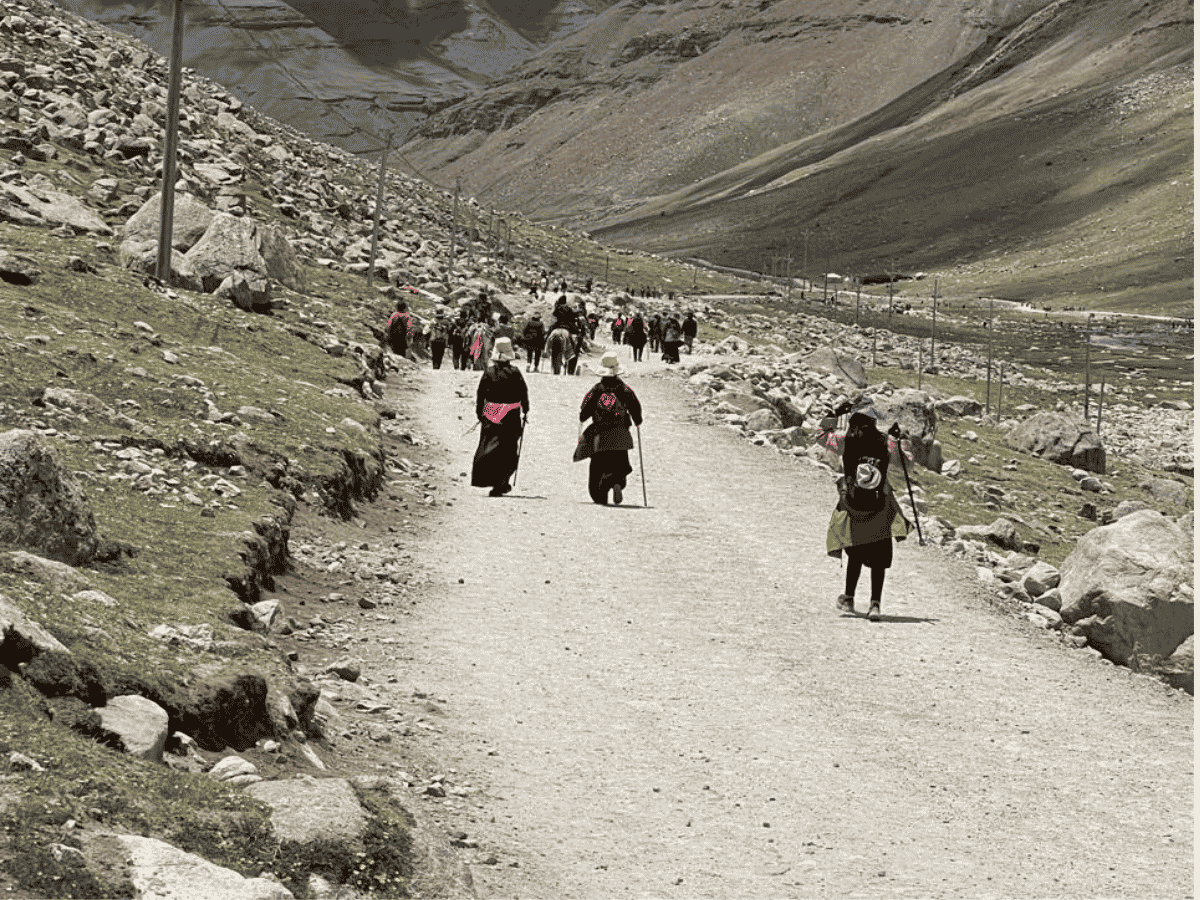
What to Eat During Mount Kailash Parikrama generally depends upon daily walking distance and physical condition. Meals are usually eaten at guesthouses like Dirapuk and Zuthulpuk or carried as packed lunch for Kailash journey. There are simple tea tent before and after dolma la ,so planning within the Kailash Yatra meal plan early matters greatly. Most pilgrims rely on simple meals during Kailash Yatra, which are prepared in advance but freshly cooked and suited for altitude conditions.
Pilgrims eat lunch wherever shelter exists. Wind, cold, and fatigue decide meal timing more than the clock itself. Accepting this unpredictability helps mentally and physically during Kailash Mansarovar Journey. Food is really important for warmth and rest, especially when following vegetarian food on Kailash Yatra, which travels better and digests easily. This disciplined approach to food in Kailash is part of the parikrama experience that many pilgrims remember long after returning home.
Where do you need to eat during group joining trip to Kailash?
Group joining kailash journey includes Breakfast that served in hotel restaurant. Lunch and Dinner will be served in chinease restaurant with Tibetan food menu. Tibetan restaurant has non vegetarian and veg menu that can be choose by help of Chinese guide.
You may have many vegetarian options also non vegetarian. Rice, Soup, Vegetable, potatoes, tofu, beans and many more options will on food menu. Taste will be like Chinese dishes but adjustable.
Final Words
In the end, Food during Kailash Journey is not about choice, luxury, or comfort rather it is about function, discipline, and respect for conditions. The journey reshapes how pilgrims think about eating. Simple meals, that aligned with suitable meals during Kailash Yatra is important and feels meaningful. Hot tea and warm drinks in Tibet feel like a comforting and caring, while vegetarian food on Kailash Yatra becomes a shared rhythm that supports both the body and the mind. This truly reflects the spirit of the sacred Kailash Mansarovar Yatra where the food offered is for sustain, not for luxury.
Those who accept this food system experience fewer struggles during the Kailash Yatra meal plan as the body adapts and mind becomes quiet. Food becomes part of the pilgrimage, not a distraction or luxury. We Mountface Nepal can arrange you the best food available according to your preference, within the limitations of the route and altitude on your Kailash journey. This understanding stays long after the Kailash Yatra ends, shaping how pilgrims remember food in Kailash Mansarovar Yatra.