Lower Dolpo Trek Cost and Itinerary 2026

tripadvisor120 reviews
google19 reviews
Lower Dolpo Trek
Dolpo Trek
Lower Dolpo Trek

The Lower Dolpo Circuit Trek isn’t just a journey through remote mountains, rather it’s a step into one of Nepal’s most isolated and untouched regions. Each day here takes you from high valleys and traditional stone villages to rugged sections, turquoise lakes, and wide alpine plateaus. Standing at Numa La Pass or Baga La Pass, looking across endless Himalayan peaks which includes Dhaulagiri Range, Kanjirowa Himal, Annapurna and Manaslu ranges, Shey Shikar and more, or pausing at Phoksundo Lake and the Shey Phoksundo Waterfall, makes the Lower Dolpo Trekking route feels unreal and deeply personal. It’s a place where silence, open skies, and the vast landscape lingers into your mind long after the completion of trek.

For those who are seeking for solitude and a true sense of adventure, the Lower Dolpo Circuit Trek delivers it perfectly. The trail is shared with yaks, wildlife, and fluttering prayer flags rather than crowds, and each village stop reveals the rich ancient Tibetan influenced culture and Bonpo traditions of the local communities. The Dolpo Trek is one of the most remote treks in Nepal and completing it provides a great sense of satisfaction as well as perspective and confidence. However, in order to enjoy the rewards of this trek, you first must put in the work and get physically and mentally prepared to get the most out of the valuable experience Lower Dolpo Circuit Trek offers. For a hassle-free trip that includes well-structured planning, experienced guides, a personal itinerary, and affordable options, We Mountain Face Nepal can happily assist you on your Lower Dolpo Circuit Trek in 2026/2027.

  • Duration 18 Days
  • Trip Grade Moderate

    The moderate grade includes a one-week to fifteen-day itinerary. It can reach up to 5000 meter altitude range, but the trails will be moderate (neither easy nor tough). High altitude may affect walking speed and distance. You need to have acclimatization over 3000 meters.

  • Country Nepal
  • Maximum Altitude 5190m
  • Group Size 20
  • Starts Kathmandu
  • Ends Kathmandu
  • Activities Trekking
  • Best Time Spring and Autumn

Lower Dolpo Circuit Trek: A Remote Himalayan Journey to Phoksundo Lake

The Lower Dolpo Circuit Trek takes travelers into one of Nepal’s most remote and isolated regions. The lower Dolpo trekking route crosses the vast landscapes of Shey Phoksundo National Park and reaches to the turquoise waters of Phoksundo Lake which is situated at an altitude of 3,611 meters. Along the lower Dolpo Circuit Trek itinerary way, trekkers encounter high passes such as Numa La Pass and isolated villages that reflect the ancient Tibetan culture. Trekking in Dolpo Nepal offers a combination of physical challenge, rewarding natural and cultural discovery. The scenery is breathtaking, with enormous cliffs, wide valleys, and majestic peaks appearing at every turn. The solitude adds to the experience, making it a rare journey in Nepal remote trekking.

The Lower Dolpo Trekking route moves through dry plateaus, rivers, and meadows surrounded by high mountains. Trekkers visit ancient monasteries and experience local communities that follow the ancient Bonpo religion. The trail offers moments of reflection and awe with jaw-dropping landscapes and quiet spaces. With fewer fellow trekkers traffic, it is a real escape from crowded trails from other trekking regions of Nepal. Daily trekking reveals serene valleys, breathtaking mountains and high-altitude terrain that challenges the body while rewarding travelers with some of the most untouched scenery in the Himalayas.

Major Highlights

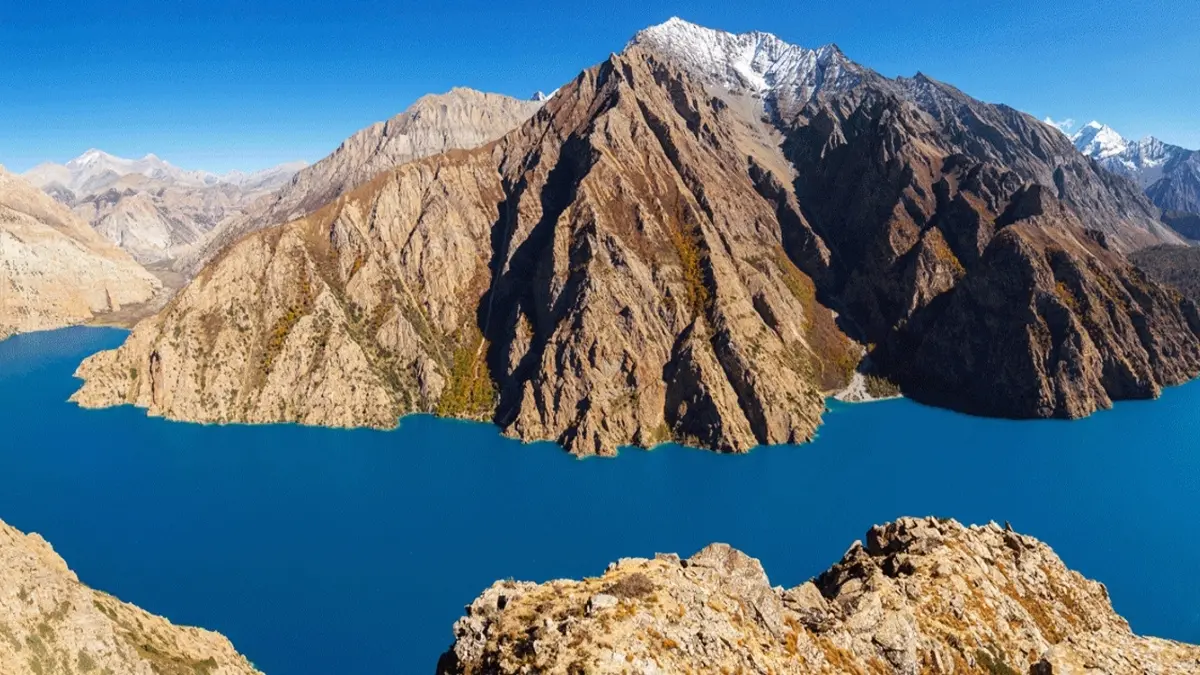
  • Phoksundo Lake: Phoksundo lake is famous for the most picturesque destinations in Nepal which is located in the Dolpa District at an altitude of around 3,611 meters. Its clear blue shimmering water and dramatic surrounding cliffs create a scene that feels untouched and unreal. Trekkers often pause here to admire the enormous scale of the lake and the quiet of the valley.
  • Shey Phoksundo National Park Trek: The Shey Phoksundo National Park trek allows travelers to see wildlife such as snow leopards, blue sheep, and Himalayan tahr from distant if you get lucky. Trekkers can witness Himalayan Monal, Nepal's national bird too.
  • Numa La Pass: The Numa La pass which is at 5,190 meters provides panoramic views of mountains stretching for miles. The high-altitude trek even challenges the experienced hikers but it rewards them with majestic scenery and a deep sense of achievement at the end.
  • Baga La Pass: The Baga La Pass is another key point on the Lower Dolpo Trekking route and it situated at an altitude of 5,070 meters. From the top, valleys and distant peaks creates the unbelievable scenery and offers a jaw-dropping view of the Himalayan region.
  • Tibetan Culture: The journey passes through the villages which is influenced by Tibetan culture. Travelers see traditional houses, prayer flags, and local festivals that give insight into the daily life of these isolated communities during Dolpo Trekking.
  • Ancient Monasteries: Trekkers get a chance to encounter ancient monasteries which is tied up to the Bonpo religion, an ancient Tibetan culture which includes Bon Gompa, Mekyem Gompa, Dorje Phurba Gompa and more. These sites provide historical context and a quiet place to reflect, while also offering a glimpse of spiritual practices that has been practiced for centuries from local people.
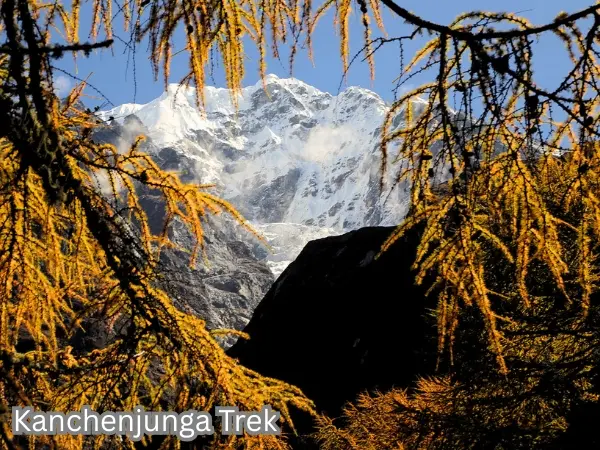
  • Sweeping mountain and landscape views: During Lower Dolpo Circuit Trek itinerary, trekkers observe towering snow-capped peaks, wide alpine plateaus, dramatic cliffs, and endless horizons which welcomes you at every turn. The mountains take on a golden hue during the sunrises and sunsets, making each day walk feel like a journey through a living panorama of the Himalayas.
  • Shey Phoksundo Waterfall: Shey Phoksundo Waterfall, also known as Suligad Waterfall, is one of the most striking sights along the Lower Dolpo Trekking route. The Shey Phoksundo waterfall is directly fed by Phoksundo Lake and cascades 167 meters over the cliffs creating a stunning waterfall that contrasts the barren rocks. For many trekkers on the Lower Dolpo Phoksundo Lake Trek the waterfalls become the most memorable part of the Lower Dolpo Circuit Trek.

Is Dolpo Circuit Trek Suitable for Beginners?

The Lower Dolpo Trek Difficulty Level is considered as moderate to challenging trek and can be little difficult for beginner trekkers on this high altitude trekking Nepal. As trek covers high altitude terrain, including Numa La Pass (5,190 meters) and remote valleys, it demands both good physical stamina and proper acclimatization. The journey is more suited to the travelers who have previously completed the high-altitude treks in Nepal. However, with careful planning, proper training, guided support and moderate pace, even beginners can complete this trek successfully.

Trekkers often says that good preparation is very essential as the region is isolated and lies in a restricted area. Support from the experienced guide who is familiar with Lower Dolpo Trekking route helps you to navigate to the restricted areas while ensuring your safety. The lower Dolpo trekking route can be challenging but it rewards you with the serene landscapes, cultural encounters and an authentic Himalayan experience. For anyone who are willing to prepare, Phoksundo Lake Trek offers them a once in a lifetime experience.

Why to Choose a Lower Dolpo Circuit Trek?

Any travelers choose the Lower Dolpo Circuit Trek for its unique combination of natural beauty, cultural heritage and remoteness. The lower Dolpo trekking route passes through Shey Phoksundo National Park and reaches to shimmering blue Phoksundo Lake that offers the views which are both breathtaking and majestic. The isolation here makes sure that the tourist flow is very minimal which allows trekkers to engage with the nature and local communities more fully and deeply. The Dolpo Trek itinerary also take you through the local villages that follows the ancient Tibetan Bonpo religion which insight you with the culture that are rarely available elsewhere.

This lower Dolpo trek offers a true Trans-Himalayan Trek experience with dramatic high passes, dry highland and wide valleys which create jaw-dropping scenery that changes every day. Along the way travelers can observe Tibetan influenced villages, traditional lifestyles and ancient monasteries. This combination of high-altitude adventure, cultural immersion and peaceful landscapes makes lower Dolpo trek as an ideal choice for those who are seeking Dolpo Trekking experiences beyond crowded and noisy trails.

Lower Dolpo Trekking Route

The Lower Dolpo Trekking route begins with a flight or road journey from Nepalgunj to Juphal. Trekkers walk through wide valleys, rivers and local villages while gradually gaining altitude. Key moments during this trek includes Phoksundo Lake, Numa La Pass (5,190 meters) and Baga La Pass (5,170 meters) where expansive views of mountains, lakes and plateaus create enormous and memorable panoramas views. Throughout the lower Dolpo trekking route, trekkers witness traditional Tibetan villages and isolated monasteries that reflect the region’s spiritual heritage which has been preserved for centuries.

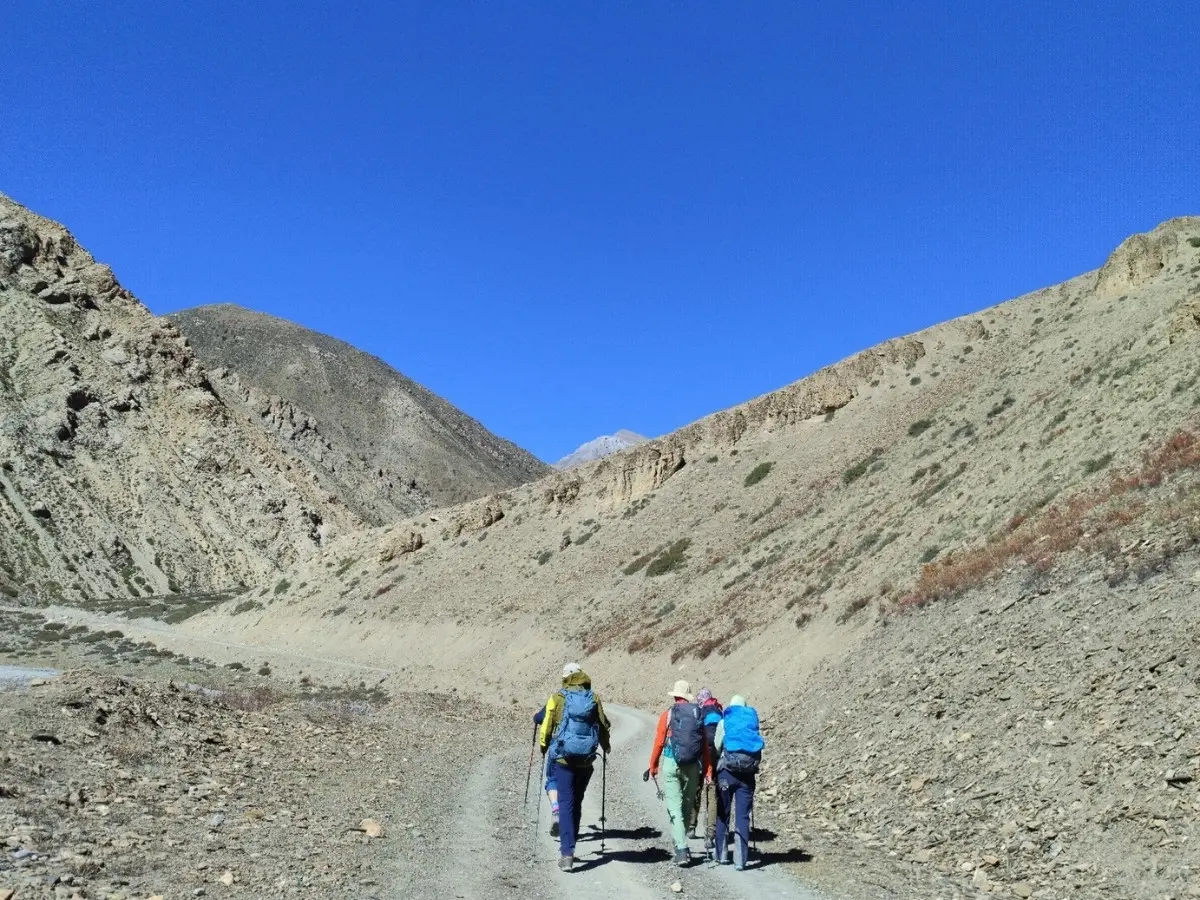
Daily trekking time ranges from 4- 7 hours depending upon trail steepness, paths condition and altitude gain. Accommodation is on simple teahouse with simple but warm and hearty meals. This journey showcases the Western Nepal Trek landscapes with a combination of high-altitude passes, river valleys and culturally rich sites which makes the Dolpo Trek Itinerary as a complete Himalayan experience.
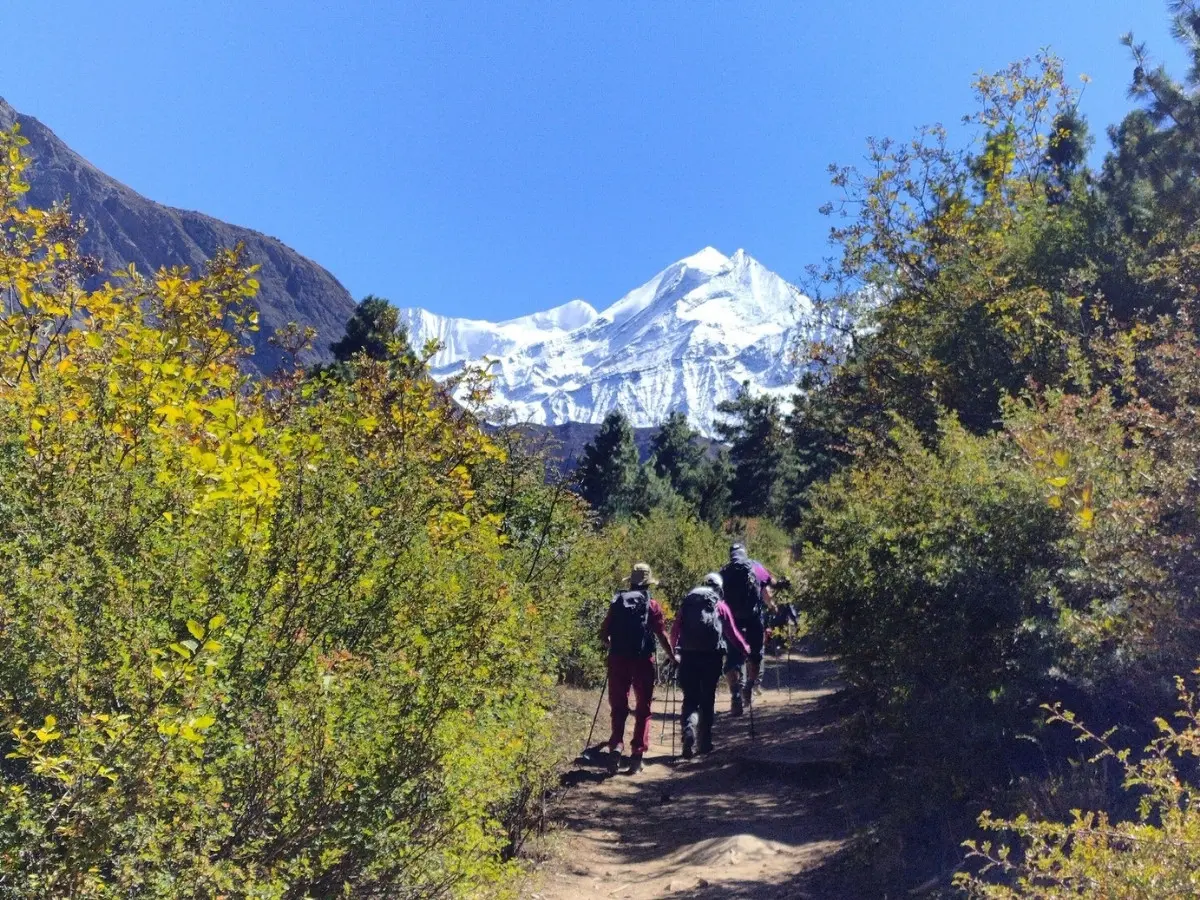
Lower Dolpo Trek Cost and Itinerary 2026 Itinerary

Expand allCollapse all
Starts from:KathmanduEnds at:Kathmandu

The first day of the Lower Dolpo Trek Packages begins with a drive or a short flight from Kathmandu to Nepalgunj in the lowlands of Nepal. It takes around 50 mins on a domestic flight to reach this border town. Nepalgunj sits near to the Indian border and its settling and culture might feel very different for the travelers from the mountain ahead. It gives trekkers a first sense of diversity they will see later on the Lower Dolpo Trekking route.

In the afternoon or evening, there is extra time to relax and explore some local markets in Nepalgunj. Trekkers can enjoy tasting local food, check and prepare gear for the last time and rest before taking the next day’s flight towards the Himalayan region of Nepal. In the evening, guides often review plans and check the necessary permits, documents and gears for the ahead Lower Dolpo Circuit Trek itinerary.

On the second day, you will take an early flight to Juphal from Nepalgunj. Juphal is a small mountain airstrip which marks the main gateway to Dolpo. Upon landing, your porters and crew help you for organizing backpacks and prepare for the trek ahead. After having tea and lunch, your trail starts by following the Thulo Bheri Valley and climbing gradually and slowly above the riverbanks.

The walk takes you through Kalagaunda Village with its cultivated fields and Roop Ghar village with traditional water mills until reaching Dunai. Dunai village (2,140 meters) serves as the first overnight stop on Trekking in Dolpo Nepal and the administrative headquarter of the Dolpa district which offers a simple teahouse accommodation and tasty local meals before diving deeper into the lower Dolpo trekking region.

On 3rd day, the lower Dolpo Trekking trail follows the banks of the Thulo Bheri River, cultivated farmland and narrow gorges. The path crosses the same river several times through suspension bridges and isolated village paths, so it requires a careful footing. It climbs gradually through the changing terrain which reminds travelers the varied landscapes of Dolpo Trekking.

The overnight stop in basic guesthouse at Tarakot allows travelers to explore a village which has its historical significance. Tarakot is situated at the riverbank, and it was once famous as an ancient trade routes. Trekkers can observe traditional houses, terraced fields and talk to the locals in the evening. This day helps to build the strength and acclimatization for the higher sections of the Lower Dolpo Circuit Trek itinerary.

Upon leaving Tarakot early in the morning, trekkers cross the Beri River and begin a gentle climb through buckwheat cultivated terraces. The path goes high above the river, which offers breathtaking changing views of mountains and the fields. Trekkers may also encounter seasonal tents and occasional tea houses which is seasonally used by mule caravans. The walk here requires a good attention to footing and gradual ascent.

Laini comes into view as the valley narrows. Though small, it marks an important stop before moving to higher elevations. The area offers basic shelter and a simple environment for rest. On Laini, views of the Churen Himal range starts to appear on the horizon, which highlights the growing elevation of the Lower Dolpo Trekking route.

After having breakfast, the trail climbs up towards high pass which is at about 3,545 meters. Upon reaching top, fluttering prayer flag welcomes you and also signal the progress of more elevation gain. After spending some time at Nawar Pani, trekkers descend towards Chyugar Khola and cross it using a suspension bridge.

After some time, second bridge appears near seasonal huts at Tazam village which acts as a marking point on the route toward Nawar Pani. At Nawar Pani, trekkers stay in a basic teahouse and get enough rest for the next day. As Nawar Pani is at around 3,545 meters, it is very important to watch for signs of acute mountain sickness during Lower Dolpo Circuit Trek.

This is one of the longest days on the lower Dolpo trekking itinerary with approximately of seven hours of walking. Our day starts by crossing the river and climb steeply on a narrow path into the side of a cliff. Here trekkers may witness a chorten on a ridge which marks as the old border post between Nepal and Tibet, also known as Serkam.

The descent towards Dho Tarap village offers a wide view of valley and settlement. Dho Tarap holds a cultural significance and was featured in the famous film Himalaya (1999). Himalaya was the first Nepalese film to be nominated in the Best Foreign Film category at the 72nd Academy Awards. Local life here reflects the long standing and preserved Tibetan traditions which provides insight into the people of the region. You will be staying in a basic teahouse for the night.

After several days of hiking in Nepal Remote Trekking, you deserve a well needed rest. You will have a rest day in Dho Tarap which helps you with acclimatization and recovery. On this day, trekkers can explore nearby trails, visit the village and learn about the local customs and traditions of Bon culture. The Dho Tarap village includes traditional houses and a Bon monastery which makes it as an important cultural highlight on the Phoksundo Lake Trek.

This day also gives you an extra time to organize your gear and prepare for the next section towards high passes (Numa Las Pass and Baga La Pass). Here, guides often review for the upcoming terrain with the team and adjust the schedules according to the situation as required. A rest day here ensures that your body adjust to the higher altitude which minimizes the risk of altitude sickness on lower Dolpo trekking before continuing deeper into the Lower Dolpo Circuit Trek itinerary.

After having breakfast at Dho Tarap, we will climb towards the base of Numa La Pass. The trail rises through mixed terrain with loose stone slopes and rugged sections. Along the way trekkers also visit Mekyem Gompa, famous for its large Maitreya Buddha Statue and Dorje Phurba Gompa which is a house of a rare collection of traditional weapons. The route also passes the Crystal Mountain School (4,200 meters) also known as the largest school in this area.

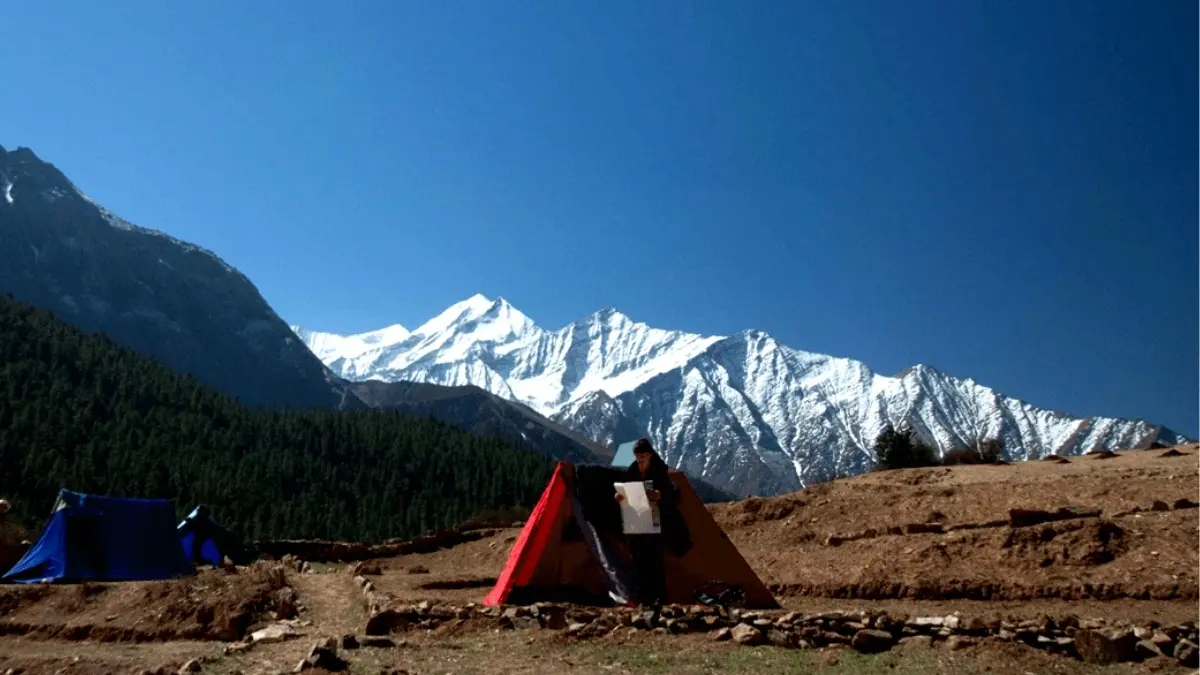
The path continues across a wooden bridge over the Tarap Chu River which takes you to the Mondo village and other few scattered village. When you see prayer flags at top, it marks as a high point which remind travelers a long-standing tradition along this Trans- Himalayan Trek route. In the late afternoon, trekkers reach the Numa La Pass Base Camp which is situated at an altitude of about 4,440 meters. You will stay overnight on tented camp here and rest as tomorrow is the most challenging day where you will cross Numa La High Pass.

Today’s route includes crossing Numa La Pass which is one of the highest points (5,190 meters) on Lower Dolpo Circuit Trek itinerary. The climb to Numa La High Pass is long strenuous with rugged over uneven and rocky ground, making it as the toughest day of the Lower Dolpo Phoksundo Lake Trek. Due to weather and trail conditions, it requires careful footing and listening to your guide is very important as he/she helps you to manage your pace safely as required.

Upon reaching Numa La Pass (5,190 meters), visibility gets wider with the stunning views of giants like Dhaulagiri (8,167 meters), Churen Himal Range, Shey Shikhar (6,139 meters) and Kanjeralwa peak (6,612 meters), making it as the memorable part of the journey. After spending some time and capturing photographs at Numa La Pass, we descend towards U shaped valley with steep rocky slopes. Eventually we will arrive at Pelung Tang where open pastures provide us a place to rest after a tiring and spectacular day on high altitude trekking Nepal.

We will start early in the morning from Pelung Tang and climb towards Baga La Pass. The route follows switchbacks and rugged slopes with loose stones underfoot. Upon reaching the Baga La Pass which is at an altitude of 5,070 meters, sacred chortens signal our arrival and welcomes us with wide panoramic views of surrounding mountains including Dhaulagiri, Kanjiroba, Norbu and Tibetan peaks with blue shimmering Phoksundo Lake far below. This section is one of the most beautiful parts of the journey which provides stunning panorama.

spending some time at Baga La Pass we will descend towards Dajok Tang. The descent leads us into a large valley which is filled with waterfalls and several resting points. Dajok Tang sits lower in elevation so it makes perfect place to spend night and provides a scenic overnight camp with plateaus and river courses. Dajok Tang is also known as one of the most beautiful valleys in the western part of Nepal which makes it as an important natural highlight of the Lower Dolpo Trekking route.

Upon leaving Dajok Tang, the Lower Dolpo Phoksundo Lake Trek trail descends gradually towards Ringmo and Phoksundo Lake and soon the lake’s stunning turquoise colors begins to appear through the trees. As we descend, the trail curved around the hill and climbs onto the ridge where we are rewarded with an impressive view of a massive cascading Phoksundo waterfall. The surrounding cliffs and lush green forests of Shey Phoksundo National Park Trek creates a peaceful and refreshing atmosphere after crossing high mountain passes.

At afternoon we will reach Ringmo which is a Tibetan settlement in the Dolpo Area. Today is the slightly easier trek day than on previous days because the trekking time is shorter and relaxed. At Ringmo, our permits and necessary documents will get checked as we make our way towards the beautiful turquoise waters of Phoksundo lake. Trekkers can rest or visit to Ringmo village to observe the architecture and the lifestyle of locals. We will stay overnight here at Ringmo village.

After having breakfast, we will hike towards Phoksundo Lake through pine and juniper forests. With every step we take, the views of Phoksundo lake become clearer and more beautiful. Reaching Phoksundo Lake (3,611 meters) is a major highlight and a truly special moment of the 15 days Lower Dolpo Trekking journey.

The calm shimmering blue water, fresh mountain air and dramatic surroundings makes Phoksundo Lake a Nepal’s most remarkable natural features which allows travelers to relax, explore and take some photos. Basic teahouses or camping spots near the lakeshore provides a comfortable place to rest while enjoying an unreal scenery and prepare for the Dolpo Trekking journey back towards lower elevations.

After having breakfast near to the shore of the lake, now its time to leave and trekkers follow a steep trail above Phoksundo Lake to get a final jaw dropping view of deep turquoise waters lake from top of the hill before descending. The path leads us through Chunuwar and Rechi villages which offers a close look at local life, traditional architecture homes and daily routines of people as the landscape shifts towards lower elevations.

The descend continues down the riverbank until we reach Shyanta. Shyanta village (2,520 meters) is a peaceful settlement which sits among forest and fields and provides a basic tea house to rest after a full day of descent. The shift from Himalayan high passes to greener valleys in Shyanta feels marked and refreshing for many trekkers during Dolpo High Altitude Trek in Nepal.

We will leave Shyanta early in the morning and continue steadily towards Jhupal. Jhupal is the village we started our Lower Dolpo trek and it also marks as the endpoint for many Dolpo treks. The trail passes through farmland, river banks and small settlements where traditional lifestyles and local culture can still be clearly observed.

Upon reaching Jhupal, it signals us as the end of the Lower Dolpo Circuit Trek. Trekkers celebrate the successful completion of Lower Dolpo Circuit Trek itinerary with deep sense of achievement, simple meals while resting in teahouse. Jhupal sits at lower altitude and also serves as a transition point before flying out of the trekking journey in western Nepal.

We will take an early flight from Jhupal which will takes us back to Nepalgunj. From Nepalgunj, another flight returns us to Kathmandu. The aerial views provide us a final look on the vast Himalayan western region we crossed during our Lower Dolpo Circuit Trek.

In Kathmandu, trekkers will have an enough time to rest and reflect on the incredible lower Dolpo trekking journey they just have completed. The journey end often brings a sense of accomplishment and new perspective on trekkers life, with life long memories of one of the Nepal’s most remote and rewarding trekking experiences.

Customize Your Perfect Trip

Mount Face Nepal Experts offers personalized trekking and tours in the Himalayas. Experience unique, safe, and expertly planned adventures tailored perfectly to your style and preferences.

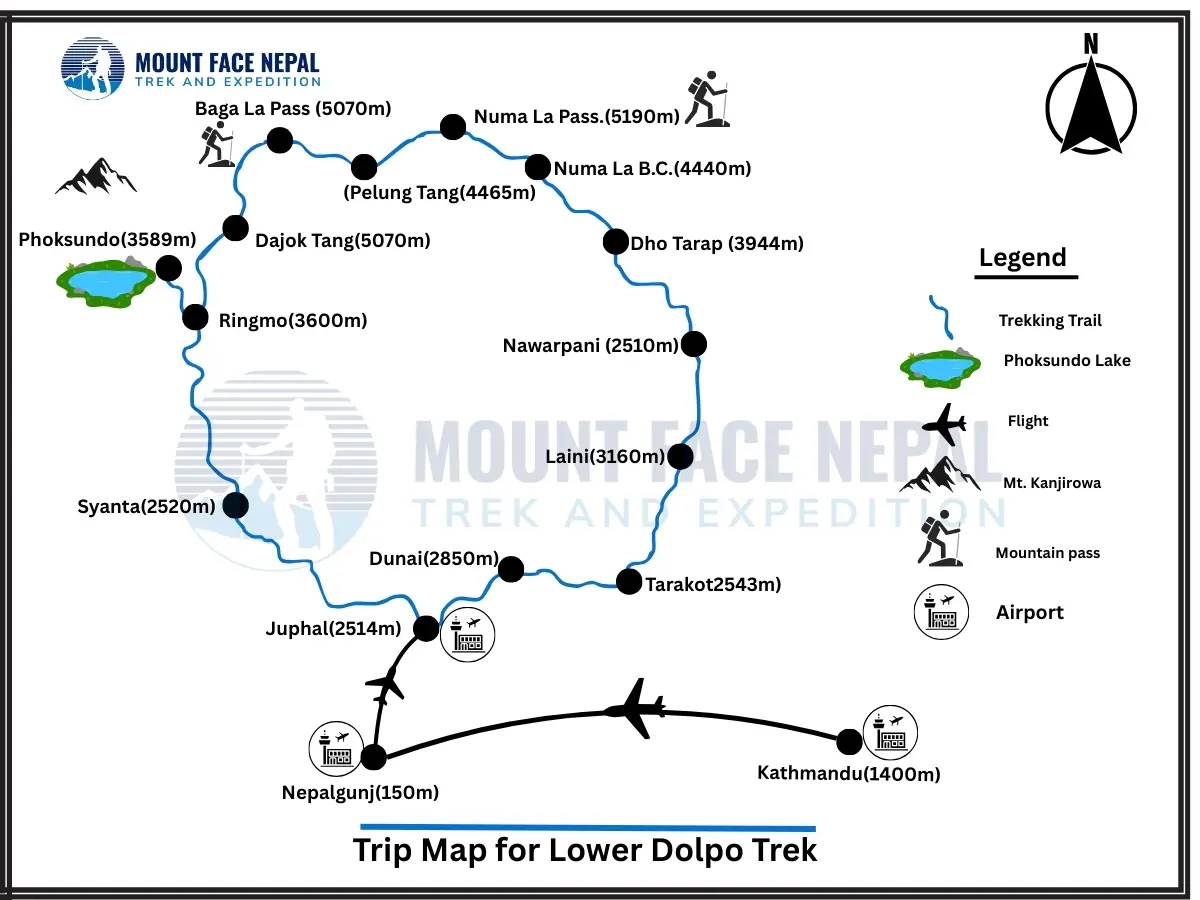
Route Map

Trip Map Lower Dolpo

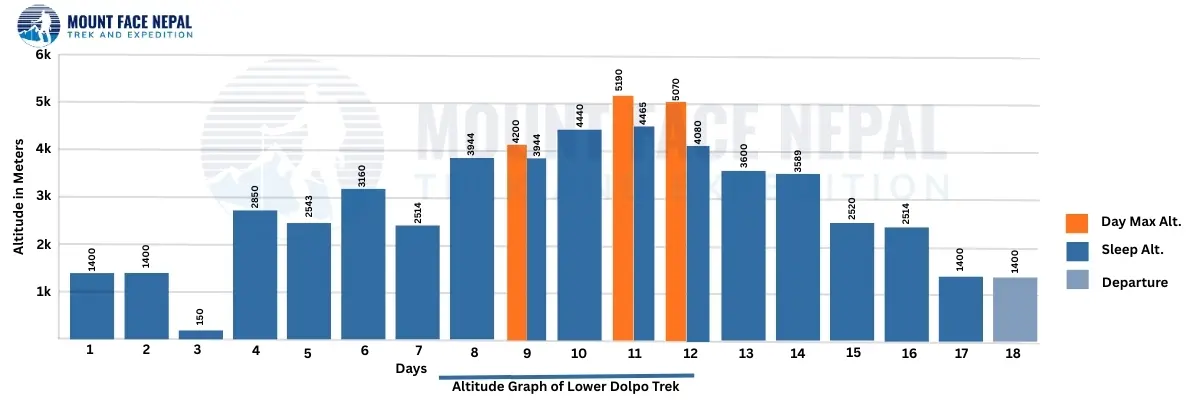
Altitude Chart

Altitude Graph Lower Dolpo Trekking

Lower Dolpo Trek Cost and Itinerary 2026 Cost Details

Includes

  • All the required airport and hotel transfers by private vehicle
  • Twin-sharing accommodation in Kathmandu
  • Kathmandu city tour guided by professional city tour guide
  • Tea House/Home Stay accommodation during the trekking days in the mountain
  • Full board standard meals (Breakfast, Lunch, and Dinner) during the trek
  • An experienced local trekking guide
  • Special trekking permit of Shey Phoksundo National Park and local taxes
  • All the required domestic fights
  • Food/Salary/accommodation and medical or accidental insurance for all the trekking staff
  • Green Valley Nepal Trek kit bag
  • Farewell dinner after the trip completion in Kathmandu.
  • All the government and local taxes
  • Mount Face Nepal  duffle bag

Excludes

  • International airfares, Travel/medical insurance, and Nepal entry visa fees.
  • Extra night hotel Nepalgunj due to bad weather and earlier back to Kathmandu
  • Porter ( One porter between two trekkers is recommended ) 
  • Riding horse along the trek
  • Alcoholic beverages, bottle mineral water, soft drinks, and snack foods
  • Gratitude for the guide and porters

Dates and Availability

Select Departure Date
Displaying April Departure Dates
Start - End Date
Apr 10 - Apr 27, 2026
Status
Available
Price
US$2250

The itinerary for the Lower Dolpo Trekking is planned, but weather, changes on the trail, or unexpected events could cause changes. Adjustments will be made by our guide throughout the experience to protect you and give you the best time. Besides, you can change the itinerary to meet your needs and schedule. We encourage you to speak to us before your trek to plan a journey that fits what you hope for.

Essential Information

Culture and Traditions on Lower Dolpo Cultural Trek Nepal

The Lower Dolpo trekking route​ passes through different villages which are influenced by ancient Tibetan culture where fluttering prayer flags, chortens, mini walls and gompas bring communities to life. Most of the villagers in Dolpo region follow the Bonpo religion where monasteries serve as a spiritual and cultural centers. Along the lower Dolpo trekking itinerary, trekkers can visit Bon Gompas, the historic Old Mekyem Gompa which has large Maitreya Buddha statue and Dorje Phurba Gompa which is a home to a collection of ancient weapons. Interacting with local people and observing centuries preserved traditional crafts and customs offers an authentic glimpse of ancient Tibetan culture.

During the trail, trekkers often visit markets, family homes, and monasteries which provides them an excellent opportunity to experience local seasonal lifestyle, traditional agriculture and storytelling by locals. Observing customs and traditions in both lower and upper Dolpo highlights the flexibility, adaptability and harmony of these Tibetan communities with these harsh Himalayan environments. The trekkers will leave with rich and unique insights and life-long memories, which will definitely include the cultural wonders and the many other sceneries beyond the nature alone on Lower Dolpo Circuit Trek.

Wildlife and Nature on Shey Phoksundo National Park Trek

Shey Phoksundo National Park Trek is a home to of unique wildlife and nature. Wildlife in Lower Dolpo Trek includes Snow Leopards, Himalayan Tahr, blue sheep and various beautiful birds which inhabit here on high passes and valleys where rare alpine and arid flora adds color to this rugged terrain. The Shey Phoksundo National park’s careful preservation helps to keep these habitats pristine which makes it ideal for both trekking and nature environment. Towering cliffs, wide valleys, and the serene rivers create ever changing and breathtaking landscapes that excites trekkers at every turn.

The remote terrain here supports the fragile yet resilient ecosystems. Seasonal changes shift the scenery from snow covered passes to blooming alpine meadows, to desert-like, and finally, to lush river valleys. With human interference being minimal, the mix of wildlife and untouched sceneries make the Lower Dolpo trekking region an emotionally and physically fulfilling trek, and a top choice for true adventurers of the Himalayas.

Permits and Cost for Lower Dolpo Circuit Trekking route

For trekking in Lower Dolpo Circuit region, it requires two specific permits, Restricted Area Permit and Shey Phoksundo National Park Entry Permit, as it ensures your safety and legal compliance. Trekkers must obtain the Lower Dolpo Restricted Area Permit card (RAP) which costs USD 20 per person per week, and additional USD 5 for each extra day. Additionally, the Shey Phoksundo National Park Entry Permit is required too which cost NPR 3,000 per person (approx. USD 30). Solo trekking is prohibited and must be accompanied by licensed guide, so travelers must organize their journey through a registered Dolpo Trekking agency, which also handles guides, porters, and all lower Dolpo trekking permit.

Most of the Trekking agencies handles all required Dolpo Trek permits with the necessary authorities, so you don’t have to worry too much about the application process. For the Lower Dolpo Trekking permits, you will need to organize a few important documents which include a valid passport, a visa, and two passport size photos. All Lower Dolpo Trekking permits are issued in Kathmandu and the Shey Phoksundo National Park Trek permit can also be issued at the entrance of the park. Carrying permits and necessary documents is mandatory as it is checked at verified at different checkpoints during Shey Phoksundo National Park Trek. For a Lower Dolpo Phoksundo Lake Trek, you will also need travel insurance that covers emergencies evacuation and medical expenses for high-altitude trekking. This insurance is strongly recommended to keep trekkers safe during the Lower Dolpo Circuit Trek.

Best Season for Lower Dolpo Trek

The best season for Lower Dolpo Trek is from late spring (March to May) to early autumn (Sep-Nov) which offers stable weather, clear skies, blooming rhododendron forests and comfortable temperatures for high altitude trekking Nepal. In winter there is heavy snow that blocks paths and during the monsoon months the trails are slippery and there is a risk of landslides. Timing your Lower Dolpo Circuit Trek itinerary carefully ensures both safety and the full enjoyment of Trekking in Dolpo Nepal.

Spring unveils blooming rhododendrons and vibrant meadows, while autumn treats trekkers to crisp skies and panoramic mountain views. The wildlife is also more active in these months and there are also local festivals which are great to see in the cultural villages on Lower Dolpo Trek. Taking all these perfect conditions into consideration, people can enjoy the unique experience and breathtaking scenery in Lower Dolpo Phoksundo Lake Trek without any risk.

Food and Accommodation during Lower Dolpo Circuit Trek Itinerary

Food during Lower Dolpo Circuit Trek itinerary is simple, warmly served and filling. Dal Bhat (Rice, Lentils, Vegetables curry with unlimited servings), Tibetan bread, noodles, potatoes, porridge, omelets and chapati are the main meals. Trekkers usually rely on teahouse meals or freshly cooked food at campsites. Snacks such as energy bars and dried fruits are highly recommended as it can be really helpful during high altitude trekking Nepal. Always carry boiled or purified water and water purification tablets to stay safe during Lower Dolpo Phoksundo Lake Trek and Trekking in Dolpo Nepal.

Accommodation along the Lower Dolpo Trekking route is basic. In Dunai, Tarakot, Dho Tarap, and Ringmo, teahouses provide shared rooms with foam mattresses, pillows, and blankets. Heating facility is mostly unavailable in rooms except for dining areas. Bathrooms are communal and squat toilets are common. Electricity is limited so carrying a power banks and extra batteries are highly recommended. Campsites are necessary on high passes such as Numa La Pass, Baga La Pass, Dajok Tang and Pelung Tang so carry a good sleeping bag which can give you a better sleep. A Dolpo Trekking package usually arranges all lodging and meals, allowing trekkers to focus on the remote landscapes and cultural experiences along the Lower Dolpo Circuit Trek.

Altitude Sickness on lower Dolpo Trekking

Altitude sickness is one of the serious concerns on the Lower Dolpo Circuit Trek itinerary due to its rapid elevation gain to higher regions and remote landscapes. Proper acclimatization is very important to avoid acute mountain sickness during Lower Dolpo Circuit Trek, so listen to your guide carefully. Slow ascent, drinking three to four liters of water daily, eating carbohydrate rich meals, resting frequently and avoiding alcohol and smoking are the key to prevent from altitude sickness on Lower Dolpo Circuit Trek. Rest or Acclimatization days above 2,500 meters altitude in villages such as at Nawar Pani or Ringbo village helps the body to adjust properly before continuing high altitude trekking Nepal.

Careful planning is done into Lower Dolpo Trek packages, especially before crossing Numa La Pass and Baga La Pass. The “trek high, sleep low” approach supports acclimatization and can be really helpful during high altitude trek Nepal. Common symptoms include headache, nausea, fatigue, and shortness of breath. If symptoms worsen, immediate descent is required. So, it’s very important to have a travel insurance which covers high altitude trekking and an emergency evacuation.

Physical Fitness Level for Lower Dolpo Phoksundo Lake Trek

The Lower Dolpo Phoksundo Lake Trek is a demanding and challenging journey which requires a good level of physical fitness. It is best suited for those trekkers who already have prior experience in high altitude trekking Nepal and who have the ability to walk for longer hours each day. Expect six to eight hours of walking across rough trails with steep climbs, descents, and river crossings. The sustained altitude makes this Lower Dolpo Circuit Trek itinerary challenging, particularly on longer Nepal Remote Trekking routes.

However, beginners with good preparation and proper guidance can successfully complete this challenging yet truly rewarding journey. Good preparation makes a clear difference on Trekking in Dolpo Nepal. Regular cardio training such as running and cycling helps to build stamina, while leg and core strength training helps on uneven ground. Practice hikes with a weighted pack which will prepare the body for daily effort. Mental preparation is important too on this isolated area where you can feel lonely and emotional far away from the modern luxurious life. With steady training, crossing Numa La Pass and Baga La Pass on the Lower Dolpo Trekking route becomes more manageable and safer.

Photography & Best Viewpoints During Lower Dolpo Circuit Trek

Photography along the Lower Dolpo Circuit Trek itinerary reflects the raw character of Trekking in Dolpo Nepal. Phoksundo Lake Trek viewpoints reveal the stunning view of the Phoksundo lake’s deep turquoise color, while the nearby Shey Phoksundo Waterfall drops sharply from the lake’s outlet which creates a powerful frame against the dark cliffs. In spring, some parts of the trail pass through blooming rhododendron forests which adds color to the lower valleys and makes it perfect for the photography. At higher altitudes, Numa La Pass and Baga La Pass provide wide panoramic views of the Dhaulagiri and Kanjirowa Himalayan ranges which glows into to the golden light during sunrise and sunset.

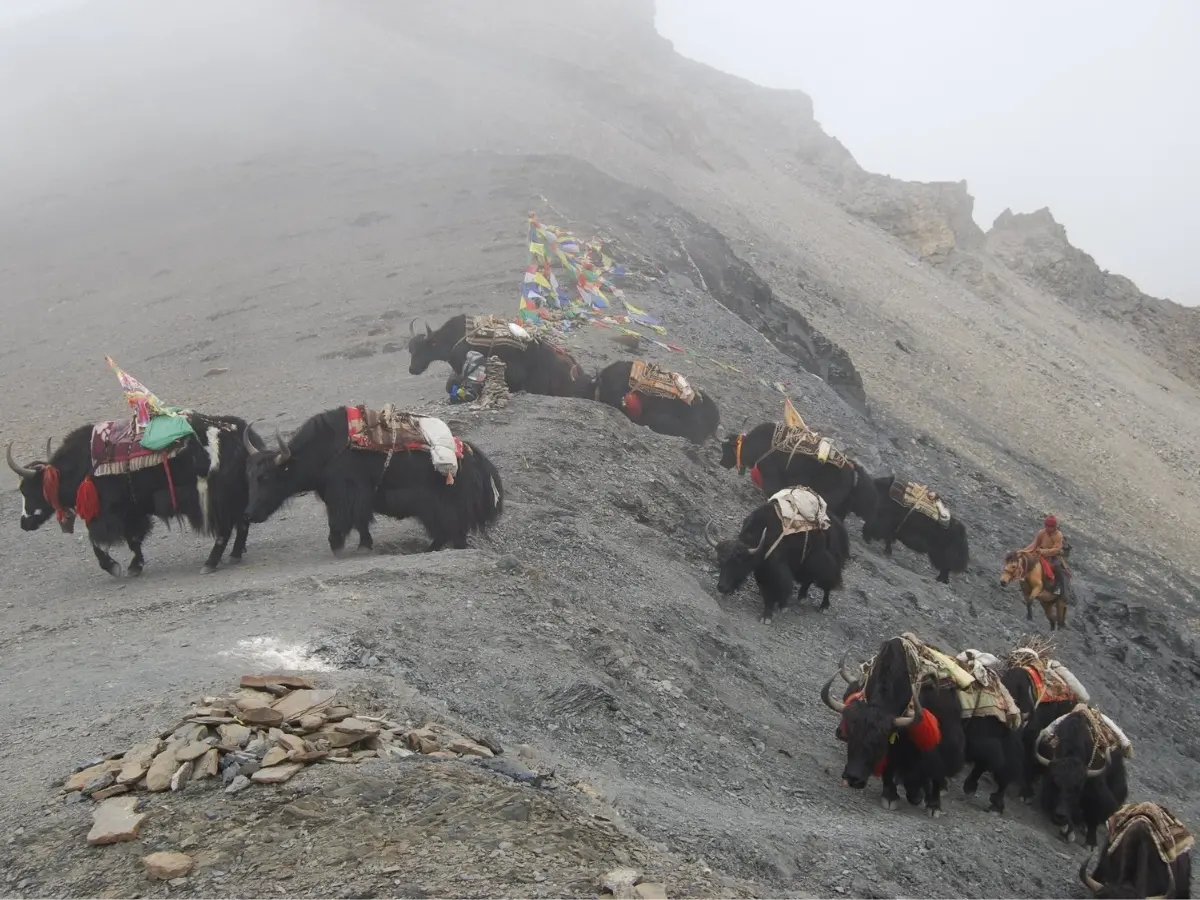
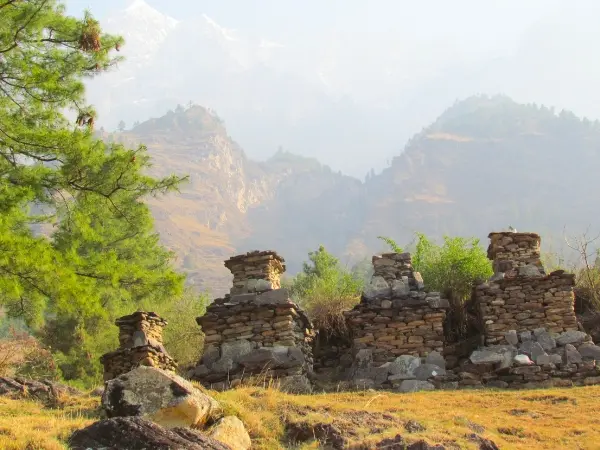
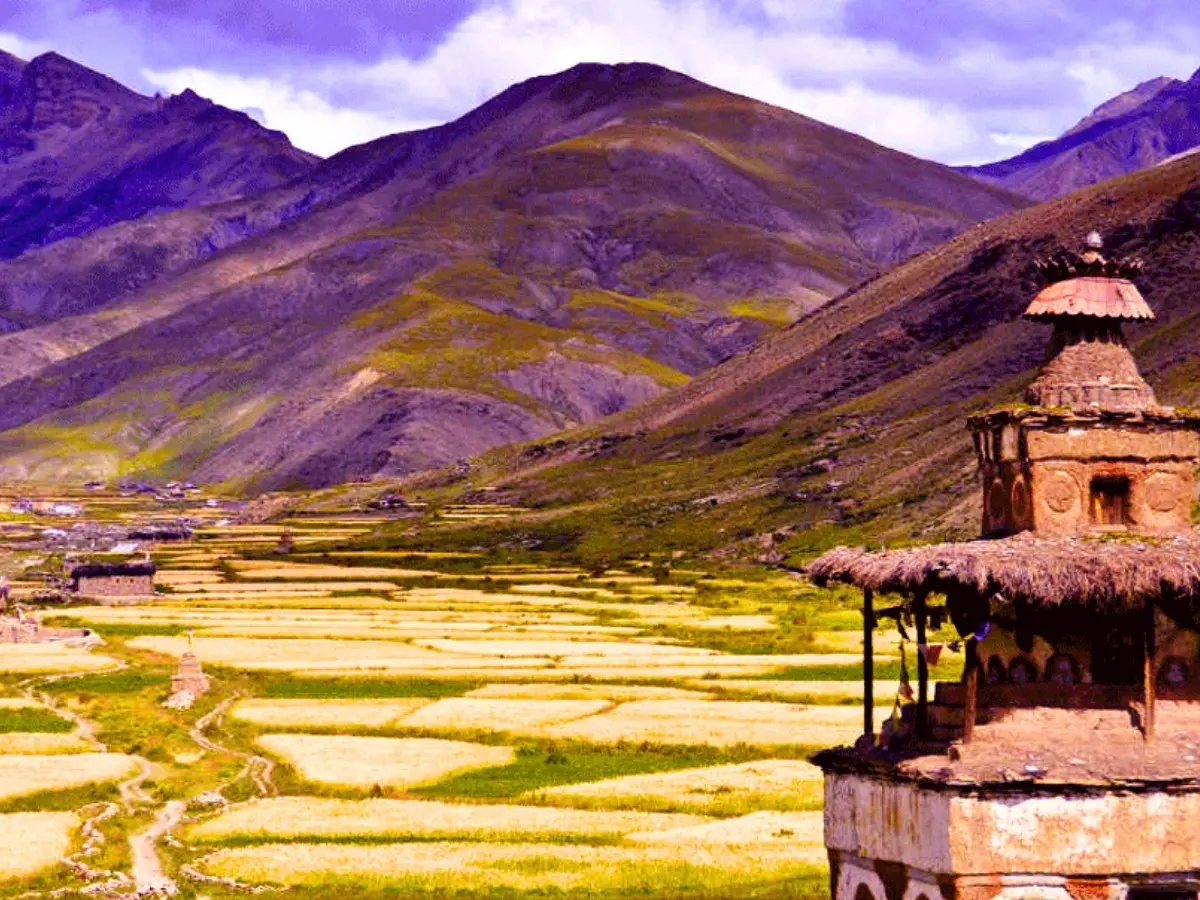
Beyond the passes, quieter scenes define Lower Dolpo Trekking photography. Dho Tarap valley offers ancient stone houses, barley fields, and steady yak movement across the land. Ancient monasteries, fluttering prayer flags, and chortens throughout the Shey Phoksundo National Park Trek give a distinct cultural dimension to the Lower Dolpo Circuit Trek Photography Journey. Wildlife sightings remain rare but rewarding. Patience and the respect are very important especially when photographing people or sacred places. It is highly recommended to photographers that, they should carry wide angle lenses, spare batteries, and a power bank as electricity is limited and unreliable in these remote areas.

Final Words

The Lower Dolpo Circuit Trek isn’t just a journey through remote mountains, rather it’s a step into one of Nepal’s most isolated and untouched regions. Each day here takes you from high valleys and traditional stone villages to rugged sections, turquoise lakes, and wide alpine plateaus. Standing at Numa La Pass or Baga La Pass, looking across endless Himalayan peaks which includes Dhaulagiri Range, Kanjirowa Himal, Annapurna and Manaslu ranges, Shey Shikar and more, or pausing at Phoksundo Lake and the Shey Phoksundo Waterfall, makes the Lower Dolpo Trekking route feels unreal and deeply personal. It’s a place where silence, open skies, and the vast landscape lingers into your mind long after the completion of trek.

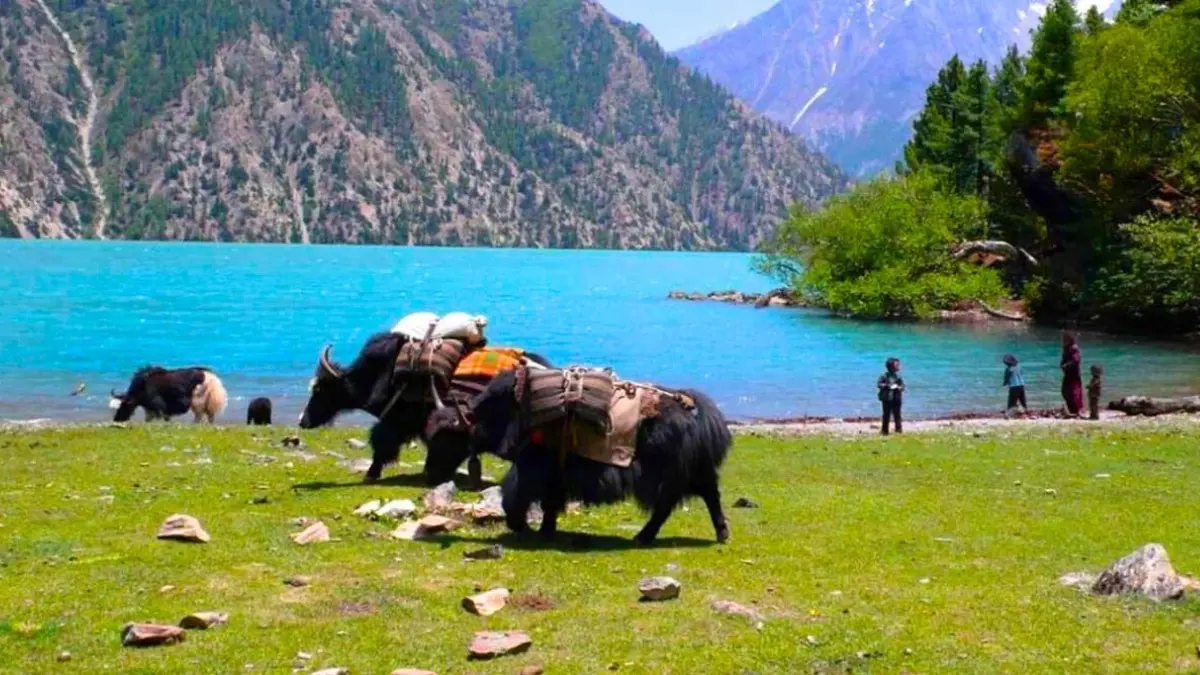
For those who are seeking for solitude and a true sense of adventure, the Lower Dolpo Circuit Trek delivers it perfectly. The trail is shared with yaks, wildlife, and fluttering prayer flags rather than crowds, and each village stop reveals the rich ancient Tibetan influenced culture and Bonpo traditions of the local communities. The Dolpo Trek is one of the most remote treks in Nepal and completing it provides a great sense of satisfaction as well as perspective and confidence. However, in order to enjoy the rewards of this trek, you first must put in the work and get physically and mentally prepared to get the most out of the valuable experience Lower Dolpo Circuit Trek offers. For a hassle-free trip that includes well-structured planning, experienced guides, a personal itinerary, and affordable options, We Mountain Face Nepal can happily assist you on your Lower Dolpo Circuit Trek in 2025/2026.

FAQs about Lower Dolpo Trek Cost and Itinerary 2026

Expand allCollapse all

The Lower Dolpo Circuit Trek is famous for its raw wilderness, deep valleys, traditional Tibetan villages and especially access Numa La and Baga La High pass with blue shimmering Shey Phoksundo Lake. Unlike other commercialized treks, Trekkers loves Lower Dolpo Trekking ​ for its rich solitude and a perfect blend of Tibetan influenced culture and pristine Himalayan scenery.

The Lower Dolpo trek difficulty level is considered as difficult trek because this high-altitude trek in Nepal involves long walking days, rugged trails, two high mountain passes above 5,000 m and very basic facilities.

Lower Dolpo Trek is generally recommended for experienced trekkers only. However, with proper plan and preparation, good guidance, extra acclimatization and rest days and listening to your guides carefully, beginners can also successfully complete the trek.

The Lower Dolpo Circuit Trek covers about 150-200 km with long walking days, steep ascents and remote paths throughout the route.

The Lower Dolpo Trekking itinerary typically takes 15-23 days, depending on the route, extra acclimatization days, weather conditions and the side explorations.

To trek in Lower Dolpo region, trekkers require two Dolpo Trek Permits, which include Lower Dolpo Restricted Area Permit (RAP) and the Shey Phoksundo National Park Entry Permit.

The cost for RAP is USD 20 per person for the first week and USD 5 per each extra day per person and the cost for the Shey Phoksundo National Park Entry Permit is NPR 3000 per person. These both Lower Dolpo Trekking permits can be issued through a registered trekking agency.

The best time to trek the Phoksundo Lake Trekking is during spring and autumn as they offer blooming rhododendron forests, crisp air, crystal clear skies, stable weather and the jaw dropping mountain views, making it ideal for Lower Dolpo Circuit Trek Photography Journey.

The Lower Dolpo Trekking Route​ crosses two high passes, Numa La Pass (5,190 meters) and Baga La Pass (5,070 meters) making them as the highest point on Lower Dolpo Nepal Remote Trekking.

Yes, it is mandatory for all Lower Dolpo Trek Packages, as you must be accompanied by a licensed guide with a minimum of two trekkers in your group according to a Restricted Area Permit rules during Lower Dolpo Circuit Trek Nepal.

Yes, we need to camp during Shey Phoksundo National Park Trek as teahouses are not available on higher altitudes such as at Numa La Pass, Dajok Tang, Pelung Tang and Phoksundo Lake. So, carry a good sleeping bag for better sleep12) What are the accommodation facilities during Lower Dolpo Circuit Trek?

Your trekking agency handles all the required permits in Kathmandu as you cannot apply for Restricted area permit on your own and it must be applied through a registered trekking agency.
 

The Lower Dolpo Trekking route is one of the Nepal’s most remote routes with very few settlements, no road access and long stretches without village and teahouses which offers a true authentic, untouched remote landscapes and a genuine wilderness remote Nepal trekking experience.

Meals like dal bhat (Rice, lentil soups, vegetable curry), noodles, fried rice, pasta, potatoes, soups, Tibetan bread, thukpa, chapati, omelets and seasonal vegetables are available along the Trekking in Dolpo Nepal journey which is simple but energy rich food, making it perfect for challenging Lower Dolpo Circuit Trekking. However, Food is prepared by the trekking crew during camping nights.

Yes, vegetarian and vegan meals are easily manageable during 14 days Lower Dolpo Trekking Journey but food variety is limited so it’s best to inform your trekking agency in advance when booking your Dolpo Trekking Package.

You can manage safe drinking water on Dolpo Trekking using water purification tablets or boiled water as Lower Dolpo region offers tap and stream water so it must be treated before drinking.

Good physical fitness where you can hike for 6-7 hours daily while handling steep climbs and descents is required on 14 days lower Dolpo trekking journey.

Symptoms of Acute Mountain Sickness during Lower Dolpo Circuit Trek includes headache, nausea, fatigue, dizziness and poor sleep. If these symptoms occur during Lower Dolpo Phoksundo Lake Trek, immediate descent is very important.

Proper acclimatization days, slow ascent, hydrating and resting well with high carb meals helps you to manage altitude sickness on Lower Dolpo Trekking.

Yes, travel insurance is mandatory for Lower Dolpo Circuit Trek in 2025/2026 as trekking agencies need it as proof of coverage of high altitude trekking, medical emergencies expenses, and the helicopter evacuation for obtaining restricted area permit.

Yes, it is highly recommended to carry power bank with at least of 20,000 mAH, so it helps to keep your electronics alive throughout the entire journey as electricity is limited in most of the teahouses and you will be spending many nights on tented camps during Lower Dolpo Trans- Himalayan Trek.

No, there are not any age restriction for Lower Dolpo High Altitude Trekking Nepal, but it is recommended for above age of 16 and physically fit adults as it is a quite challenging trek.

The challenges during Lower Dolpo Circuit Trek itinerary are long hours daily walking, remote trials, rugged sections, spending nights on tented camps and limited facilities but it rewards you with a lifelong memory.

Mobile and Internet signal on Lower Dolpo Trekking route is extremely limited and unavailable. Higher sections often have no service at all but at lower villages you might have NTC coverage but it can be unreliable. So, it’s best to inform your friends and families before starting the Lower Dolpo Nepal Restricted Area Trek.

Supplies can be available in larger villages such as Juphal and Dunai but remote and small villages may only have limited options or not at all because you may not find any village for some days. So, it’s important to pack essential like snacks, medications and gears on Lower Dolpo Shey Phoksundo National Park Trek.

Yes, helicopter rescue is available on Lower Dolpo Trekking region but it requires a travel insurance which covers high altitude medical evacuation.

During Lower Dolpo Circuit Trek in 2025/2026, you will have an opportunity to encounter traditional Tibetan villages, stone house architecture, ancient monasteries such as Bon Gompa, Mekyem Gompa and Dorje Phurba Gompa along with traditions which is rooted to ancient Tibetan Bonpo religion on.

Down Jackets, water and wind proof layers, sturdy boots, sleeping bag (-15°C), trekking poles and power banks are crucial for Lower Dolpo Western Nepal Trek.

Yes, tipping is expected but it is not compulsory. A general expected tipping includes $5-$10 per day for porters and $10-$15 per day for guide which totally depends on the quality of provided service.

Accommodation during Lower Dolpo Circuit Trekking is simple and very basic. You’ll be staying in a basic teahouse and tented camps with simple rooms, shared bathrooms and traditional home cooked meals. Comfort levels on Lower Dolpo Circuit Trekking are more basic in comparison to the Everest and Annapurna Base Camp Trekking.