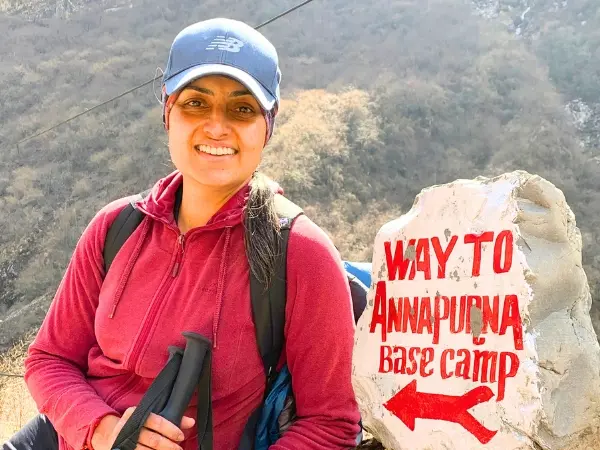
Mardi Himal Trek Difficulty Level: Is It Beginner-Friendly?
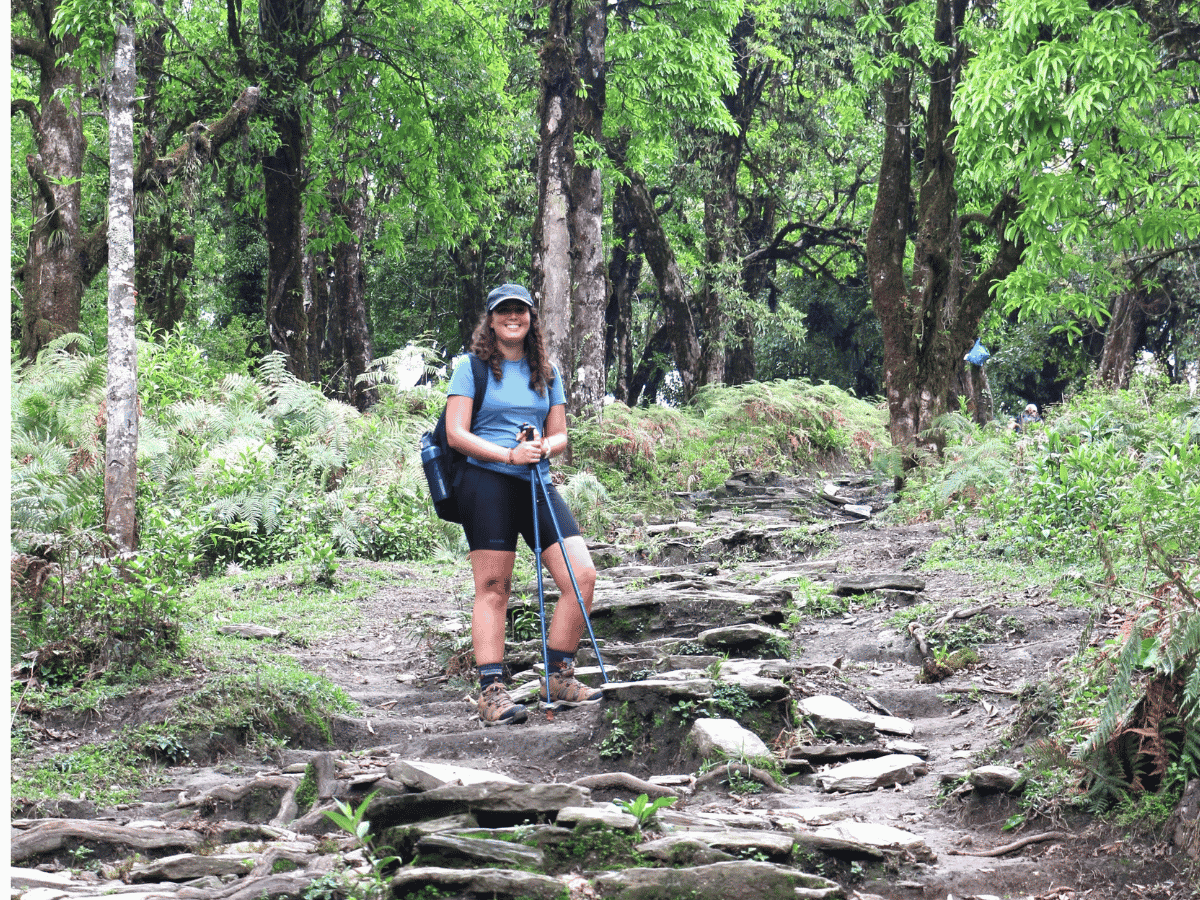
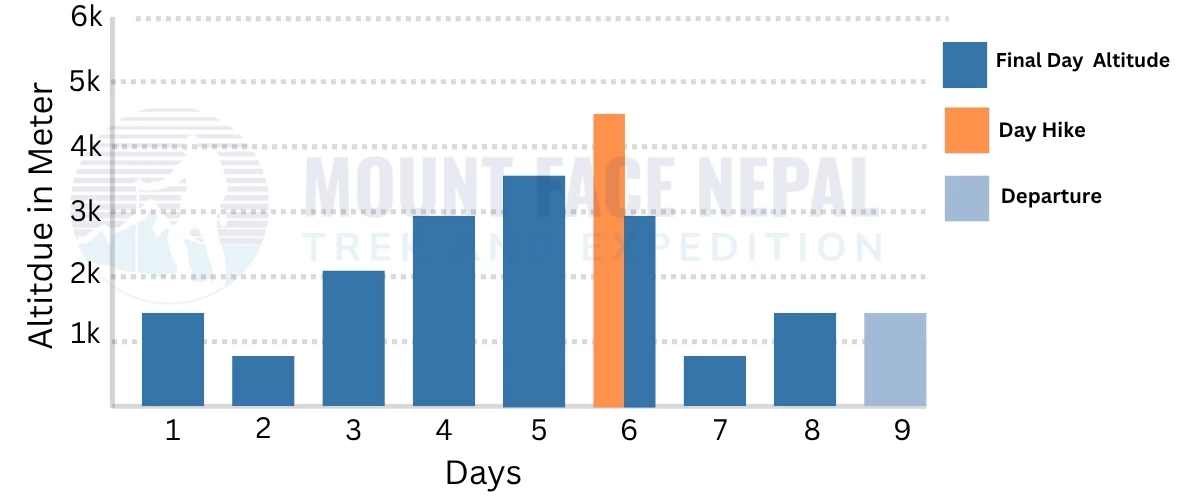
The Mardi Himal Trek Difficulty is considered moderate, with approximately 4–7 hours of walking per day, depending on the route and daily objective. The trail reaches at the highest altitude of 4,500 meters at Mardi Himal Base Camp. On trekking days, you need to expect stone steps, forest paths, dirt trails, narrow ridges, and rocky sections, while seasonal snow or ice may also occur at higher elevations. The most demanding section on Mardi Himal Trekking is High Camp to the Upper Viewpoint. Mardi Himal Trek tour suits reasonably for fit beginners with good confident, and previous trekking experience is not required with proper preparation.
Best Time to Trek Mardi Himal: Season-by-Season Guide
The best time for Mardi Himal Trek Nepal is considered during Spring and Autumn, as it offers mild temperatures, clear mountain views and safer trails.
Spring- March to May
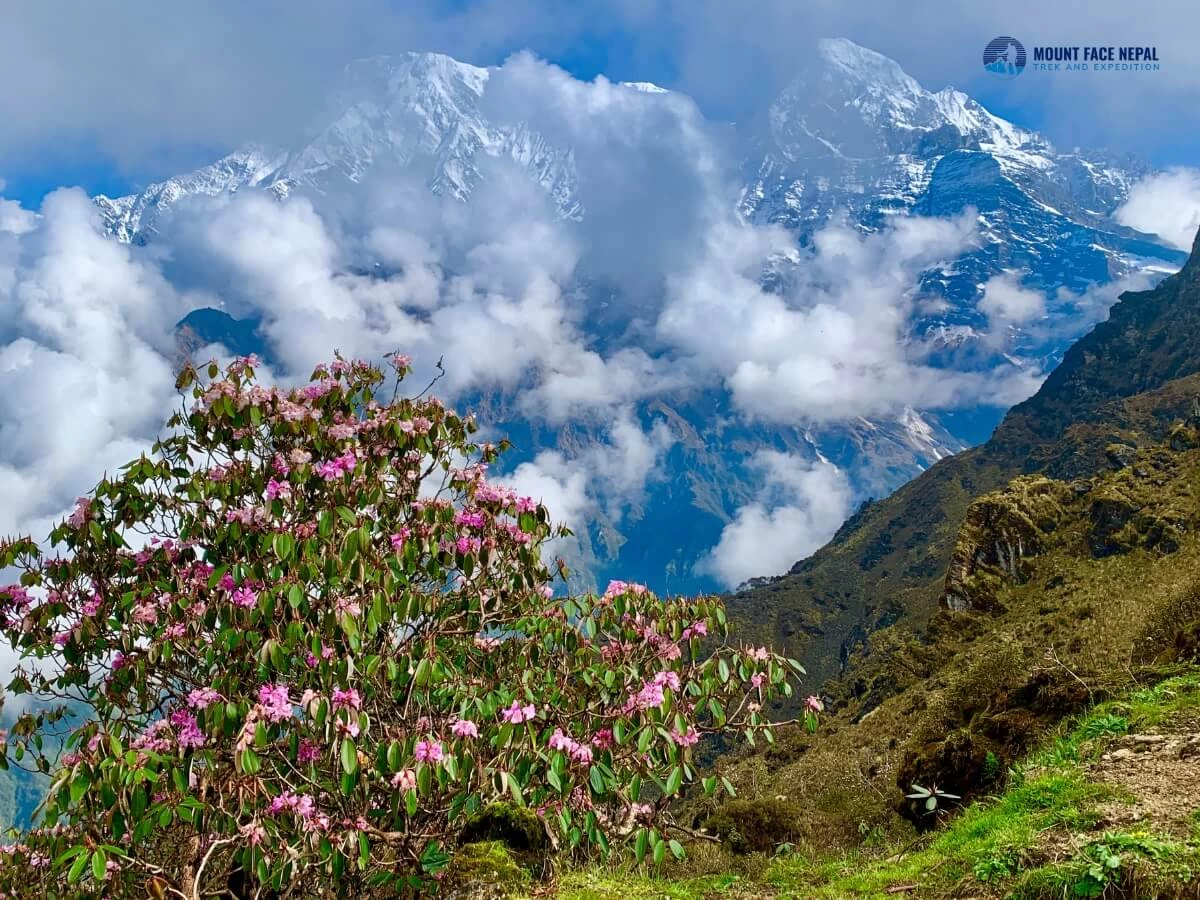
Spring is the best time for Mardi Himal Trek due to the relatively favorable weather and comfortable trekking conditions. In addition, April and May also offer colorful rhododendron forests. During this period, clear mornings often reveal beautiful mountain views, making this season really ideal for nature lovers and photographers.
Autumn- September to November
Autumn is the most popular Mardi Himal trekking season, as it offers clear skies, dry trails, excellent visibility, and crisp views of the Annapurna range. The best time of the year is October and November, although trails and teahouses can be busier.
Winter- December to February
Winter is an attractive season too with quiet and calm mountain landscape, however, it can be very cold in high altitudes. Snow is possible above 3,500 meters, so trekkers should carry warm clothing and suitable equipment for icy sections.
Monsoon- June to August
Monsoon is not recommended for Mardi Himal Base Camp Trek as it brings frequent rain, cloudy skies, reduced mountain visibility, and slippery or muddy trails. Leeches and occasional landslides are also possible and it may also affect lower sections.
Mardi Himal Trek Permits 2026: What You Need
The required permits for Mardi Himal Trek Nepal includes Annapurna Conservation Area Permit (ACAP) and Trekker's Information Management System (TIMS ) Card. ACAP costs NPR 3,000 for foreign nationals and NPR 1,000 for SAARC nationals. Meanwhile the TIMS Card, which supports trekker registration, safety tracking, and emergency coordination, costs NPR 2,000 per person. However, you do not need to arrange the permits yourself, as Mount Face Nepal will obtain them on your behalf as part of the Mardi Himal Trek Package.
Mardi Himal Trek Rules 2026: Is a Licensed Guide Mandatory?
Under the current Nepal Tourism Board regulations, Mardi Himal lies among the trekking routes where foreign trekkers must follow the guide and TIMS requirements protocol. Trekkers should arrange their journey through a registered trekking agency like Mount Face Nepal, travel with the government licensed guide, and obtain a valid TIMS Card before starting the trek. These measures helps to support registration, route monitoring, safety, and emergency assistance throughout the Annapurna Conservation Area. Mount Face Nepal, a government registered trekking agency will arrange the required documentation and provide experienced and licensed guide services as part of your Mardi Himal Trekking Package.
Official Source:- Nepal Tourism Board – TIMS Card and Guide Requirements
Mardi Himal Trek Accommodation: Teahouses & Lodges
During your Mardi Himal Base Camp Trek, trekkers will be staying in a comfortable 3-star hotels with modern facilities with private rooms, attached bathrooms, hot showers, and reliable Wi-Fi in Kathmandu and Pokhara. At lower-altitude villages along the trail, teahouses typically offer twin-bed rooms, some with attached bathrooms, hot showers for a small fee, and Wi-Fi. However, in high altitude villages like High Camp, the accommodation becomes very basic as there are only twin-bedded rooms, shared bathrooms, very rare or non-existent hot showers, and almost non-existent Wi-Fi connectivity.
Food and Drinks on Mardi Himal Trekking Route
Food
Teahouses along the Mardi Himal Trekking trail serve hearty and energy-rich meals, with Dal Bhat, steamed rice, lentil soup, vegetable curry, and pickles while offering unlimited free refills. Breakfast staples include Tibetan bread, chapati, pancakes, porridge, oatmeal, and eggs, while lunch and dinner feature momos, chow mein, thukpa, fried rice, pasta, macaroni, and simple pizzas.
Drinks
Hot Drinks such as black or milk tea, ginger-lemon-honey tea, masala tea, coffee and hot chocolate are available and this also help you to keep warm and hydrated. Bottled water is available at lower elavations but becomes scarce, expensive and enviromentally discouraged in higher altitudes. So, most trekkers rely on filtered or boiled water refills at teahouses, which are safer, cheaper and more sustainable as you as you ascend toward High Camp and beyond. Additionally, its important to carry water purification tablet as well.
Note: Prices rise with altitude, but menus remain broadly similar at most stops.
Mardi Himal Trek from Pokhara: Access & Travel Options
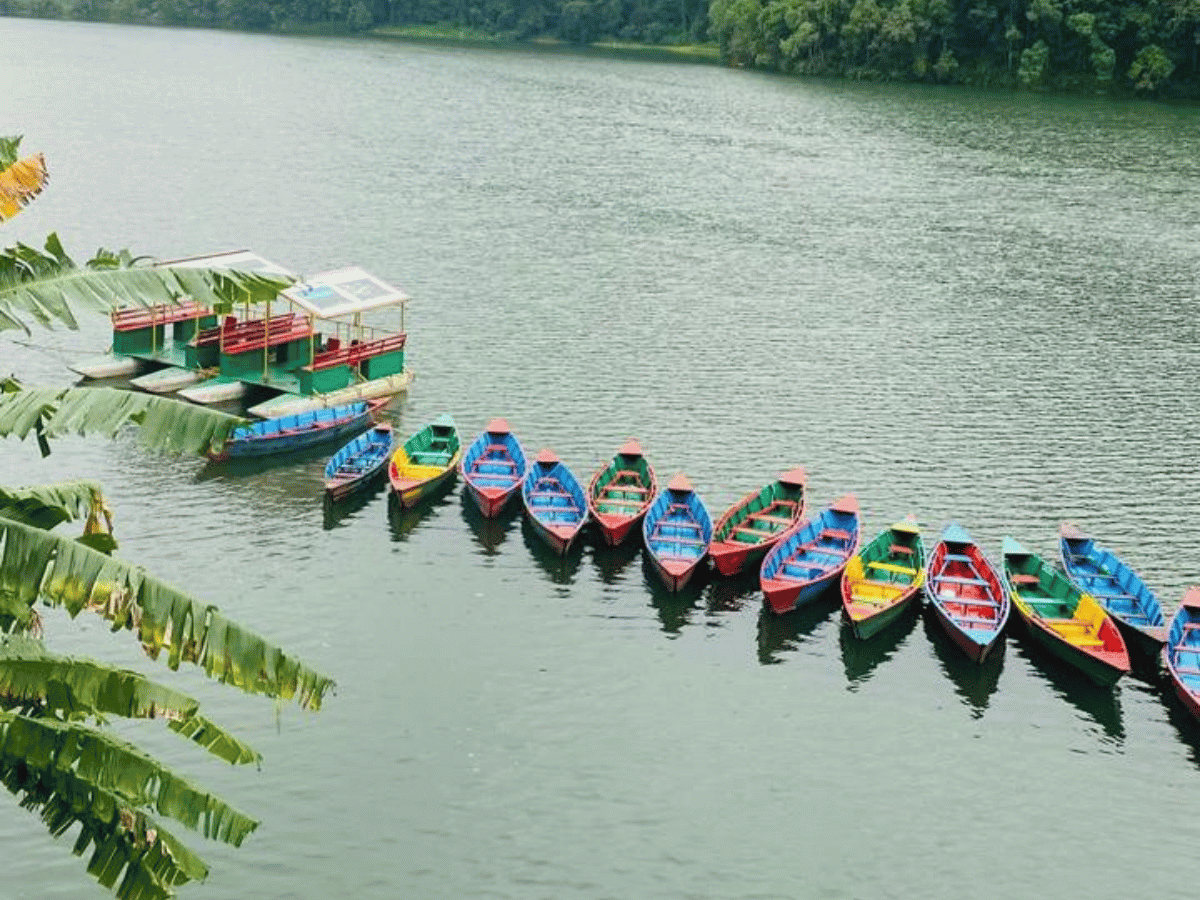
Booking your Mardi Himal Trek from Pokhara is a better choice as it is shorter, more affordable, and saves you from the expense of guides and porters charges which you have to pay for extra days if you start trekking from Kathmandu. Pokhara is a beautiful and peaceful city, that is surrounded by different serene lake, stunning mountain views, and a relaxed atmosphere. This makes Pokhara really an perfect starting for trekking in the Annapurna region, including the Mardi Himal Base Camp Trek.
Our expert group of Mount Face Nepal is based in Pokhara and always eager to assist you. You can easily contact us on Gmail, WhatsApp or Website for booking, travel advice, and customized trekking services. If you wish to visit Poon Hill or explore other nearby destinations after completing your Mardi Himal trek, Mount Face Nepal can also help you to arrange your additional travel plans.
Altitude Sickness & Safety Tips for the Mardi Himal Trek Nepal
Altitude Sickness
The Mardi Himal route climbs rapidly from Pokhara (about 822 m) to High Camp (3,580 m) and the Mardi Himal Base Camp (4,500 m), reducing available oxygen in each step. Few trekkers may experience mild Acute Mountain Sickness (AMS) symptoms such as headaches, fatigue, and nausea. Severe conditions such as HAPE or HACE are rare on this shorter trek but can occur if early symptoms are neglected, ignored and ascent continues.
Safety
To stay safe, please walk slowly, maintain steady breathing, and drink 3–4 liters of safe water daily to counter dehydration. Moreover, take carbohydrate meals like Dal Bhat for energy, and avoid taking alcohol and smoking as this worsen the altitude effects. In case of signs of dizziness, nausea or headaches, descend 500-1000 meters, recover fully and get help from porters or emergency evacuation if necessary.
Do You Need Travel Insurance for the Mardi Himal Trek?
Yes, travel insurance is mandatory for Mardi Himal Trekking, including the ACAP Permit and TIMS card. Your policy must cover high-altitude trekking up to at least 4,500 meters. It must also include the emergency search, rescue, and helicopter or air ambulance evacuation, plus medical coverage for altitude sickness treatment and other related expenses on the Mardi Himal Trekking Trail.
Mardi Himal Upper Viewpoint vs. Base Camp: Which Should You Choose?
Both Upper Viewpoint and Mardi Himal Base Camp offers the magnificent views of the Himalayan Panorama. So, some trekkers stop at the Upper Viewpoint because it offers spectacular mountain views without the extra high-altitude climb to Base Camp. The Base Camp option is longer, more demanding, but highly rewarding, making it better suited to properly acclimatized trekkers. Both routes start from High Camp and eventually descend to Low Camp.
| Details | Mardi Himal Upper Viewpoint | Mardi Himal Base Camp |
| Main Purpose | Enjoy panoramic views of Machhapuchhre, Annapurna South, Hiunchuli, and Mardi Himal. | Continue farther into the high alpine zone toward the foot of Mardi Himal. |
| Altitude | 4,200 m | 4,500 m |
| Trekking Distance | Shorter round trip from High Camp. | Longer round trip, requiring additional walking beyond the viewpoint. (Extra 3-4 Kilometers, Total) |
| Difficulty | Moderate and more manageable for most trekkers. | More challenging because of altitude, steep terrain, and longer effort. |
| Time Required | Often completed as a half-day or short day hike (4-5 hours). | Usually requires a full-day excursion (9-10 hours). |
| Trail Conditions | Narrow ridge trails, steep sections, and exposed terrain. | Rougher alpine trail with rocky ground, possible snow, and more exposed sections. |
| Why Some Stop Here | Because of altitude, fatigue, weather, or limited time. | Best for fit, well-acclimatized trekkers who want to go farther. |
| Best Choice | Better for a safer, shorter, and more comfortable mountain-view experience. | Better for trekkers seeking the fullest Mardi Himal high-altitude experience. |
Wi-Fi, Internet & Electricity on the Mardi Himal Trek
In lower altitude villages like Deurali and Low Camp along the Mardi Himal route, internet and Wi-Fi are generally available in teahouses, though speed can be basic. However, electricity in these lower altitude villages is much better than the high altitude and it becomes easier for you to charge your phone and camera. Mobile networks like Ncell and NTC often work well in these settlements, making it really easy to stay connected with family or share updates while you trek.
As we climb higher to the places like High Camp or Base Camp, Wi-Fi and internet connectivity starts to become less reliable, with slower speeds and frequent dropouts. Electricity in these villages are mostly solar energy-based and can become slower to charge and might also get disrupted by bad weather. So, its very important that trekkers carry a power bank, keep devices fully charged in lower altitudes and inform your friends and families before starting the journey.
Mountain Views from Mardi Himal Viewpoint
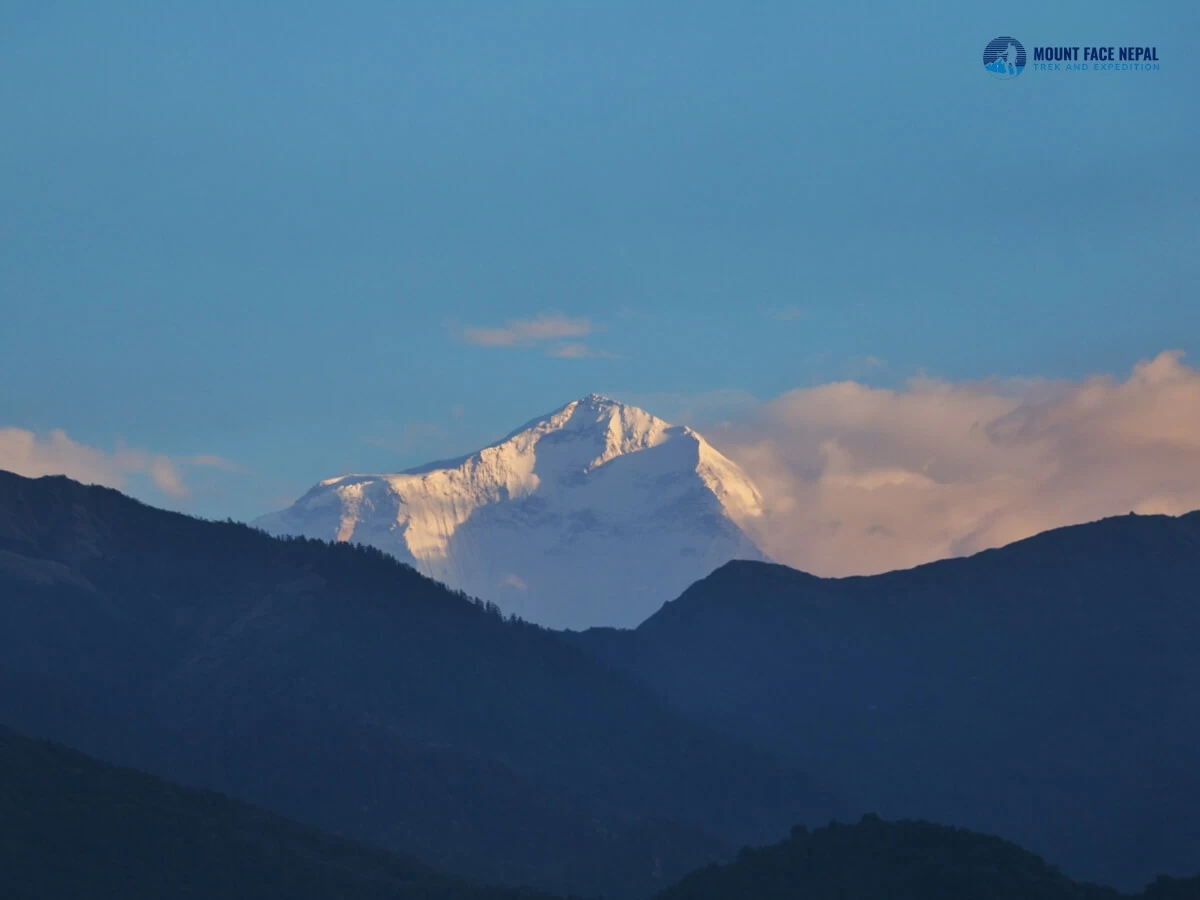
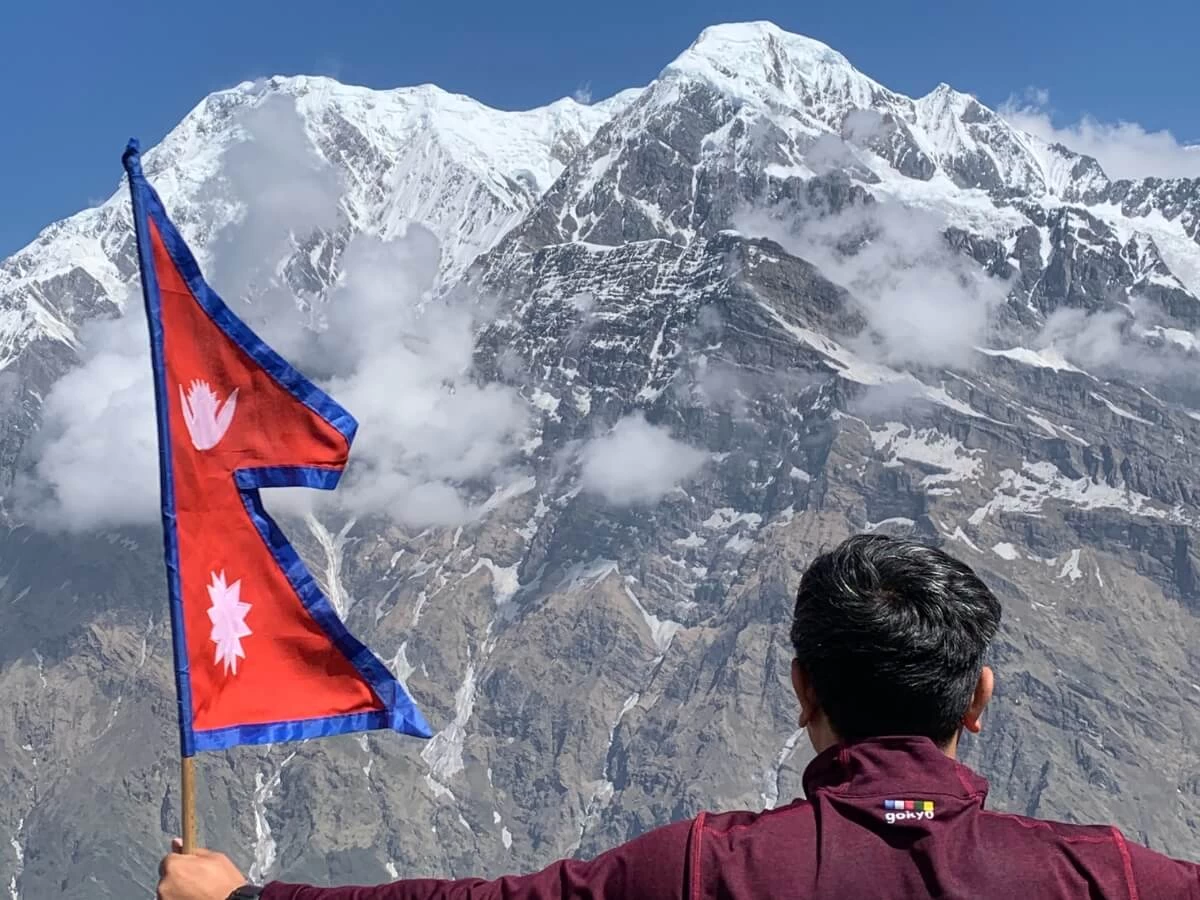
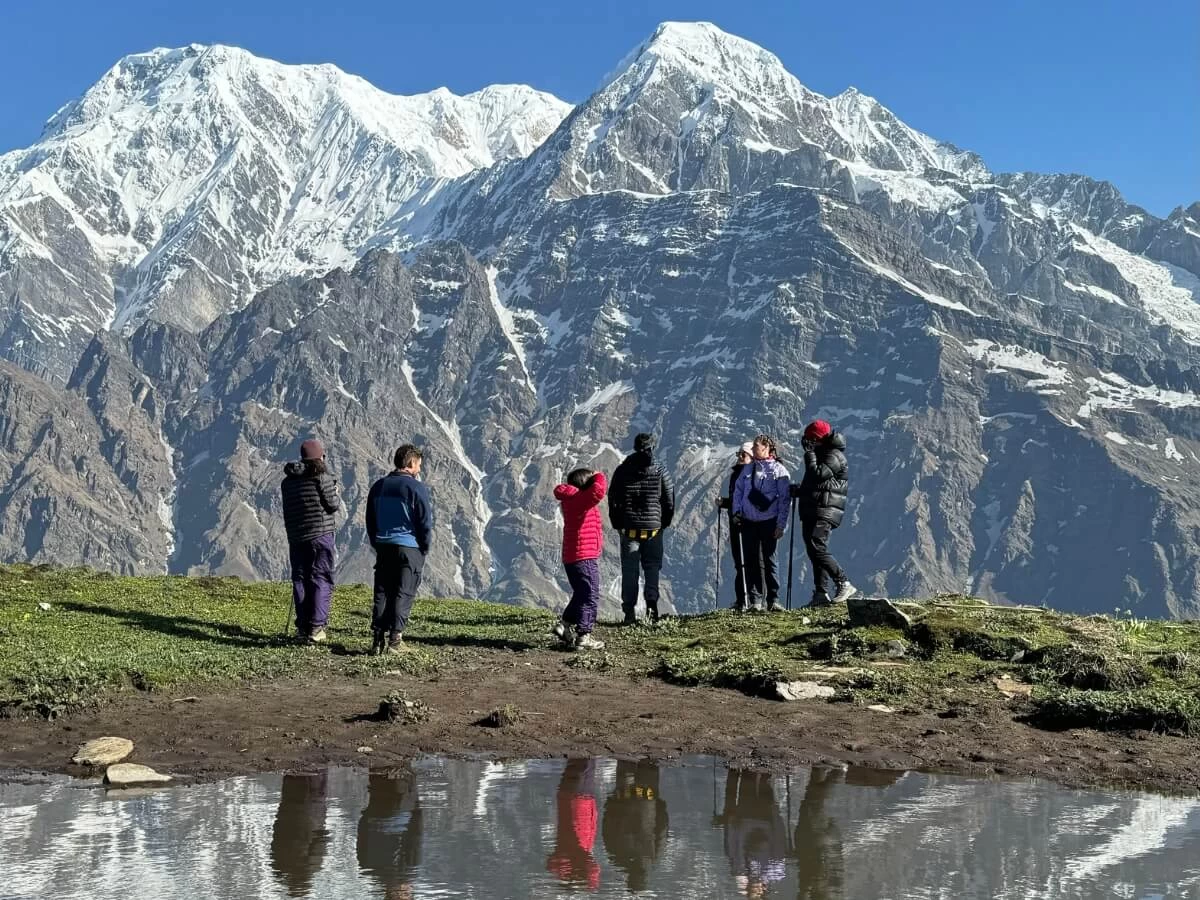
From the Mardi Himal Viewpoint of 4,500 meters, the trekkers have the luxury of viewing the some of the world's most magnificent peaks: Annapurna I (8,091m), II (7,937m), III (7,855m), IV (7,525m), Annapurna South (7,219m), Annapurna I (8,091m), II (7,937m) Hiunchuli (6,441m), Machhapuchhare (6,991 m)—also known as Mt. Fishtail, Mardi Himal (5,588m), Nilgiri (6,940m), Lamjung Himal (6,931m), Gangapurna (7,483m), Thapa Peak (6,015m), Tukuche Peak (6,920m), Varaha Shikhar (7,847m), Singu Chuli (6,500m), and Tharpu Chuli (5,663m). Together, these snow-capped peaks really create a breathtaking Himalayan panorama, making Mardi Himal Viewpoint one of the most rewarding destinations in the world for mountain enthusiasts and trekkers.
Flora and Fauna along the Mardi Himal Trekking Route
The Mardi Himal trail passes through rich, varied ecosystems, beginning from the dense forests of red and pink rhododendrons which is also Nepal’s national flower that bloom spectacularly in spring (March to May) along the lower and middle sections. Temperate and alpine woods feature lush stands of oak, bamboo, maple, and birch at lower elevations, while higher ridges above the tree line open into alpine meadows of short grasses, seasonal wildflowers, and low-lying shrubs. These forests on Mardi Peak Trek route support diverse wildlife, including langur monkeys, Himalayan musk deer, and stunning birdlife such as colorful pheasants like the Danphe (Himalayan monal), making the route a rewarding experience for nature lovers.
Mardi Himal Trek vs Annapurna Base Camp Trek: Comparison Table
Mardi Himal and Annapurna Base Camp are both beautiful short treks from Pokhara, but they offer different experiences. Mardi Himal is quieter and ridge-focused, while ABC offers a longer journey into a dramatic Annapurna mountain sanctuary with more village and forest walking.
| Details | Mardi Himal Trek | Annapurna Base Camp Trek |
| Typical Duration | 7-12 days | 12-14 days |
| Approximate Distance | 40 Km | 60 Km |
| Maximum Altitude | 4,500m at Mardi Himal Base Camp | 4,130m at Annapurna Base Camp |
| Difficulty | Moderate, with steep sections and rapid altitude gain | Moderate to challenging, with long days and many stone steps |
| Trail Character | Forest trails leading to open ridges and alpine viewpoints | River valleys, forests, villages, gorges, and the Annapurna Sanctuary |
| Mountain Views | Close views of Machhapuchhre, Mardi Himal, and Annapurna South | Wide views of Annapurna I, Annapurna South, Hiunchuli, and Machhapuchhre |
| Best For | Trekkers wanting a shorter, quieter ridge adventure near Pokhara. | Trekkers wanting a longer, classic base-camp experience inside a mountain amphitheater. |
Final Words
As your Mardi Himal adventure comes to an end, trekkers carry home more than just photographs, they take back stories of sunrise views at the top of Machhapuchhre, tranquil walks through rhododendron lined paths, and the hospitality of the mountain villages. The challenges of difficult terrain, long walking hours and high-altitude environment gives you the way to a deep sense of accomplishment and connection with the Himalayas. This trek has not only challenged you physically but also has helped you to enrich your soul through the simple beauty of rural life in the mountains.
Mount Face Nepal ensures that your Mardi Himal Trek Nepal experience is smooth and memorable with the professional touch, local expertise and genuine care while ensuring your safety and comfort. Choosing Mount Face Nepal means you are assured with the government registered and trusted partner who are committed to authentic, responsible, and unforgettable Himalayan adventures.
 163 reviews
 20 reviews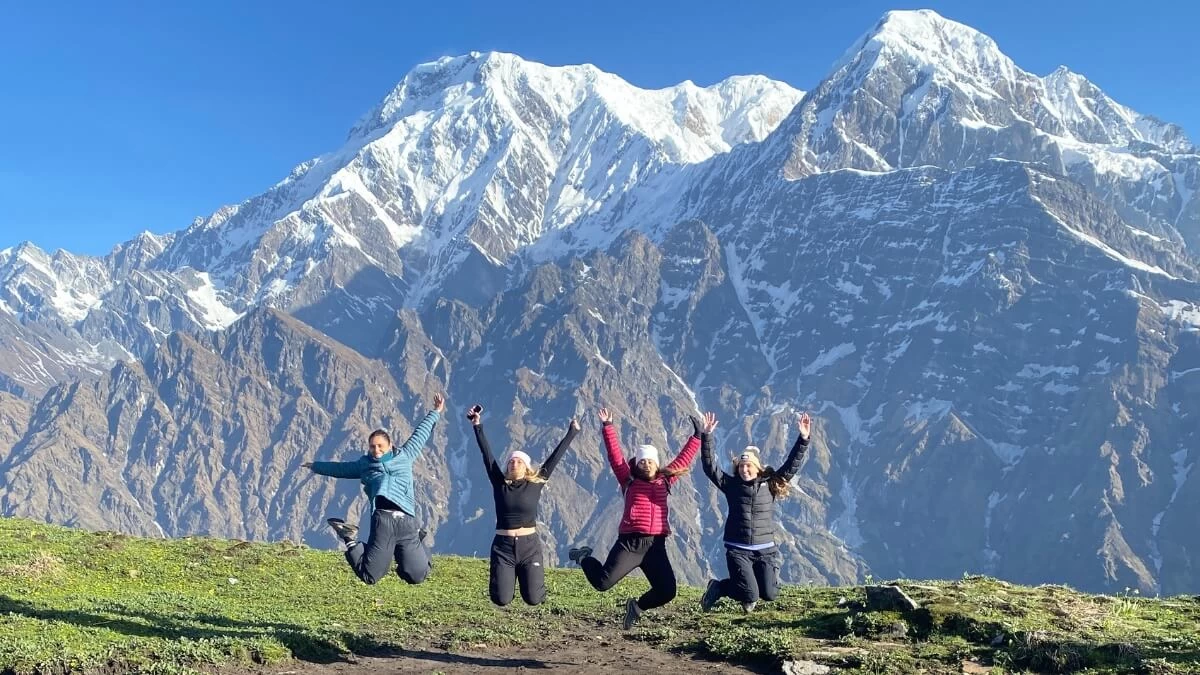
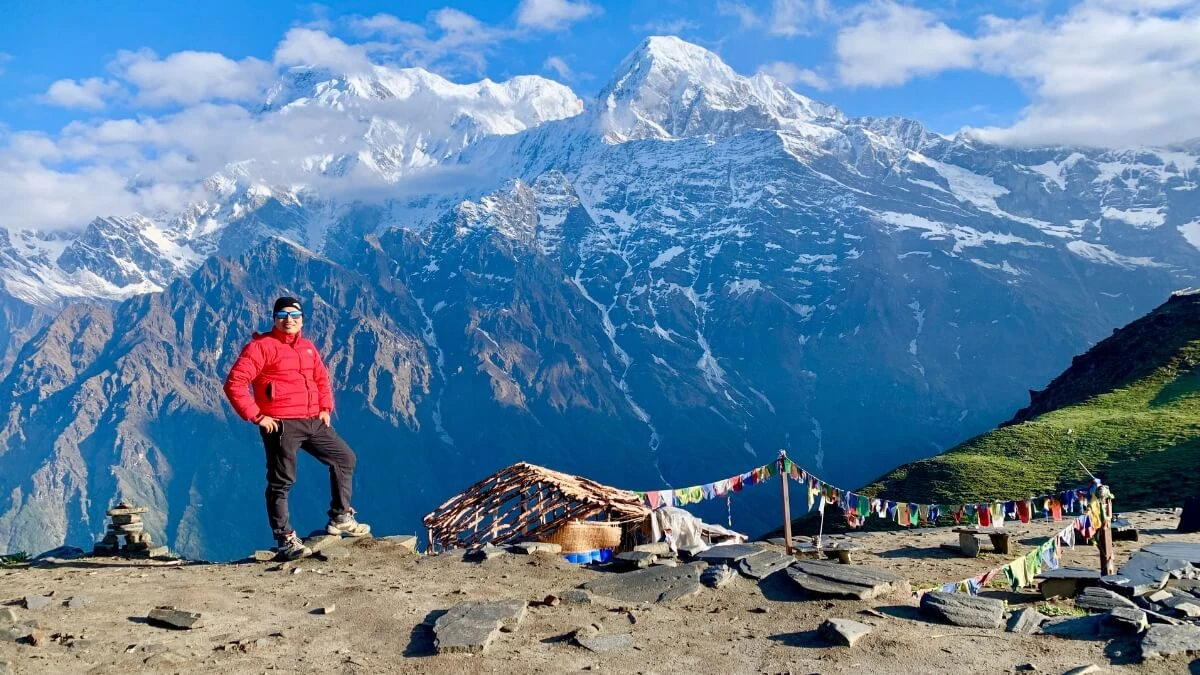





 Dipendra Simkhada(DIPU)
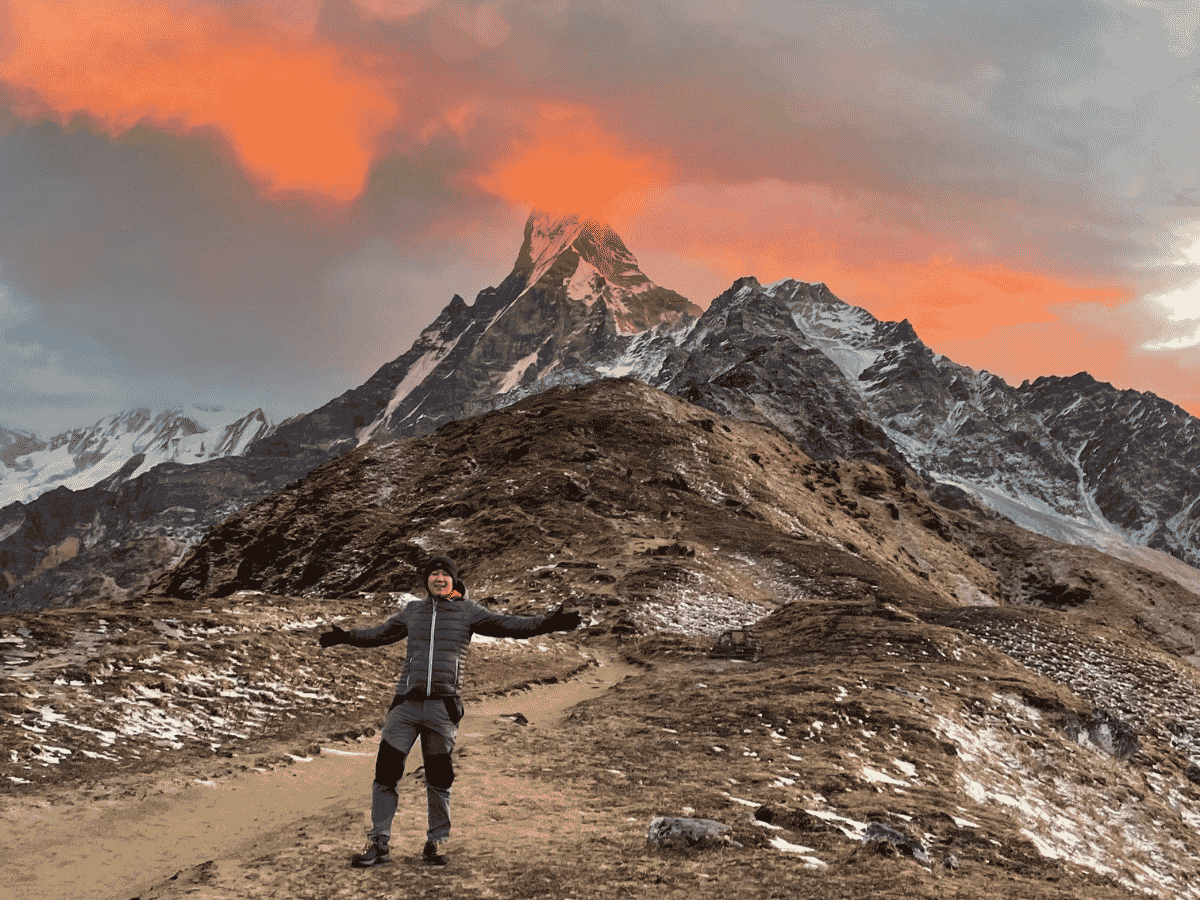
 Kisan Adhikari