Kailash Journey from Lhasa : A Complete Trip Plan 2026

tripadvisor120 reviews
google19 reviews
Kailash Journey Via Lhasa
Kailash Mansarovar Journey Via Lhasa
  • Duration 17 Days
  • Trip Grade Strenuous

    The strenuous grade is both moderate and difficult. Even in this grade, treks reach around 5000-5500 meters. You walk generally 6-7 hours every day. Strenuous treks require good physical condition and acclimatization. if some problems appear, you have to walk down and take some hot drinks or soup. You may get affected fast if you have high blood pressure, asthma, heart disease or complicated medical conditions.

  • Country Tibet
  • Maximum Altitude 5643
  • Group Size 20+
  • Starts Kathmandu
  • Ends Kathmandu
  • Activities Tours and Trek
  • Best Time May- Early October

The Kailash Mansarovar Tour via Lhasa has become increasingly popular among pilgrims and travelers these days who are seeking for a spiritually enriching journey which is combined with cultural exploration in Tibet. However, this Kailash pilgrimage journey requires a careful planning, as the journey involves high altitude travel, overland road routes, and the organized itineraries. While many travelers or pilgrims are aware of flights from Kathmandu to Lhasa and sightseeing options like the Potala Palace, Jokhang Temple, and Barkhor Market, the Lhasa to Kailash overland route still demands proper acclimatization, logistical preparation, and adherence to travel regulations. Understanding the Kailash route, road conditions, and the essential support measures is the important factor for a safe and fulfilling experience for Kailash Tour via Lhasa.

For pilgrims who proceed towards Lake Mansarovar and Darchen, the Kailash Mansarovar Yatra enters its most sacred phase which is also known as the Kailash Parikrama (kora) around Mount Kailash. This section spans for around 3 days, which includes challenging sections such as the Dolma La Pass trek, and the spiritual highlights landscapes which is revered by Hindu, Buddhist, and Jain traditions. Travelers must rely on the organized and Best Kailash Mansarovar via Lasha Package, that includes comfortable accommodation, hygienic meals, required permits, and experienced guides. While the journey is best undertaken from April to October, pilgrims must also be aware of for necessary Tibet travel permits and acclimatization in Kailash Journey, which are critical for managing altitude and ensuring a smooth Kailash Circuit Trek from Lhasa.

Why to choose Lhasa to Mount Kailash and Mansarovar overland package?

Choosing the Kailash tour with Lhasa means it will be a shorter and smoother journey from Nepal. As travelers will take a direct flight from Kathmandu, it avoids long and tiring road travel while letting you to arrive quickly into the heart of Tibet. The Kailash Mansarovar Tour via Lhasa allows the body to adjust to altitude naturally while allowing you to enjoy Lhasa sightseeing before heading towards west. This Lhasa to Mount Kailash Tour feels organized, unhurried, and well-paced, which offers both spiritual focus and the physical ease from the very beginning.

For many pilgrims, the Mount Kailash Mansarovar Yatra via Lhasa is preferred route because it reduces the road fatigue while keeping the journey meaningful. Flying to Lhasa first and then following the Kailash Mansarovar via Lhasa route creates a balanced transition for travelers from city comfort to the sacred remote wilderness. This Kailash Mansarovar Package blends efficiency with the devotion, which makes the Lhasa Mansarovar Kailash Yatra a good choice for travelers and pilgrims who are seeking for a shorter, calmer, and the more rewarding path to Kailash Mansarovar holy land.

Major highlights on Lhasa Mansarovar Kailash Yatra

  • Enjoy a scenic flight from Kathmandu to Lhasa which offers breathtaking Himalayan views while significantly shortening the journey and making the Kailash Tour via Lhasa smooth, comfortable and well places from the very beginning.
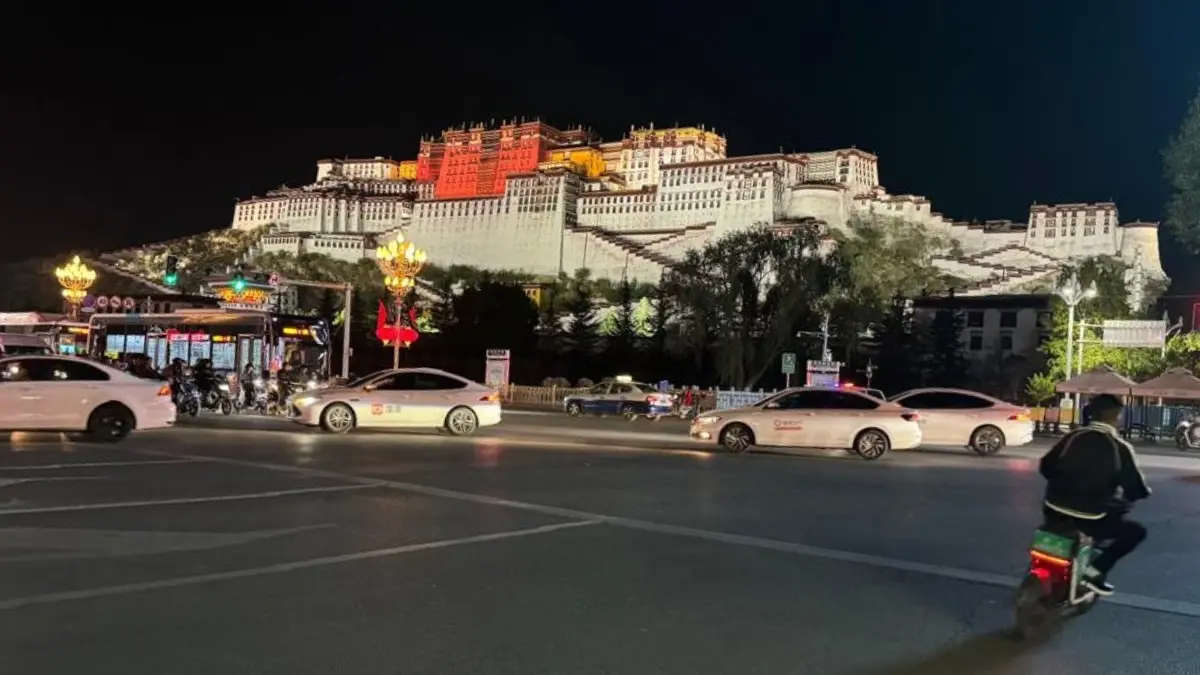
  • Beginning the journey in sacred Lhasa while exploring the key landmarks like Potala Palace and Jokhang Temple, where Tibetan Buddhism, prayer chants, and the ancient architecture gently prepares your both body and mind for the spiritual depth of the Kailash Mansarovar Yatra.
  • Walk through Barkhor Street and local markets while observing the daily devotion, spinning prayer wheels, and quiet rituals which reflect the living culture of Tibet before the overland journey toward Mount Kailash Yatra begins.
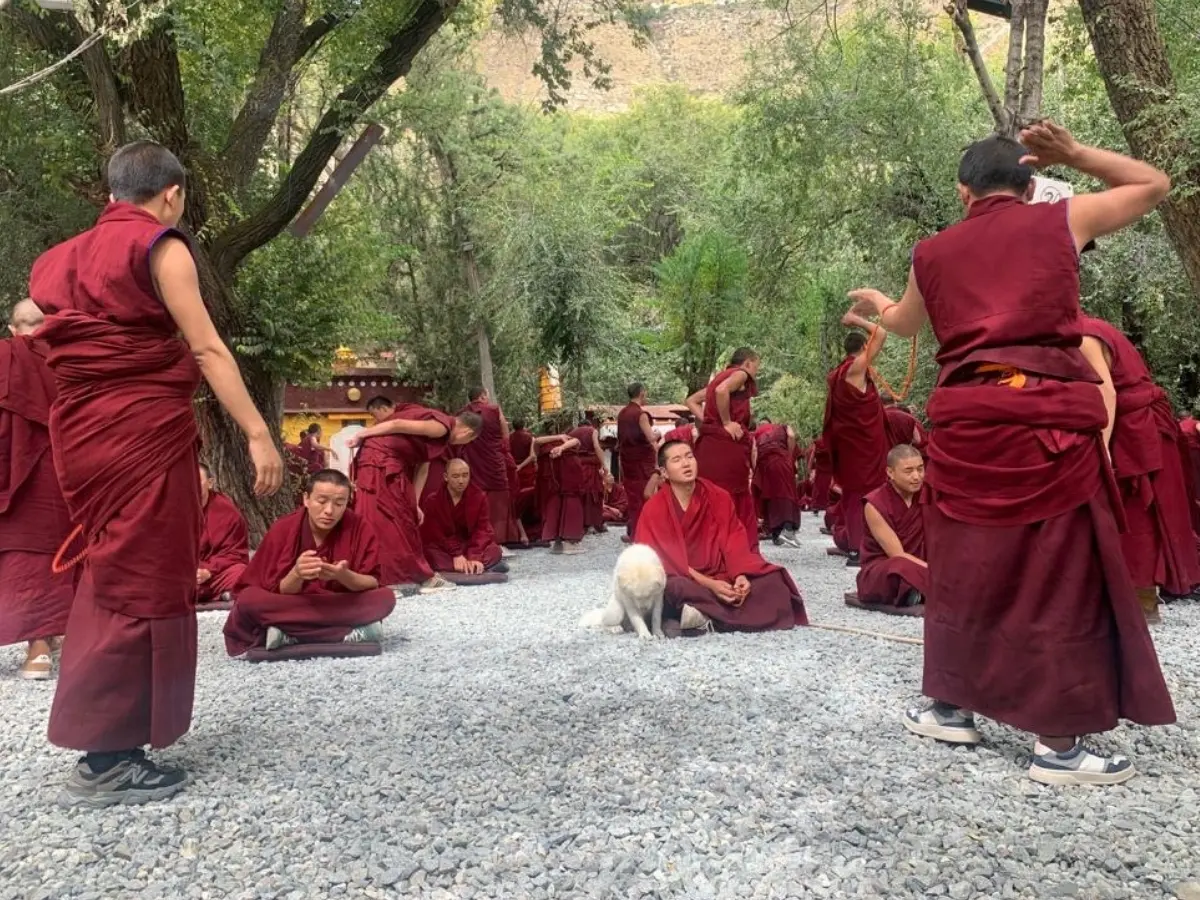
  • Visit important monasteries in Lhasa and Shigatse like Drepung, Norbulingka, Tashilhunpo monastery and Sera Monastery, where ancient learning centers, prayer halls, monastic life, cultural richness and the historical depth to the overall Lhasa Kailash Mansarovar trip.
  • Drive across the vast Tibetan plateau and alpine lakes like Yamdrok and Mansarovar, where open skies, prayer flags, and the endless horizons define the peaceful rhythm of the Lhasa to Mount Kailash and Mansarovar overland route.
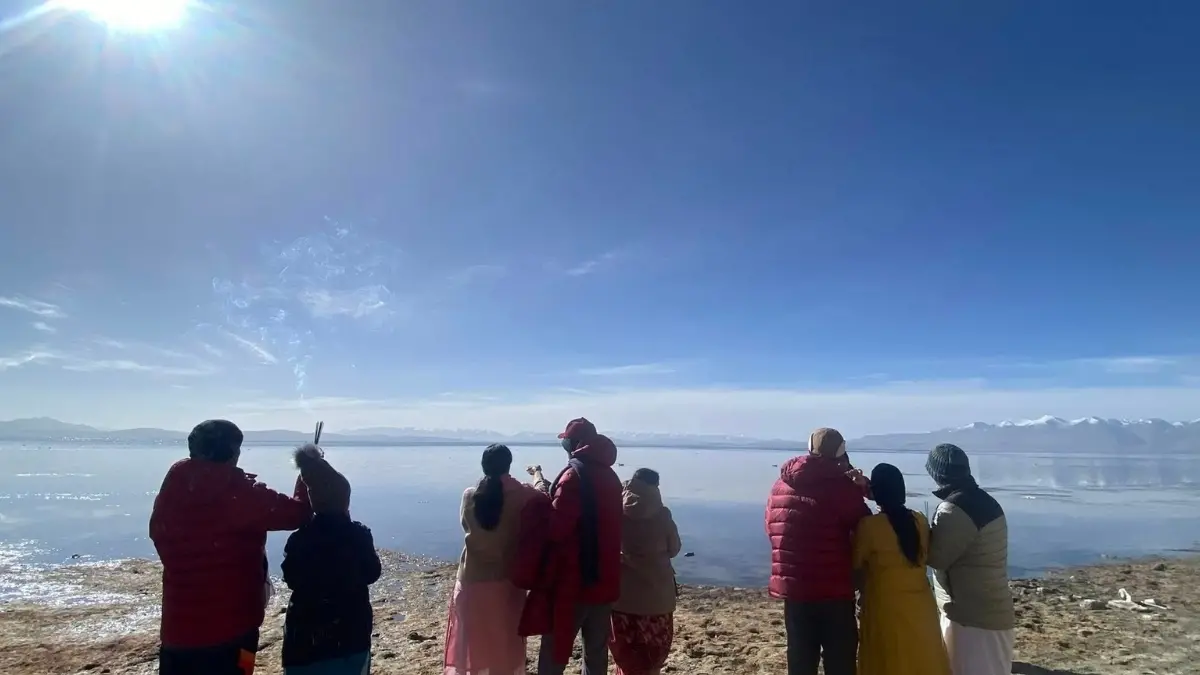
  • Experience the spiritual serenity of Holy Lake Mansarovar, while observing and performing prayers, rituals, and the holy dips along its calm shores while absorbing the calmness that surrounds one of the most sacred lakes in the world.
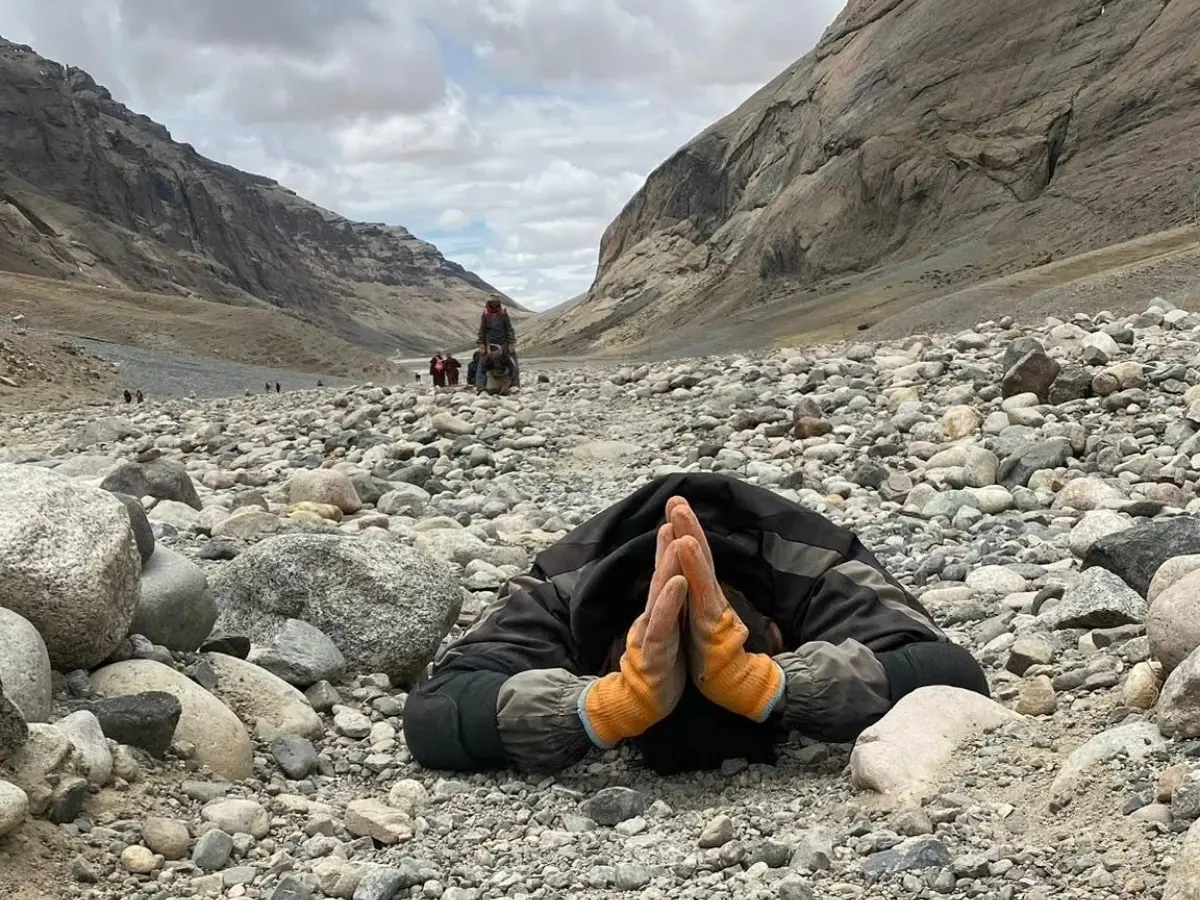
  • Undertake the three-day Mount Kailash Parikrama (kora), which is a deeply personal and symbolic walk around the sacred peak, where each step brings travelers or pilgrims a reflection, humility, and the spiritual connection during your Kailash Mansarovar Yatra Tibet.
  • Cross the high Dolma La Pass (5,630 meters) during the kora, which is one of the powerful and the emotional moment of the pilgrimage, which offers sweeping views and a sense of quiet accomplishment on the sacred Kailash Mansarovar via Lhasa route.
  • Travel back to Kathmandu via the Kyirung Nepal Tibet border, where the dramatic Tibetan plateau gradually gives way to lush green valleys and dense forests of Nepal with breathtaking landscapes, flowing rivers and terraced hills.
Best season for Kailash Mansarovar tour via Lhasa

The best season for Kailash Mansarovar Tour via Lhasa is considered from May to September, as conditions of the weather in these seasons are stable and roads along the Lhasa to Kailash overland route are fully accessible. During this period, pilgrims can enjoy clear skies, comfortable temperatures, and the safer travel for the Mount Kailash Mansarovar Yatra via Lhasa. This season is ideal for Lhasa sightseeing and Kailash Yatra, which helps with smoother acclimatization, and a well-paced Kailash tour with Lhasa, including monastery visits, passes, lakes and and high-altitude travel.

Summer months are especially favorable for the Lake Mansarovar pilgrimage and the sacred Kailash Parikrama (kora) via Darchen, Dirapuk and Zuthulpuk. The Kailash Dolma La Pass trek which is at an altitude of 5,630 meters is the safest during this time, with minimal snow fall and the better trail conditions. Whether choosing a Best Kailash Mansarovar via Lasha Package or a Kailash Mansarovar tour from Kathmandu via Lhasa flights, this season offers the best balance of weather, accessibility, and spiritual comfort for the Kailash Mansarovar Yatra Tibet.

Kailash Journey from Lhasa : A Complete Trip Plan 2026 Itinerary

Expand allCollapse all
Starts from:KathmanduEnds at:Kathmandu

The first week of the journey is designed to allow ample to travelers for obtaining the Tibet travel permit for Kailash and completing all necessary visa formalities for the Kailash Mansarovar Tour from Kathmandu via Lhasa. Staying in Kathmandu provides a gentle start to Kailash Journey, which lets travelers to relax and enjoy light excursion tours in Nepal. This period serves as the peaceful introduction to the Mount Kailash Mansarovar Yatra via Lhasa, which helps the body and mind to gradually adapt before we dive into the Lhasa to Mount Kailash Tour.
During these preparatory days, travelers can enjoy exploring UNESCO world heritage site or optional short trips within Nepal, such as visiting Pokhara, Chitwan for a jeep safari, Muktinath, or culturally rich towns like Janakpur and Lumbini. These excursion tours support both physical acclimatization and spiritual readiness for the Kailash Mansarovar Yatra Tibet. Nepal’s ancient temples, rituals, spiritual atmosphere and serene beauties introduce pilgrims to the patience, discipline, and mindfulness which is needed for the Mt Kailash and Mansarovar Tour Lhasa and the sacred Holy Lake Mansarovar tour.

This morning, we will take a scenic flight from Kathmandu to Lhasa on our Kailash to Lhasa Flight Kailash Tour which lasts approximately one hour and twenty minutes. On flight, travelers can witness spectacular views of the Himalayan ranges which provides a perfect introduction to the sacred landscapes of Tibet. Upon arrival at Lhasa, you will be transferred into the hotel, marking as the beginning of the Kailash Mansarovar Tour via Lhasa and the start of the Lhasa Mansarovar Kailash Yatra.

After settling in, it is the rest or acclimatization day as the altitude gain from Kathmandu (1,324 meters) to Lhasa (3,700 meters) is significant. So, enough resting, hydrating well and enjoying warm beverages at Lhasa is crucial, as it prepares us for the high-altitude travel. Some travelers might feel minor discomfort which is really normal and consulting with your guide before taking any medication is very important. In the evening, you can explore nearby markets and soak yourself into the local culture, as it gently prepares your mind and body for the Lhasa to Mount Kailash Tour and the upcoming Mount Kailash Mansarovar Yatra via Lhasa.

The 8th day of the Kailash Mansarovar Tour from Kathmandu via Lhasa is fully for Lhasa sightseeing + Kailash Yatra experience. Today, we will explore the Lhasa’s most sacred and the important cultural landmarks which includes Potala Palace, Jokhang Temple, Barkhor Market, Sera Monastery, Norbulingka and the Drepung Monastery. This Lhasa sightseeing day adds meaningful depth to our Lhasa to Mount Kailash Tour before continuing the sacred journey.

These historic sites showcase the richness of an ancient Tibetan architectures, art, spiritual beliefs and the monastic traditions, which offers a valuable insight into the Tibetan culture and daily religious practices. Learning this Tibetan culture enhances the spiritual preparation for our Mount Kailash Mansarovar Yatra via Lhasa. After completing sightseeing at Lhasa, we will return to our hotel and spend the remaining time for proper resting and acclimatizing as we will be traveling at higher altitudes for next few days.

Today, the Lhasa to Mount Kailash Tour begins its overland journey along the Kailash Mansarovar via Lhasa route. We will drive through the vast Tibetan plateau, serene landscapes, fluttering prayer flags, high passes and awe-inspiring turquoise lake Yamdrok. The drive crosses high mountain passes, which includes Kamba La (4,794 meters) and Karo La (5,034 meters), and stunning breathtaking views of glaciers and snow-capped peaks. This scenic route is one of the unforgettable parts of your Mount Kailash Mansarovar Yatra via Lhasa, allowing for gradual Kailash Mansarovar altitude & acclimatization.

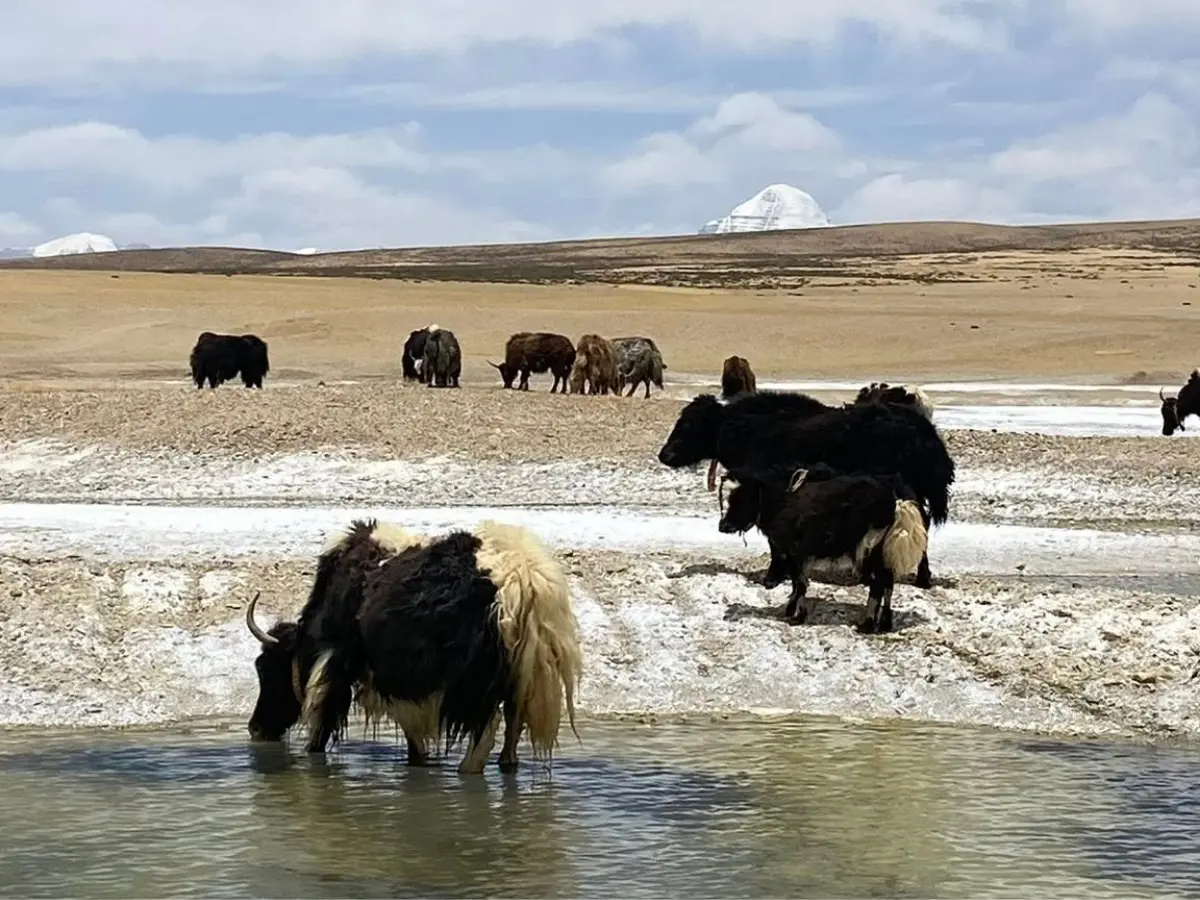
After descending from the passes, the Kailash tour with Lhasa continues to Gyantse, where the historic Pelkor Chode Monastery welcome us. Travelers witness the rich Tibetan culture, grazing yaks, and expansive valleys along the Shigatse Lhasa Mansarovar route. Arriving in Shigatse, its time to explore the magnificent Tashilhunpo Monastery, which is home to the famous Panchen Lama. This day marks as the first significant step on your Mt Kailash and Mansarovar Tour Lhasa, which blends spiritual immersion with the stunning natural beauty of Tibet on the Lhasa to Kailash overland route.

Today, we will continue our Lhasa to Mount Kailash Tour continues along the scenic drive towards Shigatse Saga Mansarovar route. The distance between Shigatse and Saga is roughly about 250-300 km which takes about 6-8 hours road drive. Upon leaving Shigatse, the drive crosses several high mountain passes which includes Tong La pass (5,100 meters) too and offers sweeping views of the vast Tibetan Plateau. Travelers will pass traditional villages, expansive plains and the turquoise rivers like Yarlung Tsangpo also known as Brahmaputra. These breathtaking sceneries helps to create the perfect backdrop for spiritual reflection on your Mount Kailash Mansarovar Yatra via Lhasa. This drive also allows pilgrims or travelers a gradual Kailash Mansarovar altitude and acclimatization.

Along the way we will stop in Lhatse for lunch before continuing our Mount Kailash Holy Pilgrimage Journey towards Saga and crossing the Gyatchu La Pass (5,220 meters). We can also witness beautiful alpine Pekutso Lake, and the distant Himalayan peaks including Mount Kailash and Everest. Saga town, also known as the “Happy Land” offers travelers an enough time to explore local sites like Saga Monastery and natural hot springs while providing enough rest and preparation for the upcoming Holy Lake Mansarovar Tour and the Kailash Outer Circuit Trek.

Today involves a long yet most rewarding drive of approximately 450–510 km which takes about 8-9 hours as we travel along the sacred Saga to Mansarovar road trip, which is a key section of the Kailash Mansarovar Tour via Lhasa. Departing from Saga, the route passes through the scenic Saga Valley, Zhongba, and the Paryang, where vast plains, alpine pastures, and the remote Tibetan settlements comes into scene. After a while we will cross, the high Mayum La Pass (5,200 meters), and the journey enters into the Ngari Plateau, while deepening the spiritual atmosphere of the Mount Kailash Mansarovar Yatra via Lhasa.

Descending from the pass, the serene waters of Holy Lake Mansarovar come into view, which is framed by Mount Kailash and Gurla Mandhata, with nearby Rakshas Tal adding dramatic contrast. This is one of the most spectacular views of the Kailash Mansarovar Yatra. Upon arriving at Mansarovar Lake (4,590 meters), the remainder of the day is dedicated to prayers, rituals, and the quiet reflection along the turquoise Mansarovar lake’s sacred shores as part of the Lake Mansarovar pilgrimage. This moment forms a spiritual high point of the Kailash Mansarovar Yatra Tibet, while preparing pilgrims for the upcoming Mount Kailash 52 Km Parikrama (kora).

We will begin our day early at Holy Lake Mansarovar, by taking time to absorb its calm spiritual energy and performing rituals before continuing your Kailash Mansarovar Tour via Lhasa. After having breakfast, if time permits, we will visit some sites such as Chiu Monastery and Rakshas Tal. And then, the short drive of approximately 40–50 km which takes about 1.5 to 2 hours across the high-altitude plateau takes us towards Darchen and gradually brings us closer to Mount Kailash, which marks as an important transition in the Mount Kailash Mansarovar Yatra via Lhasa.

Darchen, located at an altitude of 4,675 meters is a small settlement at the base of Mount Kailash. Upon arriving at Darchen, the remaining day is for good rest and preparation, as we will begin our first trekking day tomorrow. As it is the official starting point of the Kailash Parikrama (kora), Darchen offers an enough time for travelers or pilgrims to recover, organize gear, and adjust with the high altitude. This quiet pause is very important to minimize altitude sickness risk during Kailash Mansarovar via Lhasa Package, that allows pilgrims to mentally and physically prepare for the first sacred Kailash Circuit Trek from Lhasa starting tomorrow.

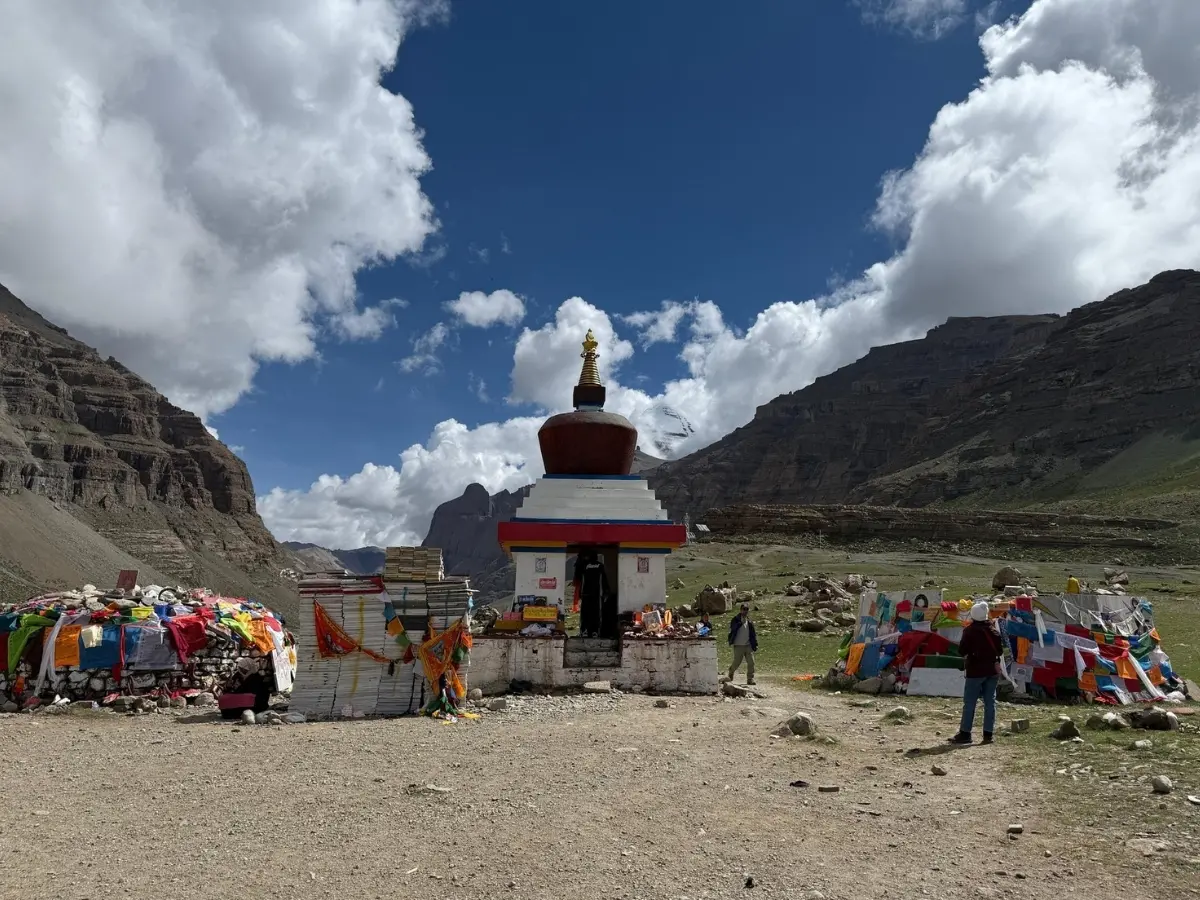
Today marks the beginning of the sacred Kailash Parikrama (kora), the spiritual heart of the Kailash Mansarovar Yatra via Lhasa. After a short drive of about 6 km from Darchen to Yam Dwar, the official gateway to Mount Kailash, pilgrims start the walk toward Dirapuk. The trail follows the Lha-chu Valley with a steady ascent over rocky terrain, fluttering prayer flags, and the monasteries, which offers the first close views of Mount Kailash during our Holy Mount Kailash tour from Lhasa.

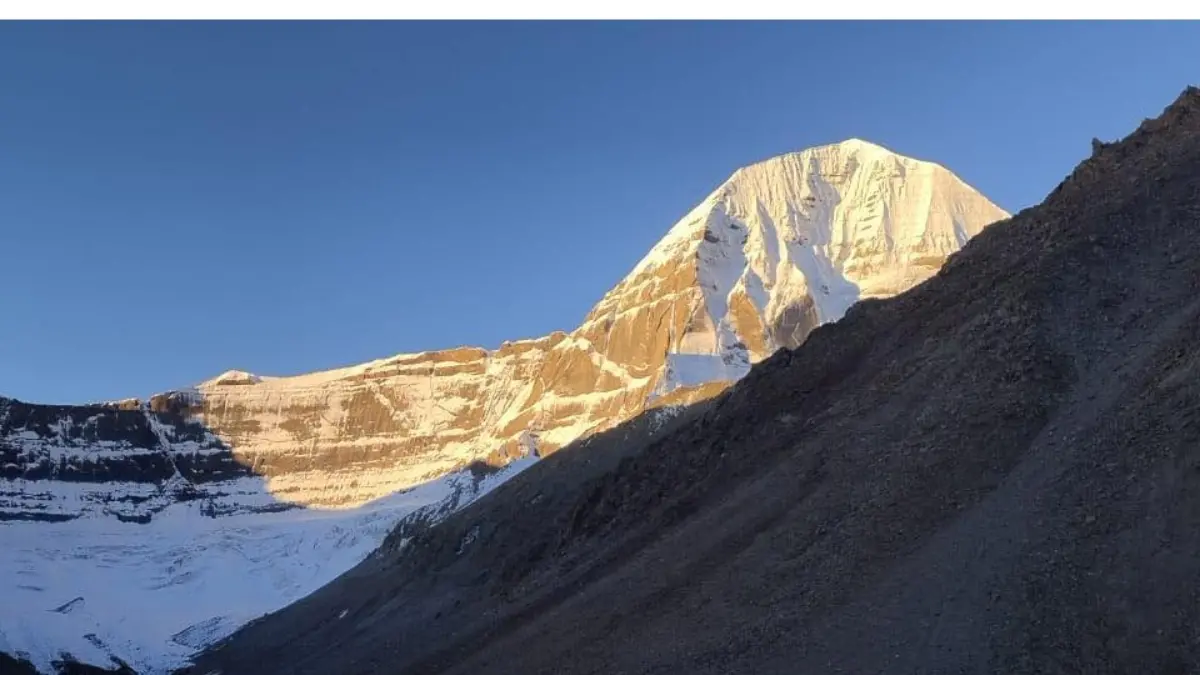
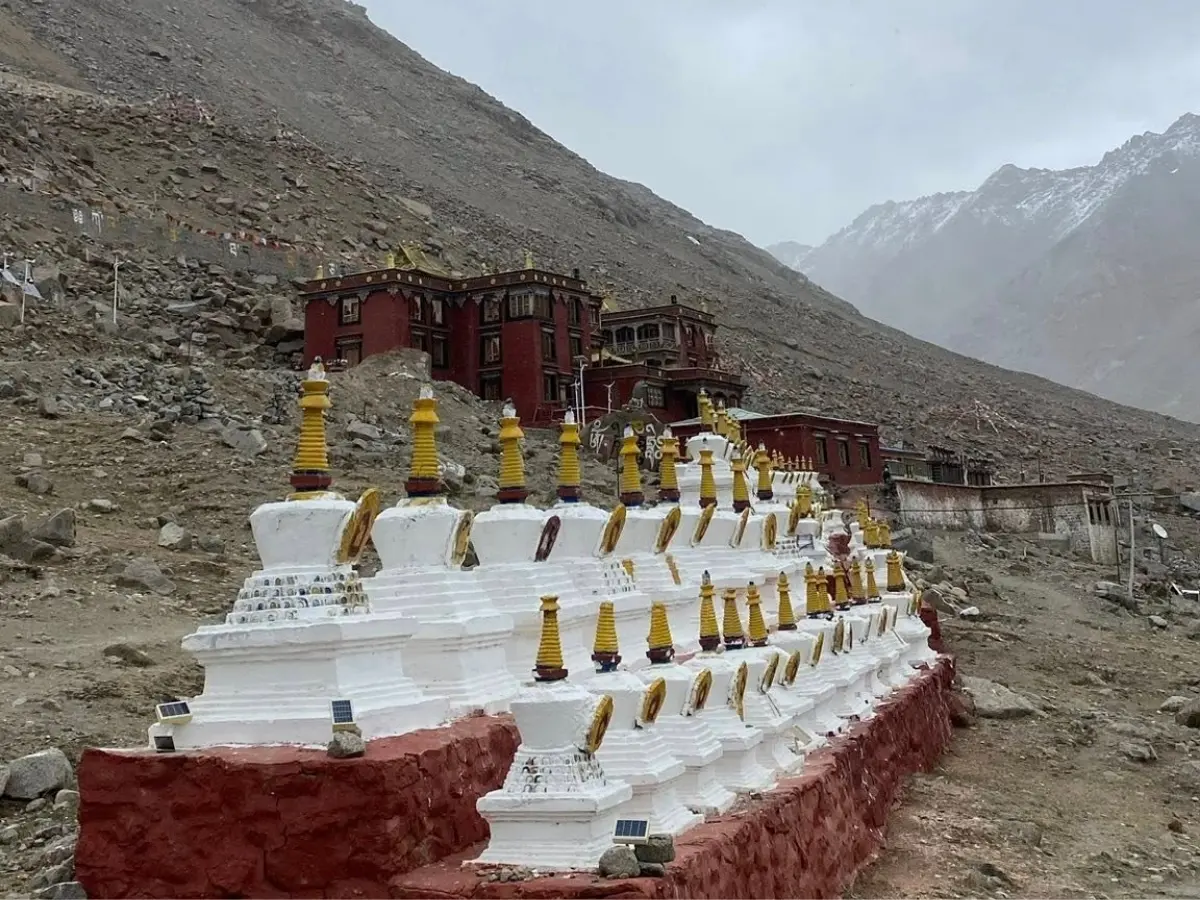
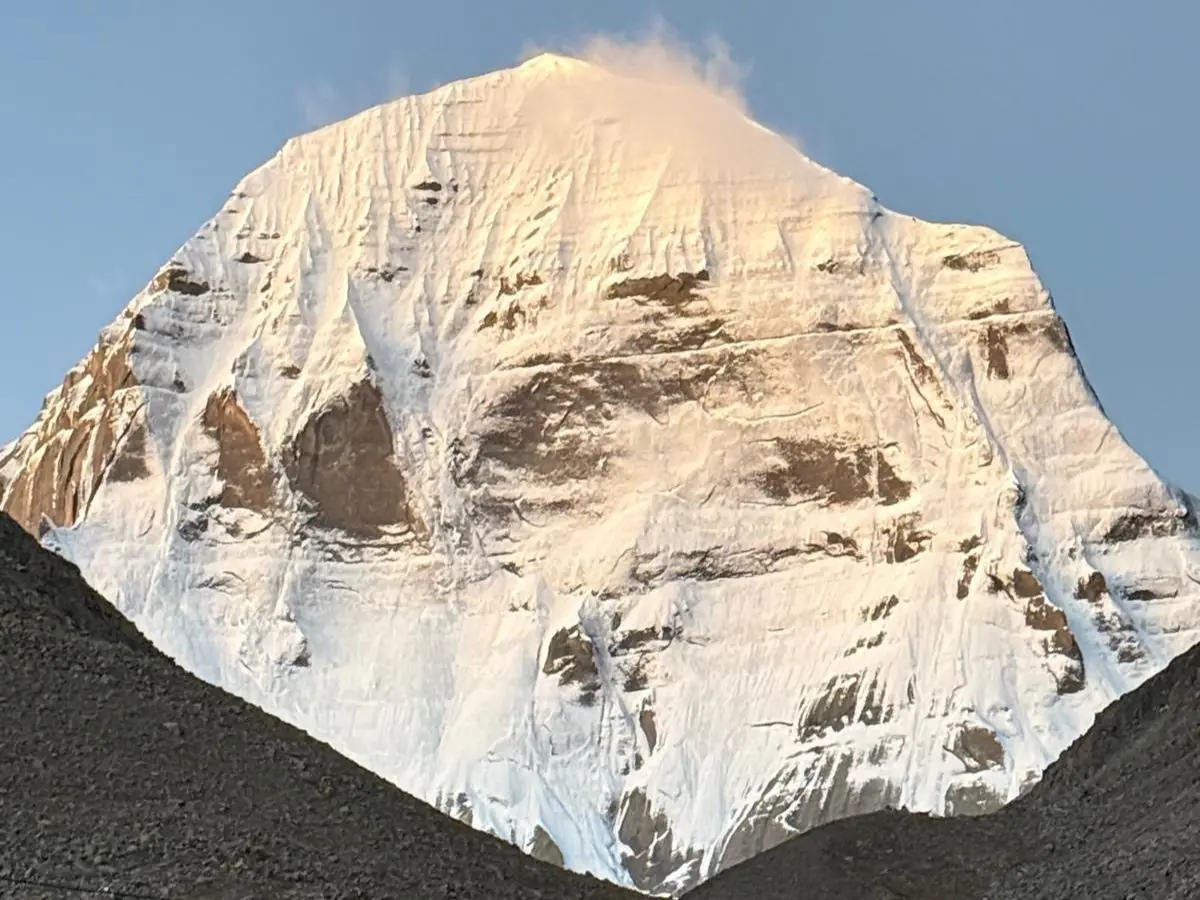
The first day of Mount Kailash Parikrama covers approximately 12–15 km and usually takes about 5–7 hours, allowing an enough time for rest, which is good for Kailash Mansarovar altitude & the acclimatization. Upon reaching Dirapuk, it’s time to visit the historic Dirapuk Monastery which is situated at an altitude of 5,080 meters, where the majestic north face of Mount Kailash dominates the entire skyline. This powerful viewpoint is one of the most inspiring moments during Kailash Circuit Trek from Lhasa. We will spend the night at a simple guesthouse, by reflecting on the journey as we prepare for the most challenging day of the Kailash Mansarovar Yatra Tibet tomorrow.

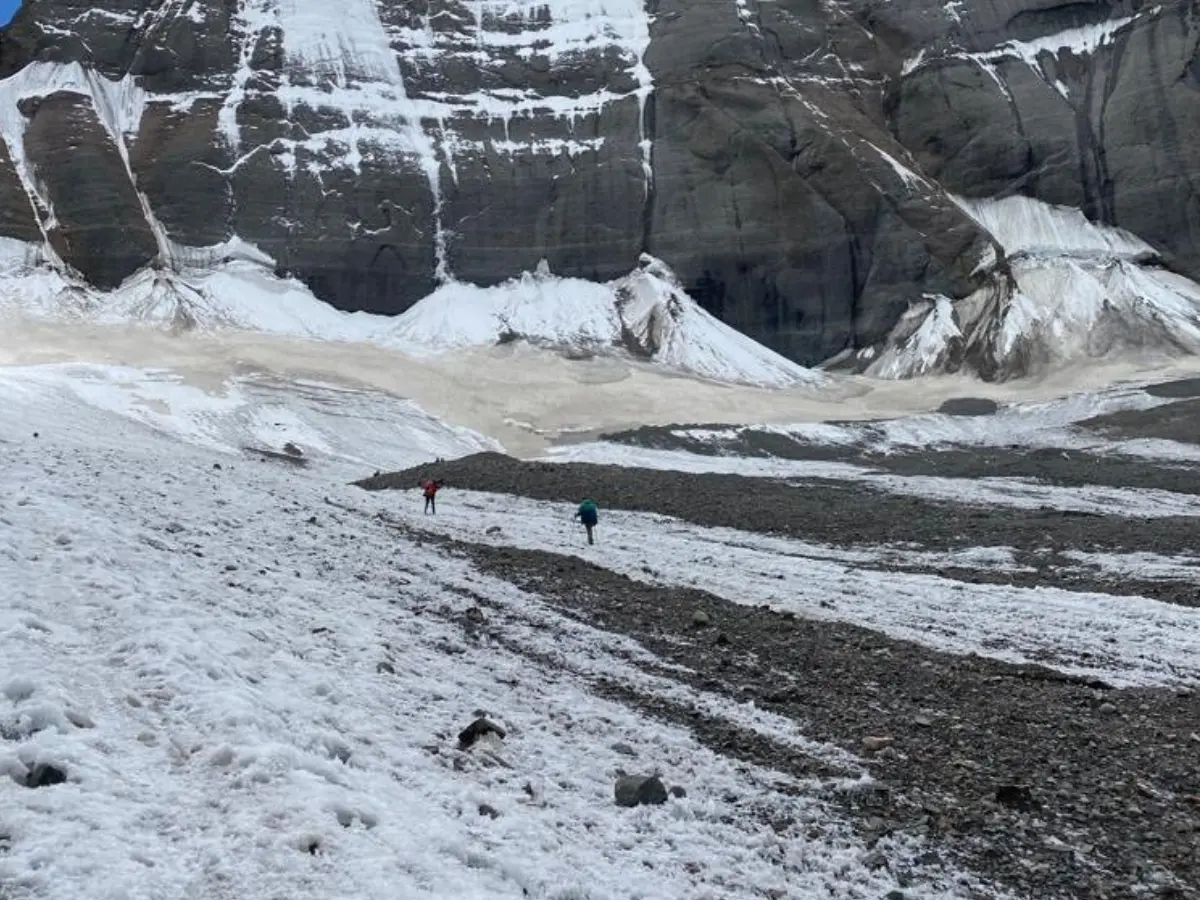
Second day of the sacred Kailash Parikrama (Kora) is the most challenging yet deeply meaningful day of the Kailash Mansarovar Tour via Lhasa. After having breakfast early, we will depart from Dirapuk and the journey gradually ascends through Jarok Donkhang towards Shiva Tsal where pilgrims spend some time here to leave symbolic offerings which is believed to release the past karmas. This section of the Dirapuk Zuthulpuk trek carries the strong spiritual intensity while testing the pilgrim’s endurance along the Kailash Circuit Trek from Lhasa.

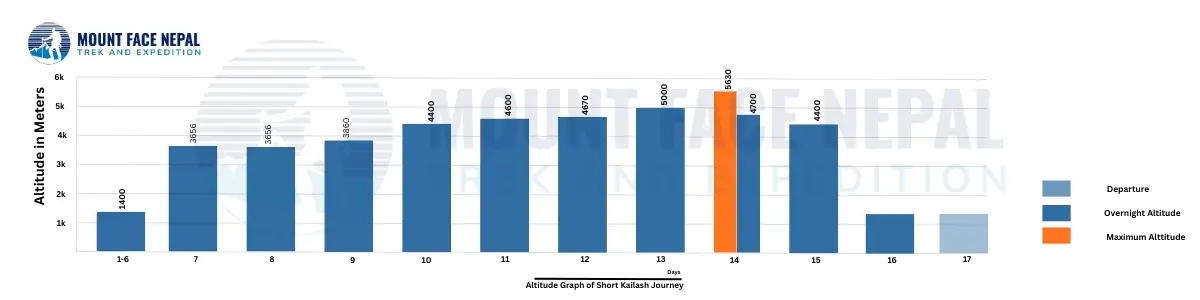
From Shiva Tsal, the steady climb continues towards the Dolma La Pass (5,630 meters) which is the highest point and the toughest section of the Mt Kailash and Mansarovar Tour Lhasa. After doing some prayers at the Dolma La Pass, we will descent towards the softer valley, which will take us to Zuthulpuk. Upon reaching Zuthulpuk, it marks as a powerful completion of today’s section of the Kailash tour via Lhasa, which blends physical challenge with spiritual rewards.

Today marks as the completion of the sacred Kailash Parikrama (Kora) during our Kailash Mansarovar Yatra via Lhasa. From Zuthulpuk, the trail gently descends towards the Chong Do, along the peaceful Dzong Chu Valley, which offers a calm and reflective 3-4 hours walk. After reaching Chong Do, the terrain opens into wide plains, and pilgrims or travelers officially complete the holy circuit of Mount Kailash which is a deeply fulfilling moment of the Kailash Circuit Trek from Lhasa while completing an important phase of the Mount Kailash holy pilgrimage journey.

Upon reaching Chongdo, we will take an eco van drive back towards Darchen. From Darchen, it will be a long yet scenic drive of about 500 kms across the vast Tibetan plateau that takes us back to Saga. This return journey through the Kailash Mansarovar via Lhasa route allows travelers or pilgrims to gently settle as we are descending towards lower altitudes while bringing a meaningful closure to the Kailash Mansarovar Trekking and Parikrama from Lhasa as we will be returning to Kathmandu, Nepal tomorrow.

Today is the last day of the journey in Tibet land. After having breakfast we will have long yet reflective road drive as we depart from Saga and begin our return journey towards Kathmandu. This long road journey from Saga to Kathmandu takes about 10-12 hours and marks as the final day of the sacred Kailash Mansarovar Yatra via Lhasa, while passing once again through the vast Tibetan plateau and the border landscapes.

Crossing back toward Nepal from Tibet, the sceneries gradually shift from high altitude desert like environment to greener valleys, lush forests and rivers. This final drive of the tour completes the Kailash Mansarovar via Lhasa route, that connects the physical journey back to everyday life.

On the final day of your Kailash Mansarovar via Lhasa Package, our Mountface Nepal representatives will collect you from your hotel and then take you to the Tribhuvan International Airport. As you leave from Nepal, the profound experiences of your 17-day Kailash Mansarovar Tour via Lhasa itinerary makes you feel a deep sense of achievement and contentment. There will be numerous life lasting memories from your Kailash tour which includes the ancient monasteries, Kailash Parikrama (Kora), sacred landscapes, the Holy Lake Mansarovar and more.

Flying back to your home country, you not just carry the unforgettable memories but also a transformative experience of the Kailash Mansarovar Yatra Tibet, which reflects the spiritual insights, endurance and the devotion of pilgrimage. The Kailash tour with Lhasa leaves you an everlasting imprint that blends physical challenge with your inner growth. This farewell marks the meaningful conclusion of the Mt Kailash and Mansarovar Tour Lhasa, which allows travelers and pilgrims to return home with a renewed perspective, peace and a deeper connection to the sacred Kailash journey.

Customize Your Perfect Trip

Mount Face Nepal Experts offers personalized trekking and tours in the Himalayas. Experience unique, safe, and expertly planned adventures tailored perfectly to your style and preferences.

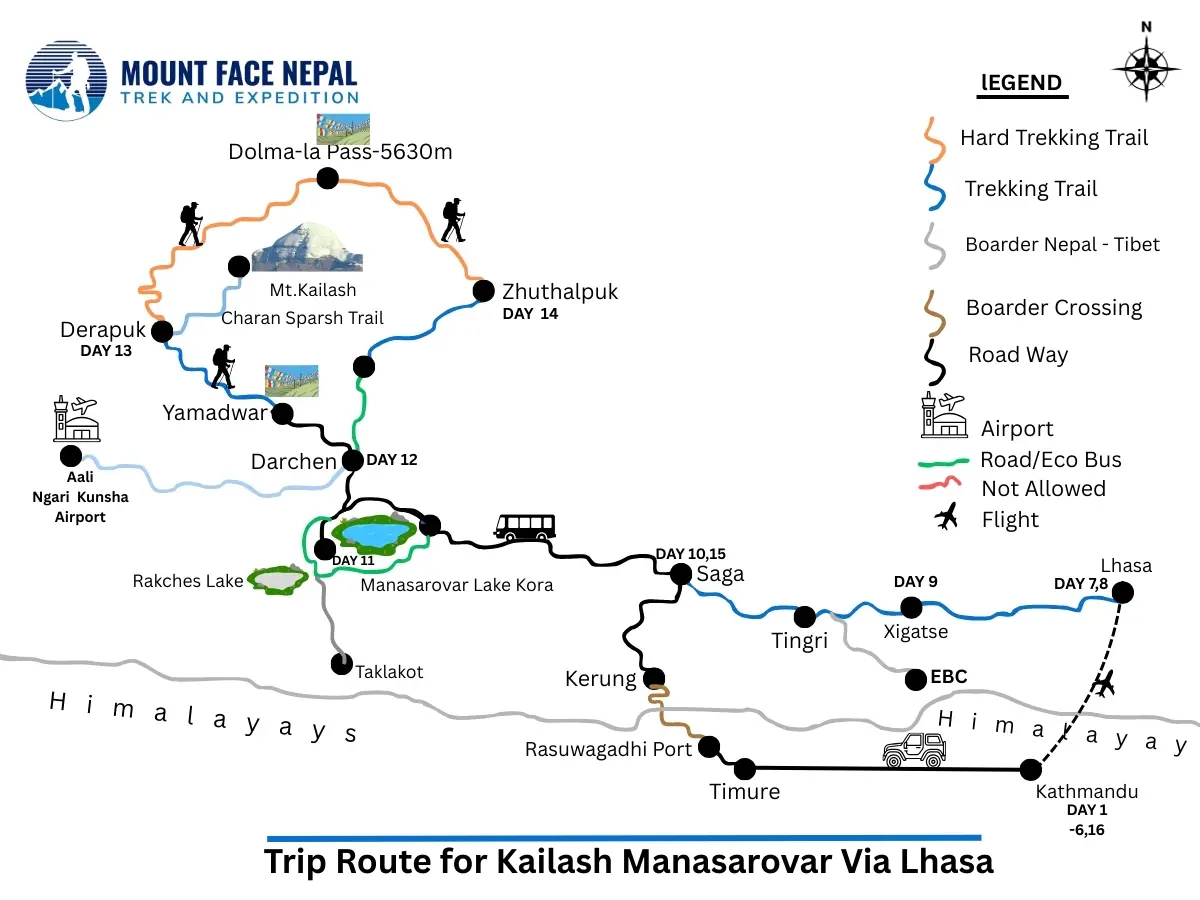
Route Map

Trip Route for Kailash Manasarover Via Lhasa

Altitude Chart

Altitude Graph For Kailash Journey Via Lhasa

Dates and Availability

Select Departure Date
Displaying April Departure Dates
Start - End Date
Apr 24 - May 10, 2026
Status
GuaranteedDM
Price
US$0

The itinerary for the Kailash Manasarovaar Lake Via Lhasa  is well planned, but weather, changes on the trail, or unexpected events could cause changes. Adjustments will be made by our guide throughout the experience to protect you and give you the best time. .

Arrival in KathmanduVisa Apply DateDeparture Date
17th April 202619th April 202624th April 2026
17th May 202618th May 202625th May 2026(Saga Dawa)
07th June 202608th June 202612th June 2026
21th June 202622th June 202626th June 2026
05th July 20266th July 202610th July 2026
17th August 202618th August 202624nd August 2026(Full Moon Day)
30th August 202631 Sept. 202604th Sept.2026

Add-Ons & Options

Kailash Journey via Lhasa tour package inlcudes only Tibet and two travel day in Nepal. If you want to book hotel and explore Nepal during Visa Processing, Let us know at Advance.

Packing List for Kailash Journey from Lhasa : A Complete Trip Plan 2026

Packing List for Kailash Journey From Lhasa

Trekking Gear & Essentials

  • Daypack (30–35L) with rain cover- For Day Use (Carry a daily needy things).
  • Duffel Bag (up to 15kg) – Mount Face Nepal Provide it.
  • Sleeping Bag (rated to -15°C) – Blanket is Available but Sleeping Bag is much helpful.
  • Trekking Poles – It make comfortable to walk.
  • Headlamp with extra batteries – Helpful for Larkey La Pass and Nights
  • Water Bottles (2 x 1L) or hydration bladder: Water is back bone of Trekking
  • Water Purification – Mount Face Nepal will provide Water Purification Tablet
  • Sunglasses (UV protection): Very Important during Snowfall Condition

Clothing – Layered System

Adaptable to different weather conditions, from temperate to Alpine Zone.

Base Layers

  • Two to three Quick-dry trekking shirts
  • One- Two Thermal tops
  • One Thermal leggings

Insulating & Outer Layers

  • One Fleece jacket or softshell mid-layer
  • One Down jacket (medium too heavy for cold above 4,000m)
  • One Waterproof & windproof shell jacket (Gore-Tex or similar)
  • One Waterproof trekking pants or wind-resistant trousers

Trekking Bottoms & Accessories

  • Two Trekking trousers (1 light, 1 warm)
  • One Hiking shorts or convertible pants
  • Three-fourths moisture-wicking underwear
  • Three-four pairs of trekking socks (wool or synthetic)
  • One- Two Pairs of warm socks (for sleeping)
  • A Sun hat or cap
  • A Warm beanie or woolen hat
  • A Neck buff or gaiter
  • A Fleece glove (lightweight)
  • Insulated gloves or mittens (For Larkya La Pass Day)

Footwear

  • Trekking Boots – Recommended: waterproof, ankle-support, and well broken-in.
  • Camp Shoes/Sandals –Recommended for teahouse use and evenings.
  • Microspikes or crampons – Useful while snowing in the Himalaya.

Toiletries & Personal Care

  • Toothbrush & toothpaste
  • Biodegradable soap/shampoo
  • Small quick-dry towel
  • Sunscreen (SPF 30+)
  • Lip balm with SPF
  • Wet wipes & hand sanitizer
  • Toilet paper (not provided in teahouses)
  • Nail clipper, small mirror, travel comb

First Aid & Medication

  • Personal prescription medications
  • Altitude sickness medication (e.g., Diamox)
  • Pain relievers
  • Anti-diarrheal
  • Oral rehydration salts
  • Blister
  • Basic first aid kit (band-aids, antiseptic cream, gauze, tape)

Note: Please consult with Docter before purchasing any kind of medicine.

Documents & Electronics

  • Valid passport + 2 photocopies.
  • 2–4 Passport-size photos.

Travel insurance copy.

  • Cash(NPR – no ATMs after Soti Khola).
  • Mobile phone + charger.
  • Power bank (10,000–20,000 mAh recommended)
  • Universal power adapter
  • Optional: Solar charger, camera, journal

Optional Items

  • Lightweight gaiters (for snow/mud)
  • Sleeping bag liner (for warmth and hygiene)
  • Energy bars/nuts/chocolate
  • Small padlock (for duffel or teahouse doors)
  • Earplugs & eye mask
  • Lightweight book or e-reader
  • Trekking map or GPS app

Important Notes

  • Dress in layers: Days are warm, mornings and nights are cold.
  • Electricity and Wi-Fi are limited above Samagaun – plan accordingly.
  • Stick to weight limits (porters carry 15kg max).
  • Avoid cotton – choose quick-dry, breathable, and insulating fabrics.
  • Do not carry any books, flag or any kind of things that are related Dalai Lama 

Essential Information

Food during the Kailash Mansarovar Yatra via Lhasa

Food during the Kailash Mansarovar Yatra via Lhasa contains a mix of Indian, Nepali and the Tibetan vegetarian dishes which includes Dal, Roti, Rice, Vegetable curries, Bread, Momos, Thukpa and Tsampa. On your Kailash Mansarovar via Lhasa Package, Mount Face Nepal provides breakfast at your hotel, while lunch and dinner are served at local restaurants till Saga along the Kailash route. From Saga we will have our own dedicated kitchen and cooking staff.

For your smooth and healthy Kailash Circuit Trek, carry energizing snacks such as nuts, dry fruits, chocolates and energy bars. Staying hydrated is crucial so drink enough water and carry boiled water. Eat small and frequent meals and focus on vegetarian options as it is easier to digest at higher altitudes.

Accommodation during Lhasa to Mount Kailash and Mansarovar overland package

During your Lhasa to Mount Kailash and Mansarovar overland package, Mountface Nepal arranges comfortable accommodation throughout the journey. In most of the places, you will be staying in three star categorized hotels with attached bathrooms, hot showers, heaters, and Wi-Fi.

However, for high altitude stops like Lake Mansarovar, Derapuk and Zuthulpuk, basic government houses or mud houses are arranged which are clean, well-managed and conveniently located near the Mount Kailash Parikrama (Kora) route. Combining these simple guesthouses with three-star hotels ensures your Kailash Circuit Trek from Lhasa is comfortable, authentic and spiritually rewarding.

What mountains be seen during Mount Kailash Mansarovar Yatra via Lhasa?

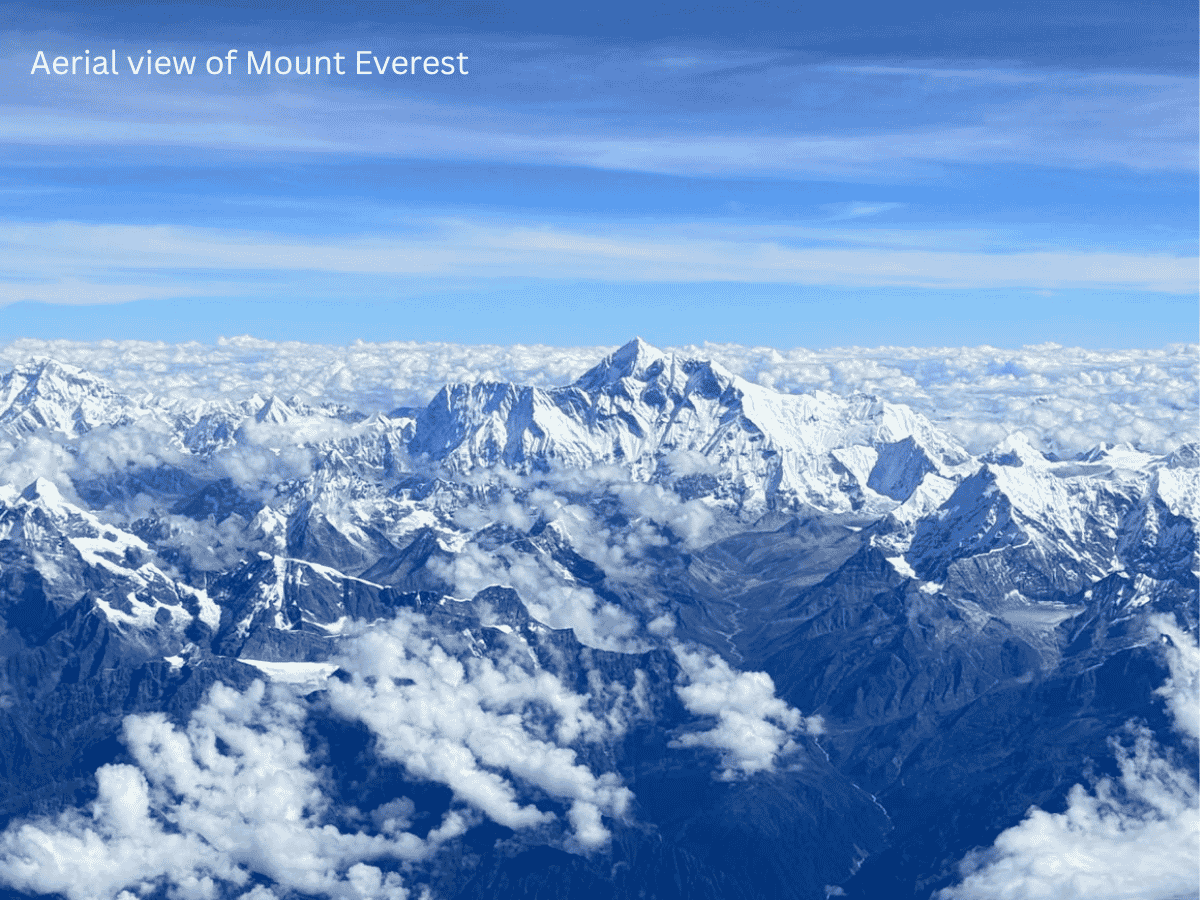
During the Mount Kailash Mansarovar yatra via Lhasa, travelers can witness sweeping views of Holy Mountain Kailash, nearby sacred peaks like Nandi Parvat, Om Parvat, Gurla Mandhata and distant Himalayan giants like Everest, Gaurishankar and Shishapangma.

These mountains enhance the spiritual journey during the Lhasa to Mount Kailash Tour where every view deepens the pilgrim’s experience, which makes the Kailash Mansarovar yatra Tibet an unforgettable holy journey.

What permits are required for Lhasa Kailash Mansarovar Trip?

The required permits for Lhasa Kailash Mansarovar Trip are China Group Visa, Tibet Travel Permit for Kailash (TTP), Military Permit and the Alien’s Travel Permit (ATP) for restricted areas like Darchen. All these permits are arranged by tour agencies like Mount Face Nepal as part of the Kailash Mansarovar Holy Pilgrimage with Permits.

Travelers or Pilgrims also must carry mandatory documents which includes valid passport, photos, medical fitness certificate and the travel insurance which covers high altitude trekking, medical expenses and emergency evacuation. These permits and documentation are essential for safe, fully legal and spiritually rewarding Mount Kailash Mansarovar Yatra via Lhasa.

Altitude Sickness Risk during Lhasa to Mount Kailash and Mansarovar Overland Package

Altitude Sickness Risk during Kailash Mansarovar Tour via Lhasa is possible and is a key concern, as the most part of our journey lies above 4,000 meters and reaches highest up to 5,530 meters at Dolma La Pass during Kailash Parikrama (Kora). Reduced oxygen levels can cause acute mountain sickness symptoms such as headache, dizziness, nausea, fatigue and sleep disturbance along the Lhasa to Saga to Mansarovar trip and Dirapuk to Zuthulpuk trek during the Kailash Outer Circuit Trek.

Proper Kailash Mansarovar altitude and acclimatization is very essential for a safe and hassle-free Mount Kailash Mansarovar Yatra via Lhasa. Gradual ascent, adequate rest, good hydration and light frequent meals are highly recommended. By following these simple tips, you can prevent yourself from Altitude Sickness Risk during Kailash Mansarovar Tour via Lhasa.

Key Landmarks During Kailash Journey from Lhasa

Potala Palace

The iconic Potala Palace is an important and most iconic landmark during Kailash Mansarovar Tour with Lhasa City Sightseeing and a major spiritual and cultural highlight of the Lhasa sightseeing and Kailash Yatra. Potala Palace was once the residence of the Dalai Lama and it is enlisted among the UNESCO World Heritage Site which symbolizes Tibetan spiritual and political history. Visiting Potala Palace during the Lhasa to Mount Kailash Tour allows pilgrims to connect deeply to the Tibetan history before starting their sacred Kailash Mansarovar via Lhasa route.

Jokhang Temple

Jokhang Temple is the spiritual heart of the Tibet and considered as one of the most important pilgrimage destination stops during the Lhasa Mansarovar Kailash Yatra. It was founded in the 7th century by King Songtsen Gampo, home to the most revered Buddha Statue in Tibet, an 8-year-old Shakyamuni Buddha and is the oldest civil structure in Tibet. Pilgrims from Buddhist tradition perform Kora Day and Night here as an act of devotion. Visiting Jokhang Temple during the Mount Kailash Mansarovar Yatra via Lhasa creates travelers a powerful spiritual foundation and helps to prepare the mind and soul for the holy Mount Kailash Tour from Lhasa.

Barkhor Streets

Barkhor Street surrounds the sacred Jokhang Temple and is one of the most vibrant parts of the Kailash Tour with Lhasa. Barkhor Street was built over 1,300 years ago, and this holy path is circulated clockwise by pilgrims chanting mantras and spinning prayer wheels. The lanes are filled with stalls selling religious items, handicrafts, jewelry, and the local foods, which offers a pure glimpse of Tibetan daily life during the Tibet Kailash Mansarovar Tour.

Major Monasteries

The Kailash Mansarovar Tour via Lhasa includes visits to important monasteries like Deprung, Sera, Norbulingka, Pelkor Chode, Tashilhunpo and Dirapuk Monastery. These ancient monasteries reflect centuries of Buddhist learning, meditation and the rituals. Exploring these sacred sites along the Lhasa to Kailash Overland route helps travelers or pilgrims to enrich the spiritual depth of the journey.

Lake Mansarovar

Lake Mansarovar is one of the most sacred landmarks during Kailash Circuit Trek from Lhasa, and upon dipping on it is believed to purify the soul and wash away the past sins. Just located beneath the Holy Mount Kailash, pilgrims perform rituals, prayers, meditation and holy baths along its peaceful shores. The calm beauty of Lake Mansarovar here creates an emotional and a deeply spiritual moment during the Kailash Mansarovar Yatra Tibet.

Final Words

The Kailash Mansarovar Tour from Kathmandu via Lhasa is truly a once in a lifetime pilgrimage journey that is far beyond just travel. From the ancient monasteries of Lhasa to the turquoise waters of Lake Mansarovar and the silence of Mount Kailash, your every step on this journey connects faith, endurance and the inner transformation. This Kailash Mansarovar Yatra Tibet sacred journey leaves travelers or pilgrims with lifelong memories, spiritual clarity and the deep sense of accomplishment.

We Mount Face Nepal are specialize in designing the best Kailash Mansarovar via Lhasa Package with well-planned and customized itineraries which matches according to your preferences. We organize all facilities including neat and clean food, good accommodations, experienced guide local support staffs permits/visa for Tibet along with extended side trip into the Tibet. With our expert planning and guidance, it ensures that your 17-day Kailash Mansarovar Tour via Lhasa itinerary becomes smoother, safer and much spiritually rewarding.

FAQs about Kailash Journey from Lhasa : A Complete Trip Plan 2026

Expand allCollapse all

The Kailash Mansarovar Tour from Kathmandu via Lhasa is known for its deep spiritual and cultural meaning, sacred Mount Kailash Outer Parikrama, Holy Lake Mansarovar and the scenic journey across the Tibetan plateau and the landscapes that is followed by rich Lhasa Sightseeing + Kailash Yatra experience.

Different traditions such as Hindu, Buddhist, Jain and Bon traditions worship Holy Mount Kailash as they believed it as the center of the universe. Pilgrims believes that doing Kailash Parikrama (Kora) during their Kailash Mansarovar Yatra Tibet cleanse past karmas while bringing spiritual purification and rebirth.

The Kailash Circuit Trek from Lhasa is considered as moderate to challenging journey due to higher altitude traveling, remote terrain and crossing the highest point of the journey, Dolma La Pass Trek Kailash at 5,630 meters.

The total duration of the Kailash Mansarovar Tour via Lhasa takes about 17 days. And the 17-day Kailash Mansarovar Tour via Lhasa itinerary includes Kathmandu arrival, visa preparation period, sightseeing and acclimatization days, road drive to Mansarovar, 3-day Kailash Outer Circuit Trek, and overland return drive to Kathmandu.

The best time for Kailash Mansarovar tour via Lhasa is from May to October, as this time brings ideal weather conditions, crystal clear skies, distant Himalayan peaks and safer trekking conditions on Mount Kailash Outer Parikrama.

Yes, Altitude Sickness Risk During Kailash Mansarovar Tour via Lhasa is possible as travelers spend most of the Kailash Tour via Lhasa journey above elevations of 4,500 meters. So, proper Kailash Mansarovar altitude and acclimatization days, hydration, extra rest days, slow ascent and listening to your guide is very crucial to reduce the altitude sickness risk.

The required permits for Lhasa Kailash Mansarovar Trip are China Group Visa, Tibet Travel Permit (TTP) for Kailash, Alien Travel Permit (ATP), and Military Permit. These visa and permits are arranged as part of the Kailash Mansarovar holy pilgrimage package with permits by tour operators like Mountface Nepal.

No, solo or independent travelling on the Kailash Tour via Lhasa is not allowed. All pilgrims or travelers must join a registered group tour with licensed guide for the Kailash tour via Lhasa, according to the Tibet Travel regulations and the permit requirements.

The journey from Lhasa to Mount Kailash is done by driving through Shigatse, Saga and Mansarovar via the scenic Tibetan plateau. From Saga, travelers begin the 3-day Kailash Outer Circuit Trek, which concludes at Zuthulpuk.

The major highlights during Lhasa sightseeing includes Potala Palace, Jokhang Temple, Barkhor streets, Sera Monastery, Norbulingka Monastery and Drepung Monastery, making it as an important part of Kailash Mansarovar Tour with Lhasa city sightseeing.

As Lhasa is located at an altitude of 3,700 meters, spending time here helps your body for gradual altitude adjustment which is crucial for Kailash Mansarovar altitude and acclimatization. It helps to reduce Acute Mountain Sickness risk before we enter into the higher regions like Saga, Mansarovar and Kailash.

The holy circuit of Mount Kailash takes 3 days, which includes, Day 1: Darchen to Dirapuk, Day 2: Crossing Dolma La Pass and reaching to Zuthulpuk and Day 3: Zuthulpuk to Saga.

Accommodation during Mount Kailash Tour from Lhasa are comfortable with heating facilities, attached bathroom, hot showers and WIFI. However, in remote areas like Lake Mansarovar, Dirapuk and Zuthulpuk simple guesthouses or mud houses with basic facilities is available.

Food during the Kailash Mansarovar Yatra via Lhasa generally consists of simple vegetarian meals like rice, lentils, vegetables, bread, noodles and the traditional Tibetan Tsampa. These meals are easy to digest and are good for high altitude travel.

Direct bathing is restricted in Lake Mansarovar. However, designated areas are separated for pilgrims to do their rituals.

Yes, senior citizens with good health condition, well preparation and medical clearance can easily join Lhasa to Mount Kailash and Mansarovar overland package.

Yes, horses and porters are available at Darchen for Kailash Outer Circuit Trek and can be hired. Hiring horses or porters can make your Mount Kailash Parikrama much easier.

Yes, travel insurance which covers high altitude trekking above 5,000 meters, medical expenses and emergency evacuation is compulsory for Mt Kailash and Mansarovar Tour Lhasa.

Yes, photography is allowed during your Kailash Mansarovar Tour from Kathmandu via Lhasa except as some places such as monasteries and restricted religious sites.

Weather is cold and dry with strong winds. At night temperature can drop below freezing point especially near Lake Mansarovar and Holy Mountain Kailash. So warm clothing is very essential.

ATMs are available in Lhasa and Shigatse, but not beyond that in places like Lake Manasarovar, Dirapuk and Zuthulpuk. So, carrying an enough cash for your Kailash Tour via Lhasa is very important.

Travelers or pilgrims should carry enough Chinese Yuan currency in cash as Kailash Mansarovar route lies in the China Tibet region.

The Dolma La Pass Trek Kailash can be so cold and physically demanding, especially early in the morning when there are strong winds and temperatures below zero point. Combined with steep ascents, thin air at 5,630 meters, Dolma La Pass trek becomes the most challenging section during Kailash Outer Parikrama.

Yes, Mobile network is available in Lhasa and some bigger towns but very can be very limited in remote regions like Darchen, Dirapuk and Zuthulpuk during Lhasa to Mount Kailash and Mansarovar overland package route.

Yes, Kailash Mansarovar itinerary with Lhasa sightseeing can be customized and extended with extra days in Lhasa or Shigatse.

It is best for Travelers or pilgrims with good physical condition who can walk daily up to 6-8 hours, as it is really needed in Mount Kailash Parikrama.

Yes, Kailash Mansarovar Yatra Tibet offers WiFi hotspots in Lhasa, Shigatse and Saga, but, network can be unreliable and unstable at remote high altitude areas like Lake Mansarovar, Dirapuk and Zuthulpuk.

No, Inner Kailash Parikrama doesn't come in a regular Kailash Mansarovar via Lhasha Package. For inner circuit trek, it requires special permit trek, advanced level trekking experiences and high degree of physical fitness, due to the remoteness of the glacier terrain and extreme conditions at high altitude.

During Kailash Mansarovar via Lhasa route (Saga and Darchen) medical support is very basic i.e. there are small clinics and only first aid is available. But in the serious cases, immediate evacuation to larger towns is required.

Yes, the Lhasa to Kailash overland route offers stunning Tibetan landscapes, high-altitude lakes, snow-capped mountains and the sightings of wildlife like wild yaks, antelopes, and Tibetan foxes in open grasslands.