Overview
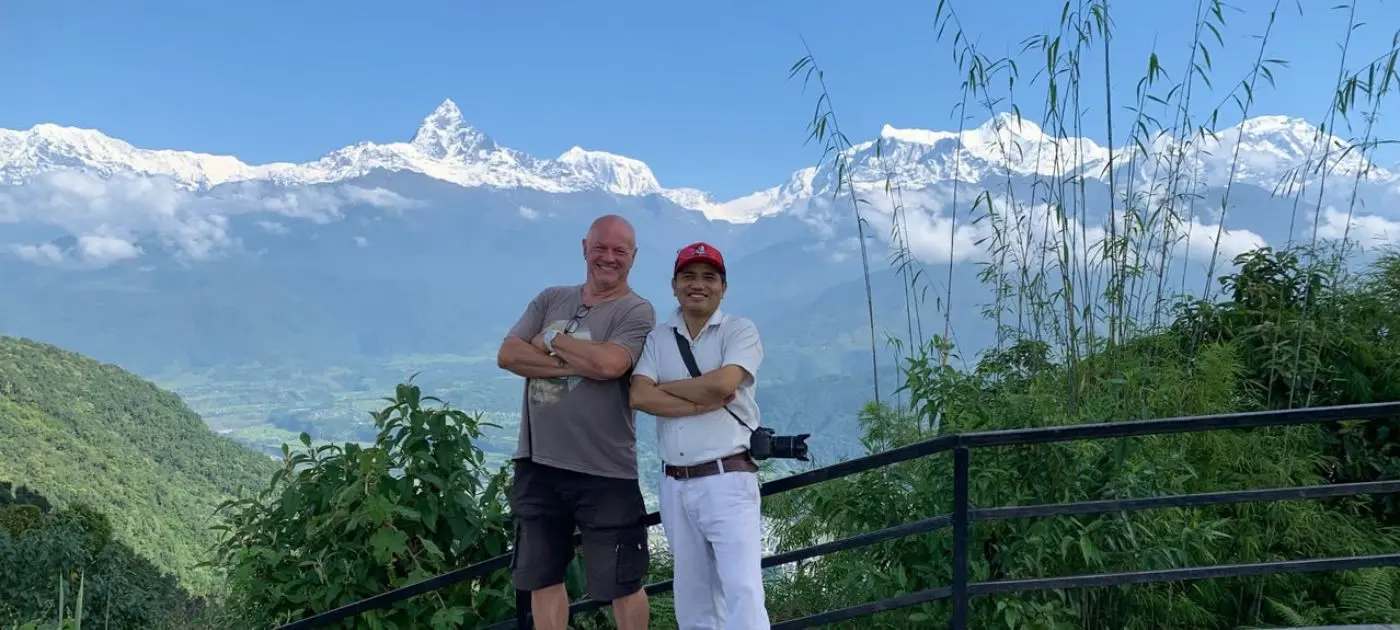
Nepal is a landlocked country in South Asia, wedged between India to the south, east, and west and China to the north. It's often called the "Roof of the World" because of its towering Himalayan range, which includes Mount Everest at 8,848.86 m, and the "Birthplace of Lord Buddha" because Lumbini, in the southern Terai, where Siddhartha Gautama was born. This Nepal at a Glance guide covers Nepal's geography, Mount Everest, UNESCO World Heritage Sites, national parks, hunting reserve, landscapes, vegetation, culture, and top places to visit.
The country packs an incredible range of landscapes into a relatively small area—lowland jungles in the Terai, rolling mid-hills, and the high Himalaya, all within a short distance of each other. This diversity supports everything from rhinos and tigers in Chitwan National Park to the famous trekking routes in the world through the Everest and Annapurna regions. So, there is no surprise that Nepal pulls in trekkers, climbers, people looking for a spiritual trip, wildlife fans, photographers, and anyone into culture from all over the world.
Nepal's cultural side is just as rich, with Kathmandu Valley's ancient temples, palaces, and stupas alongside Buddhist sites like Boudhanath and Swoyambhunath, plus Lumbini's pilgrimage significance and more. Nepal has something for every kind of traveler whether it is mountain views or spiritual depth or wildlife encounters. If you need any information about Nepal travel guide, its places, trekking destinations or anything, feel free to contact Mount Face Nepal.
Nepal Facts: Location, Population, Capital, Currency, and Language
| Detail | Information |
| Official Name | Federal Democratic Republic of Nepal( |
| Capital City | Kathmandu |
| Location | South Asia, between India (south, east, west) and China (north). |
| Area | 147,516 sq. km. |
| Terrain | Himalayan mountains, middle hills, and Terai plains. |
| Highest Point | Mount Everest- 8,848.86 m. |
| Lowest Point | Kechana Kawal- 60 m |
| Population | About 30 million (2021 census). |
| Major Languages | Nepali (official), plus 120+ regional languages. |
| Currency | Nepalese Rupee (NPR). |
| Time Zone | Nepal Standard Time (NPT, UTC+5:45). |
| Major religions | Hinduism, Buddhism, Islam, Christianity, and indigenous traditions. |
| Cultural Diversity | 125+ ethnic groups and castes, multi-ethnic, multi-lingual society |
| International Airport | Tribhuvan International Airport (Kathmandu), Pokhara International Airport (Pokhara), Gautam Buddha International Airport (Bhairahawa) |
Nepal Geography: Himalayas, Hills, Terai Plains, Rivers, and Lakes
Nepal’s three major ecological regions
- Mountain: Nepal’s northern Himalayan region is all about high alpine terrain, glaciers, and snow-capped peaks, including eight of the world’s fourteen mountains above 8,000 m, Everest, Kanchenjunga, Lhotse, Makalu, Cho Oyu, Dhaulagiri, Manaslu, and Annapurna. This is where most trekkers and climbers head for the jaw dropping Himalayan views.
- Hills: The middle hills sit between the Terai and the high Himalaya, which is made up of valleys, terraced farms, forests, rivers, and traditional villages. This is where places like Kathmandu, Pokhara, and Dhorpatan Hunting reserve sit, and where most of Nepal’s population lives with a mix of subtropical and temperate conditions.
- Terai: The Terai is Nepal’s southern lowland plain, runs along the Indian border with fertile farmland, subtropical forest and rich wildlife habitats. The Terai is home to the famous Chitwan and Bardiya National Parks where one can spot one-horned rhinos, Bengal tigers, elephants and the Gangetic dolphins.
Mount Everest and the Nepal Himalayas: The World’s Highest Mountain Range
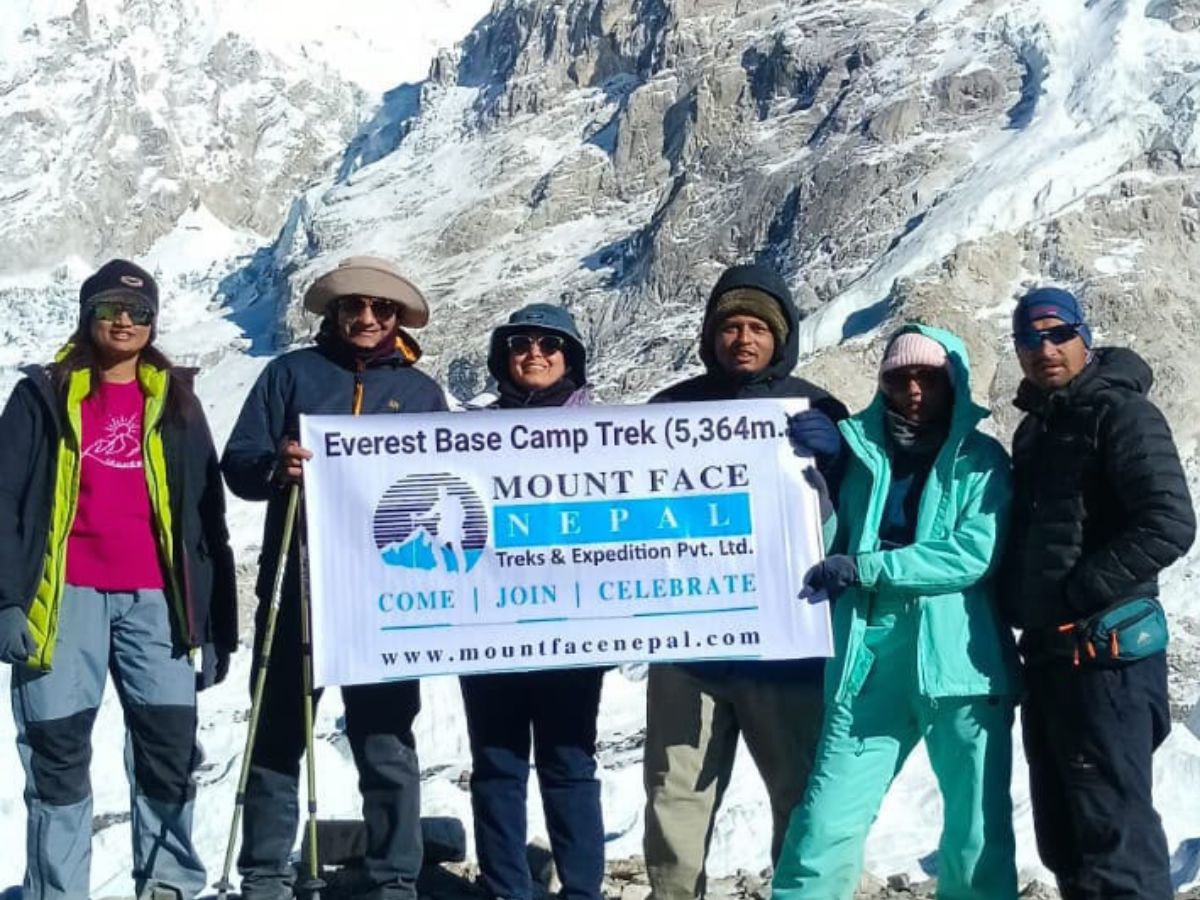
Mount Everest also known in Nepal as Sagarmatha, stands at 8,848.86 m and is the world's highest peak, sitting within the Nepal Himalayas. Nepal Himalayas stretch roughly 800 km and hold eight of the world's fourteen 8,000-meter peaks. The Everest region which is centered on Sagarmatha National Park and Sherpa culture, draws trekkers on routes like Everest Base Camp, Everest Three Pass and the Everest View Trek, while the Annapurna region offers the Annapurna Circuit, Annapurna Base Camp, Mardi Himal and Poon Hill Trek.
Nepal UNESCO World Heritage Sites: 10 Must-Visit Cultural and Natural Treasures
Nepal is home to ten UNESCO World Heritage Sites that bring together ancient temples, royal palaces and sacred stupas with two of the world’s most iconic national parks. From the historic squares of the Kathmandu Valley to the wildlife-rich plains of Chitwan and the high Himalaya of Sagarmatha, these places capture the country’s deep cultural and natural heritage.
| UNESCO Site | Location | Features |
| Kathmandu Durbar Square (Hanuman Dhoka) | Kathmandu | Historic royal palace, temples, courtyards, and Newari architecture |
| Patan Durbar Square | Lalitpur | Malla-era palace, Krishna Mandir, temples, museums, and traditional craftsmanship |
| Bhaktapur Durbar Square | Bhaktapur | Medieval royal square, Nyatapola Temple, 55-Window Palace, pottery, and Newari culture |
| Swoyambhunath Stupa | Kathmandu | Ancient Buddhist stupa, Buddha’s eyes, prayer flags, monkeys, and panoramic valley views |
| Boudhanath Stupa | Kathmandu | Tibetan Buddhist culture, prayer wheels, and monastery |
| Pashupatinath Temple | Kathmandu | Major Hindu temple complex on the Bagmati River, cremation ghats, and Lord Shiva heritage |
| Changu Narayan Temple | Bhaktapur | One of Nepal’s oldest Hindu temples, intricate carvings, ancient inscriptions, and hilltop setting |
| Lumbini | Rupandehi | Birthplace of Lord Buddha, Maya Devi Temple, sacred garden, Ashoka Pillar, and monastic zone |
| Sagarmatha National Park | Everest region, Solukhumbu | Mount Everest, Sherpa Culture, Himalayan trekking, glaciers, and rare wildlife. |
| Chitwan National Park | Terai, Southern Nepal | Bengal Tigers, one-horned rhinos, jungle safari, canoeing, birdlife and Tharu Culture. |
Lumbini: Birthplace of Lord Buddha
Lumbini is where Gautama Buddha was born, making it one of the Buddhism’s holiest sites worldwide. The Maya Devi Temple marks the exact birth place, surrounded by a sacred garden, the Ashoka Pillar, and a monastic zone with international monasteries built by different countries. It's a major pilgrimage destination for Buddhist where a one-day Lumbini tour lets you walk the garden, visit the temple, and see the monasteries respectfully.
National Parks and Hunting Reserve in Nepal
Sagarmatha National Park: Everest, Sherpa Culture, and High-Altitude Wilderness
Sagarmatha National Park, UNESCO world heritage site includes famous mountains such as Mount Everest, Lhotse and Cho Oyu, along with rare species like snow leopards, red pandas, Himalayan black bears, musk deer and Himalayan wolves. Beyond the peaks, Sherpa villages, Tibetan style Buddhist monasteries and trekking routes like Everest Base Camp and Three Pass Trek makes it really a worth taking destination.
Chitwan National Park: Jungle Safari and Wildlife in the Terai
Chitwan is the Nepal’s premier wildlife destination. It lies in the Terai lowlands, where you’ll find Bengal tigers, one-horned rhinos, elephants, crocodiles and rich birdlife. Visitors can join jeep safaris, canoe rides and jungle walks, while also experiencing Tharu culture in the nearby villages.
Bardiya National Park: Nepal’s Wild Tiger Country
is the Nepal’s wildest National Park which is known for its strong Bengal tiger population and quieter safari experience than Chitwan. The park also shelters one-horned rhinos, elephants, swamp deer, gharials, and Gangetic dolphins in the Karnali River, with over 250 bird species. Jeep safaris and guided jungle walks make it a top choice for serious wildlife lovers.
Langtang National Park: Himalayan Trails and Rare Wildlife
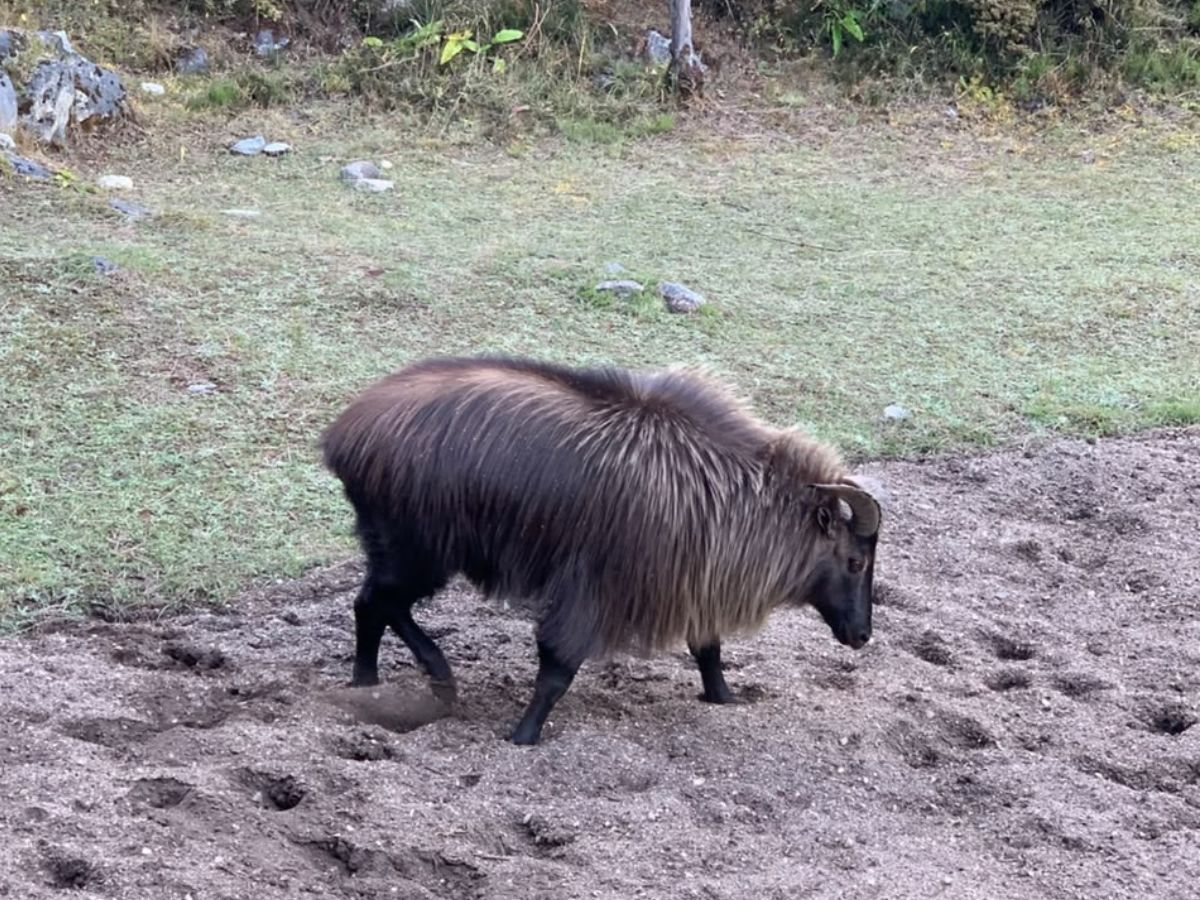
Langtang National Park which is near the Nepal-Tibet border covers mountainous terrain with the Langtang range, scenic lakes, glaciers, and Himalayan peaks. Its diverse forests and alpine zones shelter red pandas, snow leopards, Himalayan black bears, musk deer, and Himalayan Tahr, along with 373 bird species including Himalayan Monal, Nepal’s national bird. This park is also a popular Langtang Trekking destination close to Kathmandu.
Dhorpatan Hunting Reserve
Dhorpatan is the only hunting reserve of Nepal. It sits in the Dhaulagiri Himal across Baglung, Myagdi and East Rukum districts, covering 1,325 square kilometers and ranging from 2,000 to 7,246 metres. The reserve is known for regulated trophy hunting of blue sheep and Himalayan tahr, but it also shelters snow leopards, red pandas, musk deer, wolves and 137 bird species, including several kinds of pheasant. The high-altitude meadows known as patans make the Dhorpatan Hunting Reserve Trek a distinctive destination for both wildlife viewing and controlled hunting.
Beyond the major national parks of Nepal, Nepal also protects Shey Phoksundo, Shivapuri Nagarjun, Makalu Barun, Khaptad, and more, along with wildlife reserves such as Koshi Tappu.
Lakes in Nepal
Nepal is home to the thousands of natural and glacial lakes, ranging from low-altitude tourist hubs to high altitude Himalayan wonders. Rara Lake in Mugu District is the country’s largest freshwater lake at 10.4 sq km. Kajin Sara at 5,020 m and Tilicho Lake in Manang (4,919 m) which is also famous stop on the Annapurna Circuit Trek are the highest lakes. Meanwhile, Shey Phoksundo Lake is another standout, a deepest (136-145m) turquoise lake inside Shey Phoksundo National Park and is mostly visited during Shey Phoksundo Lake Trek.
Phewa Lake in Pokhara is Nepal's second-largest lake and one of the most visited, known for the Tal Barahi Temple on its island and the reflection of Machhapuchhre and the Annapurna range on clear days. Gosaikunda Lake in Langtang National Park, at 4,380 m, is a revered pilgrimage site for both Hindus and Buddhists, believed to have been created by Lord Shiva. The Gokyo Lakes in Solukhumbu, a series of 19 glacial lakes between 4,700 and 5,000 m, are among the world's highest freshwater lakes and major highlight of the Everest region trek.
Nepal’s Vegetation and Biodiversity: From Tropical Terai Forests to Alpine Meadows
Nepal’s vegetation changes dramatically with altitude. In the Terai you will find subtropical sal forests, grasslands and riverine wetlands. Higher up in the middle hills come pine, oak, rhododendron and terraced farmland. Above that, landscapes shifts into juniper, birch and alpine shrubs, until the tree line gives way to alpine pastures, mosses and snow. Rhododendrons, Nepal’s national flower, paint the hillsides in spring while the country holds a remarkable plant diversity of about 2 % of the world’s flowering plants on just 0.1 % of the world’s land including medicinal plants such as Yarsagumba, orchids and a wide range of Himalayan flora.
Nepali Culture, Ethnic Groups, Religion, and Festivals: A Living Heritage
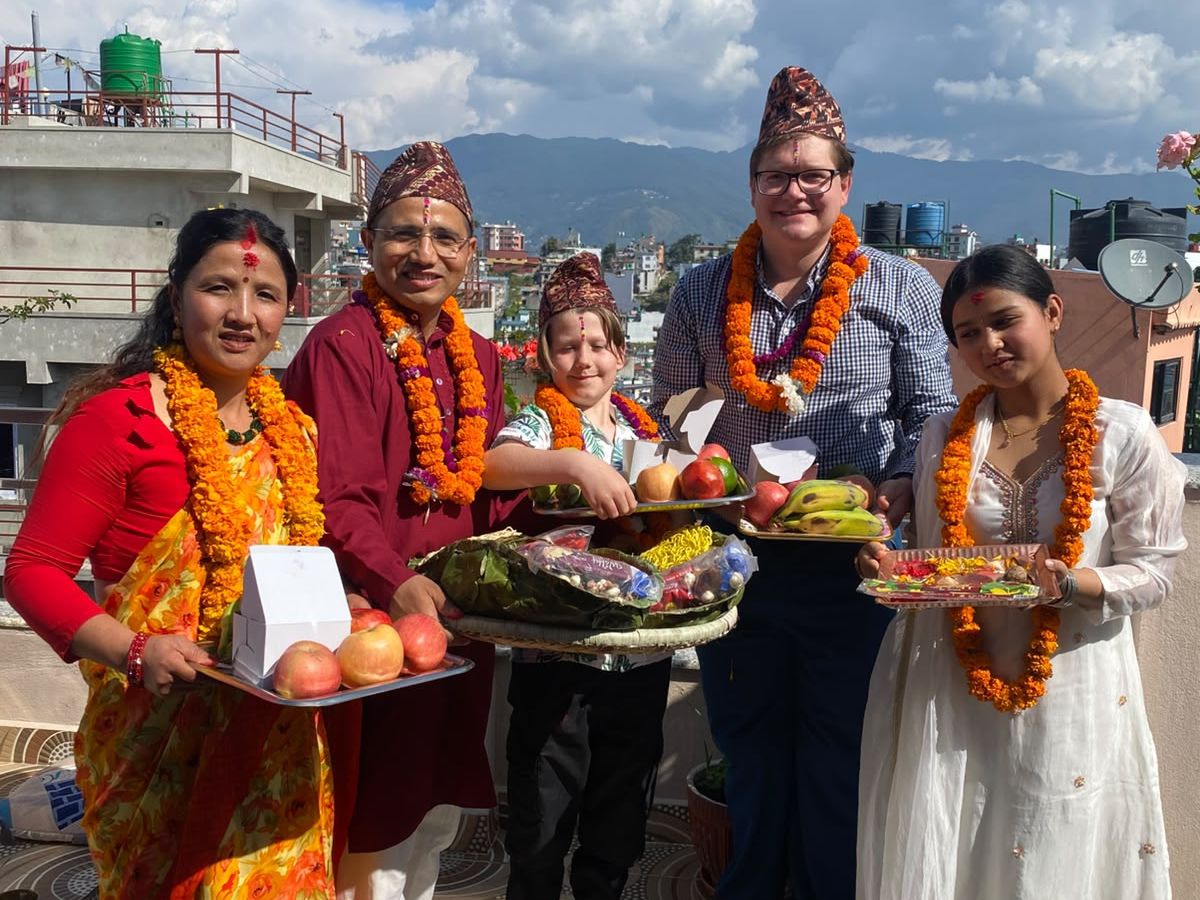
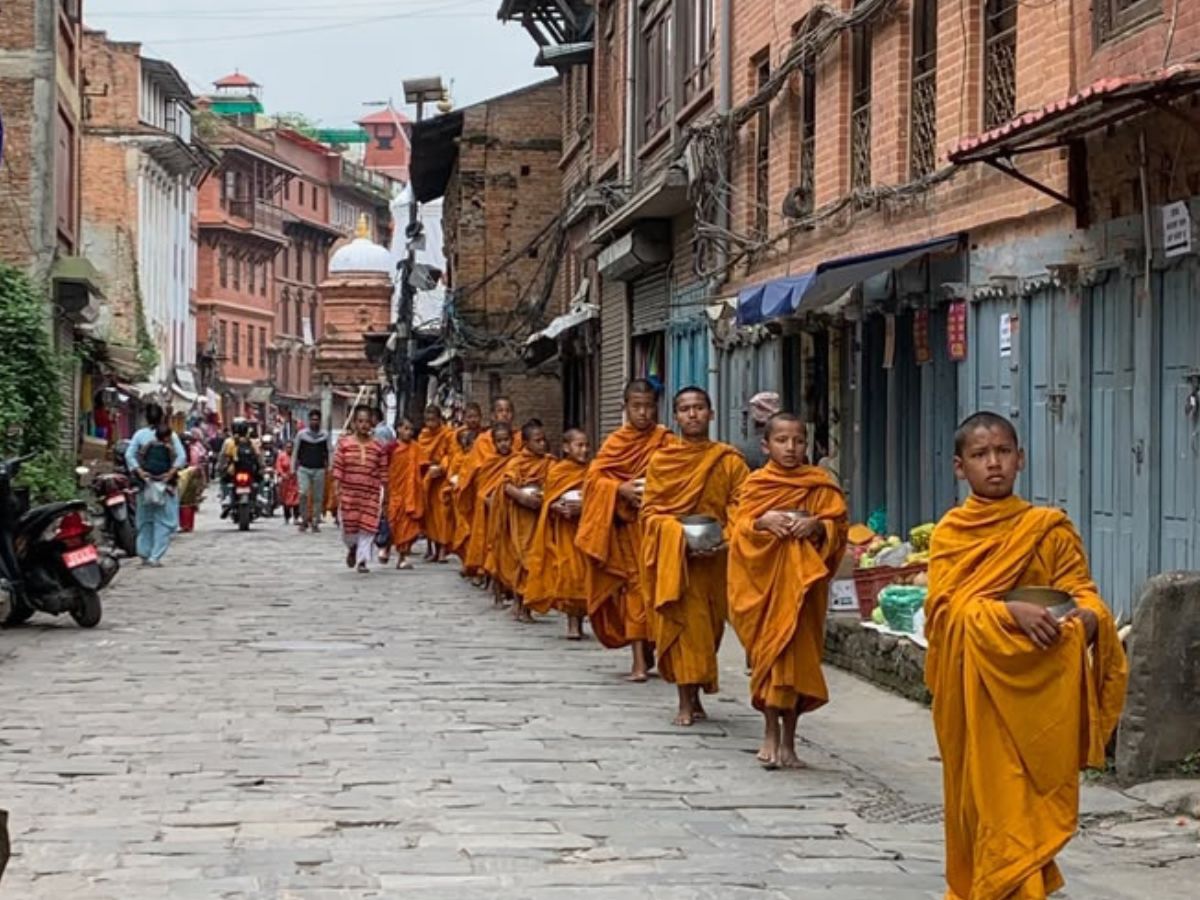
Nepal’s culture and traditions come from a multiethnic, multilingual society of more than a hundred groups including Brahmin, Chhetri, Newar, Sherpa, Tharu, Tamang, Gurung, Magar, Rai, Limbu and many others. Hinduism, Buddhism, Islam, Christianity and older local beliefs all sit side by side and peacefully here. Temples, stupas, monasteries and prayer flags are simply part of everyday life.
Top Festivals in Nepal: Explore Traditional Celebrations, Culture & Religious Heritage
Nepal's festivals are the major highlights for country's rich cultural and religious life where celebrations like Dashain, Tihar, Holi, Lhosar and Chhath bring families and communities together throughout the year. Some of the famous festivals in Nepal are:
Dashain: Nepal’s Biggest Hindu Festival: Dashain is the Nepal's biggest and longest Hindu festival, lasting about 15 days in September or October. It celebrates goddess Durga's victory over the demon Mahishasura, with families gathering for tika blessings, jamara, kites flying, and bamboo swings.
Tihar: Festival of Lights, Worship, and Family Celebrations: Tihar, also known as Deepawali, is the five-day festival of lights held in October or November. Each day honours something different, crows, dogs, cows, and finally brothers on Bhai Tika - with oil lamps, rangoli and marigold garlands lighting up homes.
Holi: Festival of Colors: Holi, or Fagu Purnima, is the festival of colors, celebrated in March with colored powder and water thrown to the people. It marks the arrival of spring and the victory of good over evil.
Buddha Jayanti: Buddha Jayanti falls on the full moon of Baisakh and commemorates Buddha’s birth, enlightenment and death (Parinirvana) all in one day. It’s a major pilgrimage day at Lumbini, Swoyambhunath and Boudhanath, with prayers, butter lamps and offerings to monks.
Indra Jatra, Bisket Jatra, Gai Jatra, and Other Newar Festivals: Indra Jatra in Kathmandu features the Kumari's (living goddess) chariot procession and masked dances, while Bisket Jatra in Bhaktapur involves chariot pulling and pole-raising. Gai Jatra, the "festival of cows," honors those who died in the past year with cow processions, satire, and costumes.
Lhosar: Celebrated by Himalayan Communities: Lhosar is the New Year festival celebrated by Himalayan communities like Tamang, Sherpa and the Gurung groups. Each groups have their with their own version: Sonam, Gyalpo and Tamu Lhosar. During this festival, different monasteries host masked dances, rituals and feasts to welcome the new year.
Chhath: Terai and Madhesh Communities: Chhath is the major festival in the Terai and Madhesh communities, especially around Janakpur. It honors the sun god with dawn and dusk rituals at riverbanks. Devotees fast, offer prayers and make offerings to Surya over several days.
20 Best Photo Spots in Nepal: Mountains, Temples, Lakes, and Villages
| Photo Spot | What It Offers |
| Mount Everest from Kala Patthar / Everest View Hotel | Closest accessible view of Everest’s summit; Nuptse, Lhotse, Khumbu Icefall. |
| Poon Hill Sunrise | 180° panorama of Annapurna South, Hiunchuli, Dhaulagiri, Machhapuchhre; Ghorepani silhouette. |
| Phewa Lake & Tal Barahi Temple | Mirror-like Annapurna reflections, wooden boats, island temple. |
| Sarangkot Sunrise | 180° Annapurna–Dhaulagiri panorama, Phewa Lake below, Machhapuchhre view. |
| Boudhanath Stupa | Massive white dome, Buddha Eyes, prayer flags, monks on kora. |
| Pashupatinath Temple | Cremation ghats, sadhus, rituals, Bagmati River scenes. |
| Swoyambhunath Stupa | Monkey Temple, Buddha Eyes, prayer flags, Kathmandu Valley views. |
| Bhaktapur Durbar Square | Nyatapola Temple, 55-Window Palace, pottery square, Newari architecture. |
| Patan Durbar Square | Krishna Mandir, Golden Gate, Newari woodwork, courtyard scenes. |
| Lumbini Sacred Garden | Maya Devi Temple, Ashoka Pillar, monastic zone, peaceful gardens. |
| Chitwan Jungle Safari | One-horned rhinos, Bengal tigers, elephants, birdlife, Rapti River sunsets. |
| Rara Lake | Nepal’s largest lake, turquoise water, pine forests, snow peaks. |
| Upper Mustang Landscape | Eroded badlands, Lo Manthang walled city, sky caves, Tibetan culture. |
| Muktinath Temple | Sacred temple, 108 water spouts, Annapurna/Dhaulagiri backdrop. |
| Gosaikunda Lake | Sacred alpine lake, snow peaks, prayer flags, trekking trail scenes. |
| Tengboche Monastery | Largest monastery in Khumbu, Everest, Lhotse, Ama Dablam backdrop. |
| Namche Bazaar | Sherpa town, yak caravans, Everest peek, colorful houses on hillside. |
| Annapurna Base Camp | 360° amphitheater of Annapurna I, South, Hiunchuli, Machhapuchhre. |
| Langtang Valley | Langtang Lirung, glaciers, yaks, Tamang villages, rhododendron forests. |
| Janakpur’s Janaki Temple | Mithila-style temple, religious ceremonies. |
Best Treks in Nepal for Beginners and Experienced Trekkers
| Trek | Difficulty | Best for |
| Everest View Trek | Moderate | First-time Himalayan trekkers |
| Poon Hill Trek | Easy to moderate | Short trek and sunrise views |
| Annapurna Base Camp | Moderate | Mountain scenery and hot springs |
| Langtang Valley Trek | Moderate | Culture and accessibility from Kathmandu |
| Everest Base Camp Trek | Challenging | High-altitude trekking |
| Upper Mustang Trek | Moderate to challenging | Tibetan culture and desert landscapes |
Taste Nepal: Explore Authentic Nepali Food, Traditional Cuisine & Local Experiences
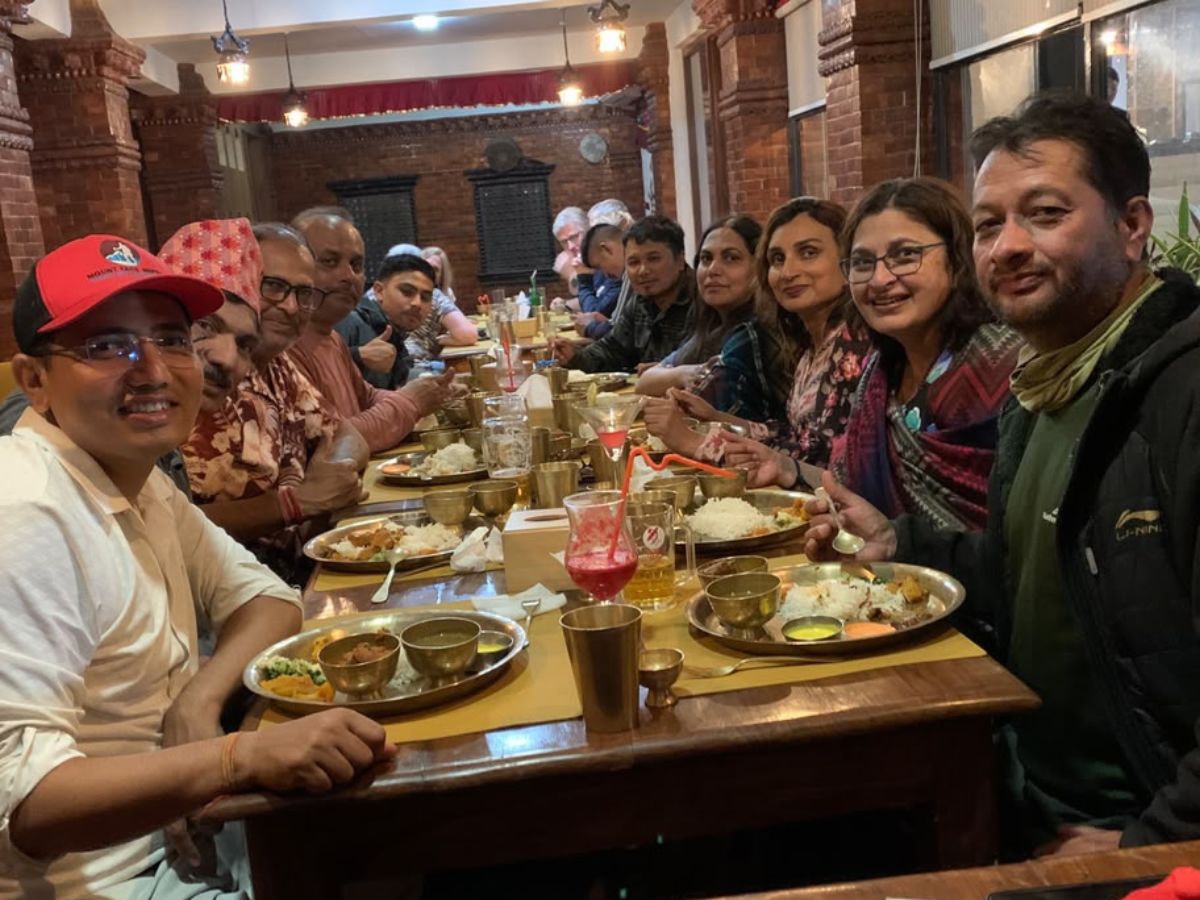
Nepali food and local experiences really offer a great window into the country’s regional diversity. From everyday dal bhat and momo to Newari and Thakali cooking, the flavors are shaped by geography, community and long tradition. Wandering local markets, trying regional dishes and sitting down to ordinary meals gives you a deeper sense of Nepal than the usual tourist stops.
- Dal Bhat: rice, lentil soup, vegetables, pickles, and often meat.
- Momo: the steamed or fried dumplings.
- Thukpa: Himalayan noodle soup.
- Newari cuisine: yomari, chatamari, bara, samay baji, and achar.
- Tharu food: local Terai specialties and freshwater fish.
- Sherpa food: Tibetan bread, potato dishes, yak cheese, and butter tea.
- Drinks: chiya, milk tea, butter tea, raksi, and local beer.
Nepal Political Update 2026: Current Government and Political Change
We’ve already covered Nepal’s geography, so let's take a look at the political side. In September 2025, Gen Z-led protests against a social media ban and widespread corruption forced Prime Minister K.P. Sharma Oli to resign. Seventy-nine people were killed during the unrest. Former Chief Justice Sushila Karki was then appointed interim prime minister, with the job of steadying the country and organising fresh elections.
After the March 2026 elections, the Rashtriya Swatantra Party (RSP), still a relatively new force, emerged as the clear winner. Balendra Shah became prime minister, marking a real generational shift in leadership. The new government is under high public pressure on governance, corruption control and economic reform, and the political transition is still settling in.
Final Words
Nepal has something for almost every kind of traveler, whether you’re drawn to the mountains, the culture, the wildlife or the food. From the jungles of the Terai right up to the high Himalaya, the diversity is hard to match, and the warmth of the people is what most visitors end up remembering the most. With eight of the world’s ten highest peaks and a rich blend of Hindu, Buddhist and indigenous traditions, it’s a place that that keeps pulling people back.
Whether you’re planning a trek, a cultural trip, or simply want to understand the country a bit better, Nepal has a way of staying with you long after you’ve left. If you need any information about Nepal, its places, trekking destinations or anything else, feel free to get in touch with Mount Face Nepal.