 163 reviews
 20 reviews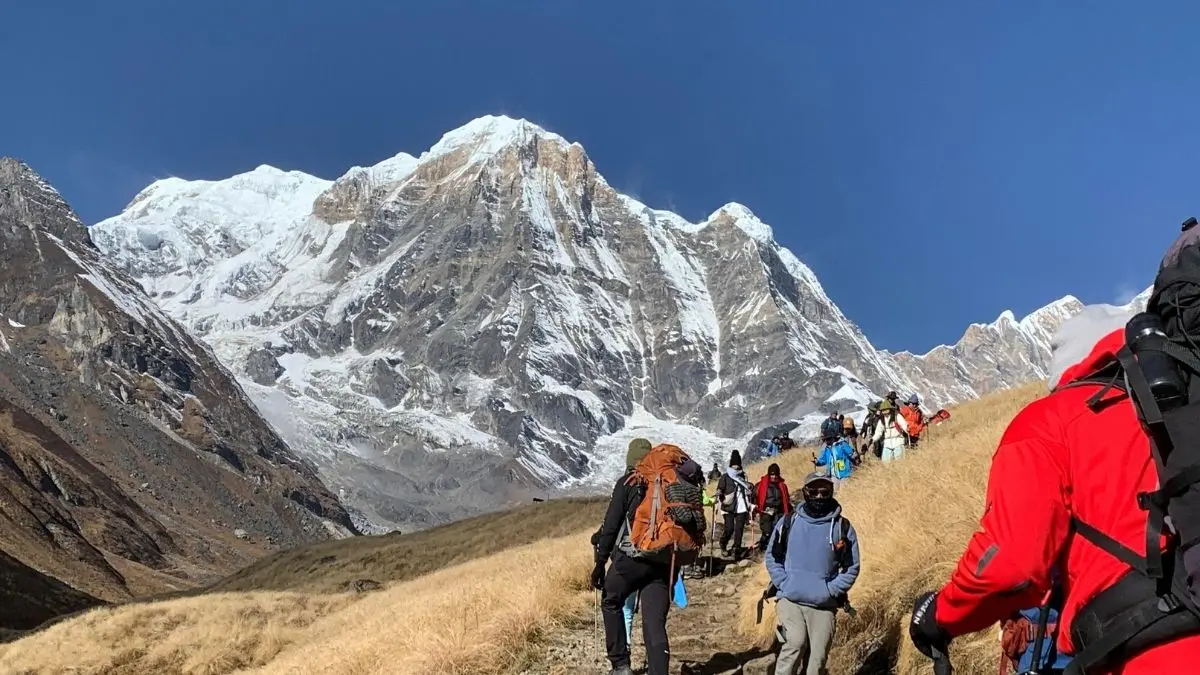
Annapurna Base Camp Trek in Winter: Complete Overview
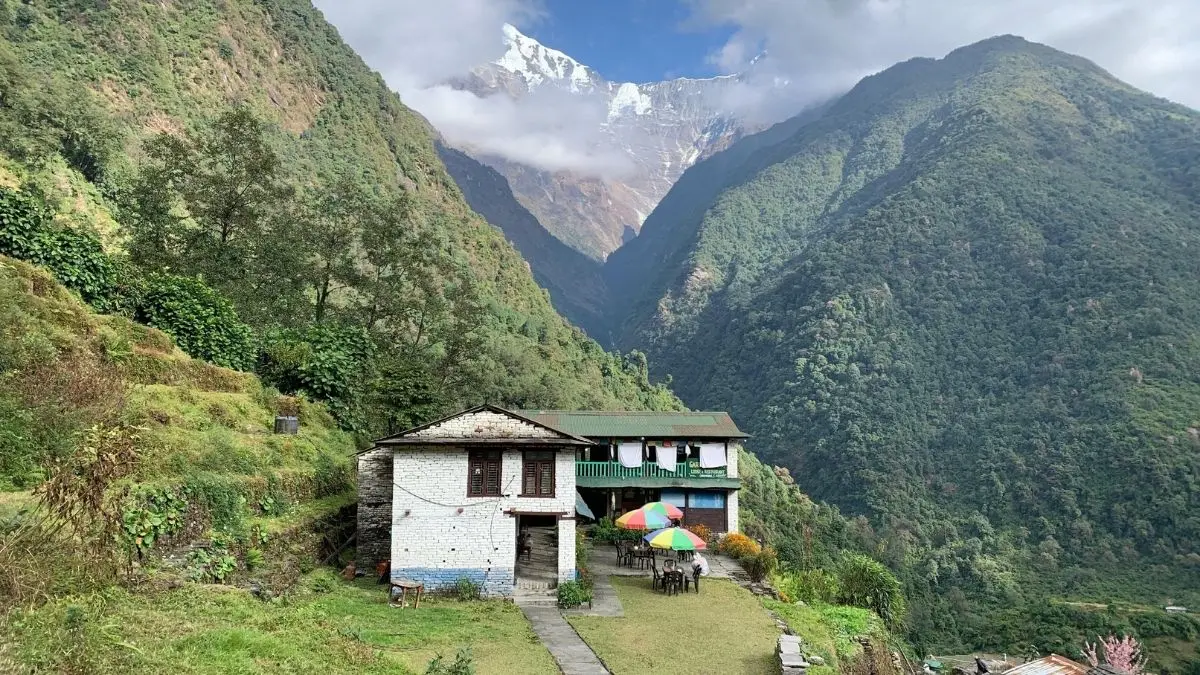
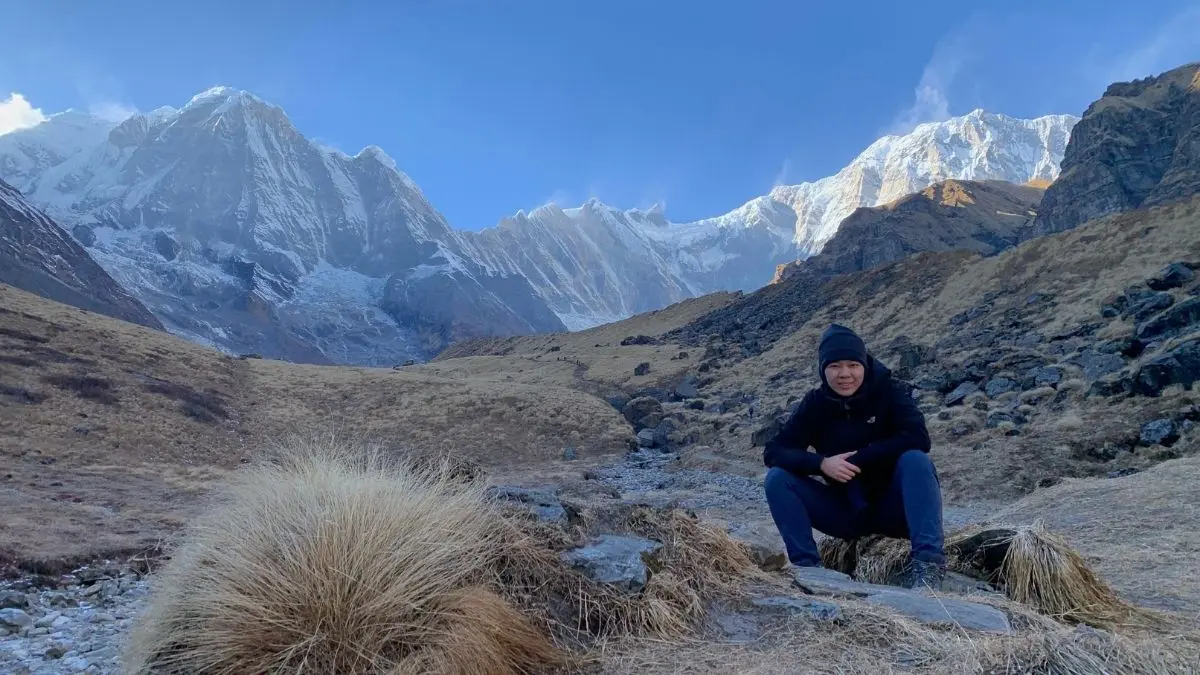
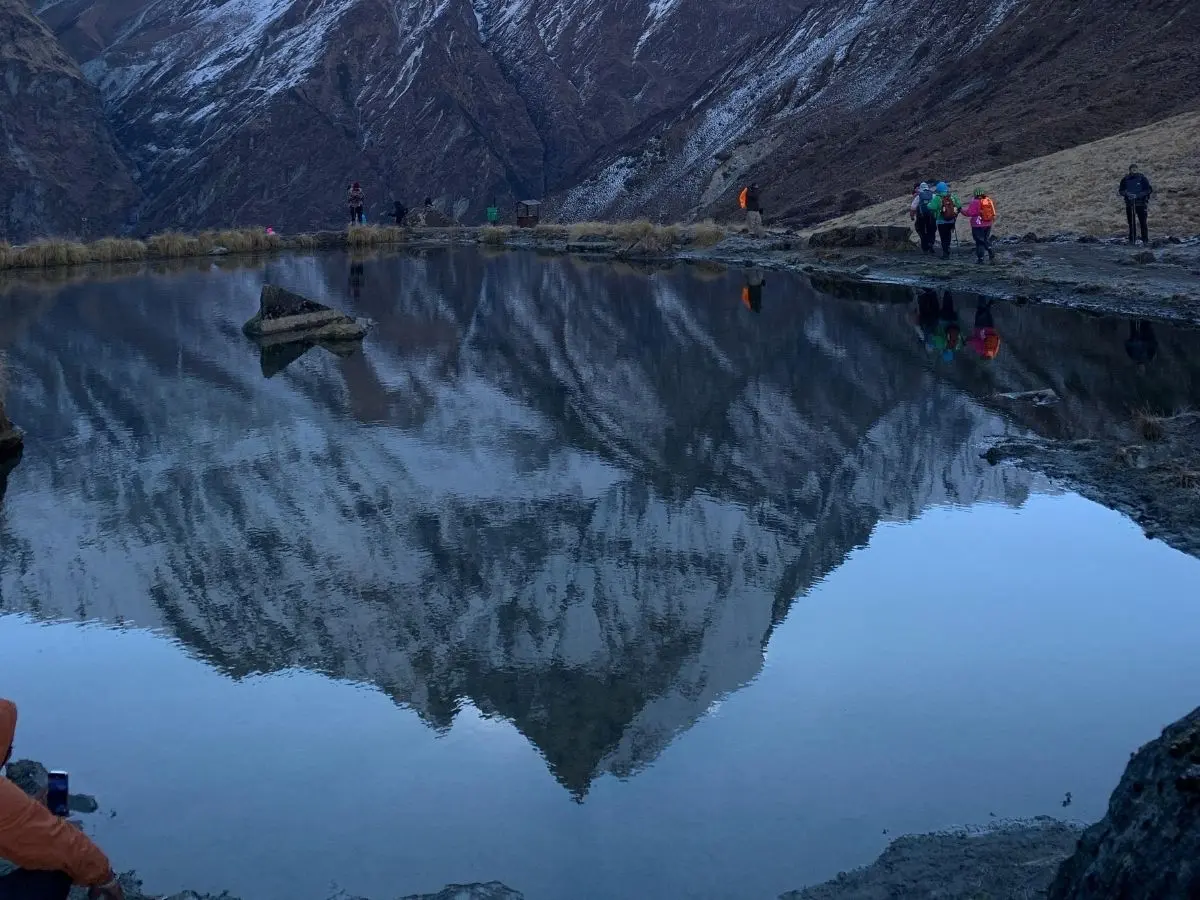
Imagine standing at 4,130 meters, surrounded by snow-capped giants like Annapurna I, Machhapuchhre, Hiunchuli and more under crystal-clear winter skies, with hardly another trekking group in sight. That’s the quiet magic of the Winter Annapurna Base Camp Trek. From December to February, the teahouses grow cozy and sparse, and the mountain views sharpen in the clear, cold and dry air. Trekking Annapurna Base Camp in Winter is a different kind of Himalayan adventure that feels calmer, crisper, and far more intimate than the crowded spring and autumn seasons most trekkers chase.
Thanks to shifting climate patterns, as heavy snowfall in the Himalayas now usually arrives after March, so December to February sees far less snow and Annapurna Trekking trails remain mostly dry and comfortable with uninterrupted and razor-sharp mountain views.
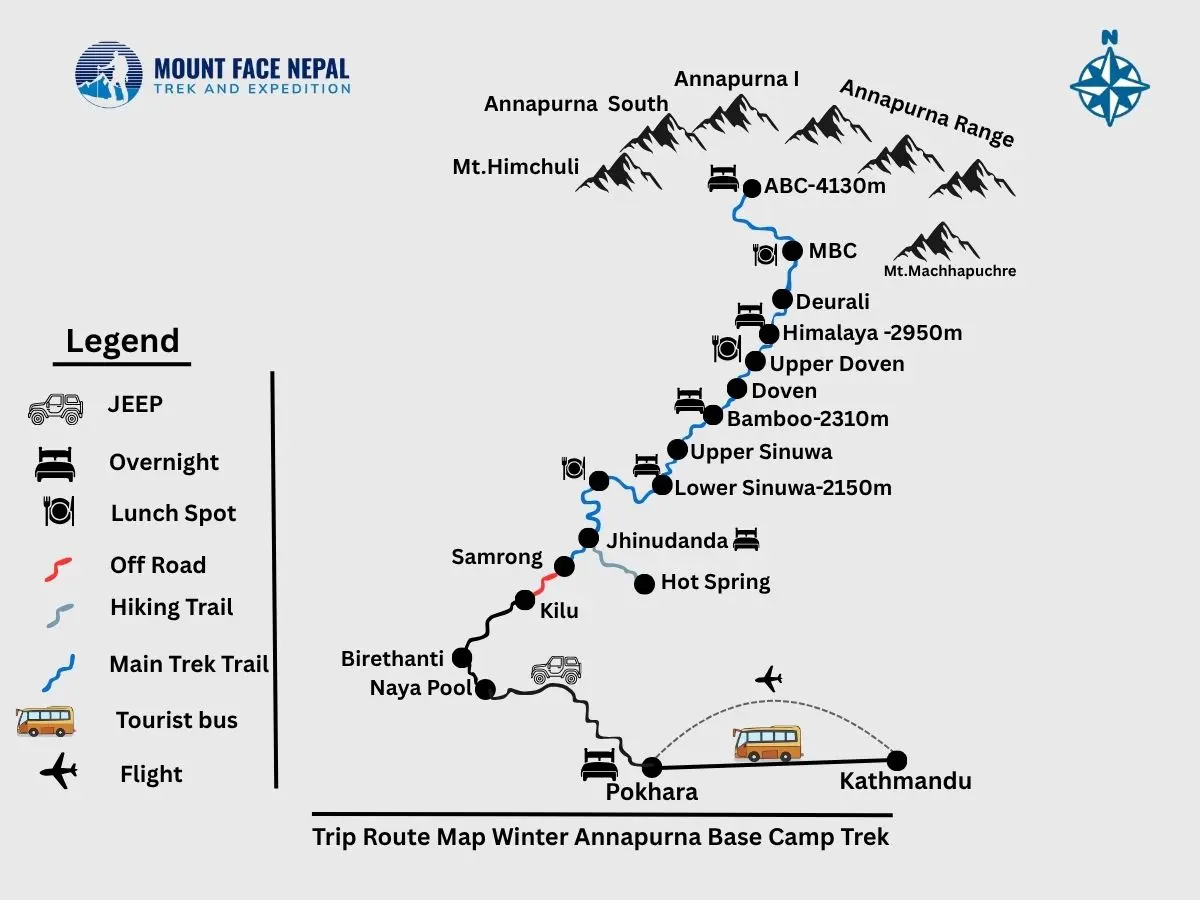
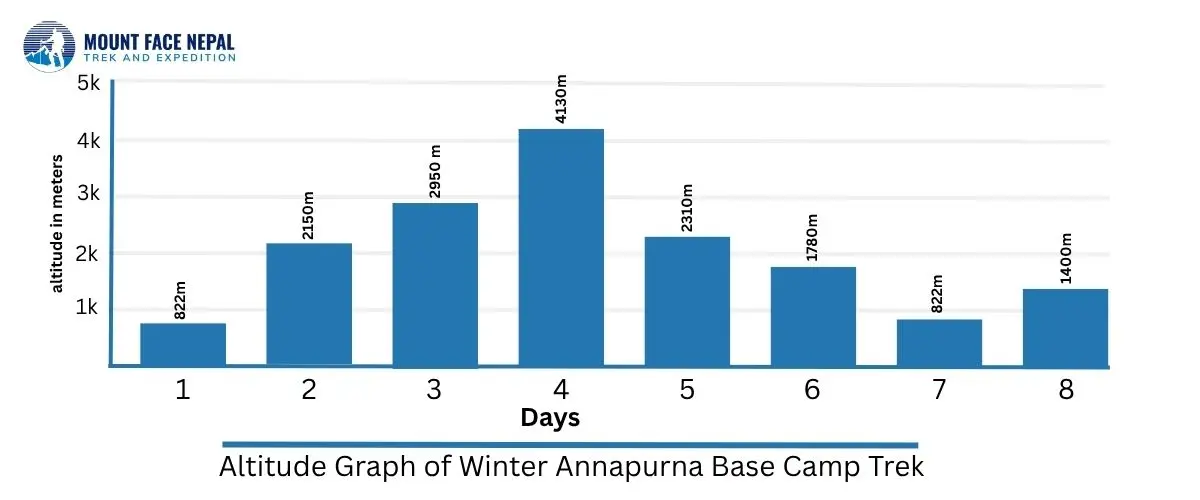
Winter ABC Trekking does come with its own set of challenges, shorter daylight hours, colder nights, and the occasional risk of snow blocked paths. But for the well-prepared trekkers, it’s absolutely worth it and often more rewarding. The total trekking distance stays around 65-70 kilometers round trip from Pokhara, with 7-9 days on the trail depending on your pace and Winter ABC Trek itinerary. Difficulty is moderate to strenuous, mainly because of cold and altitude, not technical climbing. If you love solitude, dramatic landscape and the thrill of trekking when most others stay at home, this season just might be your perfect fit.
This comprehensive guide walks you through everything you will need to know including safety tips, realistic costs, what to pack, teahouse availability and those hidden winter dangers. It is written for adventure seekers, photographers, solitude lovers, and experienced trekkers ready for something different. And if you want extra peace of mind on the trail, Mount Face Nepal offers seasoned winter guides who know the route very well, helping you stay safe, warm, and fully immersed in the beauty of a snowy Annapurna winter.
Quick Summary: Annapurna Base Camp Trek in Winter at a Glance
| Details | Annapurna Base Camp Trek in Winter |
| Number of Days | 7-9 days (from Kathmandu) |
| Maximum Elevation: | 4,130m |
| Winter Season | December to February |
| Average Daytime Temp (Base Camp) | -2°C to 8°C |
| Average Nighttime Temp (Base Camp) | -10°C to -20°C |
| Difficulty Level | Moderate to Challenging |
| Permits Required | ACAP (Annapurna Conservation Area Permit) + TIMS Card |
| Cost | USD 700-900 person |
Is the Annapurna Base Camp Trek Possible in Winter? The Honest Answer
the Annapurna Base Camp Trek is absolutely possible in winter, with the right gear, preparation, and a bit of flexibility. Compared to spring or autumn, days are colder and shorter, but the trails stay open and the views are often sharper, with crystal clear skies lasting most of the day. Due to climate change, snowfall at higher altitudes usually starts after March, so December to February is mostly comfortable for trekking. If you are ready for adventure, the payoff is unforgettable, with empty paths, pristine snow and some of the best mountain vistas you will ever see.
Why Trek ABC in Winter? 6 Compelling Reasons to Choose Winter ABC Trek Nepal
Less Crowds: The Trail is Yours Alone: In peak trekking season (Spring and Autumn), you’ll share the path with 50–100 trekkers a day, but in January, maybe only 5 or 10. Teahouse dining halls feels cozy and quiet instead of packed. And the best part is, your mountain photos won’t have strangers photobombing every shot, just you and the Himalayas.
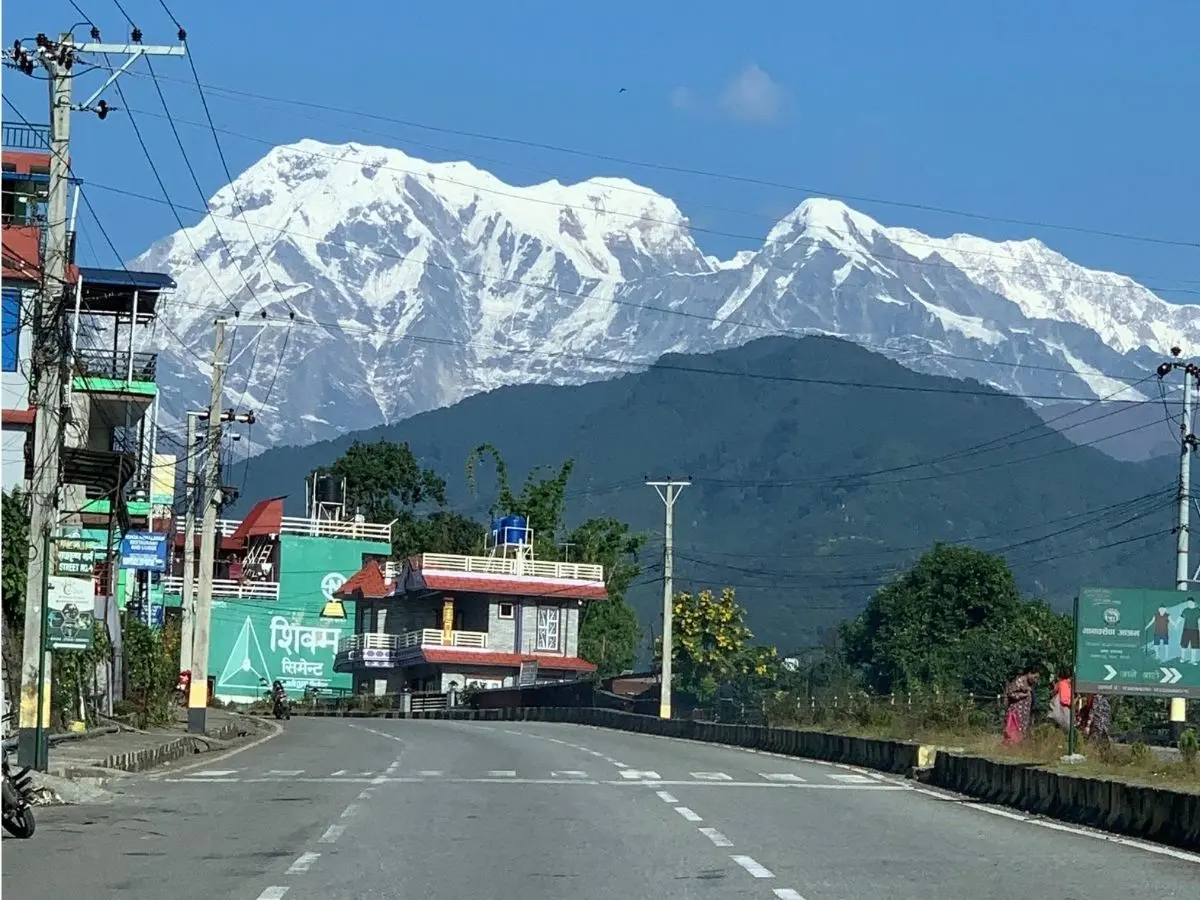
Crystal-Clear Mountain Views (Best Visibility of the Year): Winter air is the driest that means almost no haze. Annapurna I, Machhapuchhre, and Hiunchuli look razor-sharp against deep blue skies. December and February offer the clearest views, where the vistas are unmatched any other season.
Authentic Teahouse Culture (No Tourist Bubble):In winter there are fewer trekkers, teahouse owners have time to chat, share stories by the stove, and serve meals with genuine warmth. Winter is when locals repair their homes and swap folklore, giving you a rare glimpse into real mountain life beyond just the tourist trail.
Lower Costs (Off-Season Discounts):Rooms charge often drop in comparison to peak season, while some lodges also offer free Wifi or Charging facility if you stay there. However, guide and porter rates can be little higher as fewer work in winter, but overall daily cost stays lower.
No Leeches, No Rain, No Mud:When trekking ABC in winter, forget the monsoon’s slippery trails and leeches. Winter paths are dry and clean. Your boots stay mud-free, your feet stay drier, and you can focus on the trek instead of battling slick, and soggy conditions.
The Ultimate Achievement Story
“I trekked ABC in winter” carries the instant credibility. Fewer than 10% of ABC visitors attempt it in winter season. The cold builds resilience, the solitude teaches self-reliance, and you return with a story few can claim and even fewer truly understand.
How Difficult Is ABC Trek in Winter? Beginners, Age & Fitness Level
Winter Annapurna Base Camp Trek was considered slightly tougher than in spring or autumn, mainly because of the cold, shorter days, and occasional snow on the trail. However, with changing climate patterns in recent years, heavy snowfall occurs after March, so winter itself does not necessarily mean the trek will be more difficult due to snow. It’s not technically hard with no climbing gear needed but you still do need decent fitness, warm layers, and mental readiness for sub-zero nights. Beginners can do if they are healthy, active and well prepared, as age is not a barrier.
Annapurna Base Camp Trek in Winter Package Cost 2026/2027: Complete Price Breakdown
A standard winter ABC trek package cost for 2026/2027 typically lies between USD 700–900 per person. The package normally includes permits (ACAP and TIMS), accommodation at teahouses, all the meals during the journey, licensed guide, and transportation. However, it excludes your international air tickets, travel insurance, equipment renting cost, tips, and any other personal expenditure such as snacks and hot shower.
 Dipendra Simkhada(DIPU)
 Kisan Adhikari