 141 reviews
 20 reviews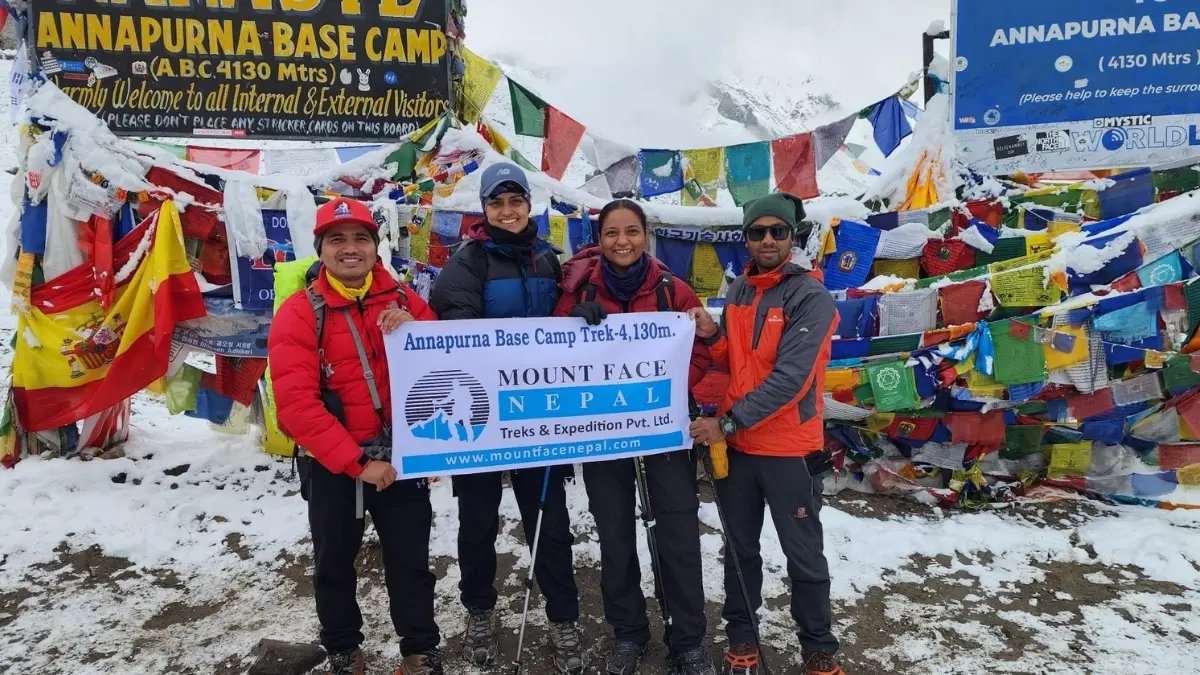
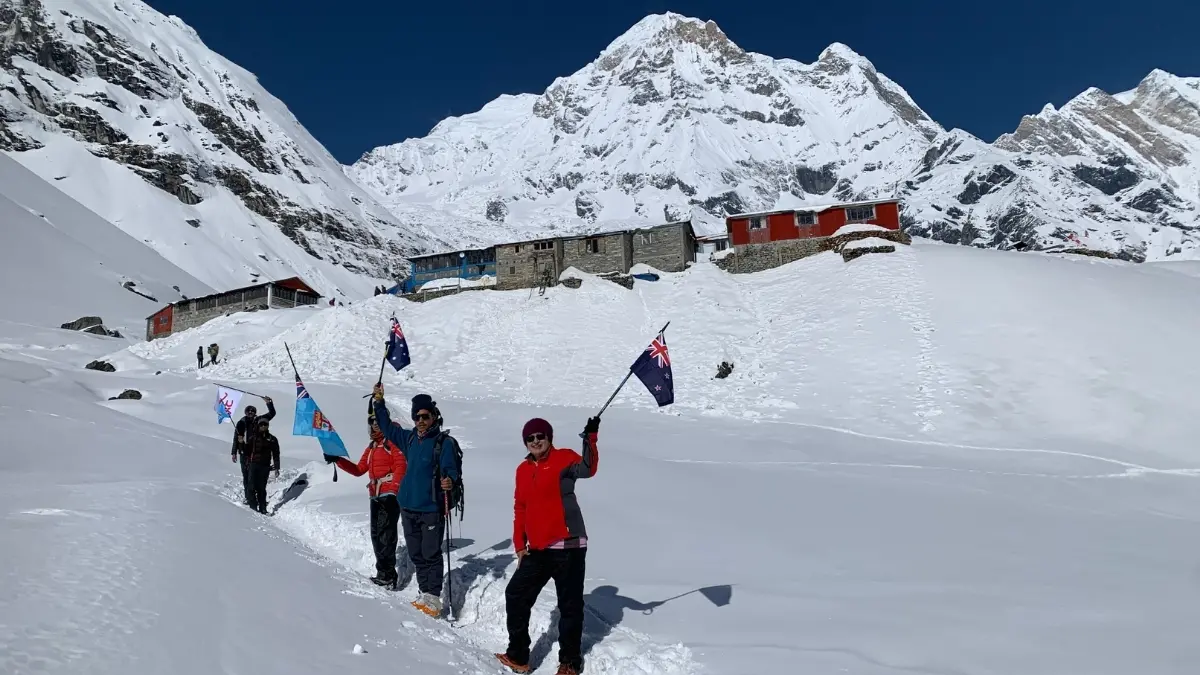
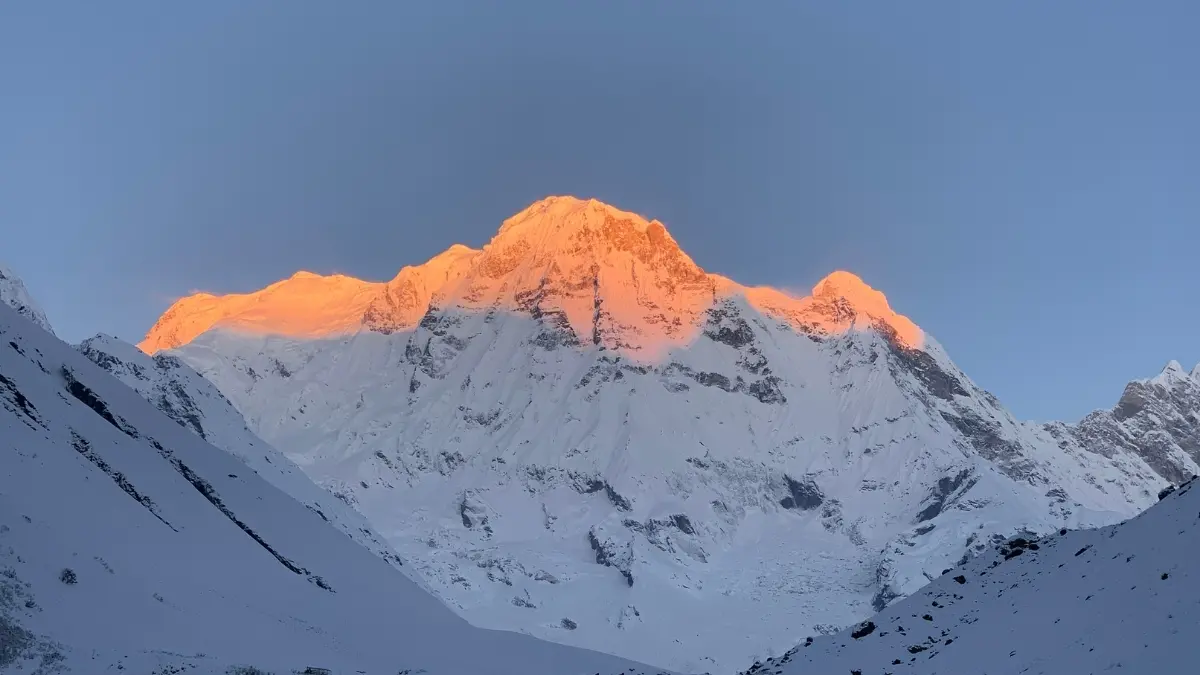
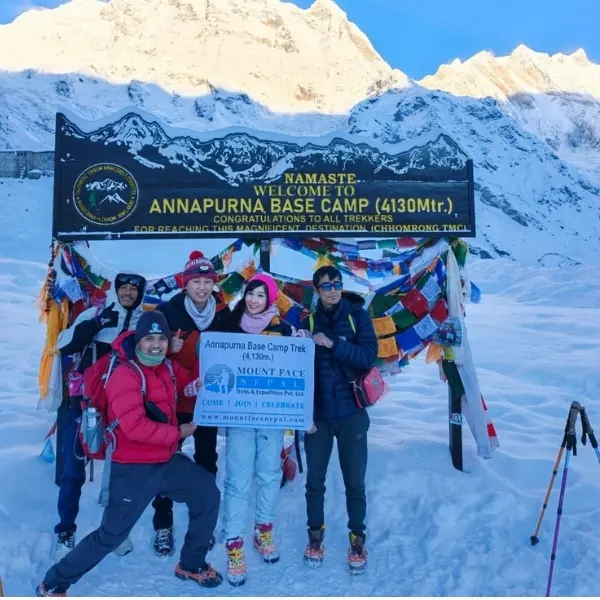
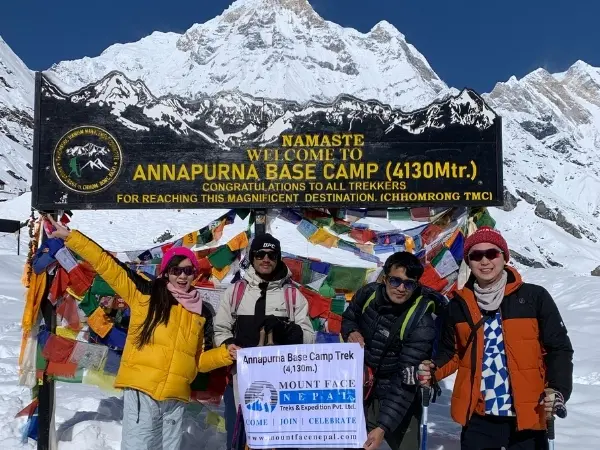
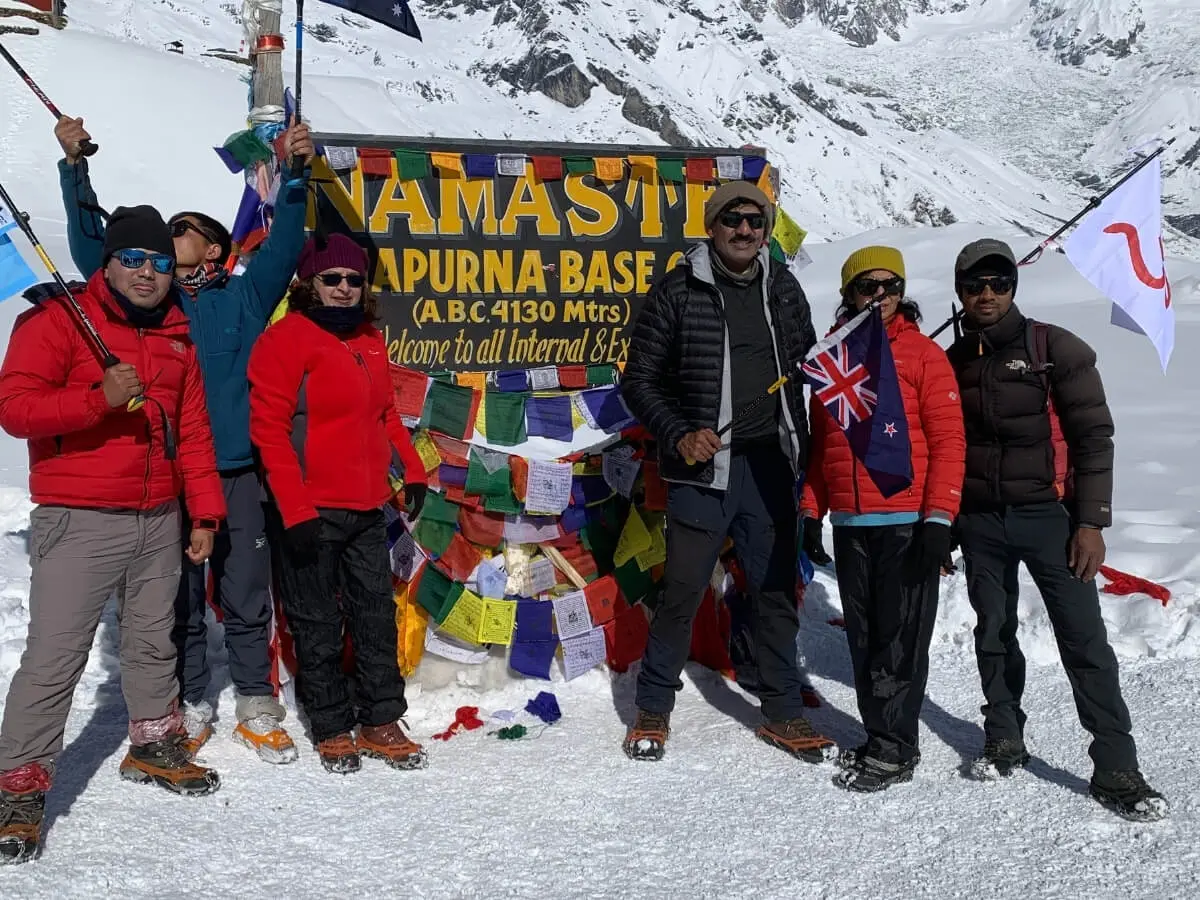
The Annapurna Base Camp Trek from Pokhara is famous short duration trekking route in Nepal, fit for those already reached at the city of Lakes and seeking for an adventure to the heart of the Himalaya. The trails lead you from thriving streets of Pokhara to the soul of the Annapurna Region, at where base camp is protected by peaks like Annapurna I, Machhapuchhre, Hiuchuli and Gangapurna. Mount Face Nepal crafted this Annapurna Base Camp Trek from Pokhara for both beginner and pro hiker.
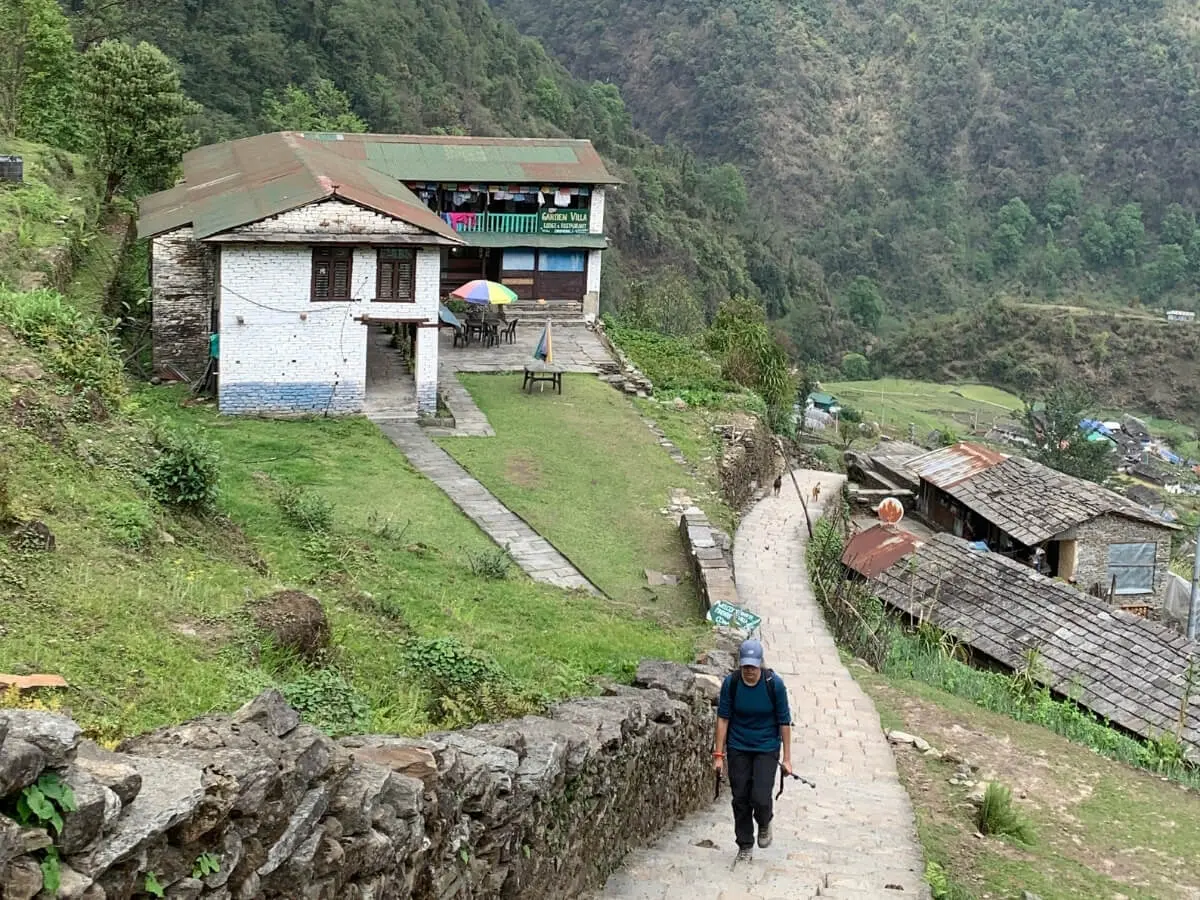
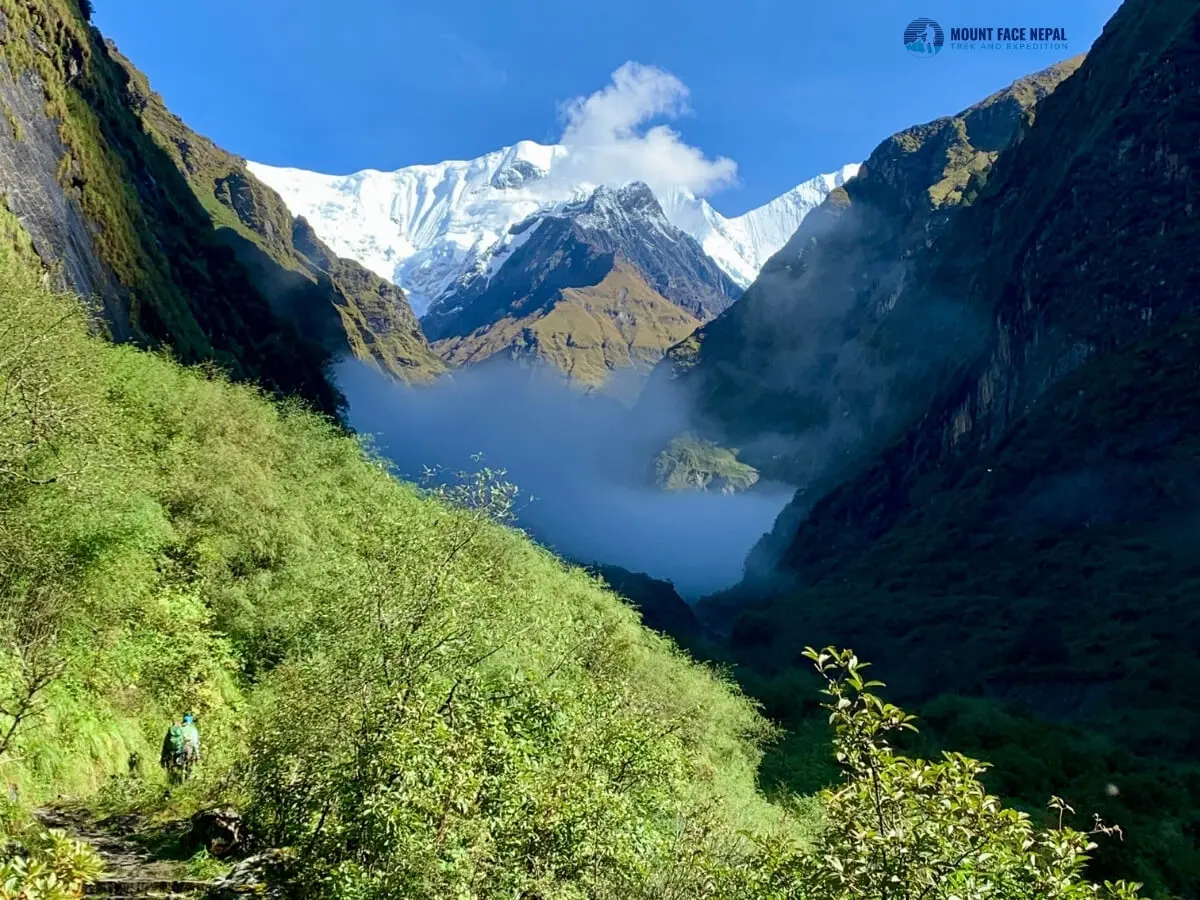
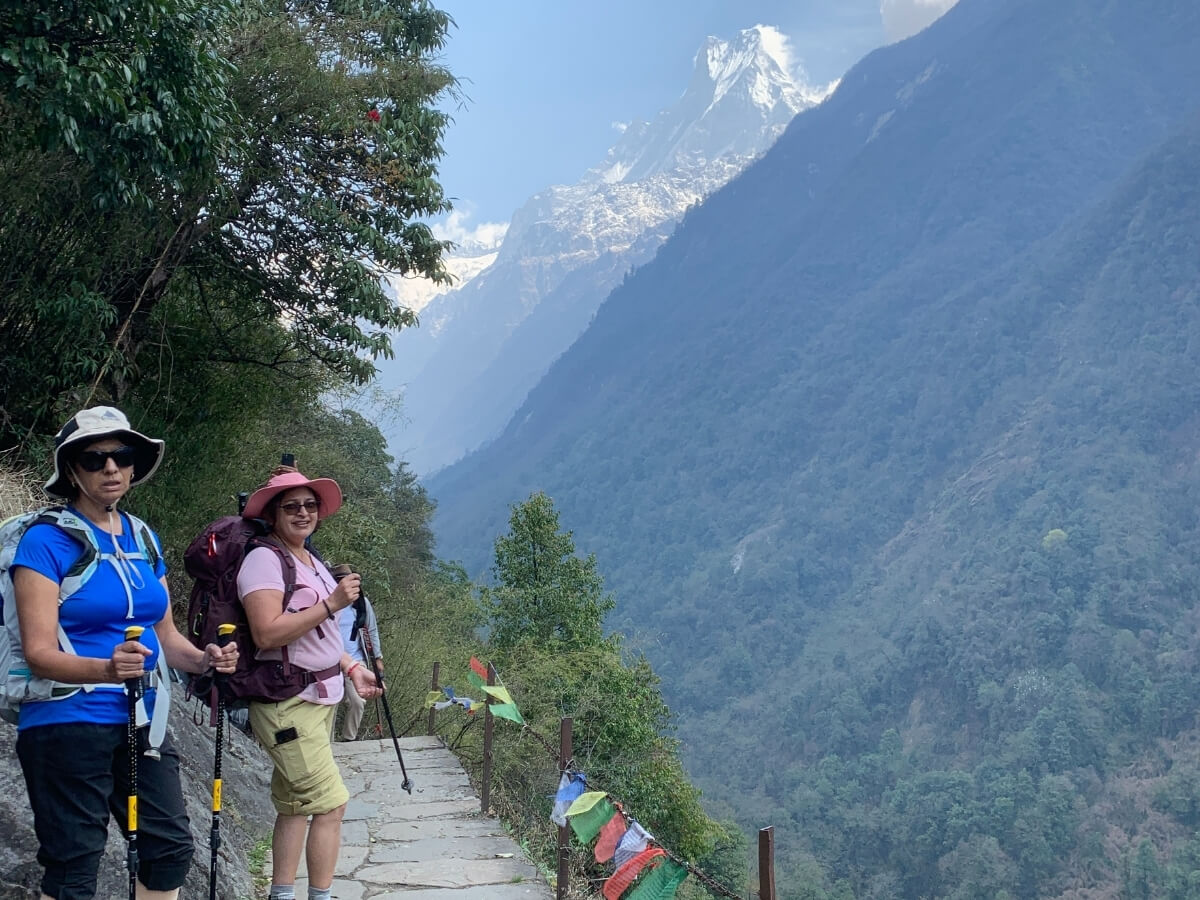
The ABC Trek from Pokhara grants outstanding mountain panoramic views, Dense to Lush Forest, waterfalls and typical Gurung and Magar villages throughout the trail. Pokhara to Annapurna Base Camp Trek is blend of nature, culture and people offering wonderful experience in Nepal.
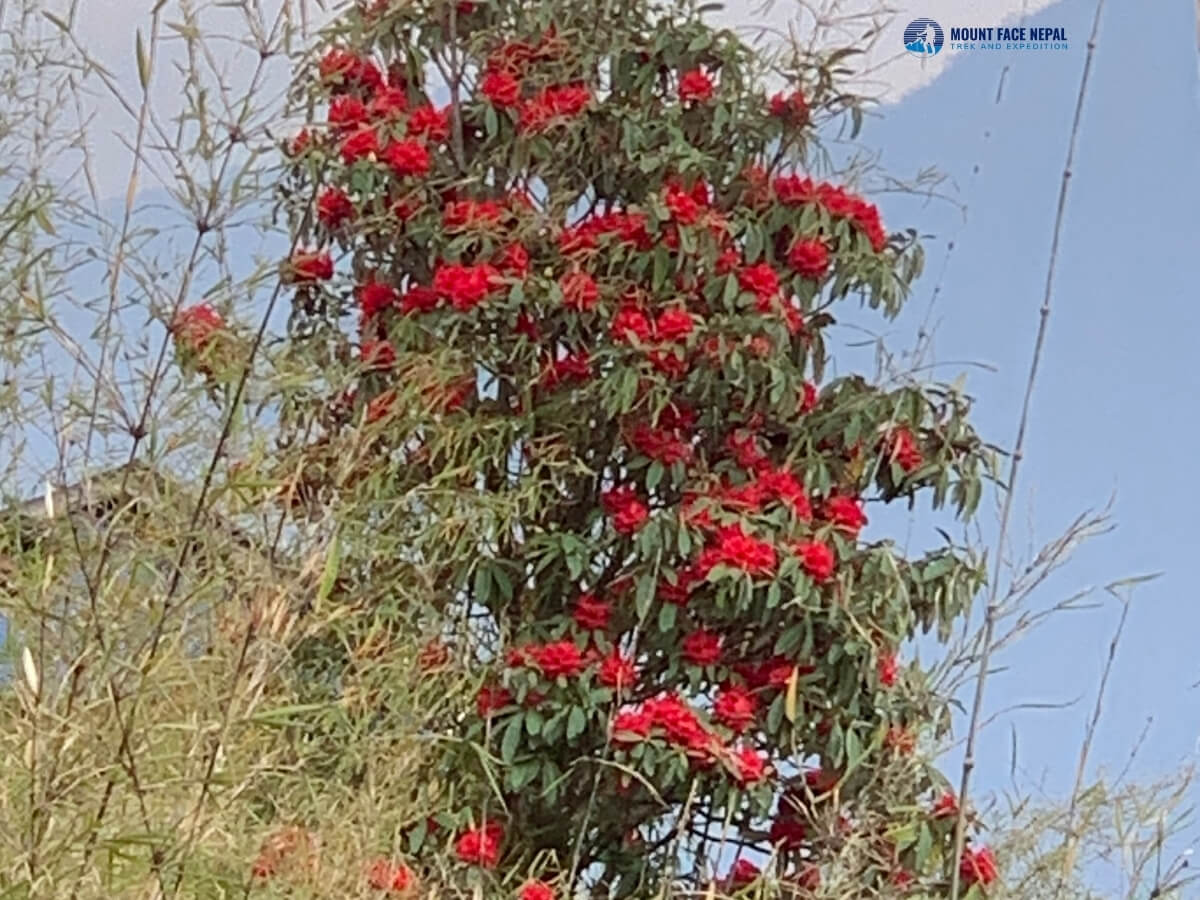
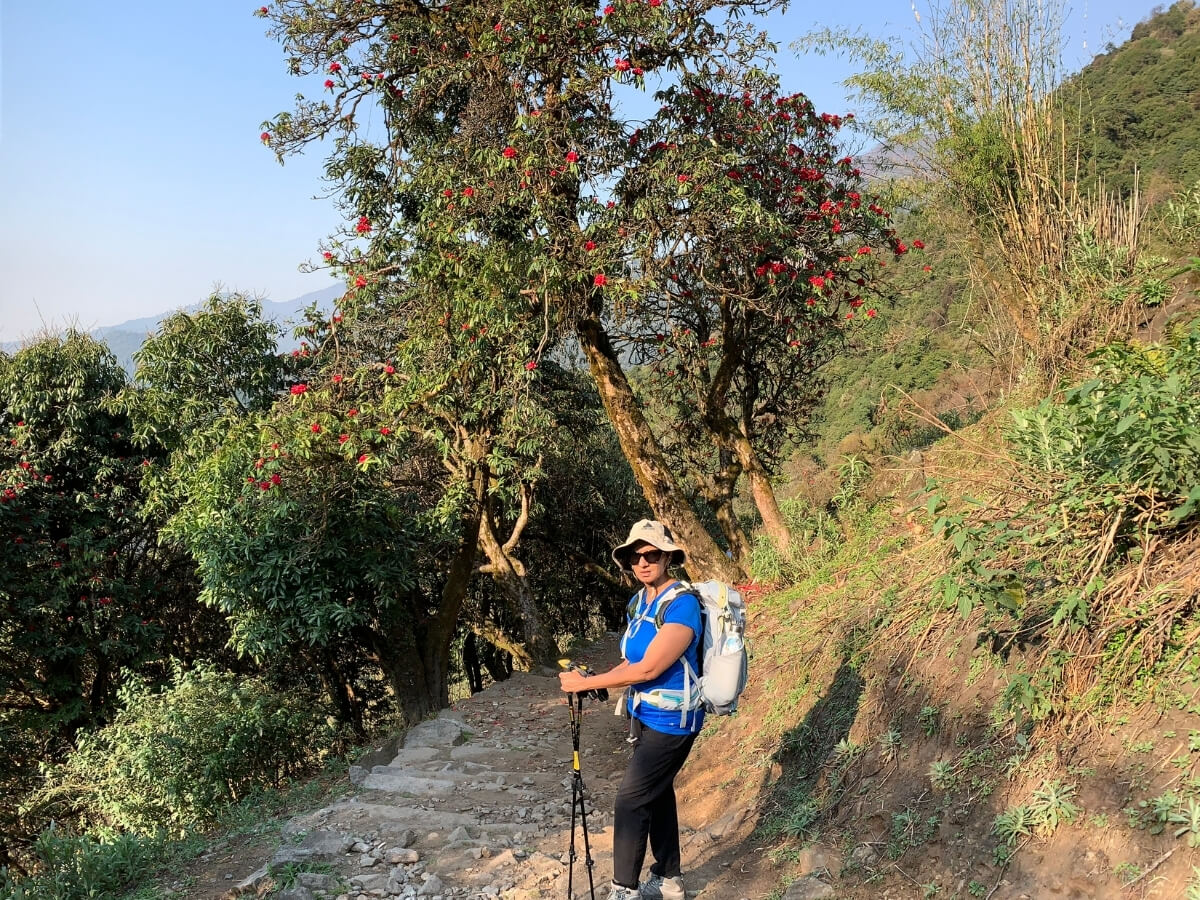
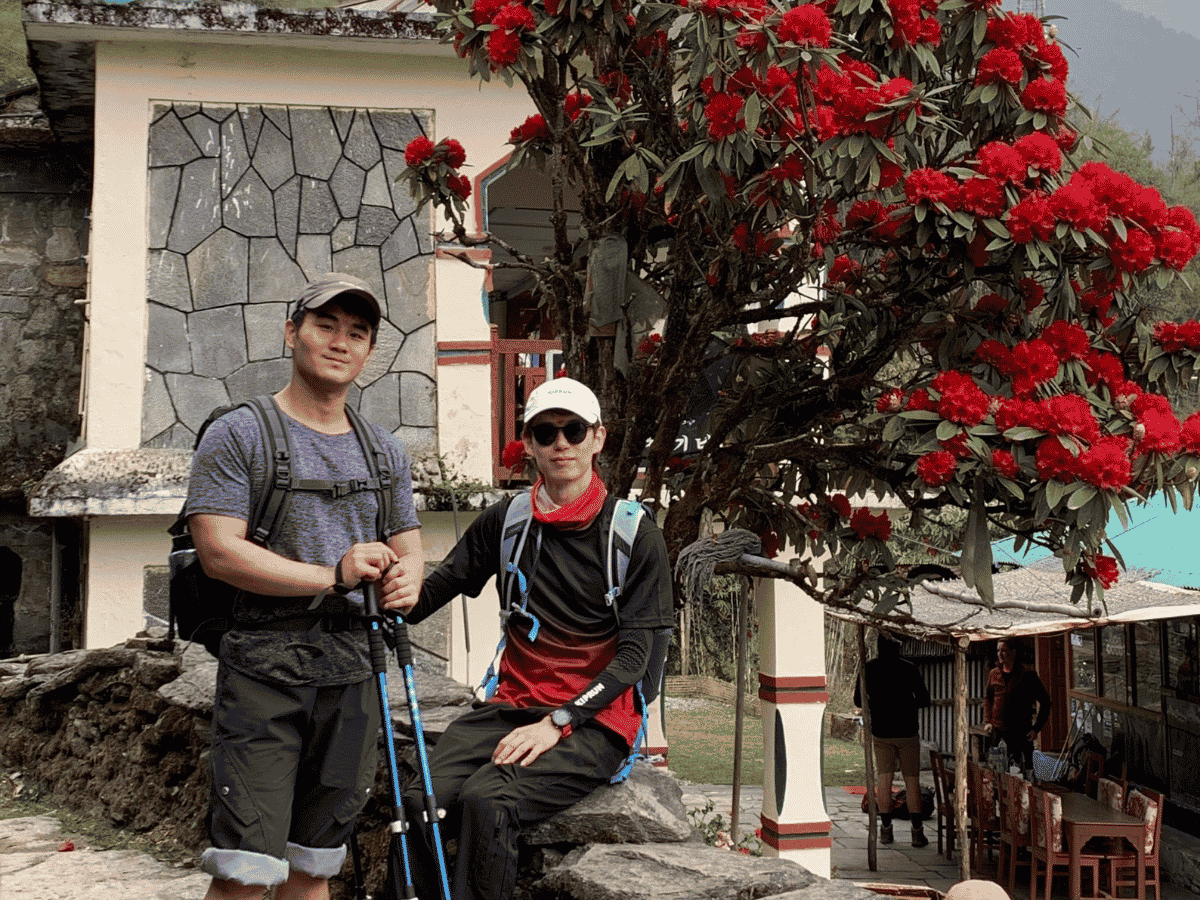
Rather than longer treks in the region, the Annapurna Base Camp Trek From Pokhara can be traversed within 6-7 days. It is more comfortable for hikers with short time holiday. Yes, it is short trek in Annapurna Region but we are not going to miss any spot. You will have full phase of fun during ABC trek from Pokhara like classic Annapurna Base Camp trekking. Hiker taste the thrill of reaching both Machhapuchhre Base Camp and Annapurna Base camp, passing through rhododendron forests and Bamboo Forest.
Short Annapurna Base Camp Trek is an extraordinary selection of trekkers who are willing to do some adventure in Nepal for 2026/2027. Pokhara to Annapurna Base Camp Package, created by Mount Face Nepal secure a gentle experience with well trained guides, all needy logistics and customized facilities.
Either you are a beginner or seasonal hiker in Nepal, the Annapurna Base Camp Trek from Pokhara commits picturesque trails, magical mountain view, cultural experience, and unforgettable trekking memories.
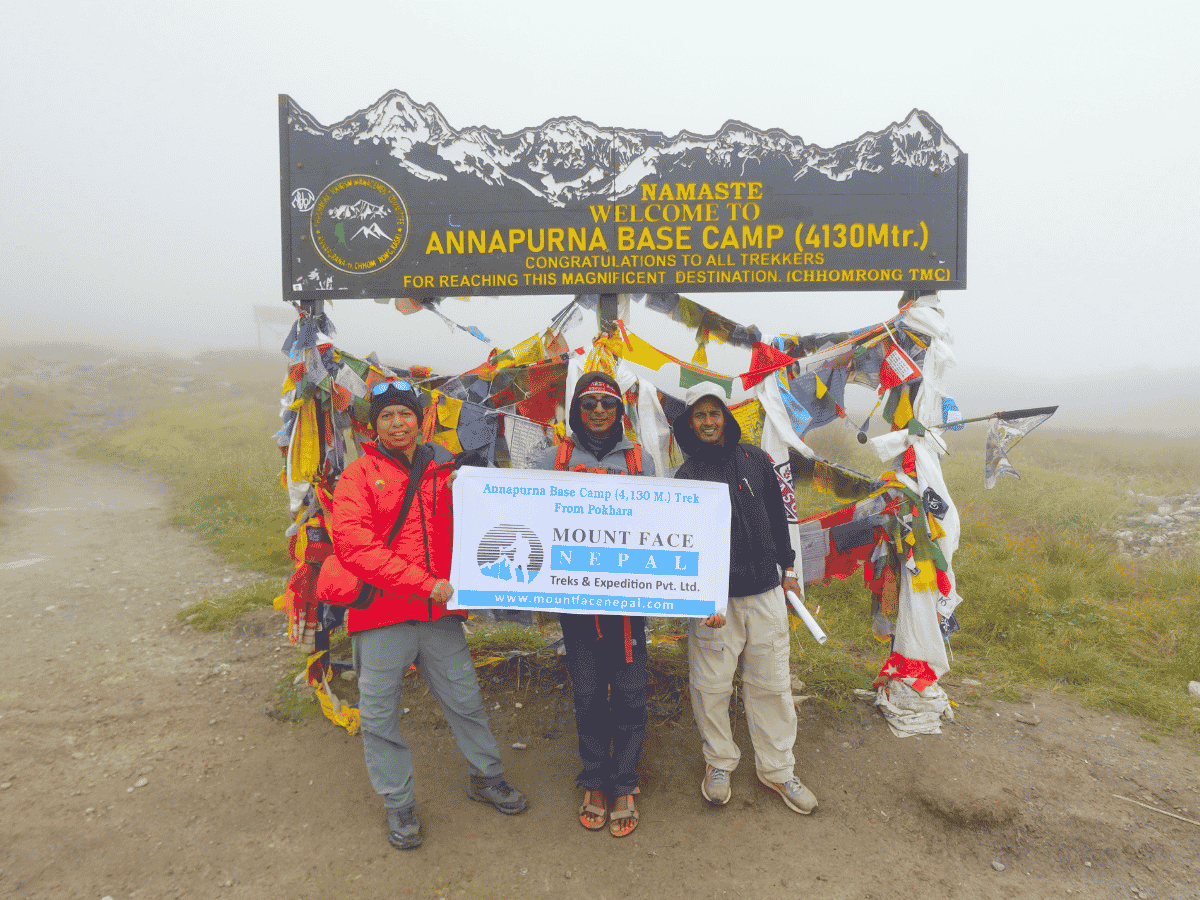
Annapurna Base Camp Trekking from Pokhara Highlights.
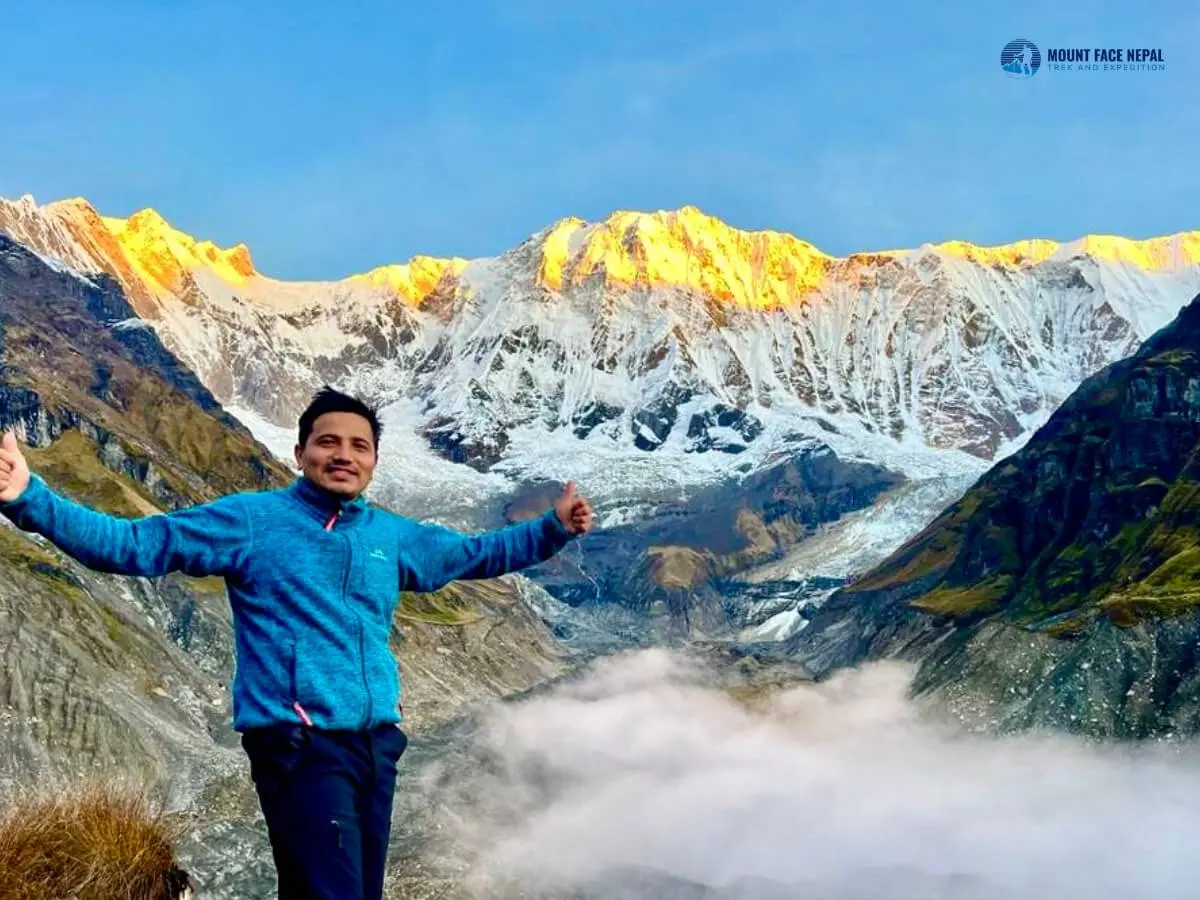
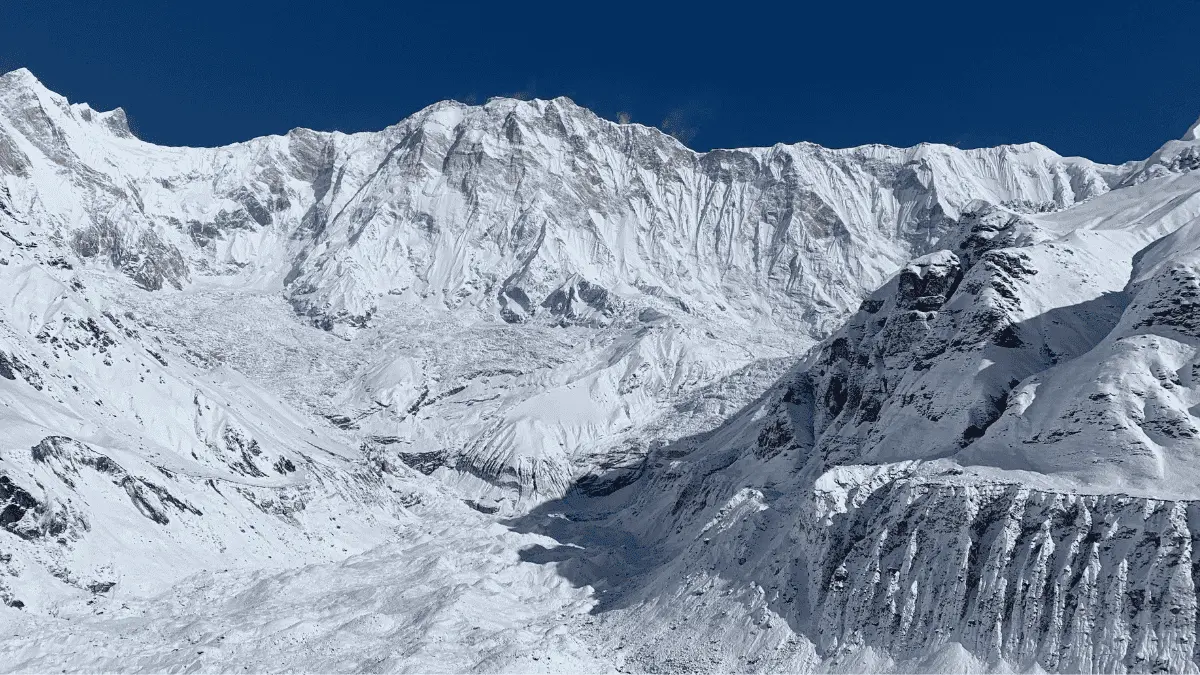
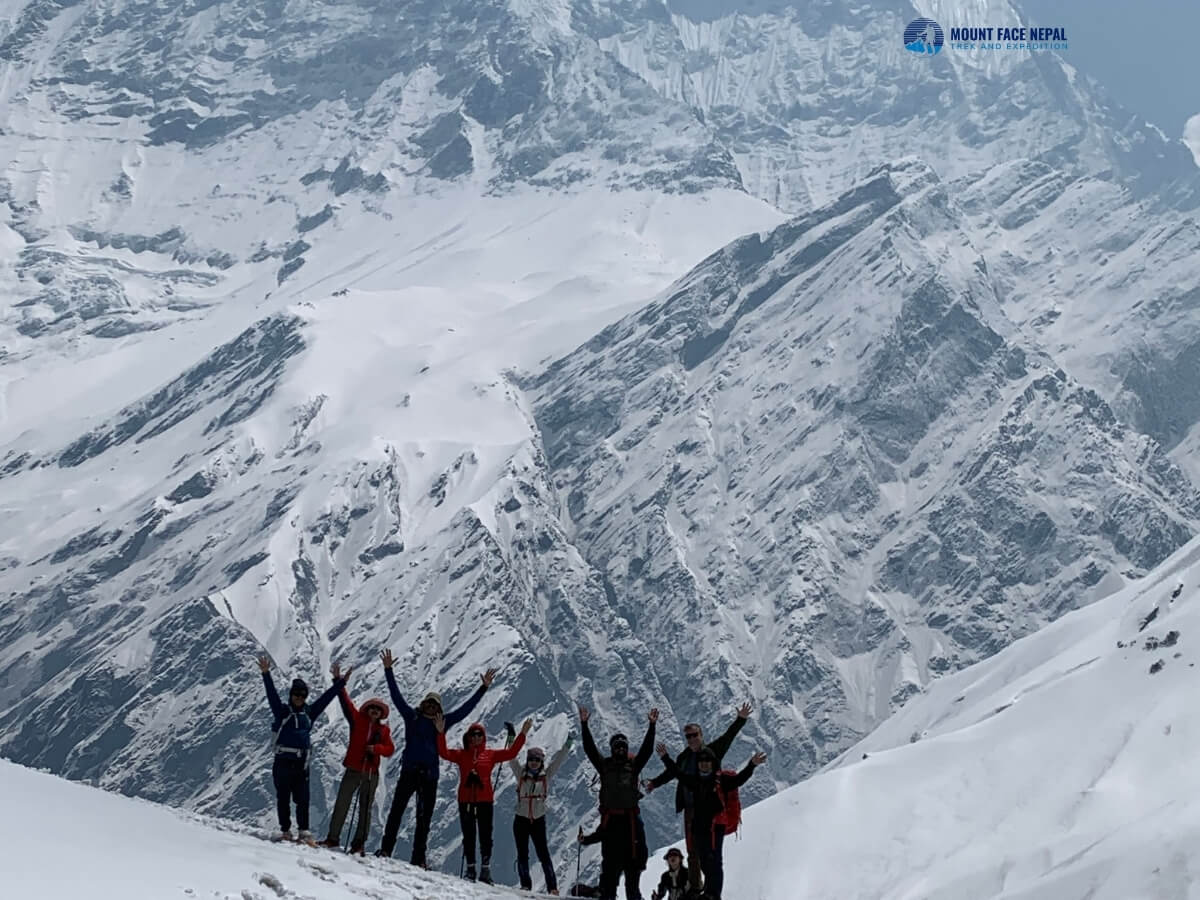
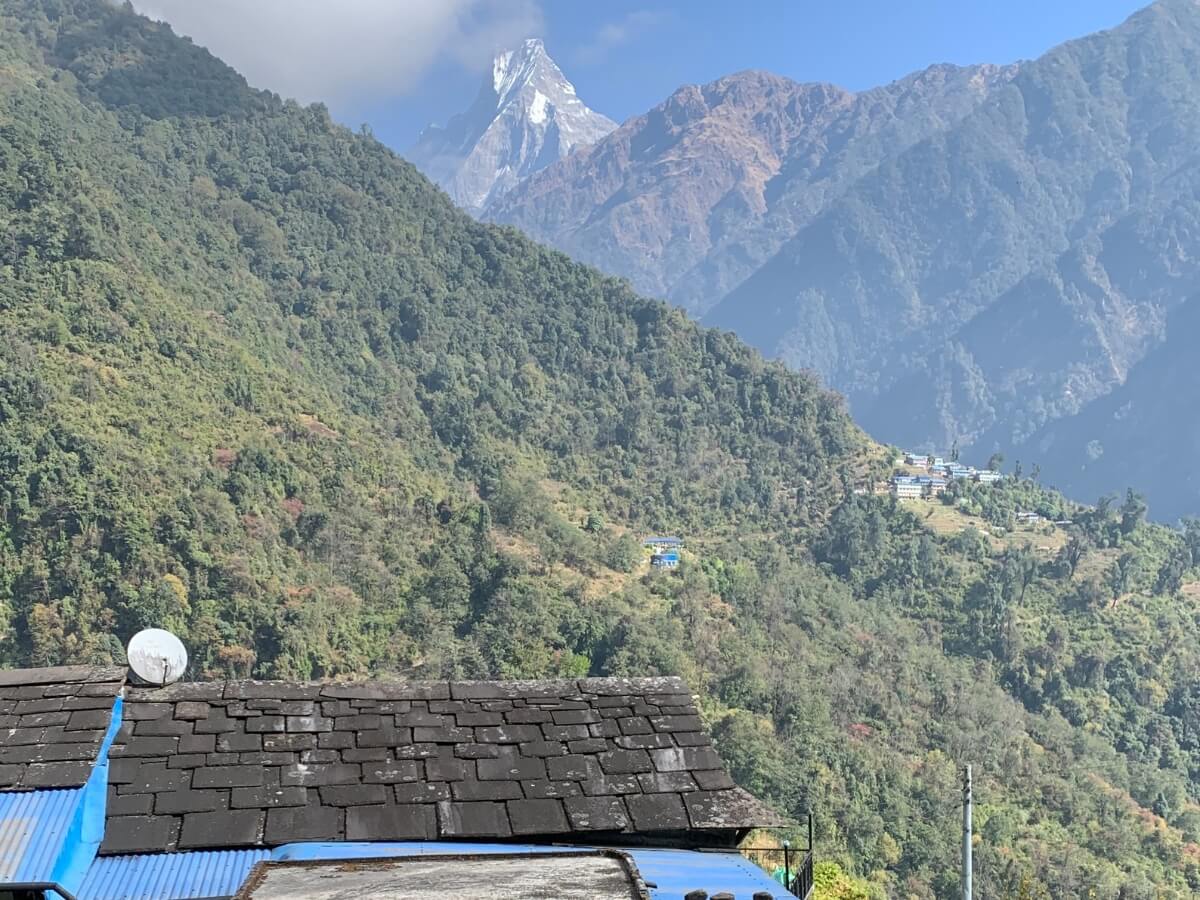
- Magical Himalayan Views: Experience the thrill of stunning 360-degree view from Base camp including magnificent Annapurna I, Mt. Machhapuchhre, Himchuli, Gangapurna and neighboring peaks.
- Magical Sunrise and Sunset Views: Sunrise and Sunset view from Annapurna Base Camp is the key attraction of ABC trek from Pokhara.
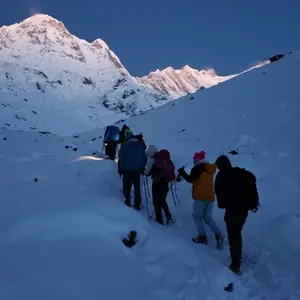
- Short and Comfortable Trek: Just 3 days walk takes you at Annapurna Base Camp, ideal for trekkers with limited holiday.
- Cultural Encounter: Explore typical Gurung and Magar Village like Ghandruk and Chhumrung. It offers cultural experience.
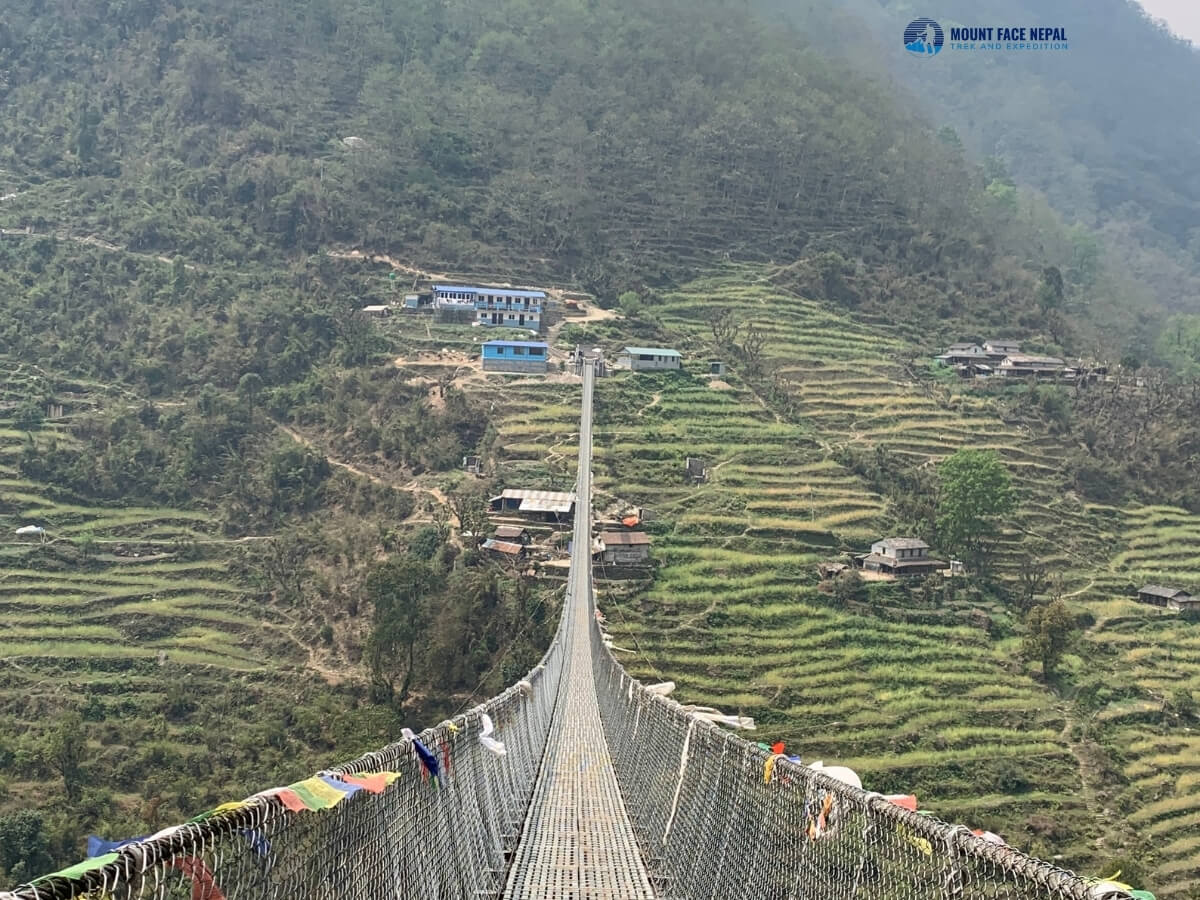
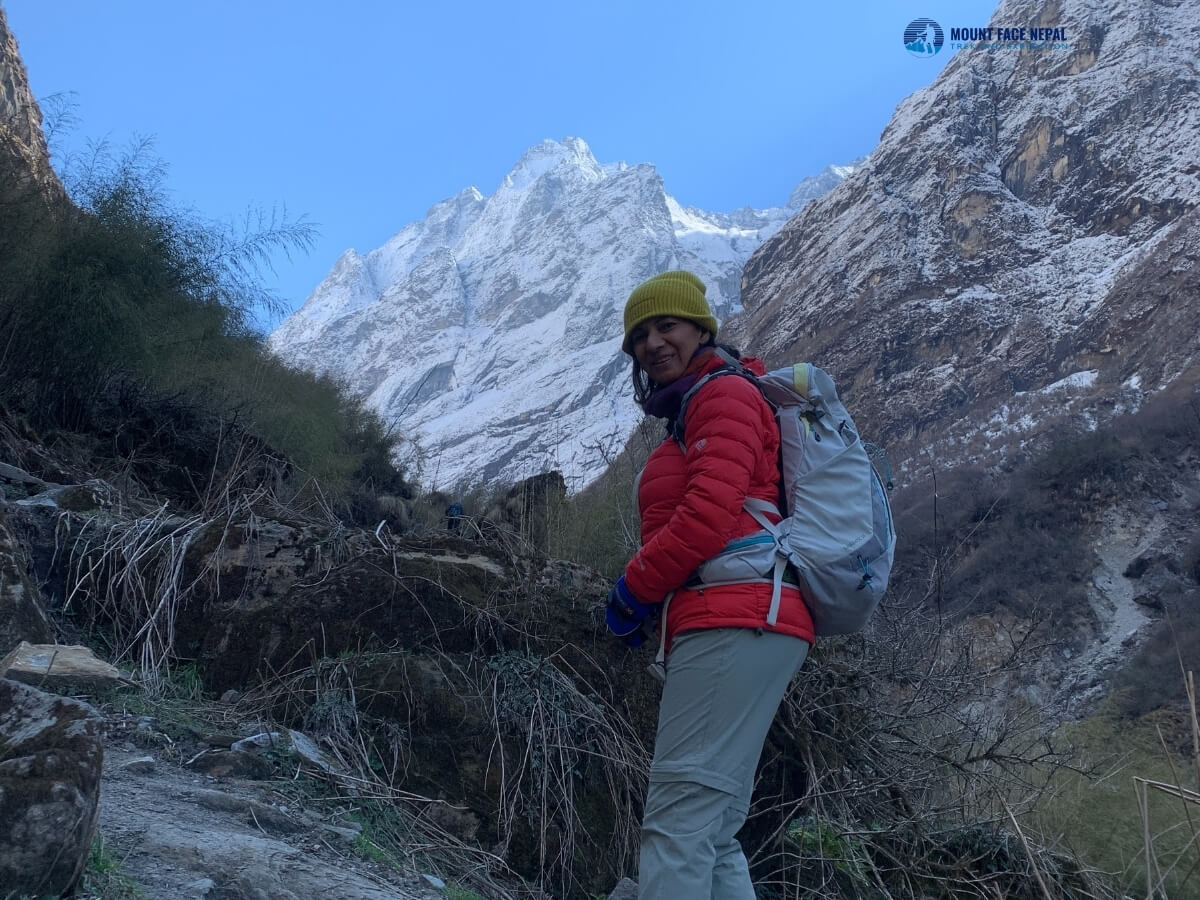
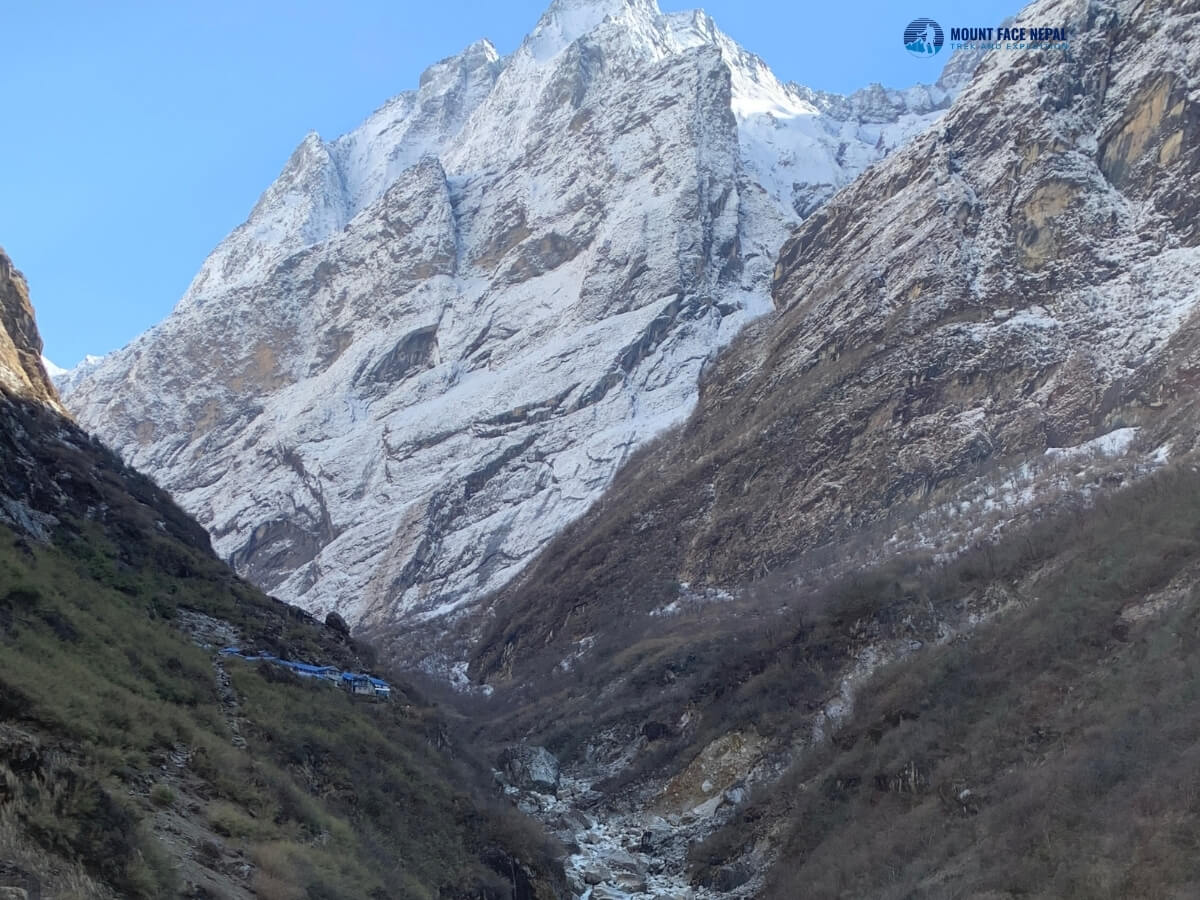
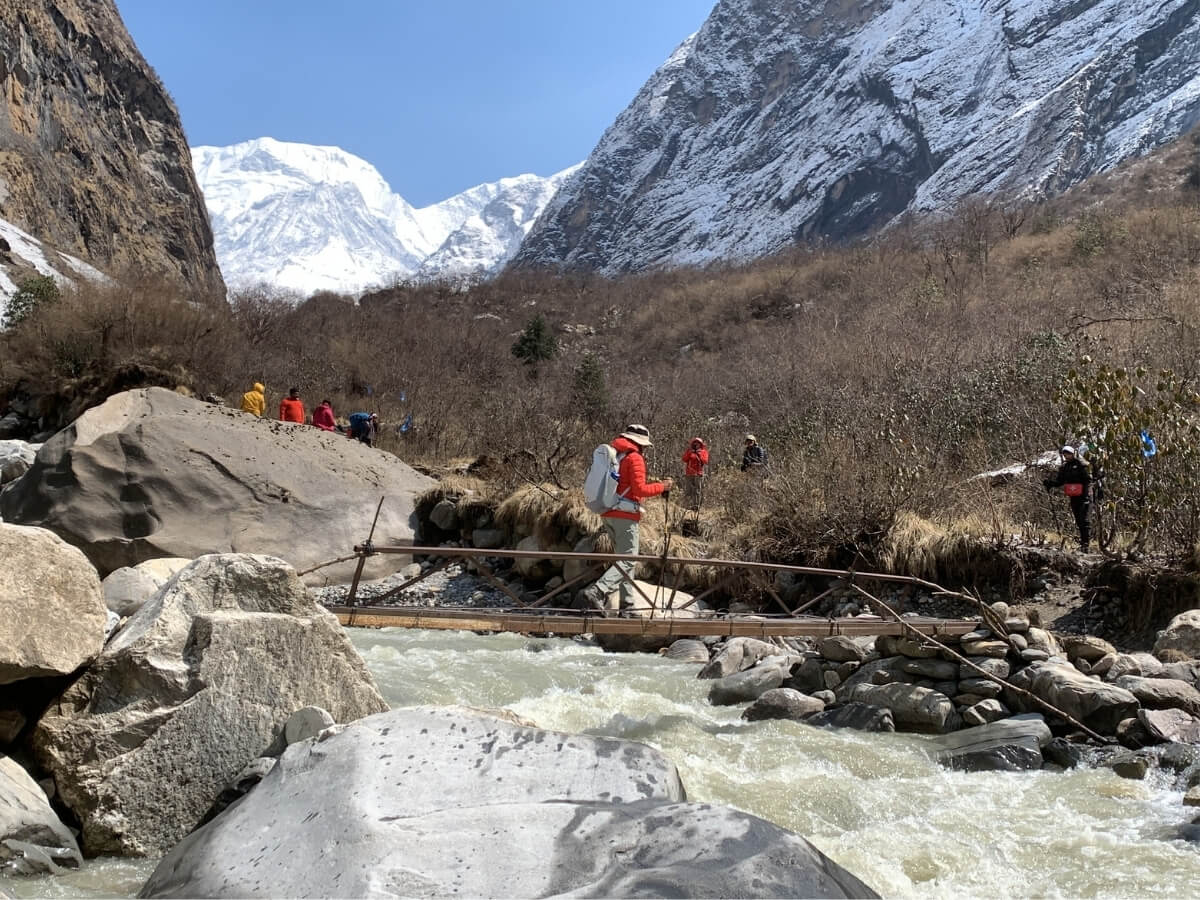
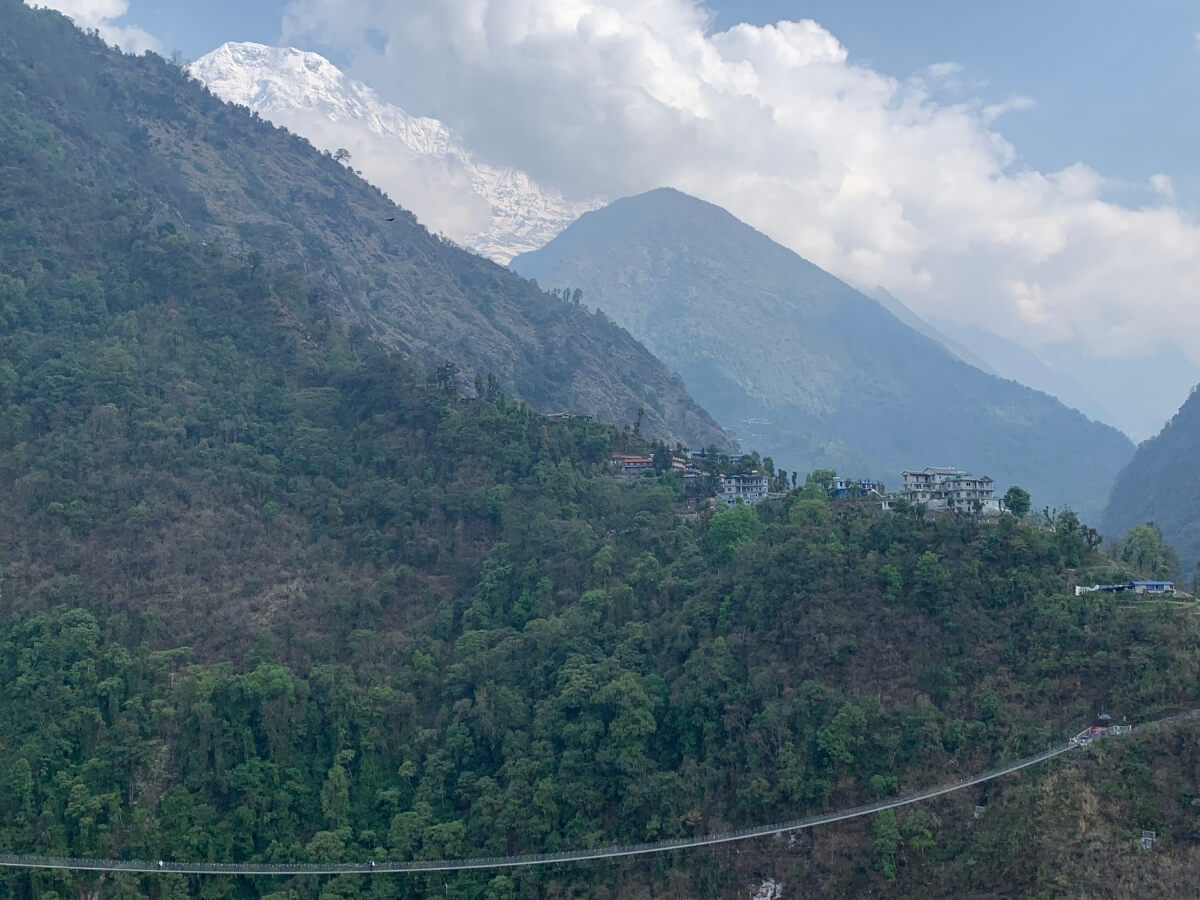
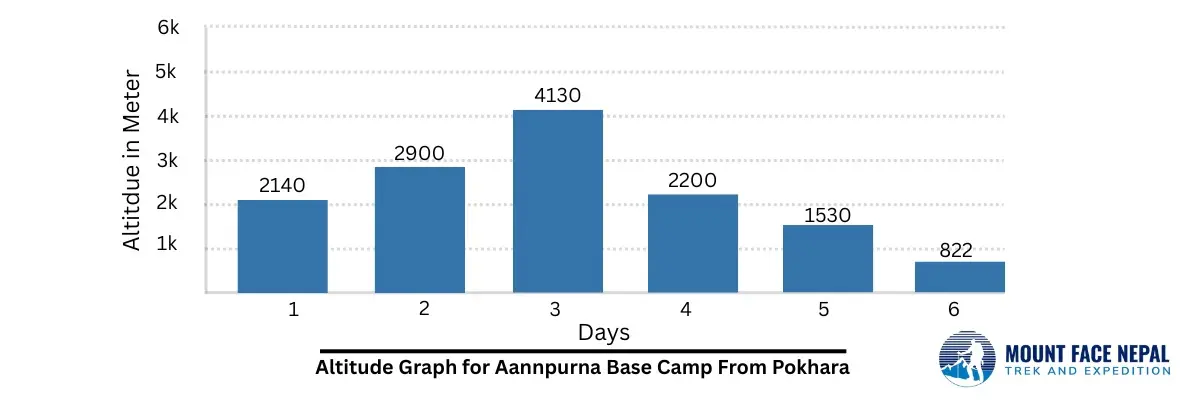
- Temperate to Alpine Landscapes: Annapurna Base Camp from Pokhara Trekking trails stretches from 822 m to 4130m from sea level. This change in altitude offers various type of landscape, forest, terraced farms, waterfalls and suspension bridges.
- More than One Base Camp: Pokhara to ABC trek takes you not only Annapurna Baswe Camp but also to Machhapuchhre Base Camp.
- Accessible for All levels: This trek is approperiate for beginners and experienced hikers who have good physical fitness.
- Quick Loss of Altitude: If you caught altitude, you can loss approximately 1000 m with in few hours.
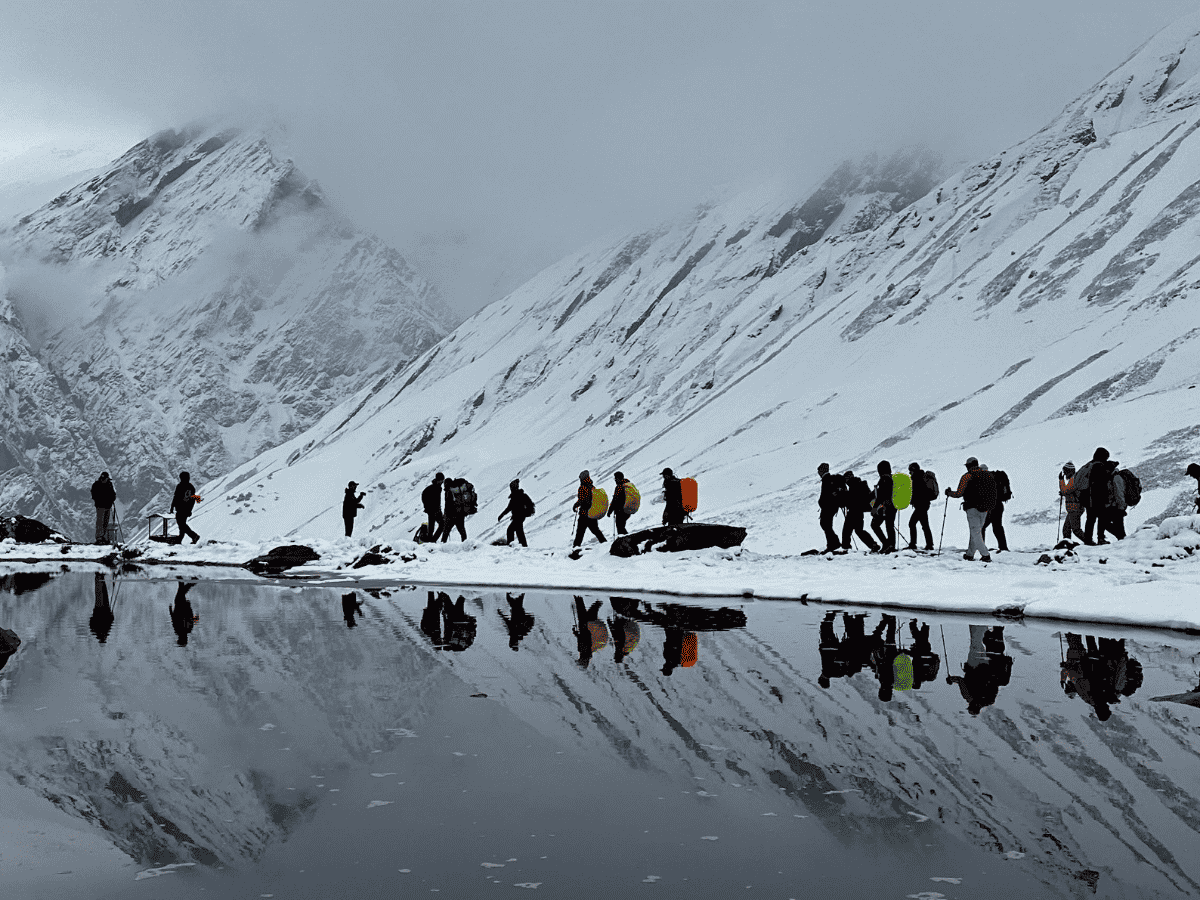
Brief Itinerary of Annapurna Base Camp from Pokhara
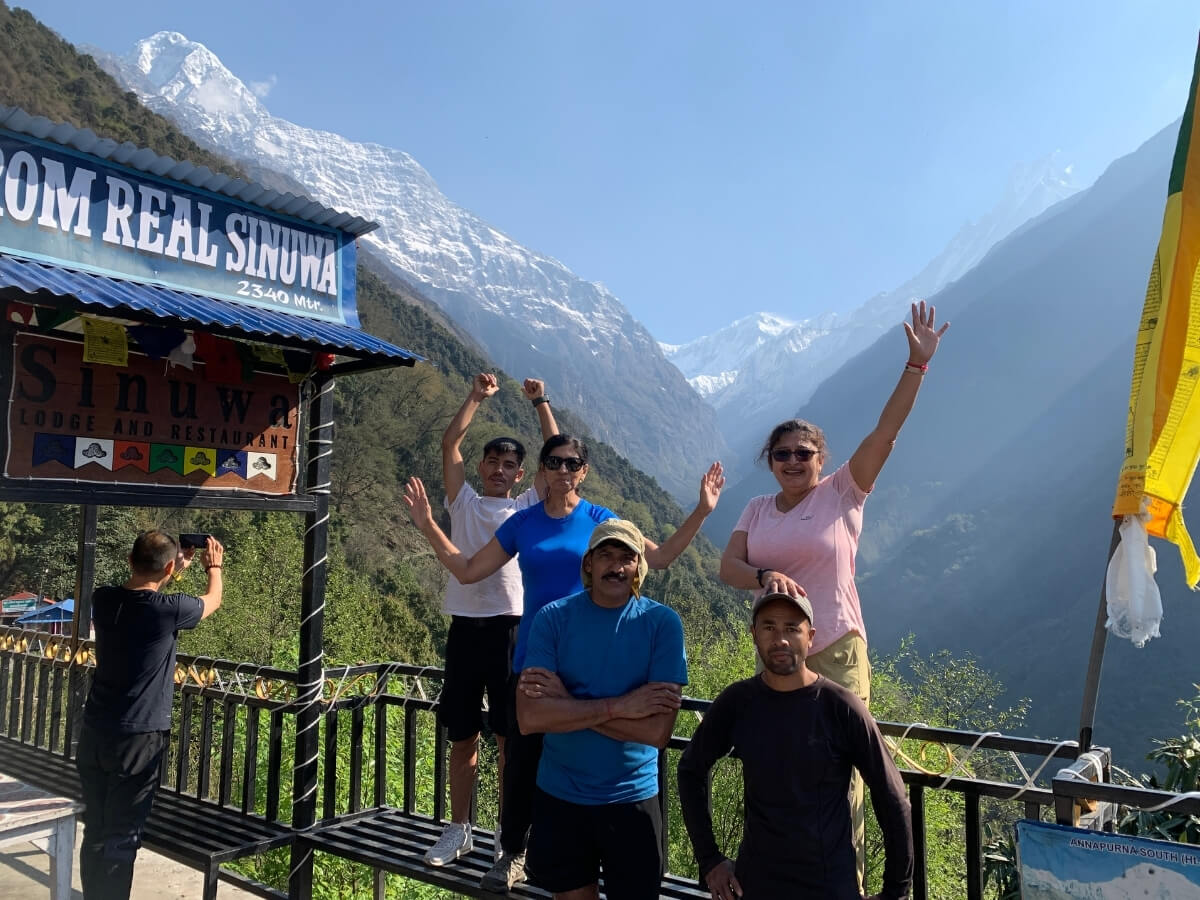
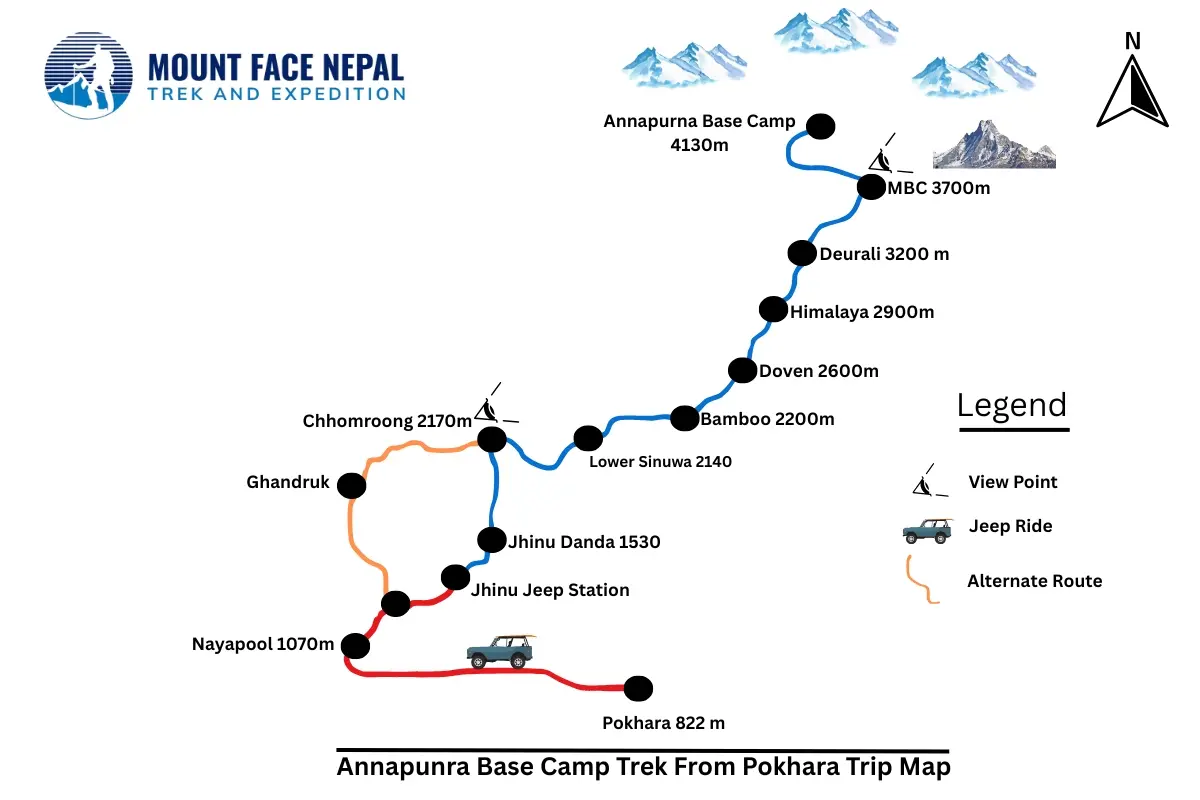
- Day 01: Drive to Jhinu Danda (1530m/3 Hour Drive) Then Hike to Lower Sinuwa(2140m) /5-6 Hours
- Day 02: Trek to Himalaya (10-11km/2900m/6-7 Hours)
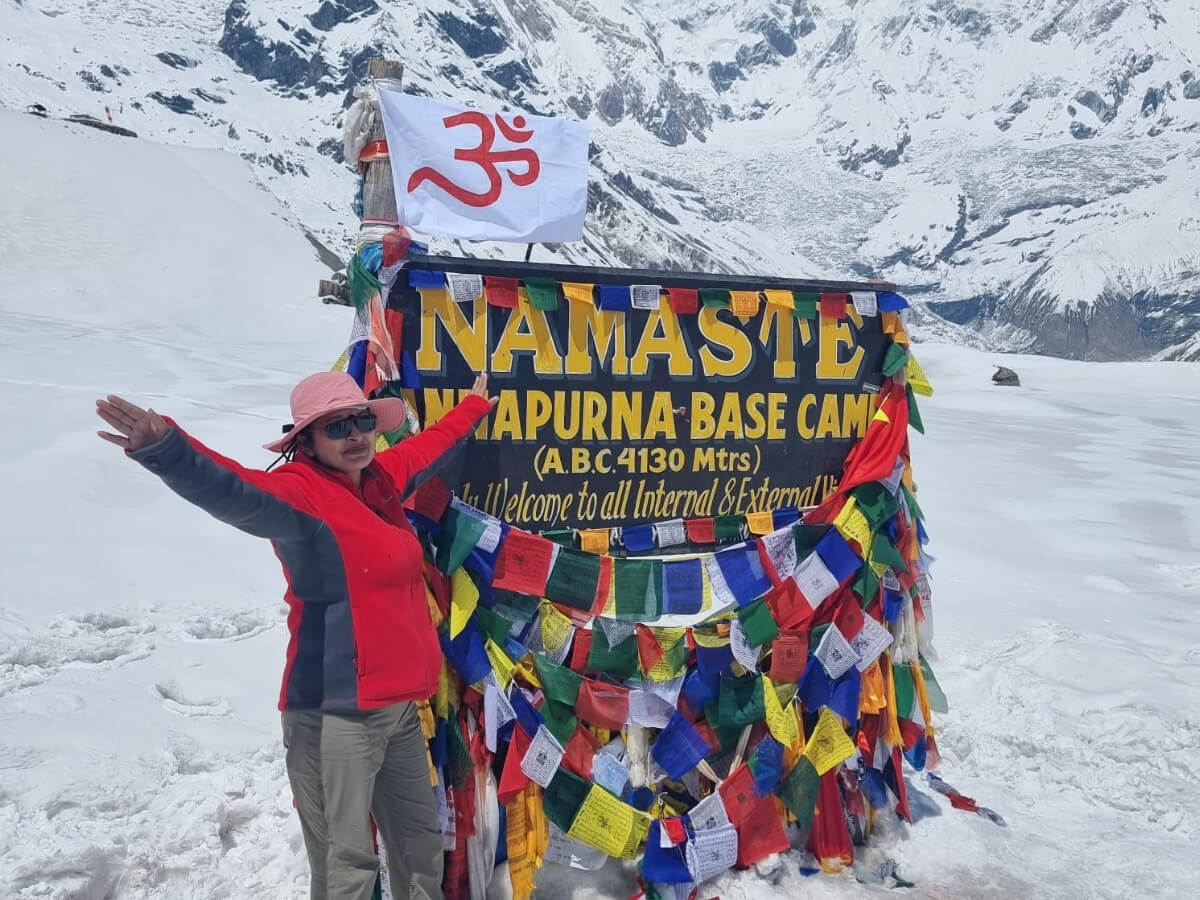
- Day 03: Trek to ABC (10km/7-8 hours/4130m)
- Day 04: Trek to Bamboo (14km/7-8 Hours/2200)
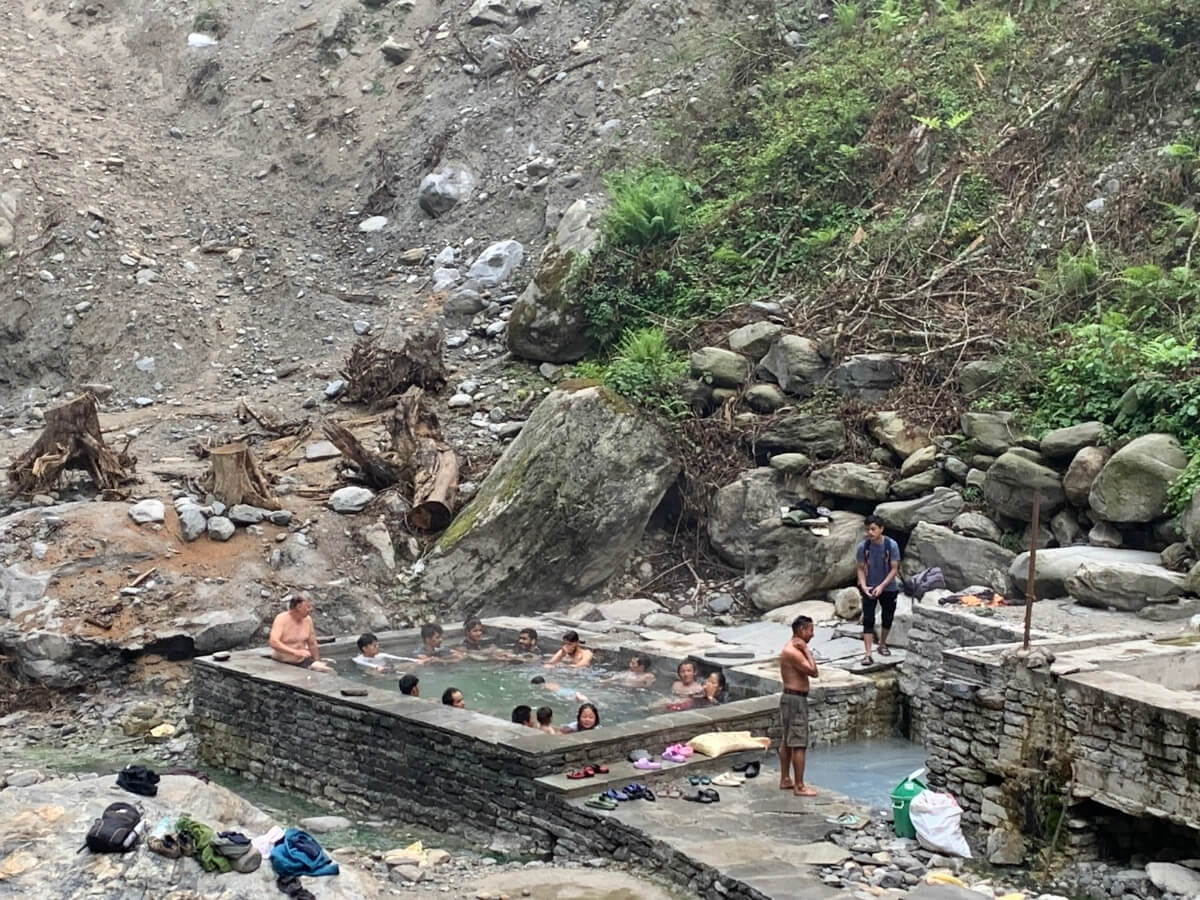
- Day 05: Trek to Jhinu Danda- Explore Jhinu Hot Spring (9km/5-6 hours/1530m)
- Day 06: Trek Down to Jhinu Jeep Station(15min) then Drive to Pokhara (62km/3 Hours)
Advantages of Booking Annapurna Base Camp Trek with Mount Face Nepal
- Professional Local Guide:Trek with an experienced local guides who know the Annapurna region, it's culture, trails, and mountain conditions very well.
- Customized & Friendly Experience:We Mount Face Nepal personalize the Annapurna Base Camp trip according to your tastes, preferences, pace and interest in trekking.
- Safety & Health Support:Travelers safety comes first, so we provide health support, first-aid facilities, and insurance for our trekking team.
- Well-Paid Support Team:We believe in the responsible tourism and ensures that even our porters and support staff are fairly and well compensated.
- Pickup & Drop-Off Service:We provide convenient pickup and drop-off services from the both trekking starting and ending points.
- Trekking Duffel Bag:We Mount Face Nepal also provide duffel bag for your trek to make carrying and organizing your belongings easier.
- First-Aid Kit:A first-aid kit is carried by our professional guide throughout the Annapurna Base Camp trek to provide basic medical assistance when needed.
- Free Trekking Map:You will receive a complimentary Annapurna Base Camp trekking map to help you understand and follow the route safely.
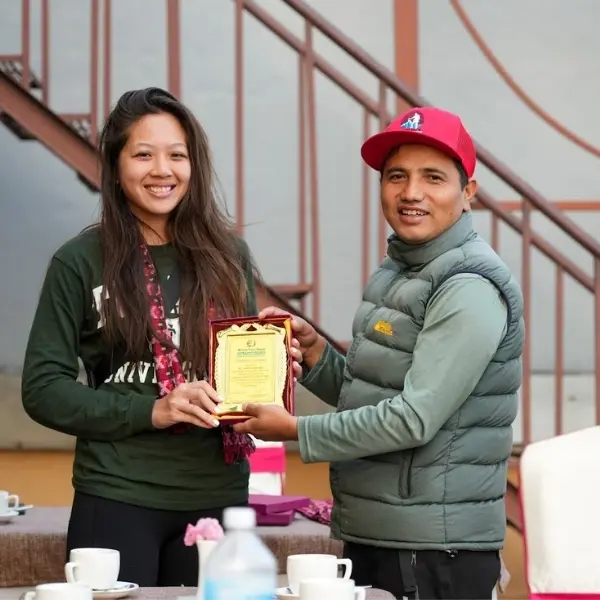
- Trek Completion Certificate:After completing the ABC adventure you will receive the trek Completion Certificate as a memory of recognition
What Can you expect from Annapurna Base Camp Trek from Pokhara?
Annapurna Base Cam Trek from Pokhara plan is a tailored edition of our classic 12-days Annapurna Base Camp Trek majorly concentrating on personal living in Pokhara. You can enjoy the same view of Annapurna Base Camp, Annapurna Range and other peaks but in a short Duration of time.
- Same Trail and Same Scenery but in short time.
- Discover typical local village and its lifestyle.
- ABC from Pokhara offers you day to day lifestyle at the hilly region of Nepal including their culture and traditions. Also provide chance to celebrate various festival with local people.
- Even the easy and physically relaxing trekking route, you can always expect the problem like altitude sickness and avalanche.
- Despite the easiness and less physically challenging trekking route, you can always expect obstacles like altitude sickness.
- Friendly and typical locals, lodge and tea houses.
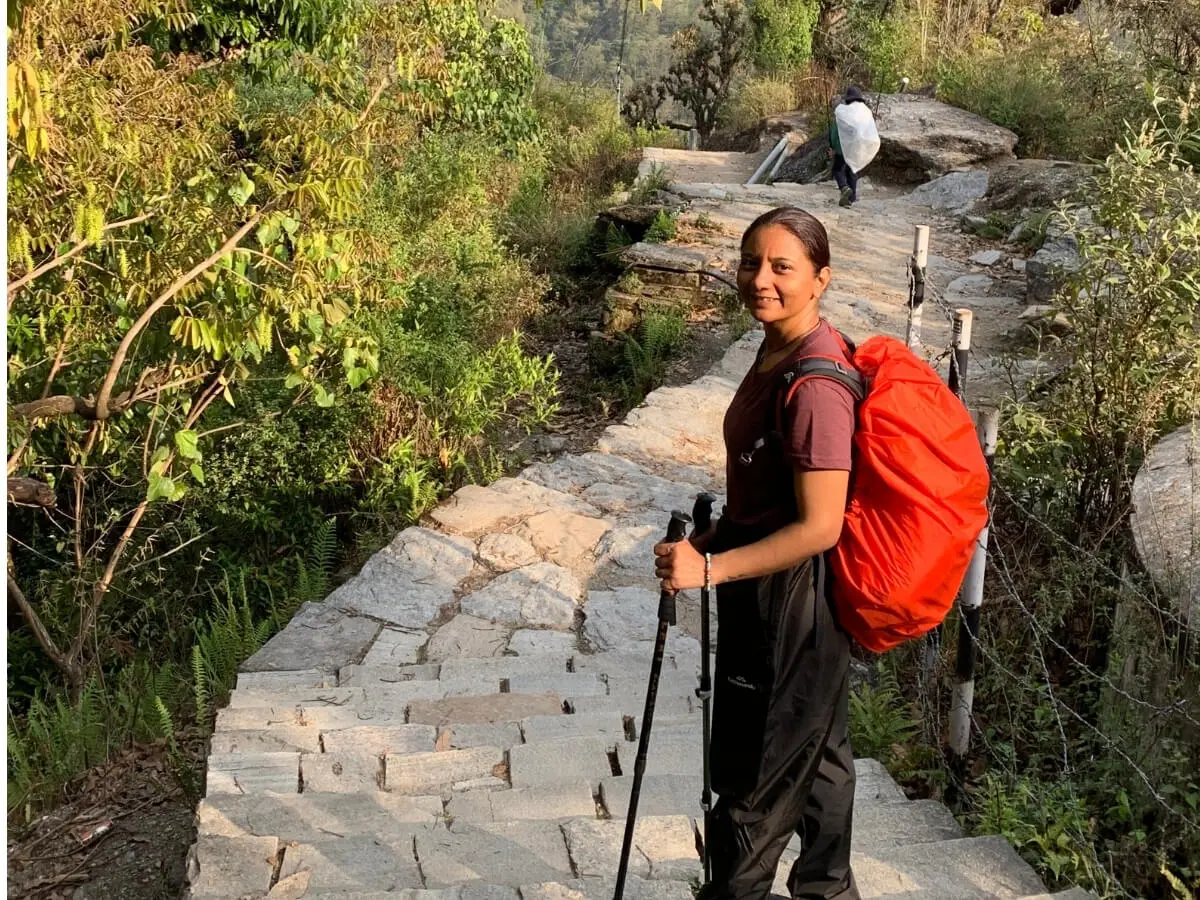
- Thousands of staircases could make you painful.
Annapurna Base Camp from Pokhara Trekking Packages Alternatives
Mount Face Nepal offers short 6 Days Annapurna Base camp trek package. We also offers several option with different features and experiences.
| NAME | ANNPURNA BASE CAMP TREK -12 DAYS | ANNAPURNA NORTH BASE CAMP TREK | ANNAPURNA CIRCUIT WITH TILICHO LAKE TREK |
| Duration | 12 Days | 4 Days | 15 Days |
| KeyFeatures | Full packages with flight and hotel at Kathmandu | Quick reaching inot the Himalaya | The famous trekking trail that offers breataking view of glaciel lake |
| Cost | From 910 USD | From 365 USD | From USD 440 USD |
Can You Drive to Ghandruk & Jhinu Danda Now? Latest Road Access Update
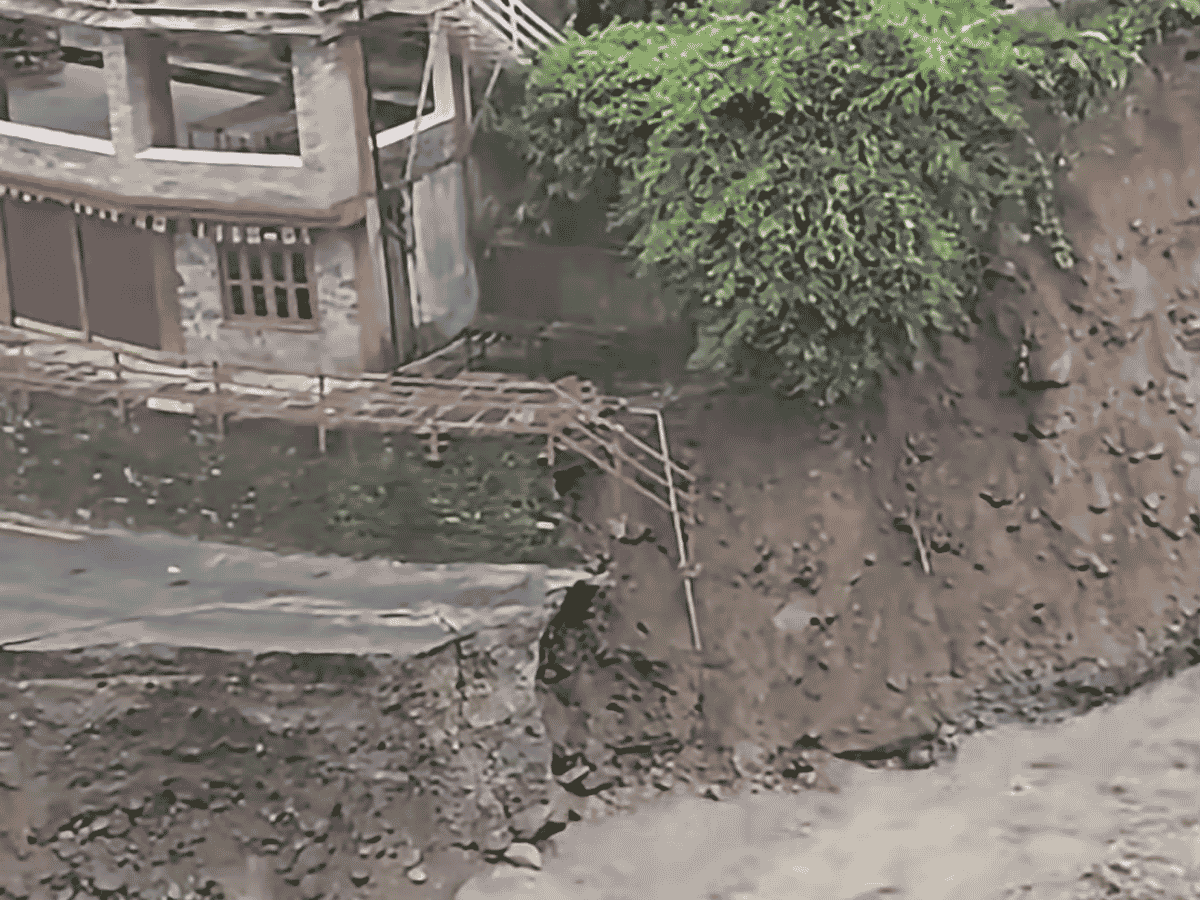
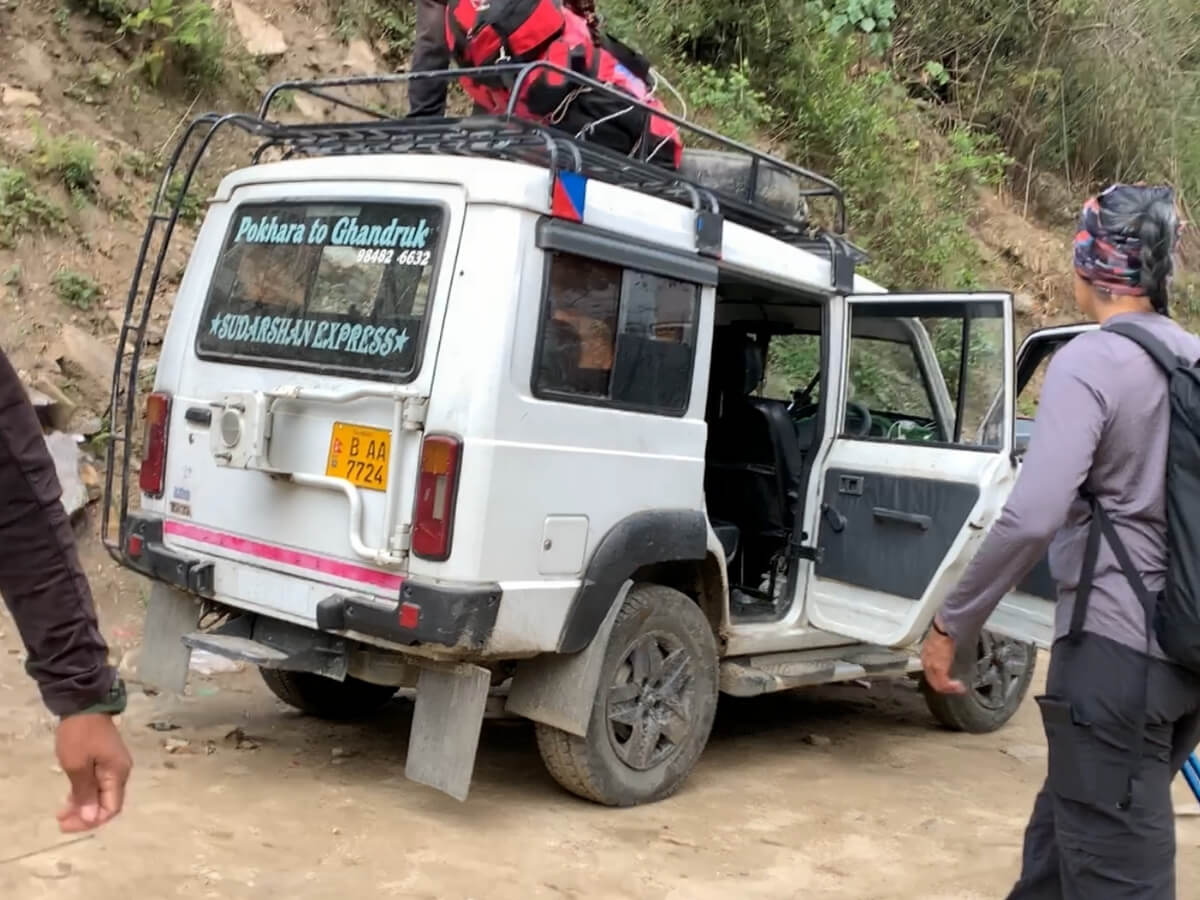
The Nayapul–Birethanti–Ghandruk road is a major route conneting Pokhara with the Annapurna region and serves as an important gateway to various destination such as Ghandruk, Poon Hill, Annapurna Base Camp, Jhinu Danda and more. However, due to flooding that occurred about a month ago, this important travel corridor has been affected. Following intense rainfall and flooding in the Modi River near Birethanti, several sections of the Nayapul–Ghandruk road were washed away. Vehicle movement toward Ghandruk and Jhinu Danda is now possible, but the route remains partially disrupted.
Once you book the drive journey, transport operators will take responsibility for getting you to your destination. However, you will need to get down and walk across landslide-affected areas and change vehicles a few times along the way. Importantly, you do not have to pay any extra charges for these transfers, but the journey may take little longer. The route is now open, but it is not yet fully flexible.
This disruption has affected transportation, local businesses, residents, trekkers, and visitors. Although construction and repair work are going on, full restoration of the route may take some time. Trekking now is possible, but travelers need to be well prepared for detours, damaged suspension bridges, and unstable trails. Travelers who are planning for a visit should allow flexibility in their itinerary and contact accommodation providers in Ghandruk or Jhinu Danda for the most practical and location specific update before finalizing any arrangements.
Note: Please check the latest local update before traveling to Ghandruk or Jhinu Danda.
Is Annapurna Base Camp Trek From Pokhara Suitable for you?
Annapurna Base Camp Trek from Pokhara can be completed within 6 days of time frame, where you will have same view as Classic Annapurna Base Camp Trek offer. If you are already reached Pokhara and seeking adventure like Annapurna Base Camp then ABC from Pokhara Trek Package is the one which we can suggest you.
For, this type of Short Trek, you do not need prior trekking and Hiking experience in Nepal Himalaya. Just you need to have clear mind set and determination to achieve your unique adventure from Pokhara. Under our Expert team, you will feel comfort and smooth throughout the journey.
Difficulty level of ABC trek from Pokhara is medium and can be achieved by any ages with clear and positive mindset. Ups and down is nature of the trail and Life.
Duration and altitude of Annapurna Base Camp Trek from Pokhara
| Trail Section | Distance | Time | Altitude |
| Pokhara to Jhinu Danda | 62 km | 3 Hours | 1530m |
| Jhinu Danda to Sinuwa | 5km | 5-6 Hours | 2140m |
| Sinuwa to Himalaya | 10-11km | 6-7 Hours | 2900m |
| Himalaya to ABC | 10km | 7-8 Hours | 4130m |
| ABC to Bamboo | 14-16km | 7-8 Hours | 2200m |
| Bamboo- Jhinu | 9km | 5-6 Hours | 1530m |
| Jhinu – Jeep station | 1.2km | 15 minutes | 1440m |
| Jhinu Jeep Station -Pokhara | 62km | 3 Hours | 822m |
Why Buff, Chicken, Pork, Beef and Fish are not Allowed on Annapurna Base Camp Trek from Pokhara?
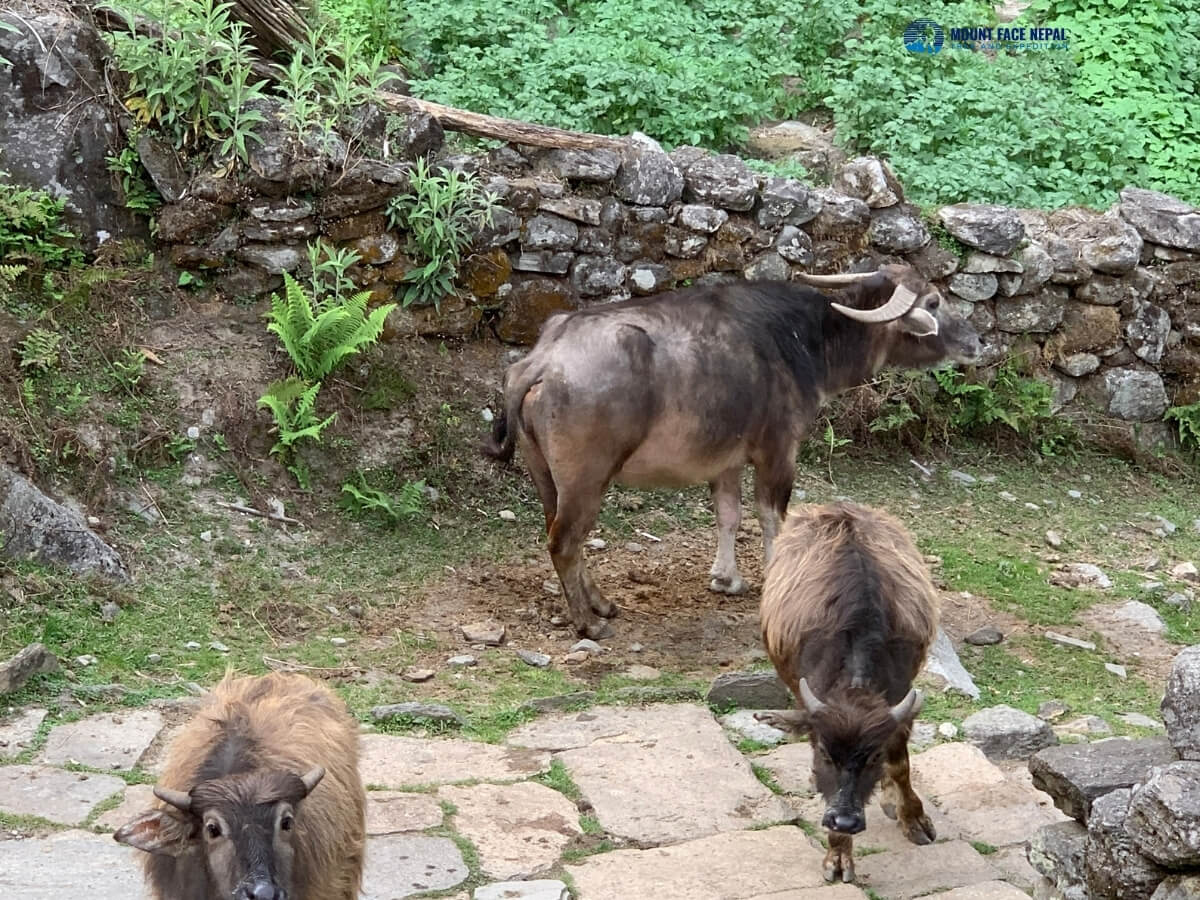
Annapurna Base Camp region lies inside the sacred Annapurna Sanctuary that is deeply respected by both Hindus and Buddhists religion where local Gurung and Magar communities worship mountain deities and ancient spirits to protect the purity of this holy land. Along the Annapurna Base Camp Trek , after crossing Pojenghem Barah Temple meats such as buff, chicken, pork, beef and fish strictly prohibited. Beef is completely avoided because cows are seen as a mother (Gau Mata) for providing milk and consuming beef is considered a sin in Hindu communities. Buff meat is also discouraged as buffalo are closely tied with farming life and seen near sacred status. While pork is usually avoided because pigs are often viewed as unclean in many Nepalese Hindu households. Chicken and fish are also often restricted as they are considered less pure in sattvik diets.
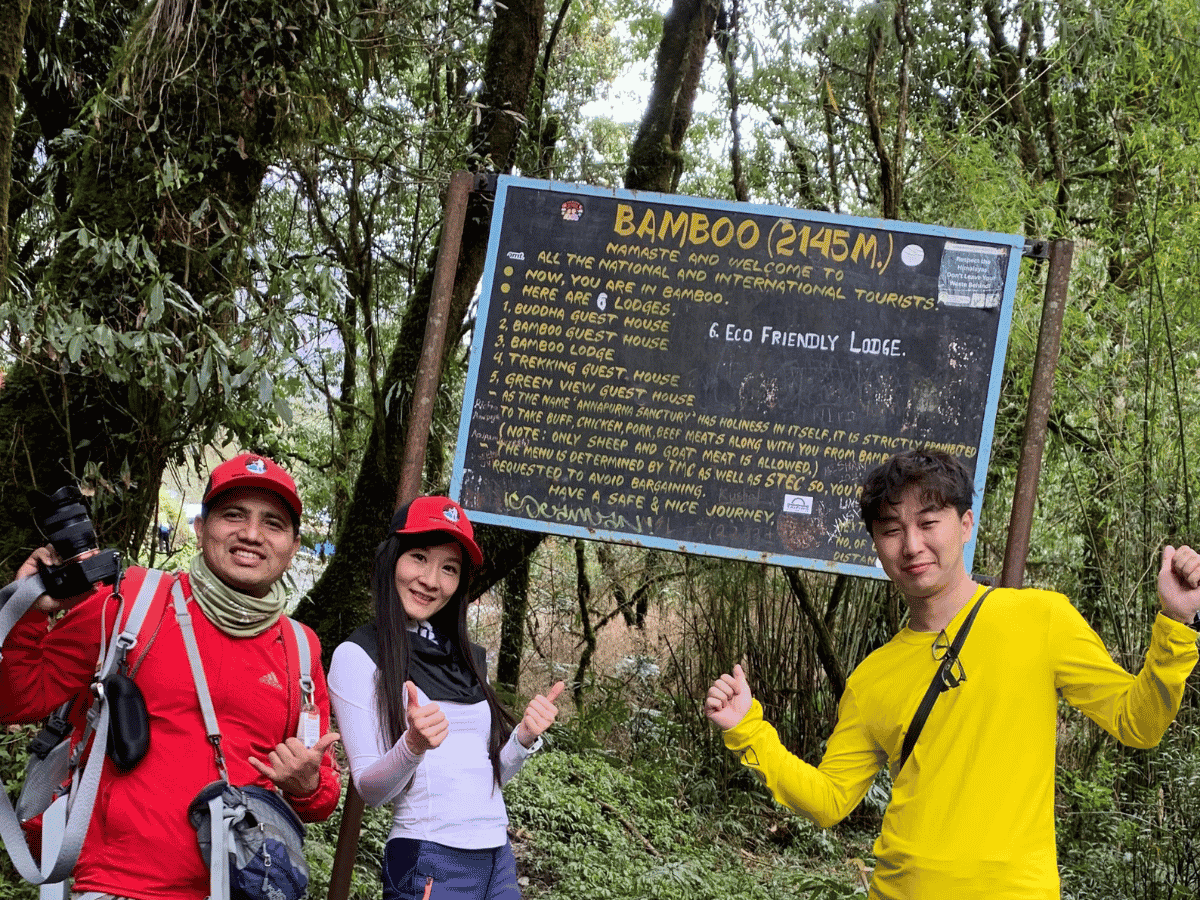
During the Annapurna Base Camp Trek, goat, sheep and mutton are generally acceptable in Hindu rituals because they are used in Vedic sacrifices and later consumed as prasad (blessed food). Above Chhomrong village, teahouses mostly serve vegetarian meals like dal bhat, vegetable curries, soups, noodles, potatoes, chapati and eggs as it lies in the sanctuary region. In the past, some trekkers carried meat into the sanctuary and local stories speaks of failed journeys, sickness and weather disturbances as signs that mountain deities were unhappy. So, teahouses on the ABC Trek from Pokhara mainly serves vegetarian meals for both safety and spiritual respect.
 Dipendra Simkhada(DIPU)
 Kisan Adhikari