 163 reviews
 20 reviews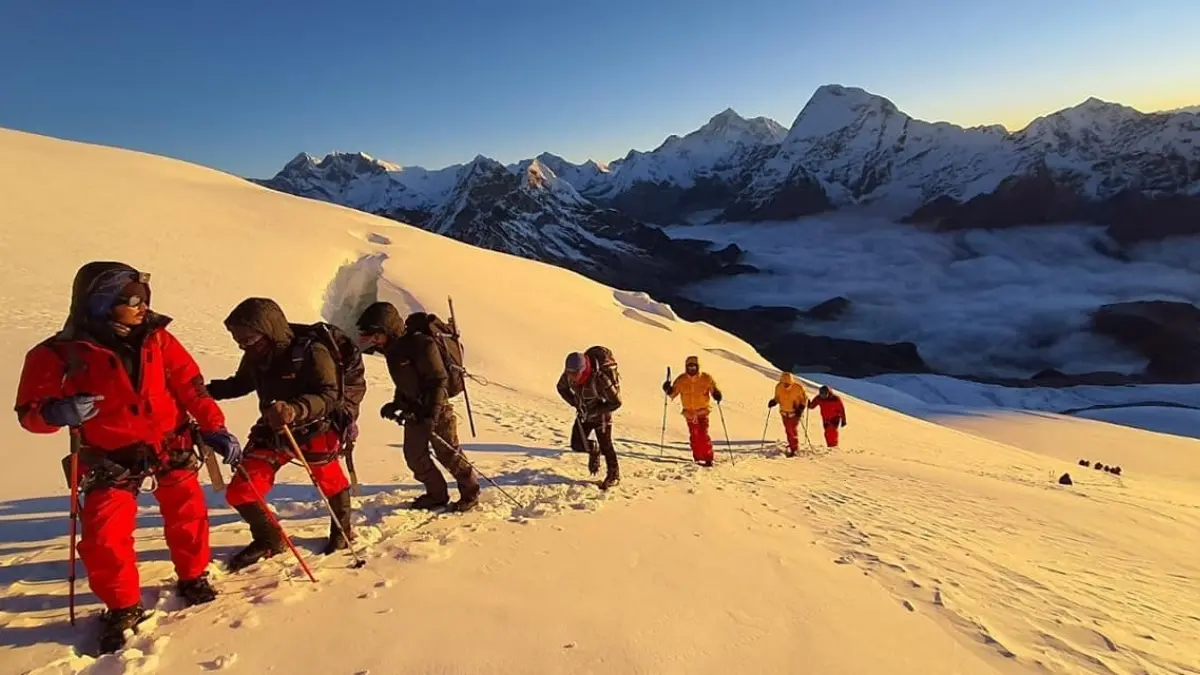
Mera Peak Climbing is one of the popular high-altitude adventures in Nepal where climbers or trekkers are rewarded with an unforgettable Himalayan experience. The main highlight of Mera Peak Expedition Nepal is reaching the Mera Peak Summit (6,476 meters) which is known as the highest trekking peak in the world. A typical Mera Peak Expedition follows a scenic Mera Peak Trek through remote valleys, gradual acclimatization and the glaciated terrain. Mera Peak Climbing Nepal is considered as technically straightforward but physically challenging and offers a true introduction to the Mera Peak Mountaineering while remaining comfortably achievable for the well-prepared climbers.
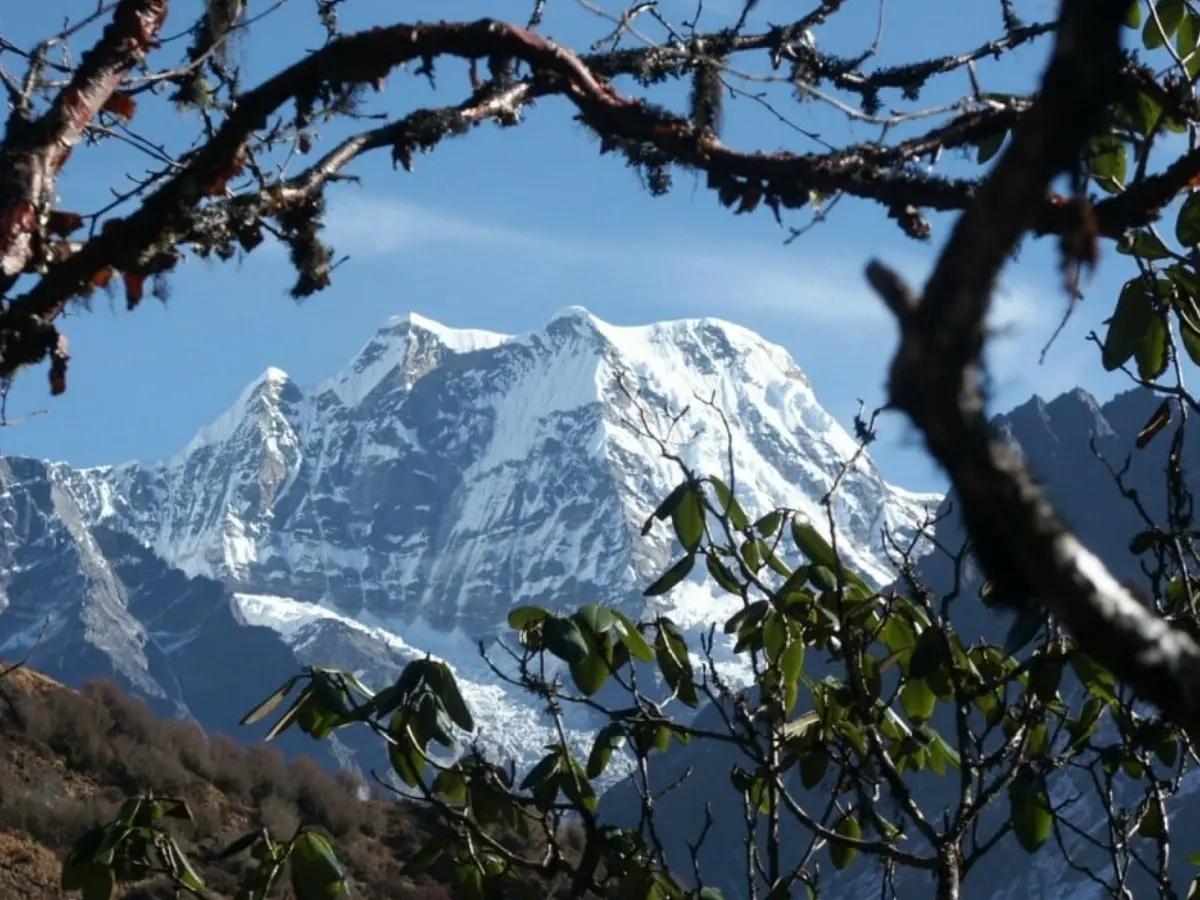
As Mera Peak Climbing adventure moves higher along the Mera Peak climbing route, the scenery starts to become increasingly impressive with stunning Himalayan views. From the summit area, climbers can witness some giants like Everest, Lhotse, Makalu Cho Oyu, Kanchenjunga and more, which creates a breathtaking panorama during Mera Peak summit day. Although Mera Peak difficulty is considered moderate, altitude and weather conditions add real challenge to Mera Peak mountaineering. With proper planned Mera Peak Itinerary, good Mera Peak acclimatization and help from experienced guides, this expedition remains achievable and rewarding.
Why to choose Mera Peak expedition Nepal?
During the Mera Peak Expedition in Nepal, climbers and travelers are rewarded with one of the Himalayas’ most scenic and rewarding high-altitude adventures. The main highlight is summiting Mera Peak, at 6,476 meters, which is regarded as favorite among other trekking peaks in Nepal. Nestled in the remote Hinku Valley, Mera Peak offers open glaciers, alpine forests, yak pastures, and tranquil Sherpa villages. The Mera Peak trek combines trekking and climbing in a gradual and more enjoyable way, making the ascent accessible for many adventure enthusiasts. While compared to other Nepal Trekking peaks, this Mera peak adventure remains quiet and less crowded which offers a more personal experience of Himalayan Journey.
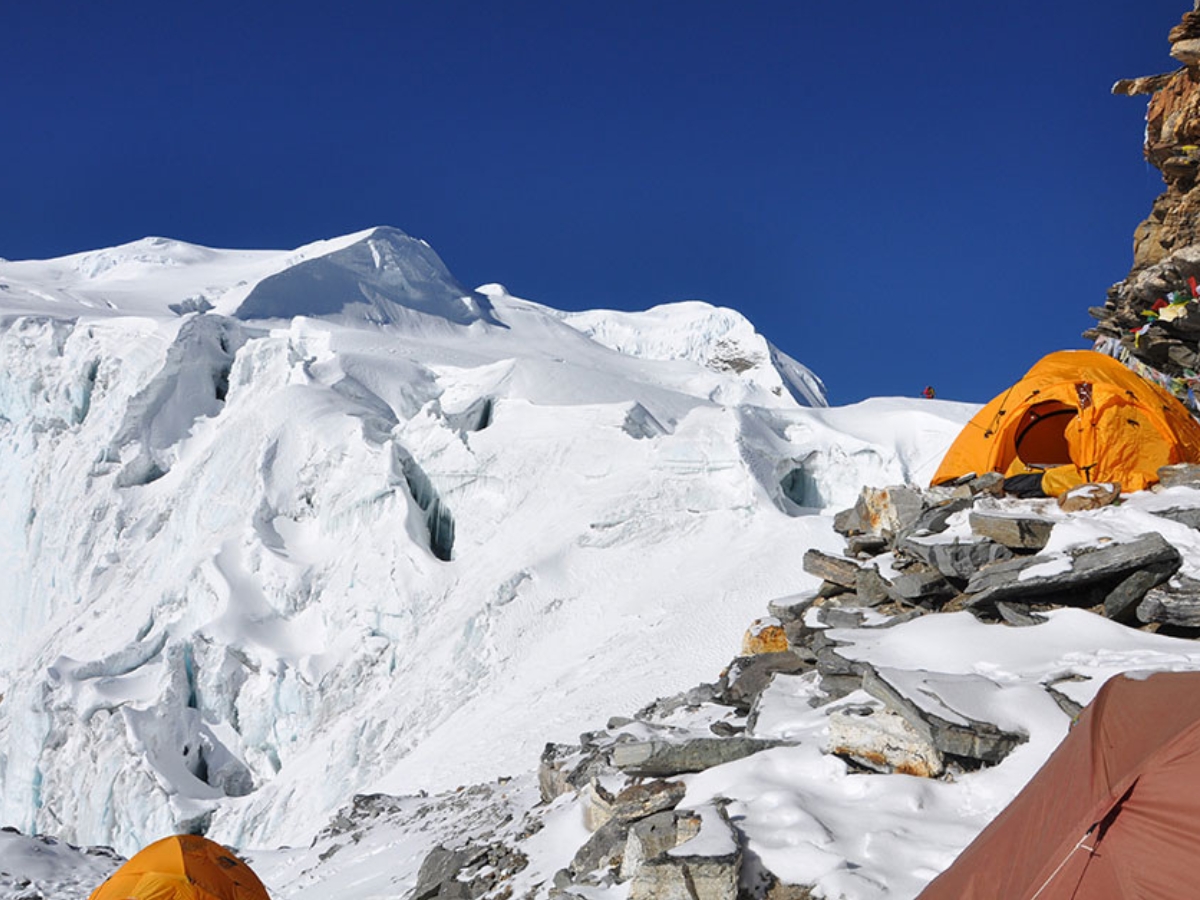
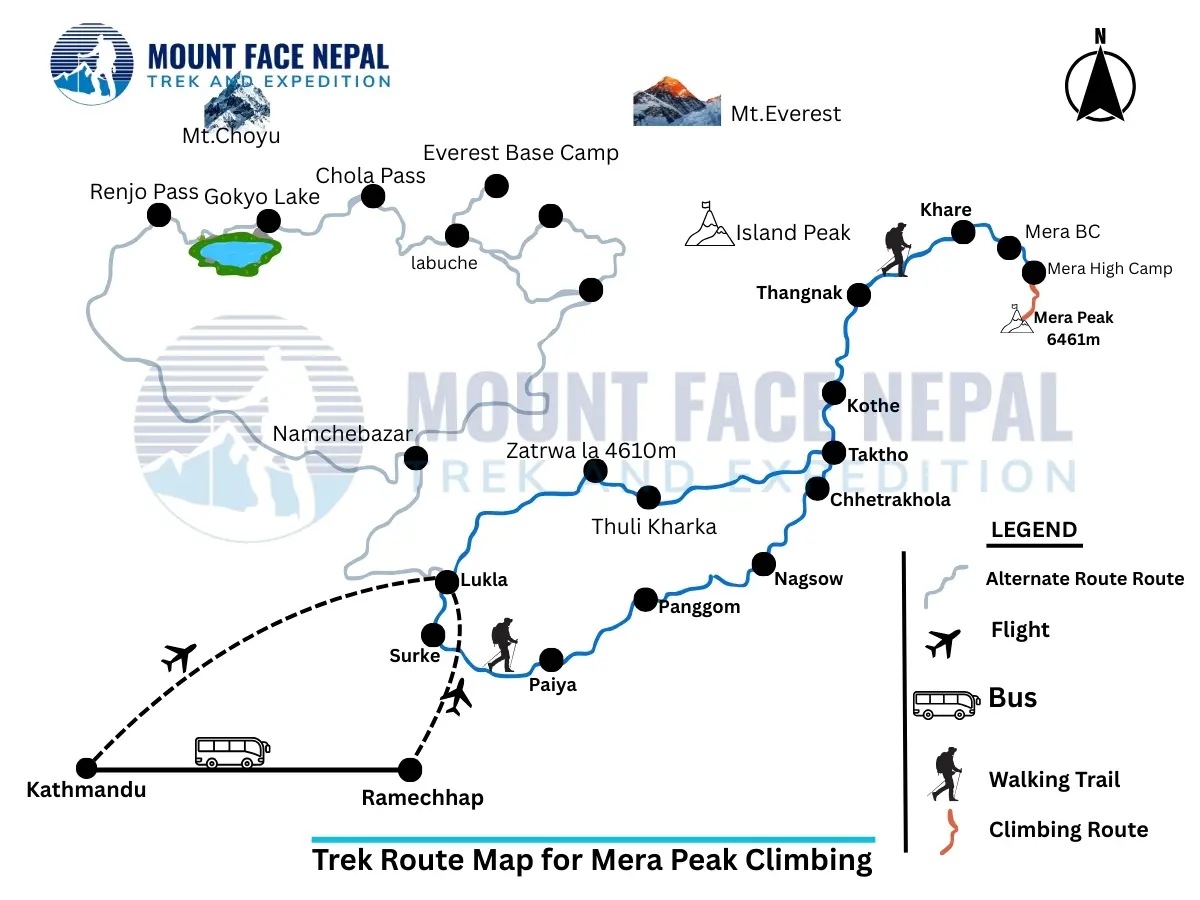
As our expedition continues towards the Mera Peak Trek, the surroundings start to become dramatically scenic with the lush rhododendron and pine forests, vast yak pastures and high mountain wilderness. During this trail, travelers may also witness the Himalayan wildlife such as musk deer, Himalayan Tahr, Blue sheep and mountain birds if they get lucky. While rare sightings in Makalu Barun National Park might include Red Pandas, Himalayan Black Bears and more. As we dive deeper into the Higher sections of Khumbu region, Mera Peak climbing route slowly reveals its expansive snow fields and the glaciers, which creates a dramatic setting for our Mera Peak mountaineering.
Major Highlights during Mera Peak Climbing Nepal Journey
- Stand on World’s Highest Trekking Peak (6,476 meters) :Get chance to reward yourself with standing on Mera Peak 6,476 m, the Highest trekking peak in the world, which dominates the skyline and gives a powerful sense of achievement by creating an unforgettable Himalayan summit experience.
- Scenic Lukla Mountain Flight : Begin your journey with a thrilling and scenic mountain flight to Lukla, which gives your first Himalayan Panorama and sets and sets the perfect tone for entire Mera Peak mountaineering, making the climb even more exciting from the start.
- Breathtaking 360° Himalayan Panorama :Witness some of the incredible panoramic views of Everest, Lhotse, Makalu, Cho Oyu and Kanchenjunga which creates one of the most spectacular Himalayan scenes from any trekking peak in Nepal.
- Remote Hinku Valley Wilderness: Mera Peak Trek takes you deep into the untouched Hinku Valley, where lush rhododendron and pine forests, yak pastures and the glacial rivers shapes travelers a feeling of remote wilderness, far from busy trekking trials and full of quiet natural beauty.
- Authentic Sherpa Culture and Mountain Lifestyle: As you trek along Mera Peak Nepal, you will experience local Sherpa villages. Here, you will be embraced by the warm hospitality of the locals and will be able to immerse in the ancient Sherpa culture which will surely enrich the experience of your Mera Peak trek in the Himalayas.
- Diverse landscapes from Forests to Glaciers: During Mera Peak Climbing, the landscape of the region transforms dramatically from the lush rhododendron forests to alpine meadows and wide glacial plains to the snow slopes, which offers breathtaking and the ever-changing scenery throughout the Mera Peak Climbing journey.
- Wildlife and Mountain Ecology: Climbers get chance to witness the wild animal species of the Himalayas including Musk Deer, the Himalayas Tahr, and several species of high-altitude birds, by making it an unforgettable journey for travelers and nature lovers.
- High Camp Sunrise Magic: The sunrise ataj High Camp are an unforgettable experience. The magic of the golden light of the sun striking the snowcapped mountains is a wonderful view and an experience that will enrich the Mera Peak trek for the climbers.
- Makalu Barun National Park: The Mera Peak climb goes through Makalu Barun National Park. This National Park is home to dense forests, rare and high-altitude wildlife and is a true hotspot for biodiversity. The Makalu Barun National Park experience on Mera Peak is one that will allow the climbers to truly connect to the adventure with a nature conservation experience.
What is the best time for Mera Peak Climbing Nepal?
During the Mera Peak Climbing journey, trekkers are rewarded with the best Himalayan experience if chosen the right season. The best time for Mera Peak Climbing Nepal is during Spring (March to May) and Autumn (September to November), as these seasons offers stable weather, clear skies and excellent visibility for the peaks like Everest, Lhotse, Makalu, Cho Oyu and Kanchenjunga. On spring season, there is mild temperatures, blooming rhododendron forests, and the vibrant landscapes which makes the Mera Peak Summit journey more comfortable and livelier. While, Autumn offers spectacular panoramic views of majestic peaks, crisp and crystal-clear air, enhancing every moment of the Mera Peak adventure.
Travelers or Climbers who are planning for a Mera Peak Climb should avoid the Monsoon (June- August) and Winter (December-February) seasons. Monsoon brings heavy rains, landslides, leeches and poor visibility, while winter brings extreme cold, snowfalls, path blockages and the tougher trekking conditions. Choosing the right season ensures steady weather, better trekking conditions and the memorable summit experiences, which allows trekkers to fully enjoy the world’s highest trekking peak, remote and traditional Sherpa villages and the stunning natural beauty throughout the Mera Peak Climbing route.
How difficult Mera Peak expedition Nepal is considered?
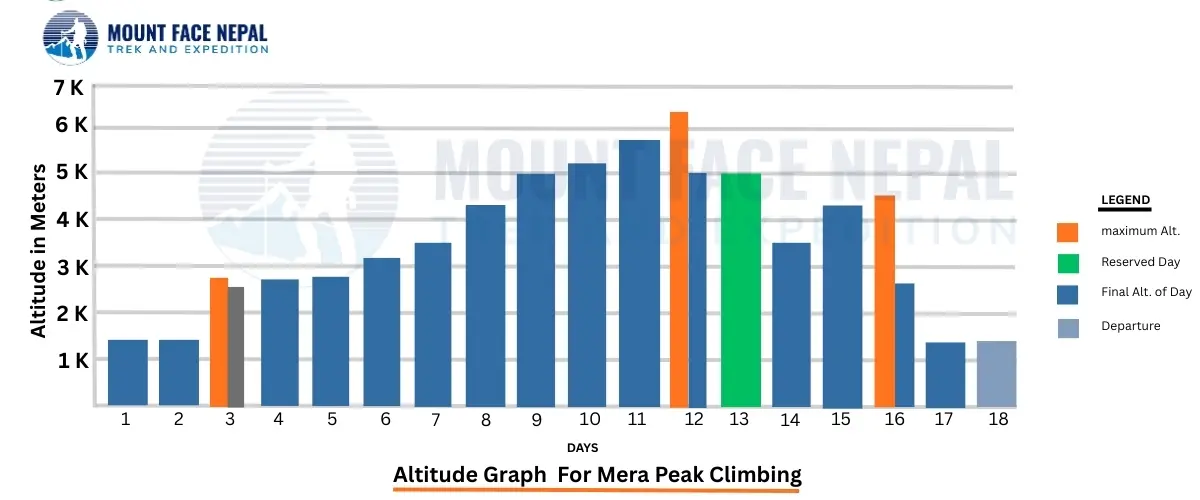
The Mera Peak Climbing Nepal is considered as moderate to challenging expedition, attracting trekkers who want to experience a high-altitude Himalayan adventure in Nepal without extreme technical demands. The Mera Peak difficulty mainly comes from its altitude, reaching highest up to 6,476 meters, glacier travel and the long trekking days. Mera Peak Climbing is graded as Alpine PD, (Peu Difficile), with some technical sections, icy slopes, and fixed ropes near to the Mera Peak summit. While it is accessible for fit climbers, the Mera Peak Difficulty, needs proper acclimatization, stamina and careful handling of altitude, making it both exciting and achievable.
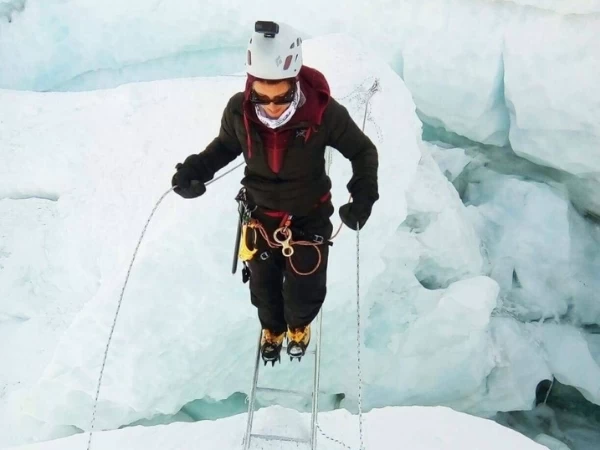
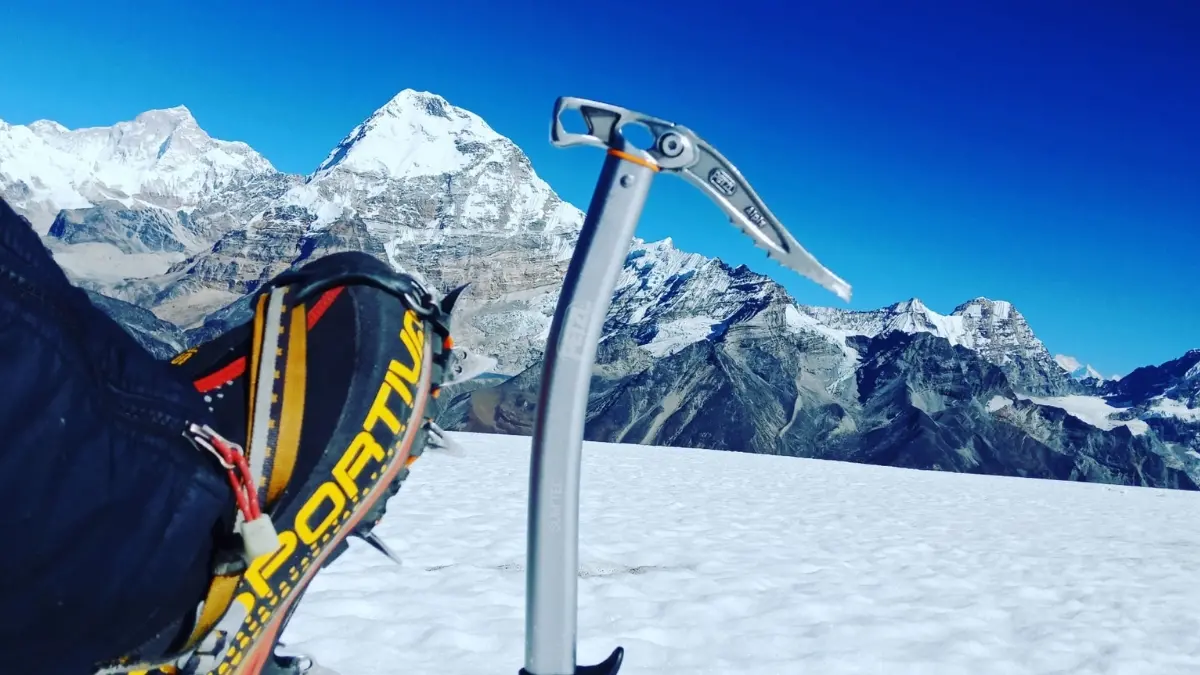
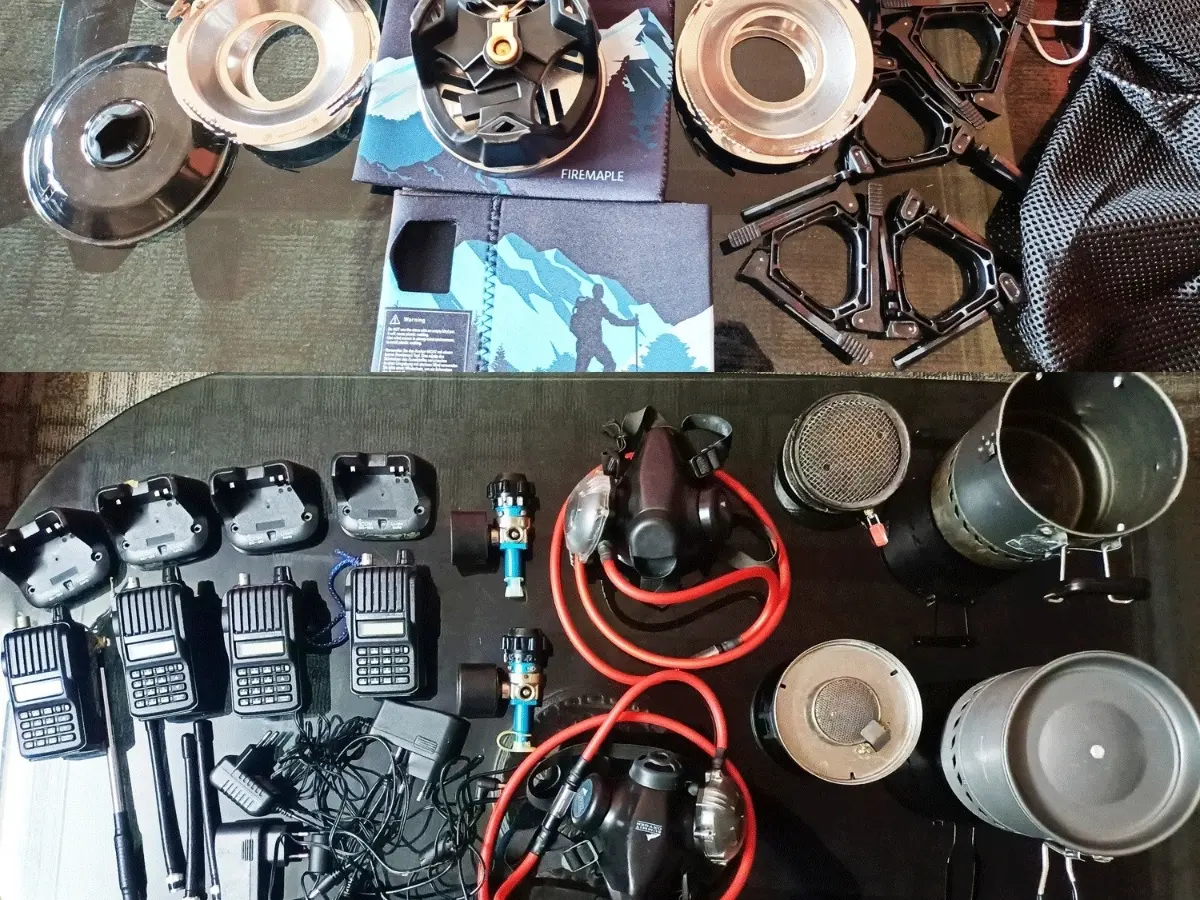
Travelers who are doing the Mera Peak Expedition Nepal, should have good fitness level, endurance capacity and the basic mountaineering skills. We will also use crampons, ice axes and the rope techniques which is important during crossing glaciers, moraines and snow-covered slopes safely. Due to high altitude, it also brings cold and the unpredictable weather, which adds to the Mera Peak Climbing difficulty. However, with proper guidance, Mera Peak climbing gears and good mental preparation, climbers can enjoy this famous trekking peak and reward themselves with the stunning Himalayan summit.
 Dipendra Simkhada(DIPU)
 Kisan Adhikari