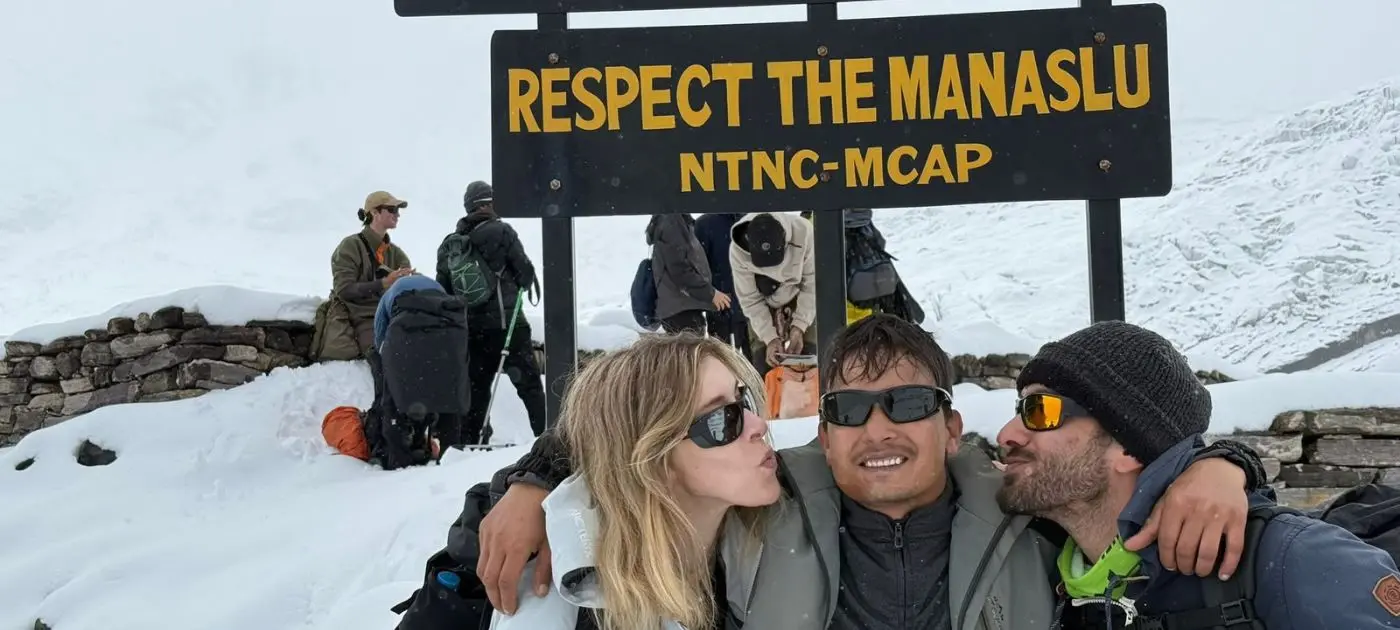
Mountain Trekking Safety Guide: Overview
Safety instructions for mountain trekking are very important because Nepal’s mountains are rewarding, but weather, altitude, remote trails, and rapidly changing conditions can turn an enjoyable trek into an emergency. Safe trekking begins before you leave home, with proper planning, fitness, insurance, proper equipment, and a realistic itinerary. Knowing the risks of altitude sickness, sudden storms, slips, landslides and avalanches helps you make better calls on the trail as no mountain view or itinerary is ever worth risking your safety.
These safety instructions for mountain trekking will help you prepare for altitude, weather, trail hazards, and emergencies. Conditions in the mountains can flip fast as a clear morning can turn into rain, fog or a full storm by the afternoon. This mountain safety guide is for everyone including first-timers, experienced hikers, families, solo travelers and anyone heading into high altitude trekking.
At Mount Face Nepal, we help trekkers choose suitable routes, prepare responsibly, and travel with local support, so the mountains can be enjoyed with respect, preparation, and peace of mind.
Trail Safety Guide: Safe Trekking Tips for Mountain Adventures
1. Mountain Trail Safety: How to Trek Safely on Rough and Remote Routes
On rough and remote routes, stay on marked trails and avoid shortcuts, especially near cliff edges, loose rocks, riverbanks or any unstable looking ground. Travel in a group, stay together and plan a meeting place in case anyone gets lost. Use trekking poles on steep and slippery or high-altitude ground, and take it slow over wet stones, mud, snow and scree. Never try to cross fast-moving rivers or flooded trails, and keep an eye out for rockfall, landslides and falling debris after rain. Most importantly you should listen to your guide carefully and follow his/her instructions.
2. How to Avoid Getting Lost While Trekking
To avoid losing your way while trekking in Nepal mountain you have to carry a map, compass or offline GPS map and check your location regularly. Note major landmarks, trail junctions, and timings as you go, and don’t rely only on mobile signal, which can disappear quickly in the mountains. If visibility drops, stop, stay warm, and wait for safer conditions rather than guessing the route. If you do get lost, stay calm, backtrack if it is safe and call for help if you have communication.
Hire an Experienced Guide: Nepal Trekking Safety Essentials
Hiring an experienced guide is one of the smartest safety decisions you can make on a Nepal trek. Solo trekking may be possible on some routes, but it increases risk in altitude sickness, zero visibility, injury, or emergency situations. In Nepal’s national parks and protected areas, foreign independent trekkers must use a local guide or porter through registered agencies like Mount Face Nepal. A licensed and experienced guide knows the route very well, weather patterns, local conditions, and the emergency procedures. He or she becomes really helpful with navigation, altitude monitoring, permits, accommodation, local culture knowledge and evacuation coordination.
Altitude Sickness Prevention: High-Altitude Trekking Safety Tips
To keep altitude sickness risk low, ascend slowly and give your body time to adjust with it, especially once you’re above 3,000 m. Keep the overnight altitude gains gradual, build in proper rest days for acclimatization, and stick to the “climb high, sleep low” principle. Drink plenty of fluids, eat enough food, skip the alcohol and sleeping pills, and never ignore headache, nausea, dizziness or tiredness symptoms. If symptoms appear, stop going higher and rest. If symptoms get worsen, descend right away and get help from guide and emergency evacuation team.
Nepal Trekking Safety: Preparation and Training Tips for Trekkers
For high altitude trekking in Nepal, travelers need to start preparing at least a few weeks before your trek with regular walking, stair climbing, cycling, or hill hikes to build the endurance Nepal’s trails demand. Also add squats, lunges, and core work for leg strength daily, and practice hiking with a loaded daypack.
Mountain Trekking Packing List: Essential Safety Gear for Nepal
For trekking in Nepal travelers need to pack quick-dry trekking shirts, some thermal base layers, a fleece, a warm jacket, and a waterproof shell for the rain, wind or sudden snow hits. Bring broken-in trekking boots with decent socks, and a daypack loaded with water, snacks, sunscreen, sunglasses, a warm hat, gloves, and a headlamp with spare batteries. Don’t forget a basic first-aid kit, any personal medication, water purification tablets, your insurance details, and some cash for your personal expenses.
What should I do in an emergency while trekking in Nepal?
Having emergency plan is one of the most important Mountain safety guide. Before leaving for trek, save the key numbers such as emergency services, your insurance, your guide, and any local rescue contacts. Also try to note where the nearest health post, police station or rescue team are. When something goes wrong, safety comes first so stop, take a look at the situation, keep the injured person warm, and call for help. If evacuation is needed, just follow the advice of your guide, insurance provider and the rescue professionals.
Responsible Mountain Trekking: Protect Yourself, Others, and the Environment
Responsible mountain trekking doesn't mean only looking after yourself, it’s also about the people you meet along the way, and the places you’re walking through. Stick to the marked trails, pack out all your rubbish, and try to skip single-use plastics when you can. Show respect for local culture, dress modestly, ask before you take photos, and follow the customs around temples and monasteries. Also, it's better to support the local guides, porters and teahouses, and treat them fairly. Most importantly, keep the noise down, don’t disturb the wildlife, and leave the trail exactly as you found it so other trekkers can also enjoy the same beauty.
Trekking Safety Tips Checklist: How to Prepare Before Your Mountain Trek
1. Before You Trek: Essential Mountain Safety Preparation
- Choose a trek that matches according to your fitness, experience, and altitude tolerance.
- Check the trekking route, trail conditions, the weather forecast, and local advisories before your departure.
- Book a reputable trekking agency like Mount Face Nepal and hire an experienced guide, especially for remote or high-altitude routes.
- Have travel insurance that covers trekking, high-altitude travel, mountain rescue, and helicopter evacuation.
- Keep copies of your passport, permits, insurance details and emergency contacts with you.
- Get a medical check-up before trek if you have heart, lung, joint, or other health concerns.
2. Check Weather and Trail Conditions Before Departure
- Always check the official weather forecasts and local updates every day.
- Don’t head out during storms, heavy rain, flooding or when the trails look unsafe.
- Remember mountain weather can change in minutes.
- Be ready to delay, change the route or turn back if condition gets worse.
3. Inform someone about your trekking plan
- Leave a detailed itinerary with a trustworthy person.
- Include trailhead, route, overnight stops, expected return date and emergency contact.
- Update your close ones when possible and notify when you return.
- Don’t change your route without informing your guide, agency or emergency contact.
Final Thoughts
A safe Himalayan trek is never about luck. It comes from the choices you make before and during the journey including training your body, packing sensibly, checking the weather, respecting altitude, and listening to your guide when conditions change. The mountains will always be there, but a rushed decision on a remote trail can create a serious consequence. Take your time, stay flexible with your itinerary, and remember that turning back is often the wisest and bravest move during problems.
Trek responsibly too as Nepal’s trails offer incredible landscapes, culture, and challenge, but they deserve to be enjoyed with care. With good preparation, a safety-first mindset and a reliable local team and agency like Mount Face Nepal, your mountain adventure can be both memorable and responsible.