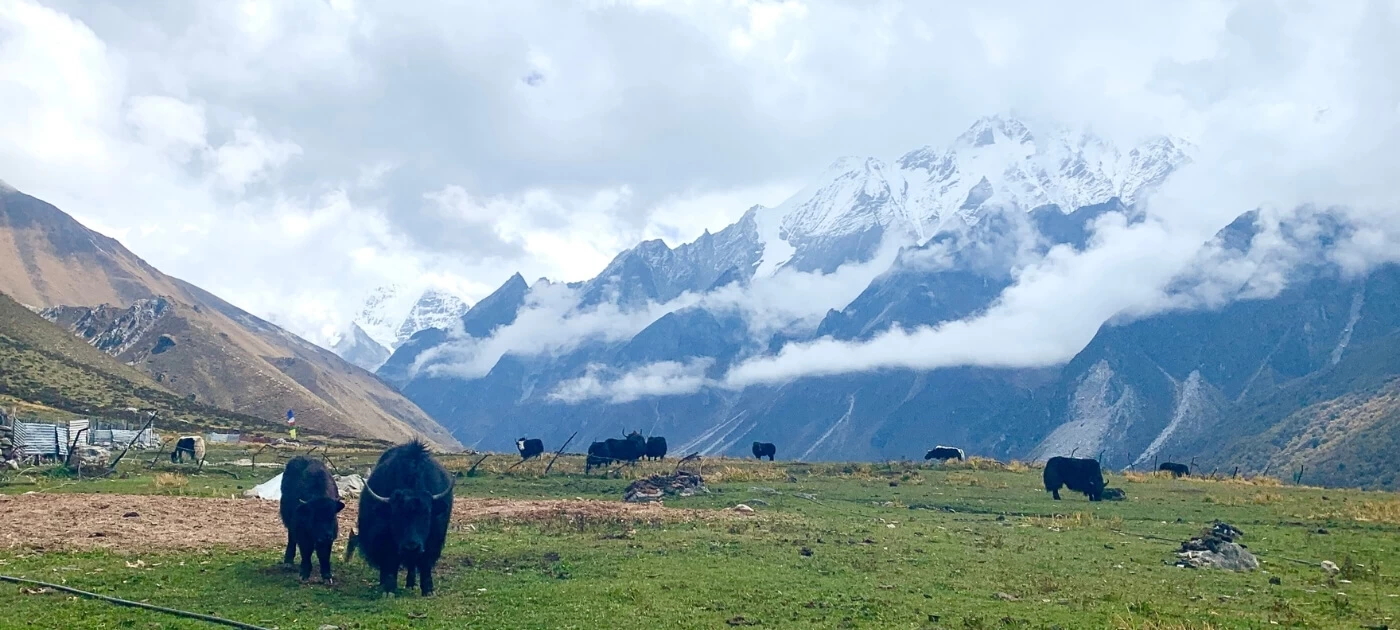
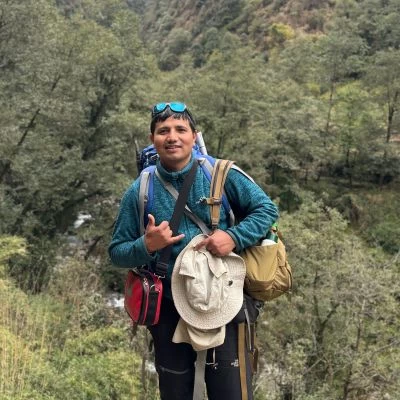
Most people discover the Langtang Valley trek through stunning photos, wide glacial valleys, peaceful yak pastures, and sharp white snowcapped peaks that look almost painted against the sky. The first reaction is usually pure excitement. The second is a quiet voice asking inside, “But how difficult is Langtang Valley trek for beginners or someone like me?” The answer is that the Langtang Valley trek difficulty is moderate to challenging, yet it is entirely manageable for trekkers who prepare well with honesty, patience, and respect to the altitude.
Whether you come for Himalayan scenery, Tamang culture, or a personal challenge, the langtang valley trekking experience encourages you to slow your pace and meet the mountains on their terms. This guide breaks down every major factor that shapes the Langtang trek difficulty, so you can prepare realistically and give yourself the best chance at enjoying this journey rather than just enduring it.
Is Langtang Valley Trek Beginner-Friendly?
People often ask whether the “Is Langtang valley trek difficult for beginners?” The honest answer is both yes and no. If you are completely new to hiking and rarely walk more than an hour at a time, the days can feel long and tiring. However, for reasonably active people who train a little and approach the trek with patience, the route is very achievable. The valley welcomes committed beginners, as long as they prepare thoughtfully and listen to their bodies.
Unlike heavily commercial routes with smooth trails and dense lodge networks, Langtang valley trekking Nepal rewards with you a natural, mountain-village feel. This subtle remoteness slightly increases difficulty compared to famous short treks but also adds charm. If it’s your first time into the Himalayas of Nepal, joining a guided group or choosing a comfortable itinerary can make your entire experience feel more grounded and memorable. With right preparation, experienced guide and smart pacing, beginners often surprise themselves with how capable they truly are.
Reaching the Trail: Difficulty Even Before You Start Walking on Langtang Valley Journey
Long before you witness Kyanjin Gompa’s timeless stone houses, the journey demands patience. The drive from Kathmandu to Syabrubesi, the common gateway for the Langtang valley trek Nepal can be long, winding, and at times rough. Landslides and roadwork sometimes cause delays. Hours of bumpy travel can leave your body slightly tired even before the first step of Nepal trekking Langtang valley properly begins.
For many trekkers, this road journey creates an early mental test, accepting that the schedule may shift and things won’t always run perfectly always. But this is also where the adventure truly begins. Once you reach to Syabrubesi, the air starts feeling fresher, the valley rises sharply around you, and suddenly the mindset shifts from travel fatigue to mountain excitement.
Altitude: The Biggest Langtang Trek Difficulty
Altitude is the single most influential factor behind Langtang Valley Trekking difficulty level. The trek begins in the mid-hills but also rises steadily until you reach Kyanjin Gompa at around 3,870 meters. From Kyanjin Gompa, optional hikes to Kyanjin Ri or Tserko Ri pushes you near or above high altitude of 5,000 meters, where each breath can feel thinner and every uphill step takes an extra effort.
As oxygen starts to decreases in your body, even simple tasks such as climbing a short hill or tying your boots can feel unexpectedly tiring and slow. This is where Langtang trek altitude sickness risk comes into the picture. Acute Mountain Symptoms like headache, dizziness, or reduced appetite are common, but they’re also a sign of danger and must be cure immediately by resting and hydrating well. The key is to walk slowly, hydrate consistently, and give your body the time to adjust. Respecting altitude changes helps to transforms your experience from stressful to empowering Langtang Valley Trekking Nepal Journey.
The Phases of Langtang Valley Trekking Difficulty: How the Trek Changes Around You?
The Langtang route unfolds in distinct phases, each with its own type of difficulty. In the early days, the challenge is humidity and forest trails with long walking hours. The path climbs gradually but persistently, with stone steps and narrow tracks that keep your legs working and making it tiring. The forest canopy creates warmth, and this warmth can surprise beginners who expect cold mountain air from the beginning of the Langtang Valley Trekking.
Midway through the trek, around Lama Hotel and Langtang Village, the valley starts to open up. The air cools, and the landscapes open dramatically here. And now the Langtang Valley Trekking difficulty shifts from physical to atmospheric level where altitude becomes more noticeable and forcing you to slow down your pace. Each uphill section asks for patience rather than power. Near Kyanjin Gompa, the terrain becomes flat for a short while, making the final approach feel gentle. But the real challenge waits above you. The optional climbs to Kyanjin Ri or Tserko Ri are the hardest part of Langtang Valley Trekking not because they are technical, but because they reveal just how thin the air is.
Distance, Daily Hours, and Elevation Gain
The Langtang trek distance and walking hours may appear modest on Langtang Valley Trekking Map or paper, but Himalayan trails rarely feel as simple as their numbers suggest. Over roughly 70–75 kilometers across a week, you will ascend and descend thousands of vertical meters. The terrain shifts between riversides, forests, stone staircases, open valleys, and rocky sections near the glaciers. This variation keeps the route fascinating but also demands steady energy and Langtang Valley trek fitness level.
Walking five to seven hours daily is normal. On acclimatization days or peak-attempt days like Kyanjin Ri and Tserko Ri, you may need walk even more depending upon your itineraries. The Langtang Valley trek elevation gain gradually throughout the journey making it challenging from the steady climb, not steep or the technical sections. Most trekkers find that the body adapts naturally as long as they walk slowly and drink enough water on Langtang Valley Trek Nepal.
The Hardest Day: Climbing Kyanjin Ri or Tserko Ri
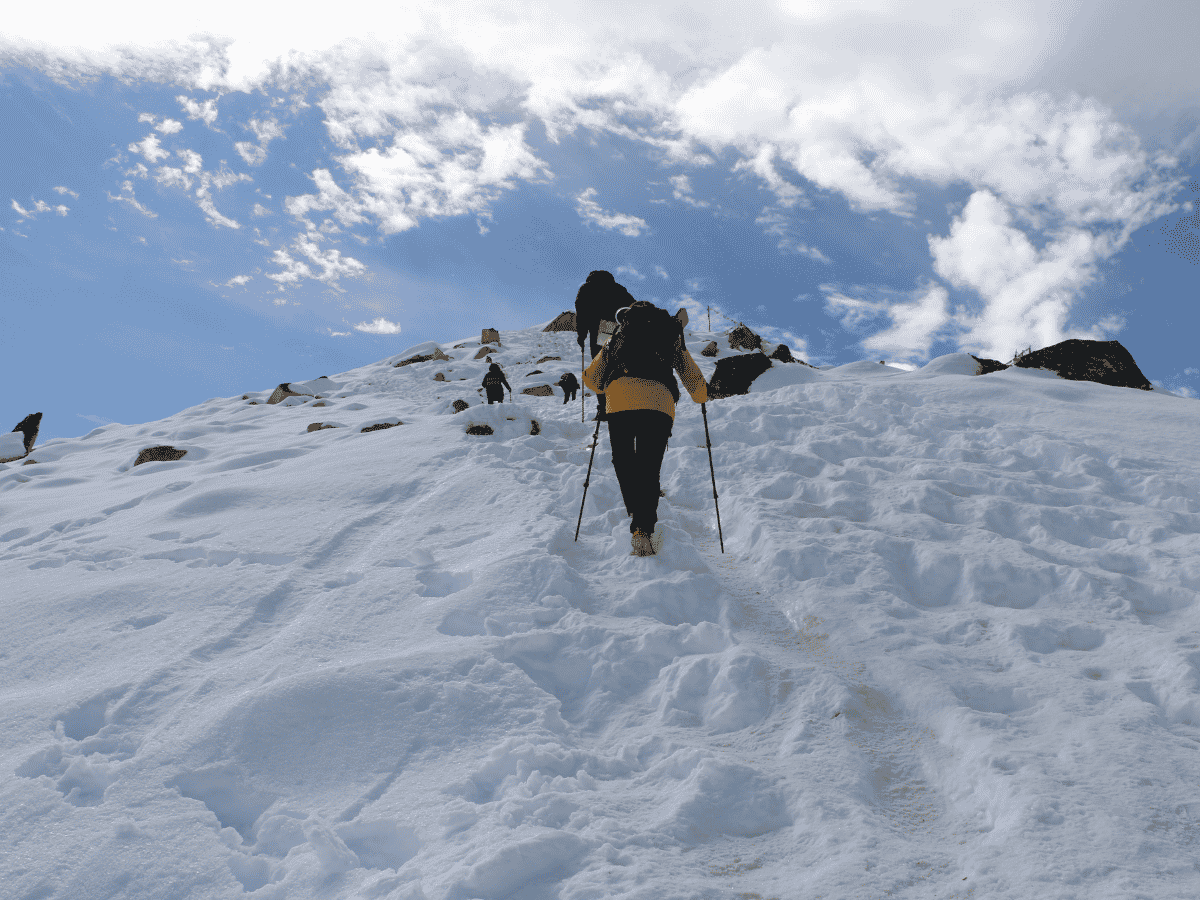
The most challenging day of the Langtang Valley trekking is the optional hiking day to Kyanjin Ri or Tserko Ri where trekkers usually start to hike early in the morning before sunrise, wrapped in warm layers and moving slowly under a cold sky. The slopes on trial aren’t dangerous, but the altitude disturbs you a rhythm of deep breaths and patient footwork. With every step, the valley spreads below you, but the summit still feels far away.
Upon reaching the viewpoint, the prayer flags dancing in cold wind brings a wave of special emotion and deep sense of accomplishment. The view of glaciers and giant majestic peaks like Langtang Lirung, Langtang Ri, Dorje Lakpa, Yala peak and more making it feeling like a reward for every slow breath taken on the ascent. But the descent, too, can be tiring on the knees. This is where preparation, hydration, and pacing prove essential. These climbs are optional, but they offer you a some of the breathtaking views during Langtang Valley Trekking Journey.
Daily Difficulty Breakdown: What Each Day Feels Like
Day 1: Kathmandu to Syabrubesi
The long and bumpy road to Syabrubesi can be really mentally exhausting, with landslide-prone sections winding terrain, rough and bumpy roads. This demanding drive often surprises trekkers with an early taste of the unpredictability surrounding the Langtang Valley trek before the real walking even begins.
Day 2: Syabrubesi to Lama Hotel
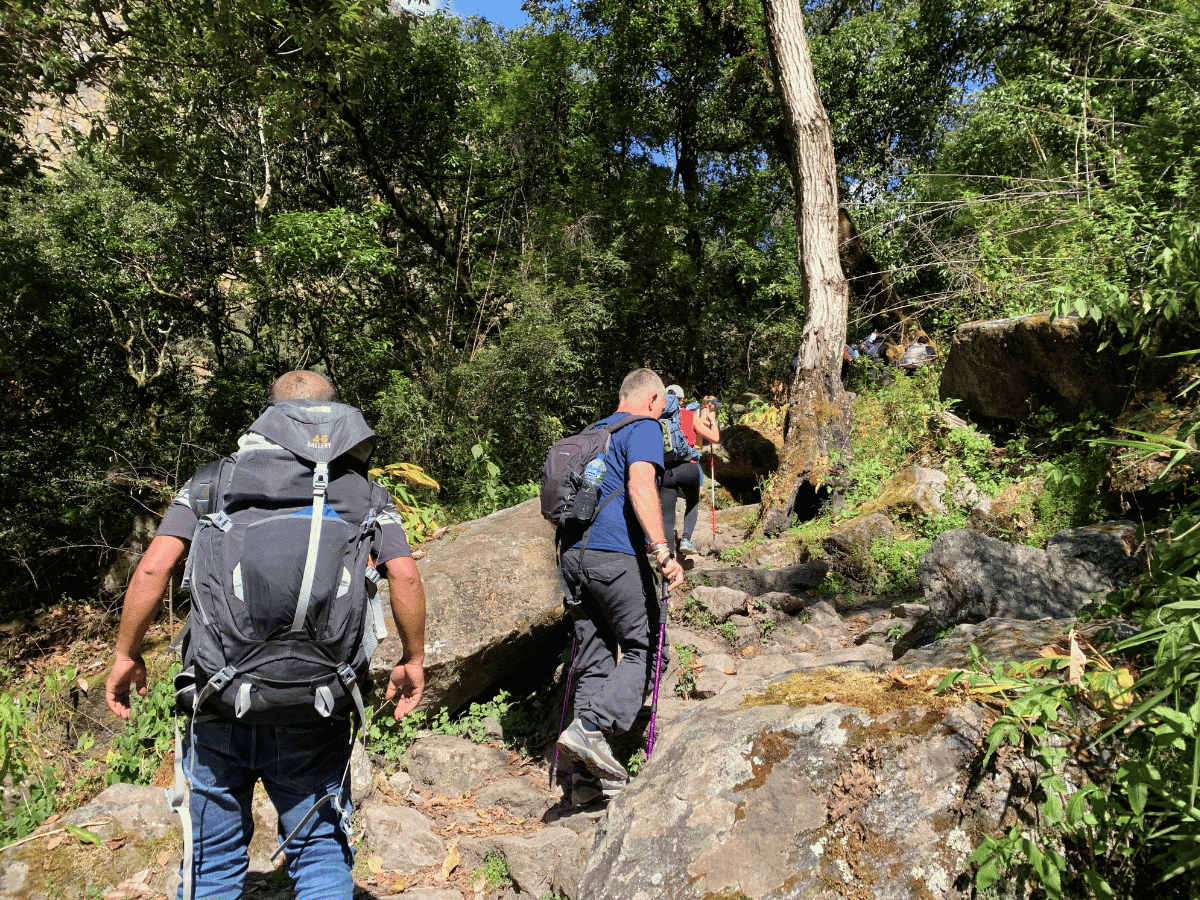
This day introduce the valley with forested paths, warm temperatures, and steady climbs. Here, you will be crossing suspension bridges and passing waterfalls as the trail narrows. The humidity can make the climbs feel more tiring than expected. It’s not technically difficult, but it’s a wake-up call for your legs, especially if you’re new to multi-day walking.
Day 3–4: Lama Hotel to Langtang Village
The altitude rises steadily on this day, making each uphill effort slower despite moderate terrain. Reduced oxygen at higher altitudes adds a quiet physical challenge, and the Langtang Valley trekking difficulty becomes more noticeable as your breath starts getting heavier and your legs feels uncomfortable to adjust to the thinner mountain air.
Day 5: Langtang Village to Kyanjin Gompa
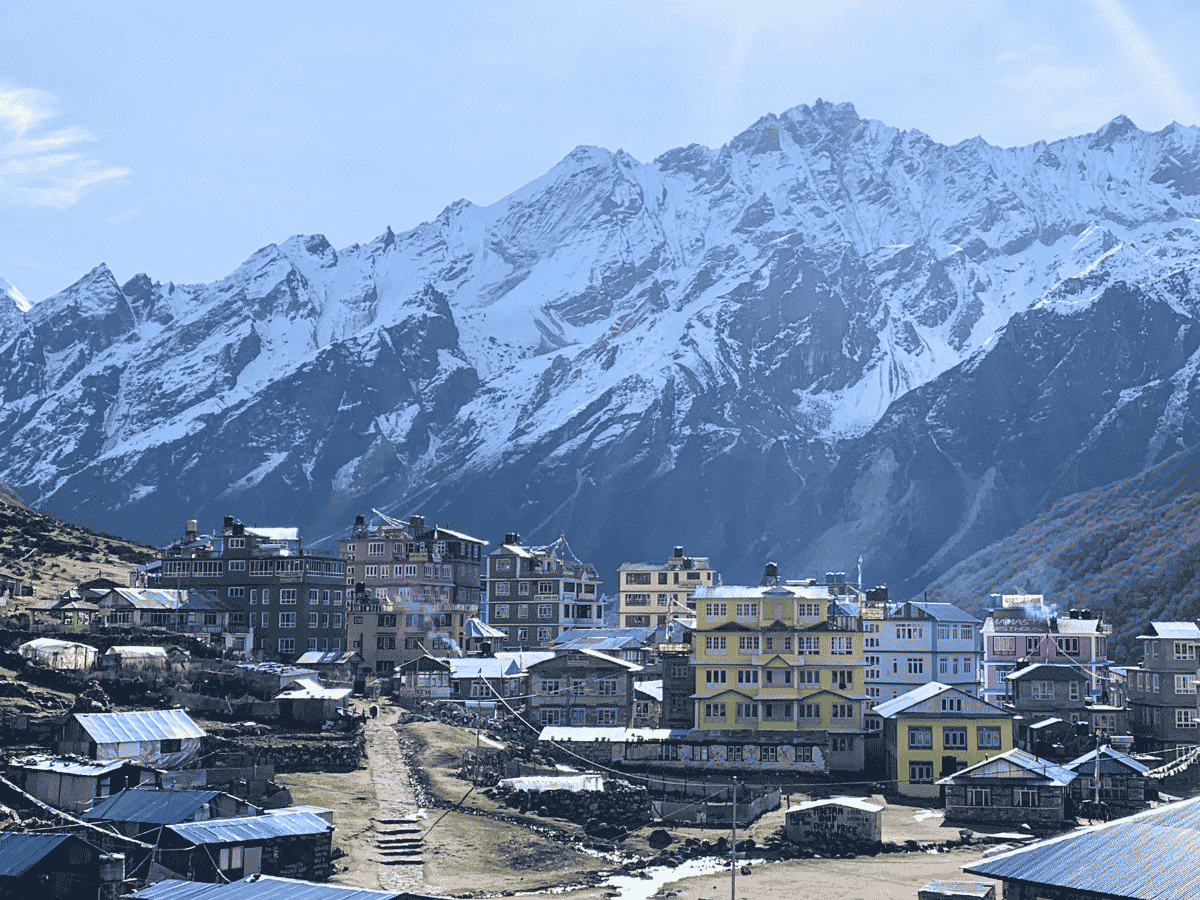
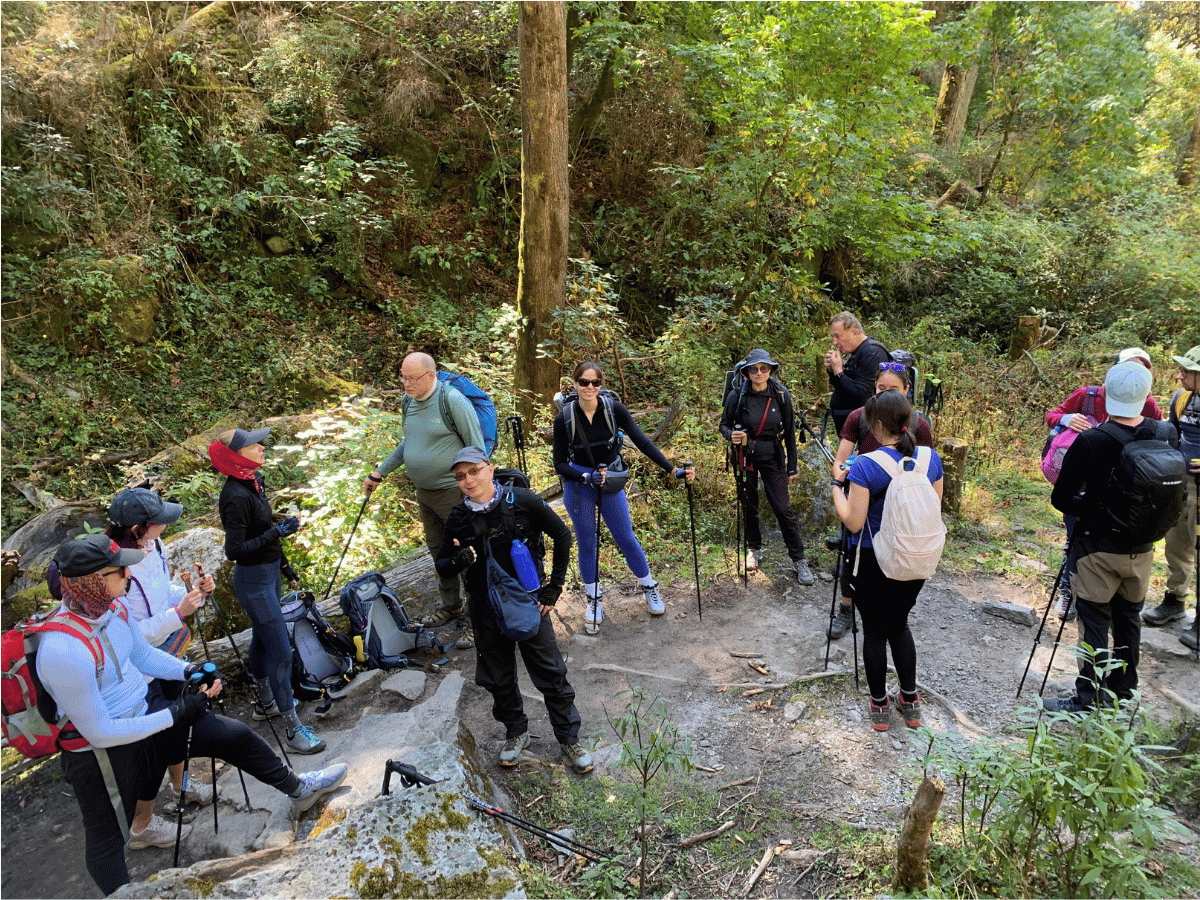
This is one of the most beautiful days of the trek with wide glacial views, traditional stone houses, and gentle slopes. Although not steep, the higher altitude makes each uphill a little slower. The final stretch to Kyanjin Gompa gives the first real taste of high-altitude walking. You’re now close to 3,900 meters, and your breathing rhythm changes.
Day 6: Acclimatization Day at Kyanjin Gompa
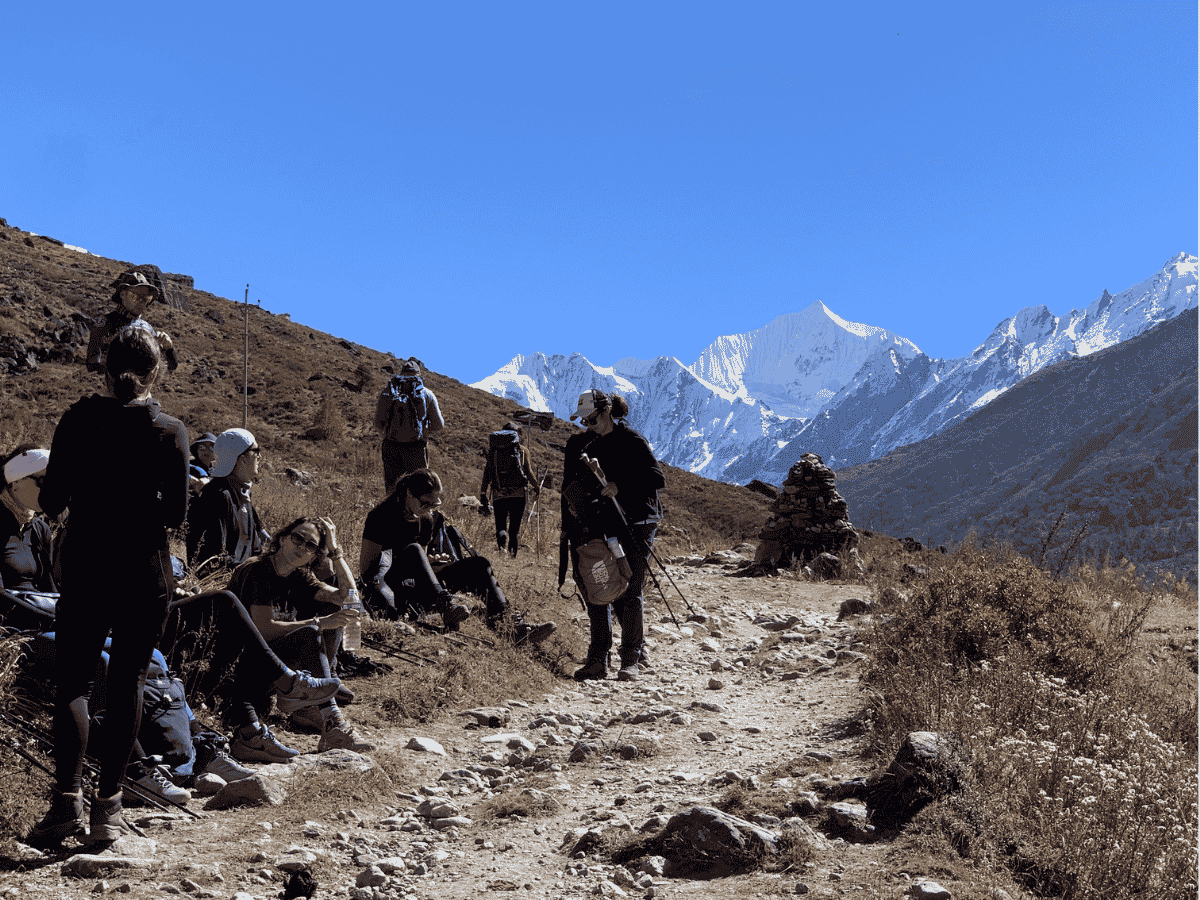
Short acclimatization hikes to Kyanjin Gompa feel unexpectedly tough due to thin air, making this day essential for reducing Langtang Valley trek altitude and difficulty. This extra climb helps your body to adjust, adapt and prepare well for the challenging ascent which lies to Kyanjin Ri or Tserko Ri ahead.
Day 7: Hiking day to Kyanjin Ri or Tserko Ri
This seventh day is the most challenging day during the Langtang Trek Journey. The early cold, long climb, and thin oxygen require slow, patient movement. Every step asks for focus, turning this into the most intense part of the Langtang Valley trek. The effort is heavy, but the reward at the top feels unforgettable.
Day 8–10: Descent to Syabrubesi
Descending back towards Syabrubesi feels easier on the lungs but tougher on the knees and long downhill hours require concentration, especially on rocky, slippery and forest paths. The sense of achievement begins to settle again in as the valley widens again.
Langtang Valley Trek Permits and What Trekkers Need to Know
Every trekker on the Langtang Valley trek must obtain the correct necessary permits for entering the Langtang region. The first permit which is required is the Langtang National Park Entry Permit, it is needed because the route lies inside a protected area. Trekkers can obtain this permit in Kathmandu or at the park checkpoint near Dhunche. The other required permit for Langtang Valley Trekking is the TIMS (Trekkers' Information Management System) card, which is to assist in recording the basic details of the trek and to aid monitoring of safety during the duration of the trek in Langtang. Both permits are checked at various points along the trail, so it is important to keep them safe and easy to access.
Nepal no longer allows solo trekking so every traveler must be accompanied by a licensed guide and fellow trekkers, and this rule applies across the entire Langtang Valley trekking region. Guides or your trekking agency manages the permit process while helping you with the registration at checkpoints. But it’s very important that you carry your necessary documents such as visa, passports and others while traveling. Some independent travelers may find this requirement limiting, but it improves safety for those with limited experience at altitude and reduces confusion during emergencies. Trekkers should carry their original permits in a waterproof pouch to avoid any issues when officers request them along the route.
Weather and Seasonal Difficulty
Weather plays a huge role in how the Langtang Valley trek difficulty feels day to day. Autumn and spring bring the most stable conditions with clear skies, comfortable temperatures, and predictable trails. Spring (March-May) offers mild air and blooming rhododendron forests, while autumn (September-November) gives crystal clear views and stable walking days.
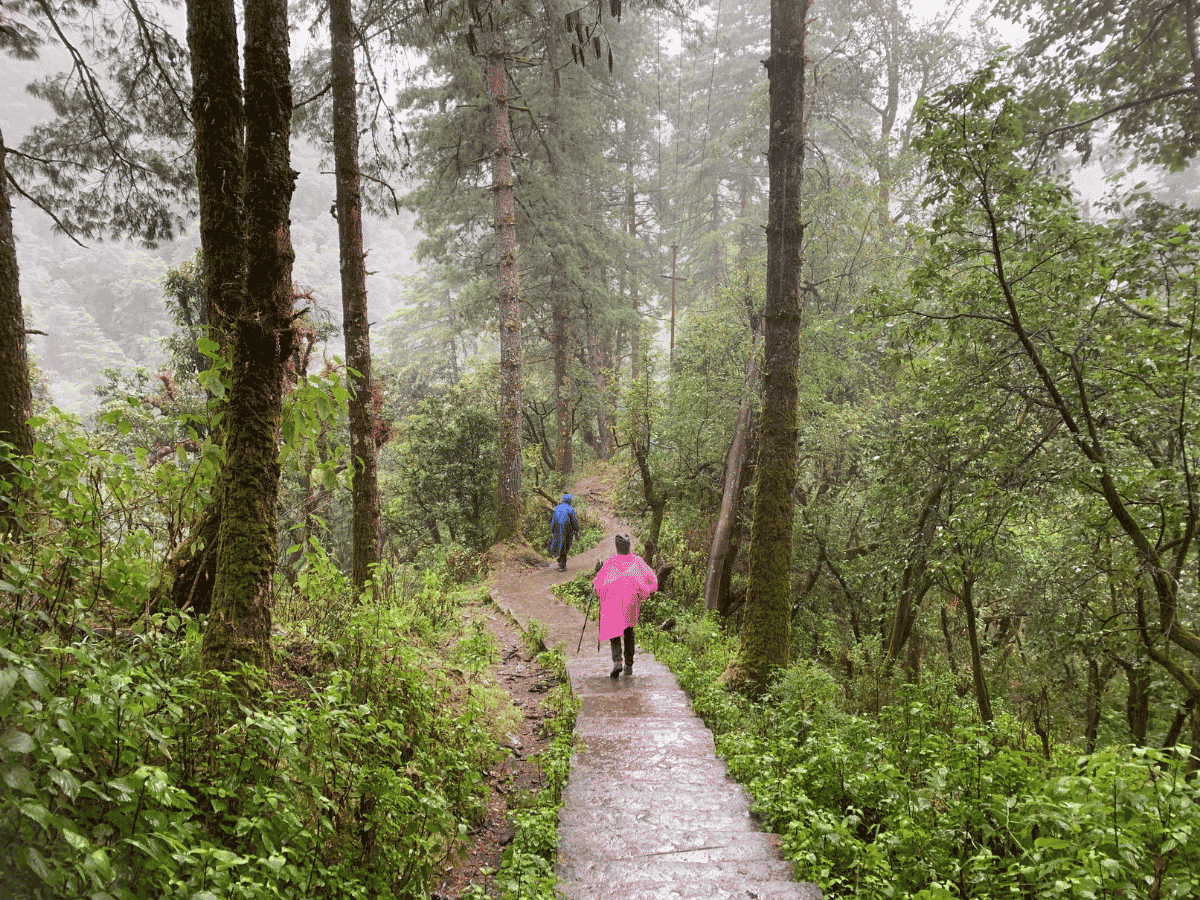
Outside these seasons, the Langtang Valley Trekking becomes really challenging and demanding. The monsoon season makes trails muddy and slippery, with leeches and a risk of landslides. Winter brings snow and icy patches at higher altitude regions, which requires extra care and only recommended experienced trekkers. Choosing the right season is one of the easiest ways to reduce the Langtang Valley trek difficulty level.
Tea Houses, Food, and Comfort Levels
Tea houses along the Langtang valley trek feel warm and welcoming, though their simplicity sometimes catches newcomers by surprise. Rooms are basic, walls are thin, and mostly shared bathrooms. The only real warmth usually comes from the dining room stove, where trekkers gather each evening. Once you settle into this slower rhythm of early meals and quiet conversations, the simplicity begins to feel comforting rather than lacking.
Food in the upper villages is warm, tasty, fresh and filling, even if the options are limited as altitude rises. Dal bhat, noodles, soups, potatoes, omelets and local breads are mostly available through long days on the trail. Bringing a few personal snacks such as nuts, dates, protein chocolate bar and dried fruits helps to keep your energy steady. With the time, this simple eating routine and accommodation becomes part of the charm of the Langtang trek, making the journey feel more connected to nature rather than focused only on comfort.
Hydration, Nutrition, and Hidden Difficulty Factors on Langtang Trek
One of the hidden challenges on the Langtang valley trek Nepal is to simply staying hydrated and energized throughout the whole day. At higher altitudes, the dry mountain air drains water faster from your body than most of the trekkers or travelers expect and even small activities can feel more tiring during Langtang Trek. Drinking water frequently is one of the simplest ways to reduce fatigue and help your body adapt to altitude. Warm teas, soups, and steady sips throughout the day make uphill sections feel smoother and protect you from early signs of altitude sickness during Langtang Valley Trekking Nepal.
Nutrition also affects the Langtang Valley trek difficulty more than most people realize. High altitude can reduce appetite right when your body needs more fuel. Eating smaller portions more frequently helps keep your energy stable. Carbohydrates, local dal bhat, simple breads, and warm soups give steady strength. Packing snacks like nuts, dried fruits, or chocolate offers quick boosts when you feel tired. When proper food and water, the long walking hour days starts to feel manageable rather than exhausting which makes the entire Langtang Valley Trekking Journey far easier and more comfortable.
Comparing Langtang Trek Difficulty with Everest Base Camp and Annapurna Base Camp Trek
Trekkers often compare Langtang Valley trekking difficulty with well-known routes in Nepal like the Everest Base Camp (EBC) or Annapurna Base Camp (ABC). Langtang is generally easier in Langtang Valley trek difficulty comparison with Everest Base Camp because the highest sleeping altitude is lower, while the walking days are fewer, and the logistics are simpler on Langtang Trek. There are no internal flights to Syabrubesi so you travel directly by road, which reduces both Langtang Valley Trek cost and the complexity.
Langtang Valley trek difficulty compared to Annapurna Base Camp region, Langtang feels more intimate and less commercial. Facilities are improving, yet the valley retains a raw charm that some trekkers love. This simplicity adds a mild difficulty because you rely more on your own preparation and the rhythm of the trail. However, it also makes the trek deeply rewarding. In general, Langtang Valley Trek is one of the perfect middle ground treks in Nepal, making it not too hard as other high-pass routes but also more adventurous and rewarding than easier lowland trails.
Langtang Valley for Families, Seniors, and Solos
A common question people ask is that, “Is Langtang Valley trek suitable for seniors?” The answer totally depends up on the health, preparation, and a steady walking pace. Many seniors complete the trek with comfort when they choose gradual customized itineraries and allow them an enough extra time for acclimatization. The route is non-technical and remains accessible when physical limits are respected and expectations stay realistic.
Families also find the valley friendly and manageable, especially when children are used to for walking. Keeping daily distances modest with planned customized itinerary and taking breaks when needed helps to maintain comfort throughout Langtang Valley trek difficulty for families and kids journey. Solo trekking on Langtang Valley is no longer permitted according to recently updated Nepal Government regulations, and all travelers must now be accompanied by a licensed guide. This current rule increases safety for trekkers across the Langtang region but also may feel limiting for those who prefer full independence or any form of solo travel during a Langtang Valley Trekking Journey.
How to Reduce Langtang Trek Difficulty with Smart Preparation
Reducing the Langtang Valley trek difficulty level is not a matter of pushing harder but it totally relies on steady and well preparation. Many trekkers overlook that how important are pacing, breathing rhythm, and simple daily habits during Langtang Valley Trekking Nepal. Start walking slowly each morning, hydrating well, frequently having energy food and short rests help the body to adjust to altitudes and stay balanced throughout the journey, making the Langtang trek feels more manageable and less draining.
Packing light but smart also removes a significant source of strain. A heavy backpack places pressure on the shoulders and slows the body, making body to require more energy especially at higher altitudes such as Kyanjin Gompa and Tserko Ri. Hiring a porter reduces this weight and supports the local community at the same time. Carry only what you need during the trek. The Langtang trail then feels easier to follow, and long walking hours become less tiring on the Langtang Valley trek.
Tips to Make Langtang Valley Trek Easier
- Walk at a true “mountain pace:Take slow, steady steps. It’s not a race so moving gently helps your lungs to adjust with altitude and keeps your energy steady throughout the day.
- Hydrate well (Drink water frequently):Hydration prevents headaches and reduces altitude fatigue.
- Eat consistently.:At higher altitudes you can feel less hungry as it reduces appetite, but your body still needs fuel. So, small, consistent snacks help to maintain strength and stamina on your body.
- Stretch before and after walking.:Flexibility reduces muscle tightness and improves endurance.
- Sleep early:Deep rest restores strength, especially at higher altitudes.
- Use trekking poles:They reduce pressure on your knees during long descents.
- Respect altitude:At Himalayas, the mountain environment decides your pace, not you, so listen and observe to your body very carefully, not your watch and never hesitate to slow down or take an extra frequent rest if you need it.
Final Words
So, how challenging is the Langtang valley trek when you look at the journey as a whole? The answer is yes Langtang Valley Trekking, Nepal is challenging and it requires steady walking, respect for Himalayan altitudes and readiness to face a tough day. The Langtang Valley trek difficulty and changing terrain means where your physical and mental efforts meet with a raw mountain beauty and authentic cultural encounters. With proper training, the right clothing layer, awareness of body, and choosing the ideal trekking season makes the Langtang valley trekking difficulty more manageable and even meaningful because every challenge rewards you with deeper insight and unforgettable moments.
The difficulty isn’t something that stands in your way rather it’s a part of the gift that makes Langtang valley trekking truly special. And if you’re looking for proper guidance whether it’s preparation, planning, or budget-friendly trekking options, Mountface Nepal is always ready to support your journey into the Langtang region. “Your safety is our responsibility.”