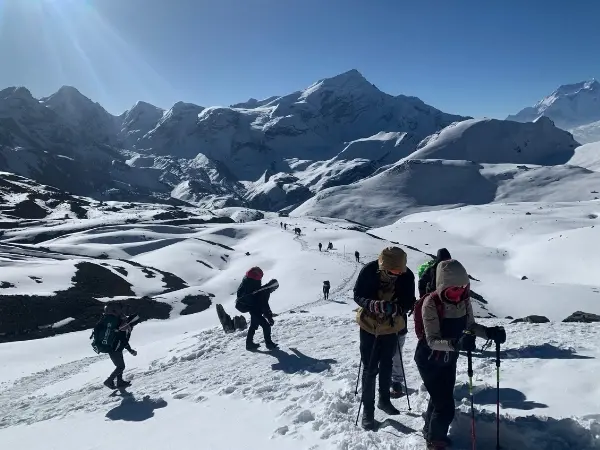
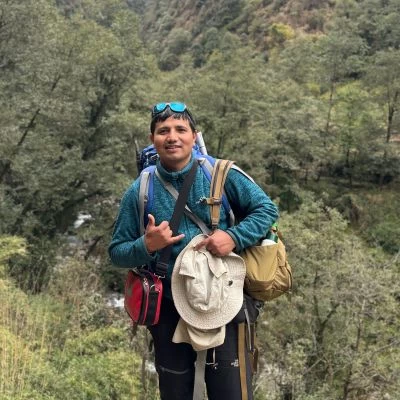
Everest View Trek Nepal is a home of iconic mountain scenery and rich Sherpa culture. The journey passes through different villages that are influenced by Buddhist traditions where fluttering prayer flags, stone mani walls and ancient monasteries can be seen. Most of the travelers choose this Short Everest View Trek because it provides a real blend of nature and culture without the long effort of going to Everest Base Camp. Along the Everest region Trek itinerary, trekkers can visit the historic Tengboche Monastery and enjoy the stunning mountain views of Everest, Ama Dablam, Lhotse, Thamserku and more.
Most of the Everest View Trek itineraries starts with a scenic flight from Kathmandu to Lukla and then continues towards Phakding, Namche Bazaar, Everest view hotel and Tengboche. This Everest Panorama trek usually takes about 4 to 7 days to complete depending upon the route and extra acclimatization days in place like Namche Bazaar. Observing the jaw dropping mountain scenery in a relatively short trip highlights the flexibility and accessibility of this journey for both beginners and families with limited time. Overall, the Everest View Trek is a short and rewarding Himalayan journey that combines iconic mountain scenery, Sherpa culture, and a manageable itinerary in single journey.
Everest View Trek Difficulty Level: Easy, Moderate or Challenging?
Everest View Trek difficulty is considered as easy to moderate trekking journey. As a popular Everest View Trek Nepal route, it is a short journey of 5 to 7 days with no high passes like Everest Base Camp. The high altitude remains below 4,000 meters which makes it challenging but not that extreme. The trail is well maintained with many teahouses which makes the journey way comfortable.
When we look deeper into the Everest View Trek difficulty level, it is taken as a moderate for most people. However, the Short Everest Trek difficulty includes some uphill climbs around Namche Bazaar and Tengboche monastery sections, but these climbs are manageable with average fitness level and proper preparation for Everest View trek. The Everest View Trek for beginners is still very manageable with proper pace and preparation, though some tiredness and mild altitude effects can be expected during the Everest View Trek journey.
BOOK A EVEREST VIEW TREK WITH MOUNT FACE NEPAL. SPECIAL OFFER FOR WHO BOOK DURING THIS END OF SEPTEMBER.10% DISCOUNT
Is the Everest View Trek Suitable for Beginners?
The Everest View Trek is widely considered as a suitable trek for who are exploring the Himalayas for the first time. Under Everest View Trek for beginner’s category, it is often described as a safe introduction where the Everest View Trek difficult remains manageable with basic fitness level and willingness to walk for several hours each day. While compared to longer routes like Everest base Camp vs Everest View, this trek is shorter and lower in altitude which makes it more accessible. The route is well marked with many teahouses and guide support which helps beginners feel comfortable and confident during this Nepal Short Trek journey.
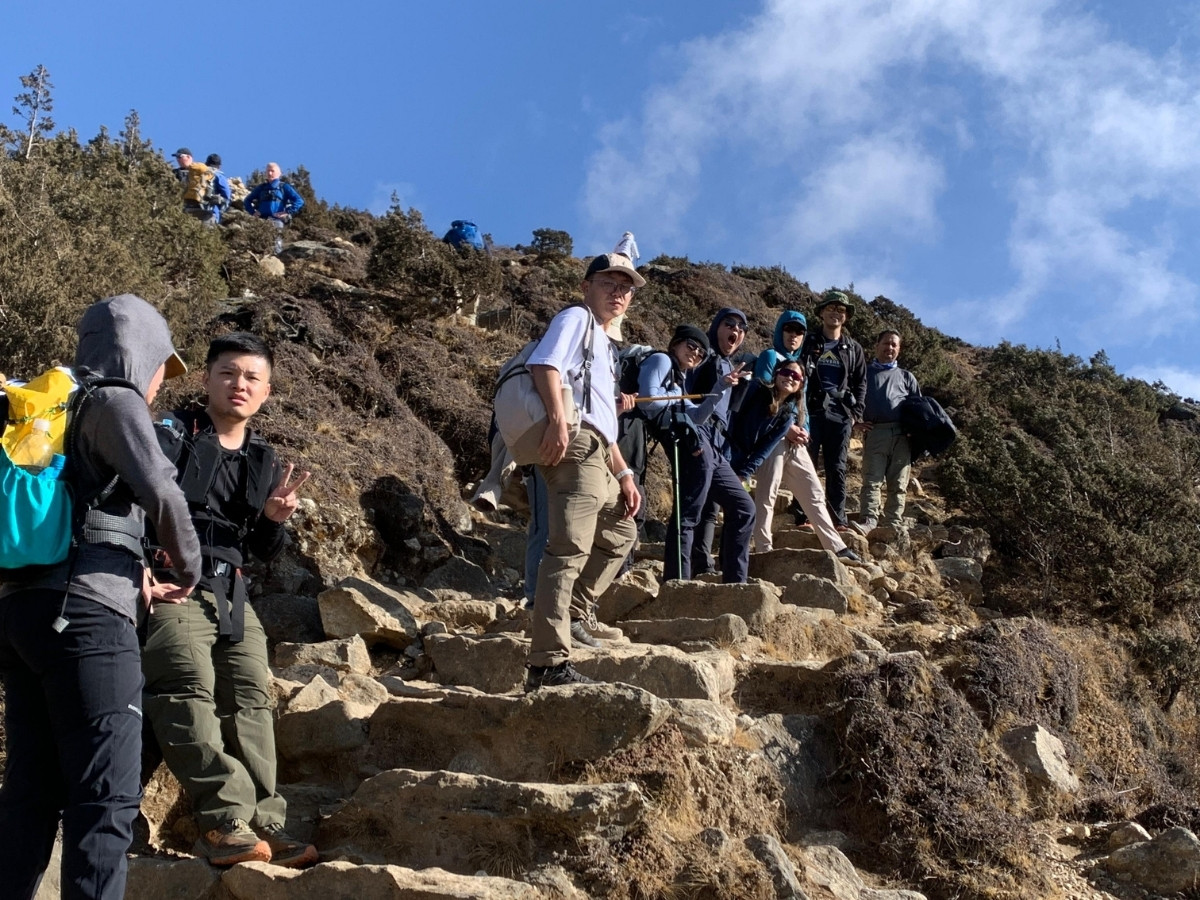
During this trekking trail, beginners should understand the Everest View Hike difficulty which includes moderate uphill and downhill sections where you need to walk continuously while carrying a light daypack. The difficulty level of Everest View Trek does not demand extreme endurance but still requires a steady pace and awareness of altitude acclimatization Everest view. This Everest region beginners trek is also popular among families, couples, and old travelers who wants scenic Himalayan experience without any long strenuous effort. For most beginners with average fitness and a bit of preparation, Everest view trek is very doable, rewarding first time Himalayan adventure, offering big mountain views without any extreme difficulty.
Daily Walking Hours on Everest View Trek: How Many Hours Per Day & What to Expect
The Short Everest View Trek follows a comfortable daily walking of 4-6 hours depending upon the trekking trail route and the elevation gain. During the first day of trekking in the Everest View Trek Nepal from Lukla to Phakding takes about 4–5 hours, giving trekkers a gentle start to this Everest Panorama Trek. Climbing days towards Namche Bazaar and Tengboche monasteryhike can stretch up to 6–7 hours, and Namche Bazaar to Tengboche takes 5-6 hours due to downhill sections. Acclimatization day are shorter, usually 3–4 hours of lighter walking around Namche or hike up toHotel Everest View viewpoint.
During the trail, the Everest View Trek difficulty level is influenced by terrain, pace and elevation rather than long walking hours. The Everest View Trek difficulty feels more manageable because the trail follows gradual ups and downs through lush rhododendron forests, villages and high suspension bridges rather than one continuous steep climb for hours. On this Short Everest View Trek, mornings usually begin early morning around at 7–8 AM with a slow steady pace and breaks in every 1–2 hours for short rest and breathtaking views. When compared Everest Base Camp vs Everest view, this trek avoids very long 8-9 hour walking days which makes it more comfortable and enjoyable.
Everest View Trek Elevation Gain & Altitude Challenges: Maximum Height & Acclimatization Needs
The Everest View Trek gradually gains elevation which making the overall Everest View Trek difficulty level moderate. The highest point is usually around Tengboche and Everest View Hotel at about 3,880-meters altitude which is high but still lower than Everest Base Camp or other high altitude trekking journey in Nepal. From Lukla, trekkers gain significant altitude over several days, with the biggest climb from Phakding (2,610 meters) to Namche Bazaar (3,440 meters) of around 900 meters in single day. This steady ascent makes the trek manageable and well suited as a Short Everest View Trek for gradual altitude exposure.
As the trekking trail moves into higher, altitude becomes the main factor affecting the difficulty level of Everest View Trek rather than distance or duration. In this Everest View Trek Nepal, above 3,000 m trekkers may feel light early symptoms like headache, fatigue or shortness of breath, especially if faster ascent is done. So, proper altitude acclimatization becomes very important, with a rest day at Namche Bazaar and short hikes to Hotel Everest View following “climb high, sleep low” approach. Walking slowly, staying well hydrated and avoiding over effort really helps to reduce risks.
Everest View Trek vs Everest Base Camp Difficulty: Which One Should You Choose?
Detailed comparison table helps trekkers to decide between the shorter and easier Everest View Trek (also called Everest Panorama or Hotel Everest View Trek) and the iconic Everest Base Camp (EBC) Trek. Both Everest region trek offers stunning Himalayan views. But they differ significantly in difficulty, duration, altitude, and the suitability.
Comprehensive Comparison Table between Everest View Trek and Everest Base Camp Trek
| Aspect | Everest View Trek | Everest Base Camp Trek |
| Difficulty Level | Easy to Moderate | Moderate to Challenging |
| Duration | 5 to 9 Days | 12 to 14 days |
| Total Distance | 40 to 50 km round trip | 130 Km round trip |
| Daily Hiking Hours | 4 to 6 hours | 6 to 9 hours |
| Max Altitude | 3,880 m (Hotel Everest View) | 5,364 m (Everest Base Camp) 5,644 m (Kala Patthar Viewpoint) |
| Altitude Sickness Risk | Low to Moderate | Moderate to High |
| Fitness Required | Require basic to good cardiovascular fitness | Good to excellent fitness |
| Highlights | Panoramic Everest views from Hotel Everest View, Namche Bazaar, Tengboche Monastery, Sherpa culture | Reach actual Everest Base Camp, Kala Patthar sunrise views, glaciers, multiple monasteries, full Khumbu region experience |
| Accommodation | Comfortable teahouses/lodges (better at lower altitudes) | Standard teahouses (basic at higher altitudes) |
| Best Suited For | First-timers, families, time constrained travelers, those wanting views without extreme effort | Adventure seekers, experienced trekkers, |
Altitude Sickness Risk on Everest View Trek: Symptoms, Prevention & Why It's Lower Than EBC
The Everest View Trek has a lower altitude risk compared to longer routes, and the Everest View Trek difficulty is influenced more by elevation than distance. The trek usually reaches around 3,860–3,880 m which is far below Everest Base Camp at 5,364 m, so the difficulty level of Everest View Trek stays in a safer range. Because this Everest View Trek Nepal route has shorter duration and lower sleeping altitude, the ascent is more gradual, which reduces AMS risk, although it is still high altitude and not completely risk free.
In this Everest View Hike difficulty, more serious signs like vomiting, confusion or breathing issues should not be ignored, and “fitness does not guarantee immunity” at high altitude. During this Everest View Trek Nepal, above 3,000 m trekkers may feel light early symptoms like headache, fatigue or shortness of breath, especially if faster ascent is done. So, proper altitude acclimatization becomes very important, with a rest day at Namche Bazaar and short hikes to Hotel Everest View following “climb high, sleep low” approach. Walking slowly, staying well hydrated and avoiding over effort really helps to reduce risks.
Everest View Trek Difficulty in Different Seasons: Spring, Autumn & Winter Impact
The Everest View Trek changes its character across different seasons which directly affects the Everest View Trek difficulty level and the overall trekking experience. During spring season (March to May), the Everest View Trek Nepal feels easier because of stable weather, dryer trails and good visibility where blooming rhododendrons and fresh landscapes makes the journey more enjoyable rather than difficult. Autumn (September to November) also offers clear skies and dry paths after monsoon, keeping the Everest View Trek difficulty level comfortable with excellent mountain views that makes the effort feel lighter and really rewarding.
on winter and monsoon months, the Short Everest View Trek difficulty increases due to weather impact conditions rather than the terrain itself. During winter season, there is big chance of snowfall, icy trails and the freezing temperatures especially around Namche Bazaar and Tengboche Monastery hiking sections, making the walk slower and more tiring. Additionally, monsoon adds slippery trails, leeches, and the landslide risk which can really affect this Short Trek Nepal journey. Although Everest View Trek for beginners is still possible in these seasons, it needs more caution and preparation. Overall, spring and autumn are the easiest, while winter makes the trek more demanding and challenging overall.
Flight Everest View Trek Difficulty: Weather, Flight Delays & Itinerary Changes
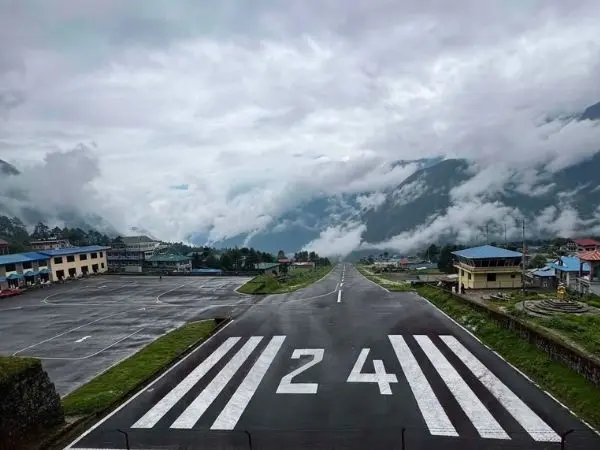
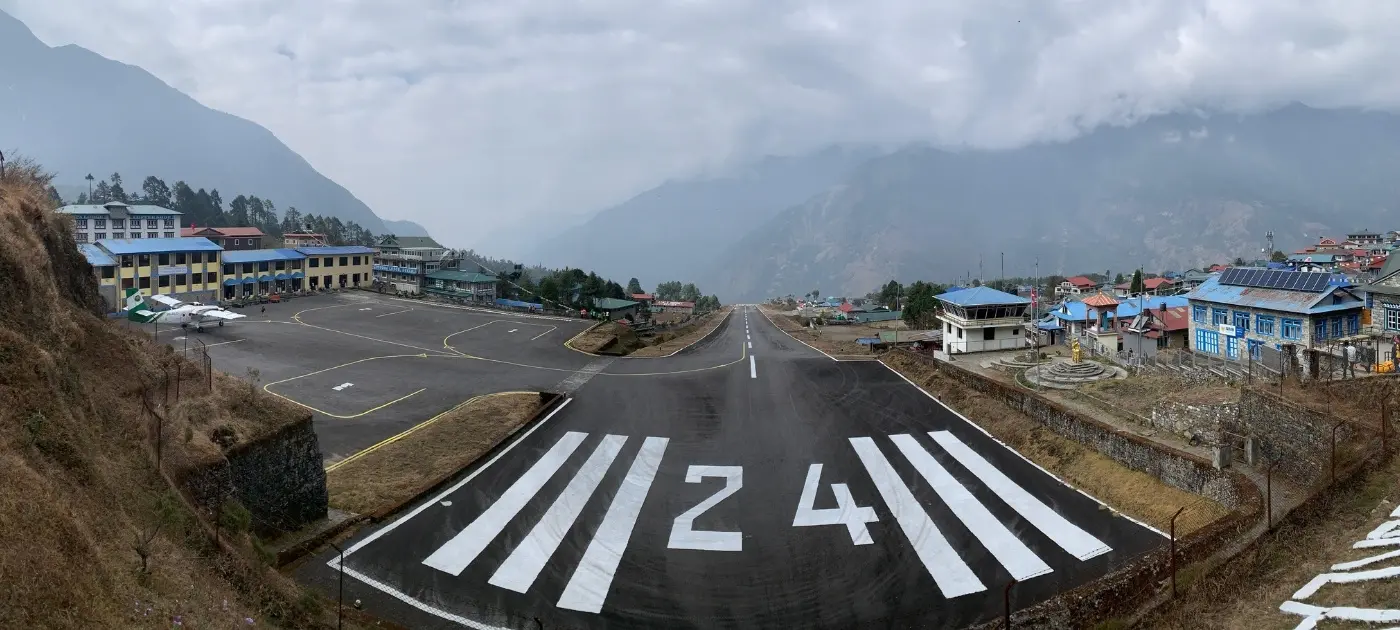
Everest View Trek begins with a flight to Lukla which directly affects the overall Everest View Trek difficulty beyond just walking conditions. In the Everest View Trek Nepal journey, Lukla airport is located at high altitude of 2,846 meters where its exposed terrain, clouds, fog and strong winds can sometimes delay or cancel the flights even if weather clear in Kathmandu Tribhuvan International Airport. This uncertainty can really add the mental and logistical challenge to the Everest View Trek difficulty level, as trekkers may need to wait extra days in Kathmandu or Lukla without fixed schedule.
During the journey, flight delays can also impact itinerary and the total cost which becomes part of the Short Everest Trek difficulty experience. In the Short Everest View Trek, agencies like Mount Face Nepal often includes the buffer days because weather impact Everest View Trek can force itinerary changes like shortening or extending the trek. Extra days on the Himalayas means the extra additional cost for accommodation, meals, porters and guides. Best time for Everest View Trek Difficulty consideration are spring and autumn seasons as it provides better flight conditions. However, delays can still happen due to unpredictable weather on Himalayas. The Everest View Trek itself is moderate, but Lukla flight dependency can increase the overall difficulty, time and overall expenses.
.jpg)
Mental Challenges on Everest View Trek: Fatigue, Weather & Staying Motivated
The Everest View Trek difficulty is not only about the physical effort but it also about mental challenges or endurance where long walking days, quick changing weather and highly altitude can test trekkers focus and patience on this short Himalayan journey. On this Everest View Trek Nepal, trekkers often feel tired after steady climbs, especially around Namche Bazaar and Tengboche sections. Cold mornings, sudden clouds and thin air also can make even simple walks feel harder which can reduce the significant motivation during the trek.
On this Everest View Trek trail, maintaining a positive mindset is very important as mental stress can build up even on this short Himalayan journey. Combined with altitude and daily routine can sometimes even feel repetitive and tiring which can directly affect the motivation. However, while staying engaged with the surroundings, interacting with locals and focusing on the small daily goals really helps a lot on this Everest View Trek for beginners. With strong mindset and patience, even first-time trekkers can easily overcome these mental challenges and enjoy this Everest region trek fully.
Everest View Trek with Porter or Guide: How It Lowers Overall Difficulty
Everest view trek difficulty becomes much easier when trekkers travel together with a porter and guide because they will reduce both physical and mental challenges during your journey. Trekkers carrying a heavy backpack for several hours each can make the uphill climbs more tiring in places like Namche Bazaar and Tengboche. But with porter support, the difficulty level of Everest View Trek feels more manageable. A lighter load or backpack really improves the balance on stone steps while reducing fatigue, which helps trekkers to enjoy this Everest region Trek with more comfort and steady energy.
The Short Everest View Trek, guides play an important role in maintaining the proper pace and managing the daily plans which helps to significantly reduce the overall stress on Everest View Trek. Guides will be helpful in route navigation, handling weather changes, and determining appropriate resting periods for your journey, making the Everest View Trek difficulty level feel less overwhelming for beginners. With less physical strain and better support, trekkers can store their energy for high altitude sections and for proper acclimatization. This support system really creates a safer and smoother experience, making the Everest Panorama trek journey feel more enjoyable and accessible.
How to Train for Everest View Trek Difficulty: 4–8 Week Preparation Plan?
For preparation regarding the Everest View Trek difficulty, regular efforts are required for a period of 4–8 weeks since the trek consists of regular walking, some uphill walking and moderate altitude exposure. Even though it is a Short Everest View Trek, trekkers still need stamina, leg strength and endurance to walk comfortably for several hours each day. A structured 4-8 weeks preparation routine helps to reduce fatigue, improve and recovery and makes the overall experience on Everest View Trek Nepal more enjoyable rather than physically exhausting. Training also helps to support better adjustment to altitude conditions during the trek.
A simple training progression is best to improve the fitness level for Everest View Trek where cardio, strength and hiking practice becomes helpful. Trekkers who are preparing for this Everest region trek can focus on short walks, light strength exercises and basic stamina building for early weeks. While later weeks should include longer hikes, hill climbs and carrying a light backpack to simulate the trekking conditions. It will also be very helpful when practicing on an uneven terrain and maintaining the consistency for this moderate Himalayan trekking demands. With proper preparation, trekkers can easily approach the journey with full confidence and better physical readiness.
Day to Day Everest View Trek Trail Conditions: Paths, Terrain, Elevation & Hiking Challenges
Day 1: Flight from Kathmandu to Lukla and Trek to Phakding
- Section A: Kathmandu to Lukla Flight:The scenic flight from Kathmandu to Lukla takes about 30–35 minutes, which offers breathtaking views of the Himalayan range, including highest peak of the world Mount Everest (8,848.86 meters). To get the best experience, get a seat on the left side of the plane, as it offers the most spectacular mountain panoramas.
- Section B: Lukla to Phakding:The trek from Lukla to Phakding takes 3 to 4 hours. The trail follows a downhill path toward the Dudh Koshi River. You walk on well managed stone stairs. The route passes through rhododendron forests and crosses suspension bridges. After crossing suspension bridge, a short uphill stretch leads into Phakding village.
Day 2: Trek from Phakding to Namche Bazaar
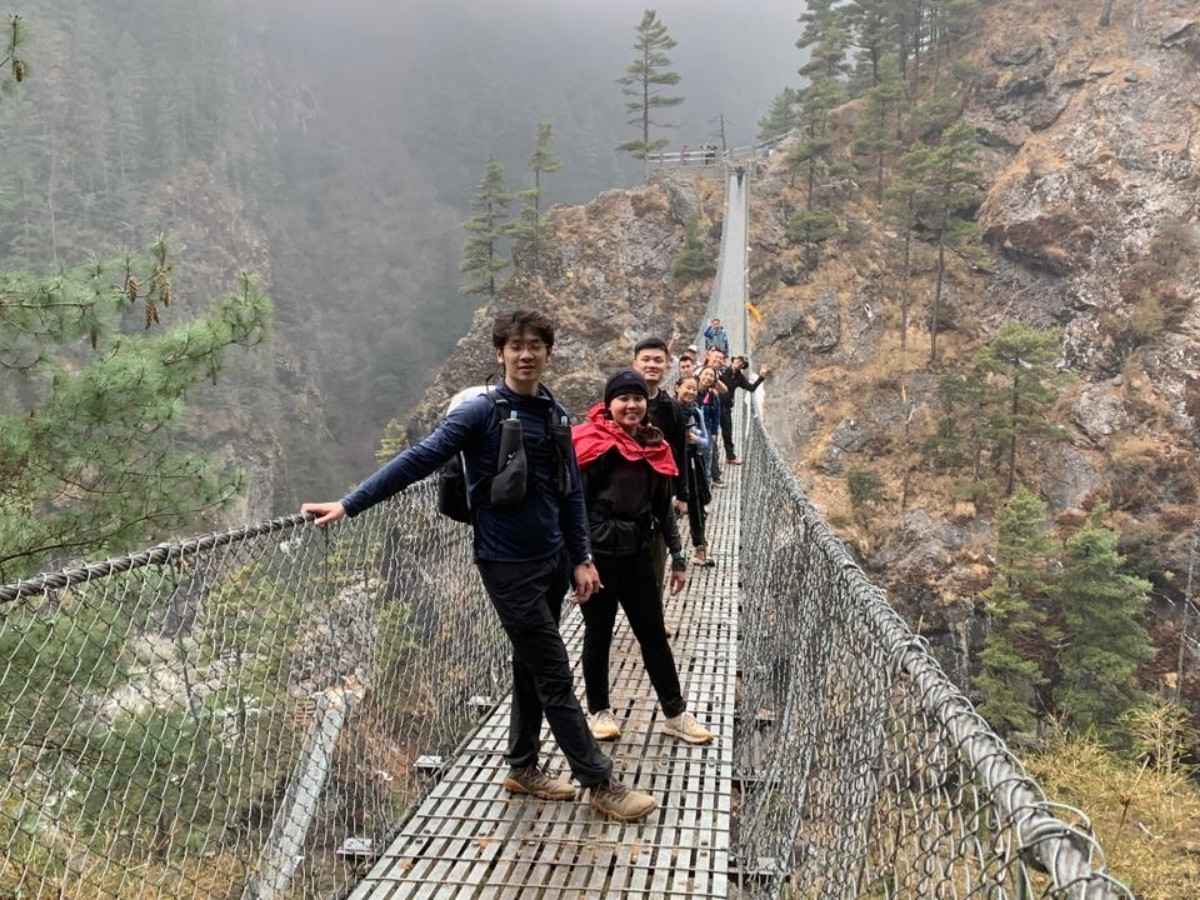
- Section A: Phakding to Benkar:The walk from Phakding to Benkar takes 1.5 hours. This section is easy. The path includes some ups and downs with stone stairs. The path is a pleasant mix of pine and rhododendron forests following the Dudh Koshi River upstream. This part of the trek offers a steady start to your day during Everest View Trek Nepal.
- Section B: Benkar to Monjo:Trek from Benkar to Monjo takes 1 to 1.5 hours during this day on Everest Panorama Trek. This section is easy to moderate. Trekkers cross the longest suspension bridge in the Khumbu valley. The path features uphill stone stairs and some downhill sections. While crossing the suspension bridge over Dudh Koshi river, it offers cascading water views.
- Section C: Monjo to Jorsalle:The trek from Monjo to Jorsalle takes about 20 to 25 minutes. Trekkers descend acute downhill through stone staircases. This section is easy and follow the trail along the Dudh Koshi river. Overall, this section is short and very easy.
- Section D: Jorsalle to Hillary Bridge (Bottom):The walk from Jorsalle to the bottom of Hillary Bridge takes 30 to 45 minutes. This moderate trail follows the Dudh Koshi River. The path consists of uphill stone stairs and some downhill sections too. You see two suspension bridges stacked vertically here, the lower one is known as hillary bridge. Porters and animals use the higher Hillary Bridge.
- Section E: Hillary Bridge to Top Danda:The climb from Hillary Bridge to Top Danda takes 1 to 1.5 hours. This section is a steep uphill and is the most difficult part of the day can be a challenging part to trekkers. We can witness the first view of Everest from Top Danda along with Lhotse and Nuptse. A toilet is available at this spot. Most of the time local people often sell water here.
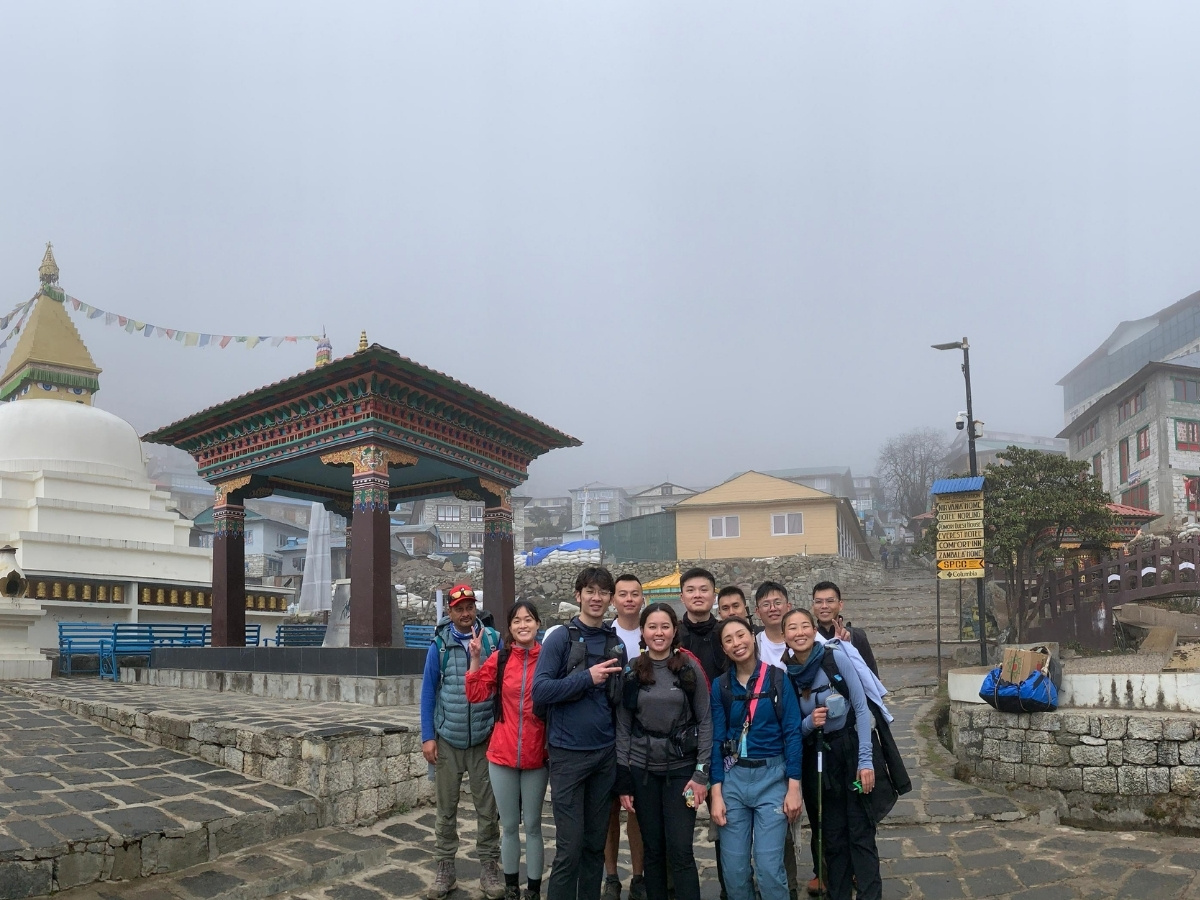
- Section F: Top Danda to Namche Bazaar:The walk from Top Danda to Namche Bazaar takes 1 hour. This section is a gradual uphill walk. Most of the path is a natural trail with few stairs. Officials verify your permits at the checkpoint before we reach Namche Bazaar. A final stone stair climb leads us into Namche Bazaar. Trekkers enter the village from the lower end and pass a large colorful stupa and prayer wheels at the main entrance before entering Namche Bazaar.
Day 3: Namche Bazaar to Hotel Everest View and return
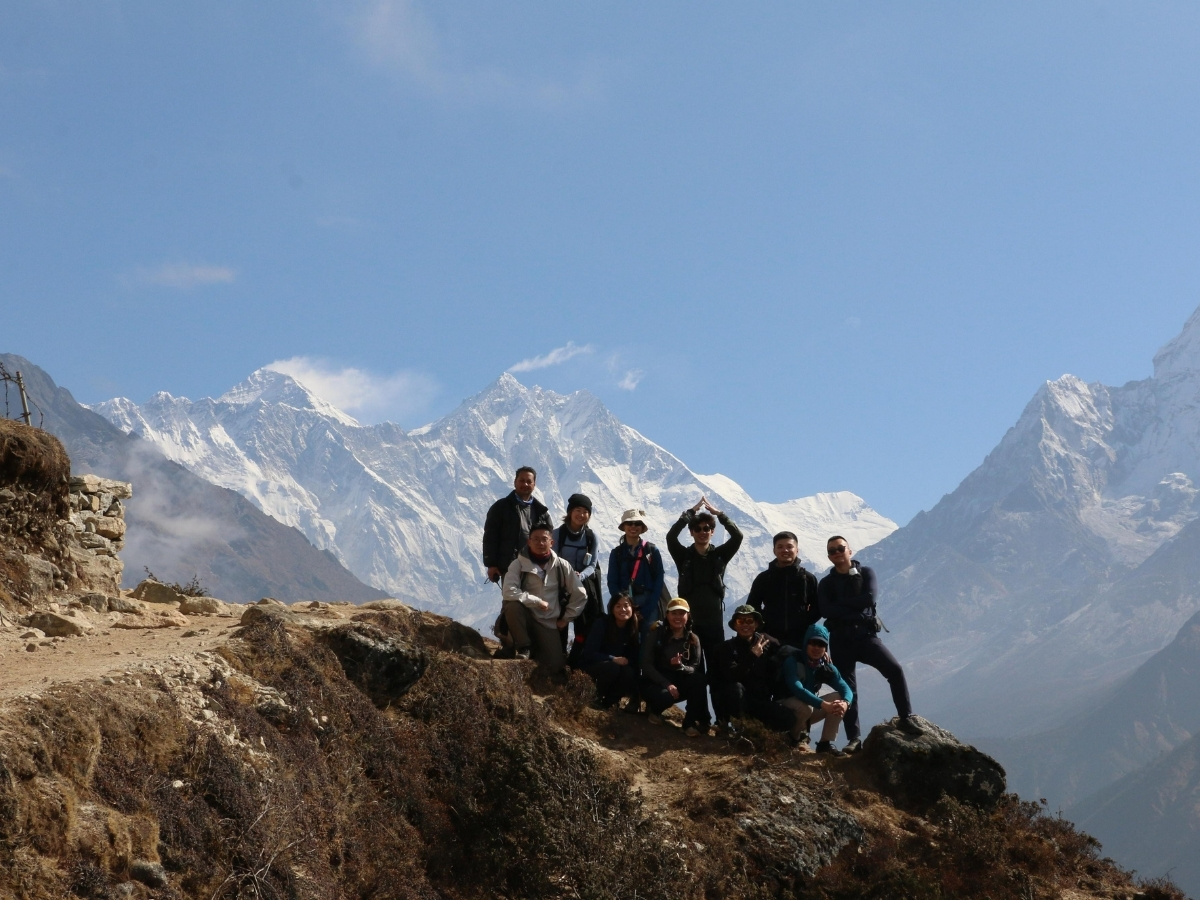
- Section A: Namche Bazaar to Syangboche Airport:The climb from Namche Bazaar to Syangboche Airport takes 45 minutes to 1 hour and includes a steep uphill section. The path is a mix of natural trails and well managed stone steps. From Namche Bazaar, the trail climbs sharply from the village. Additionally, the path can be slippery on the return from Hotel Everest View because of loose stones.
- Section B: Syangboche to Hotel Everest View:The walk from Syangboche Airport to the hotel takes 30 to 45 minutes. This section is moderate difficult. The trail levels out into a gentle or flat ascent after the initial climb from the Syangboche airport. Trekkers follow an ascending trail for half an hour to reach the Sherpa Resort area (Hotel Everest View).
Day 4: Namche Bazaar to Tengboche
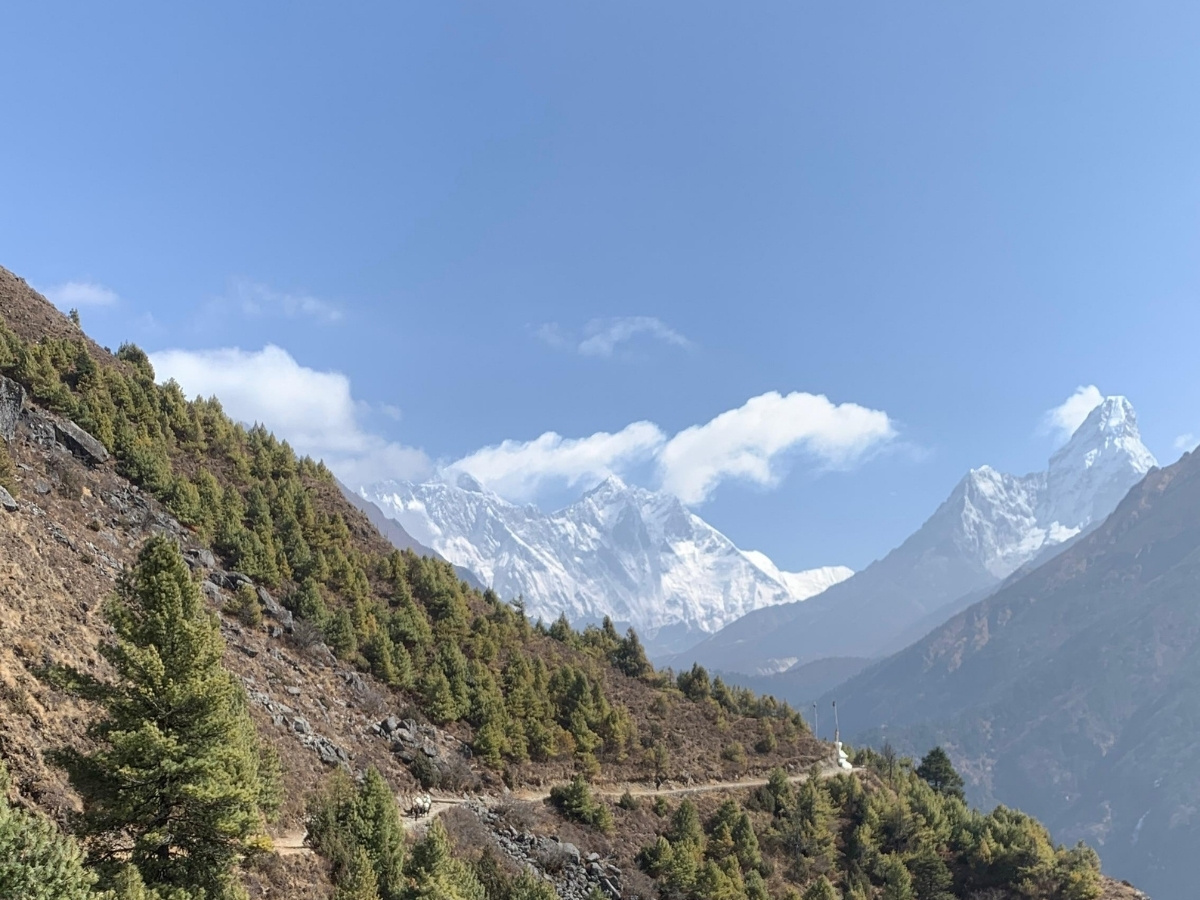
- Section A: Namche Bazaar to Kyangjuma:Walk from Namche Bazaar to Kyangjuma takes 1 to 1.5 hours. This section is easy to moderate. The journey begins with 15 minutes of walking through stairs and then trails traverses a spectacular cliffside upon leaving Namche while gaining a very gentle altitude. Along the way trekkers can witness stunning mountain views including Mt. Everest. This path also offers continuous views of Lhotse, Nuptse, and Ama Dablam.
- Section B: Kyangjuma to Phunki Tenga:The trekking journey from Kyangjuma to Phunki Tenga takes 1.5 hours and this section is considered moderate. The path is a long and steady descent from the high ridgeline to the riverbank. It consists of downhill stairs and dusty paths. The walk is easy on the lungs but really requires careful footwork on the stone steps.
- Section C: Phunki Tenga to Tengboche:The trek from Phunki Tenga to Tengboche takes about 2 to 2.5 hours and is a challenging journey with a continuous climbing on stone stairs. This path serves as the final push for the day. This section steady ascends transitions from a lush riverside environment into the spiritual heart of the Khumbu region. Additionally, good stamina is required to reach the Tengboche monastery at the top.
Day 5: Tengboche to Namche Bazaar
- Section A: Tengboche to Phunki Tenga:The descent from Tengboche to Phunki Tenga takes 1.5 hour. This section is a steep downhill through lush rhododendron and pine forests. Trekkers walk on dusty trails and stone steps. The path drops sharply toward the Dudh Koshi River. It is easy on your breathing but still requires steady balance.
- Section B: Phunki Tenga to Namche Bazaar:The walk from Phunki Tenga to Namche Bazaar takes 2.5 to 3 hours. This section is moderate with a mix of uphill and flat trails. You climb back up to the high ridge near Kyangjuma. The path then levels out as it traverses the hillside. You enjoy wide views of the valley and peaks. The final stretch is a smooth walk leading into the upper part of Namche Bazaar.
Day 6: Namche Bazaar to Lukla
- Section A: Namche Bazaar to Monjo:Walk from Namche Bazaar to Monjo takes 2 to 2.5 hours. This section starts with a steep descent down the Hillary Bridge and towards the Dudh Koshi River. The path includes frequent ups and downs as you follow the river downstream. Trekkers also cross several suspension bridges along the way. The trail is mostly downhill but requires steady footwork on the rocky steps.
- Section B: Monjo to Lukla: Takes you 4 to 5 hours to reach Lukla from Monjo. This route is of medium difficulty level. It leads you through Phakding and some small Sherpa villages like Jorsalle and Benkar. Here, trekkers can encounter a mix of both flat trails and gradual uphill climbs. The last part of your trek is a consistent climb towards Lukla via the stone stairs. In this section of the Everest View Trekking route, trekkers also pass through lush rhododendron forests and open farmland. Upon, reaching Lukla it officially marks the completion of your Everest View Trekking journey in the Khumbu region.
Day 7: Lukla to Kathmandu Flight
Flight from Lukla to Kathmandu takes 30 to 35 minutes. You board the small aircraft early in the morning when the weather is most stable. The plane takes off from the short, sloping runway and heads toward the capital. It’s recommended to sit on the right side of the plane to see the Himalayan range for one last time. This flight offers a final look at the Himalayan peaks and deep valleys of the Khumbu region.
Final words
TheEverest View Trek is not a highly difficult trekking or journey that requires technical climbing skills, but it still rewards for those with good fitness, proper preparation, and the with right support on the trail. With help from an experienced guide and a reliable trekking agency like Mount Face Nepal, the journey becomes much safer, smoother, and easier to enjoy fully. In the end, a steady pace, a positive mindset, and the right planning are what makes this short Himalayan adventure truly memorable and successful.