Tiji Festival in Upper Mustang
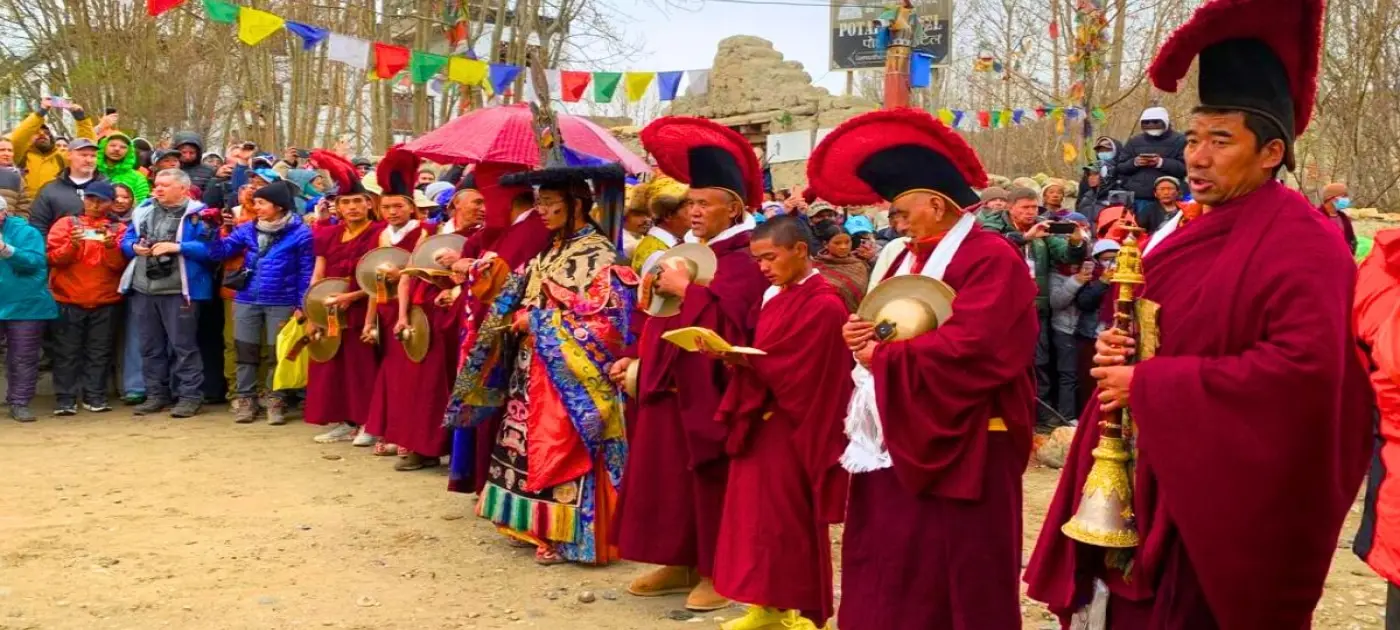
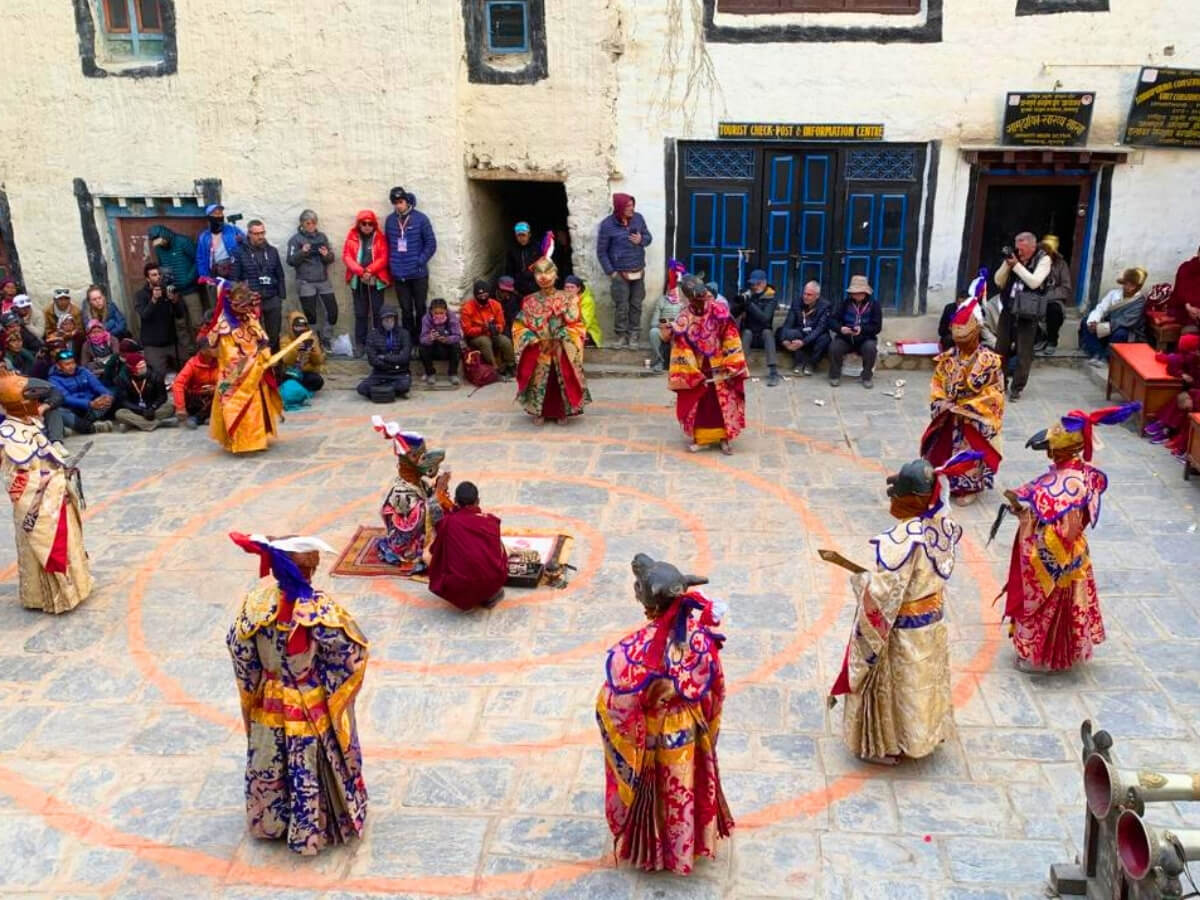
Every year in May, the ancient kingdom of Lo Manthang in Nepal’s Upper Mustang, beyond Himalayas opens it heart into the world’s most unique and powerful cultural celebrations, the Tiji Festival. For continuous three days, long horns echo across the desert’s cliffs, monks appear in a bright silk red dress and masked dances reminds an old story of a demon who brought a drought and a deity who restores peace.
For travelers, photographers and professionals in the trekking and tourism world, the Tiji Festival Mustang Nepal is more than just a festival experience. It is a rare chance to look into a living Tibetan Buddhist tradition and lifestyle that has been preserved for centuries. As the interest in cultural travel grows, the Upper Mustang Tiji Festival is becoming one of the Nepal’s most valuable and unique travel attractions.
This blog is for helping you to understand the unique festival of this region and how to design your perfect journey for Tiji festival Nepal, 2026.
What makes Tiji Festival Special?
The Upper Mustang Tiji festival is not just about colors, unique dresses, long horns and dances. It also proudly represents:
- A living tradition which is still important to the local Loba people (indigenous people of Upper Mustang).
- A rare cultural window into the Tibetan Buddhism in its original form which is preserved from long centuries.
- A unique and an unreal festival that takes place into Nepal’s most protected regions.
- An exclusive experience which is limited due to permits and remoteness.
Travelers or Trekkers who attend this Tiji Festival in Nepal often say there is nothing else in world quite like this especially when combined across Mustang’s landscape. This is the reason why Mustang Tiji Festival Trek has become one of the top cultural trekking experiences in the world.
The Story Behind the Tiji Festival in Upper Mustang
The core of the Tiji festival is story of the Dorje Jono and Padmasambhava Guru Rinpoche, a powerful deity who is connected with Vajrakila practices in Tibetan Buddhism. According to Mustang’s history, a devastating demon once brought a worst suffering in this region where water dried up, crops failed to grow and families feared the worst. It is said the Dorje Jono fought the demon to protect the land and its people by defeating it and restoring peace and harmony which is still the heart of the Tiji Festival Mustang, Nepal.
Tiji itself has a long history as it is said that festival began in the 14th century and was performed to clear the curse of the demon Kyirong Songa and protect the seven villages of Mustang. Even at present day, locals believe that without Tiji they would lose an important part of their culture and tradition. Before starting the festival, monks gather flour and the other items to make colorful torma which is the ritual cakes and plays an important role during the ceremonies.
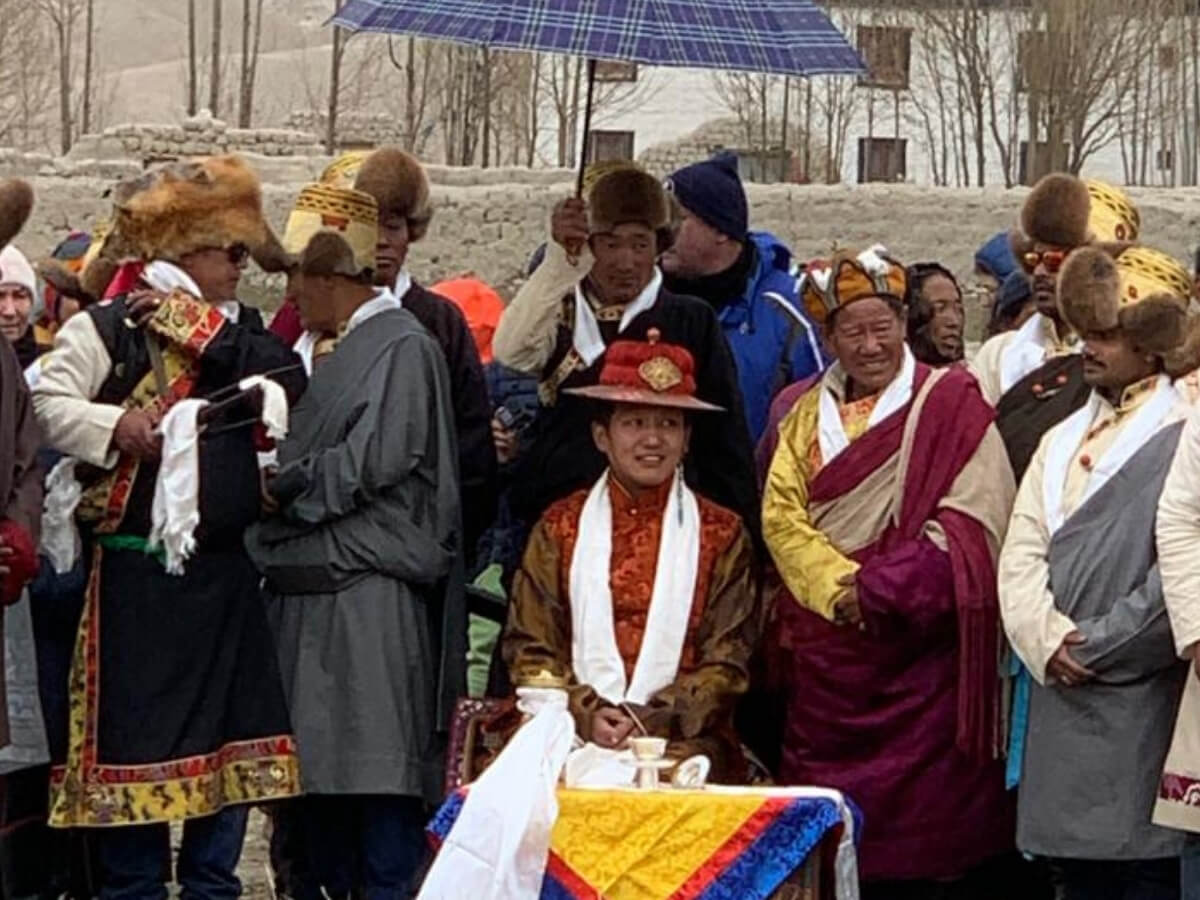
This ancient story is still deeply and truly meaningful to Mustang people and a festival is a yearly reminder of protection, rainfall, community strength and harmony with the nature. When monks danced in their masks and robes, they are not performing for an entertainment, rather they are repeating a sacred act that has been passed down for generations.
Lo Manthang, The ancient stage of the festival
Lo Manthang is the perfect stage for a festival of this scale which is situated at an altitude of 3,840 meters. The city once was the capital of the old Kingdom of Lo and still feels like a place shaped by centuries rather than a decade. Its tall mud walls protect a maze of narrow lanes, whitewashed homes, prayer wheels and monasteries that still continues playing a big role in daily life.
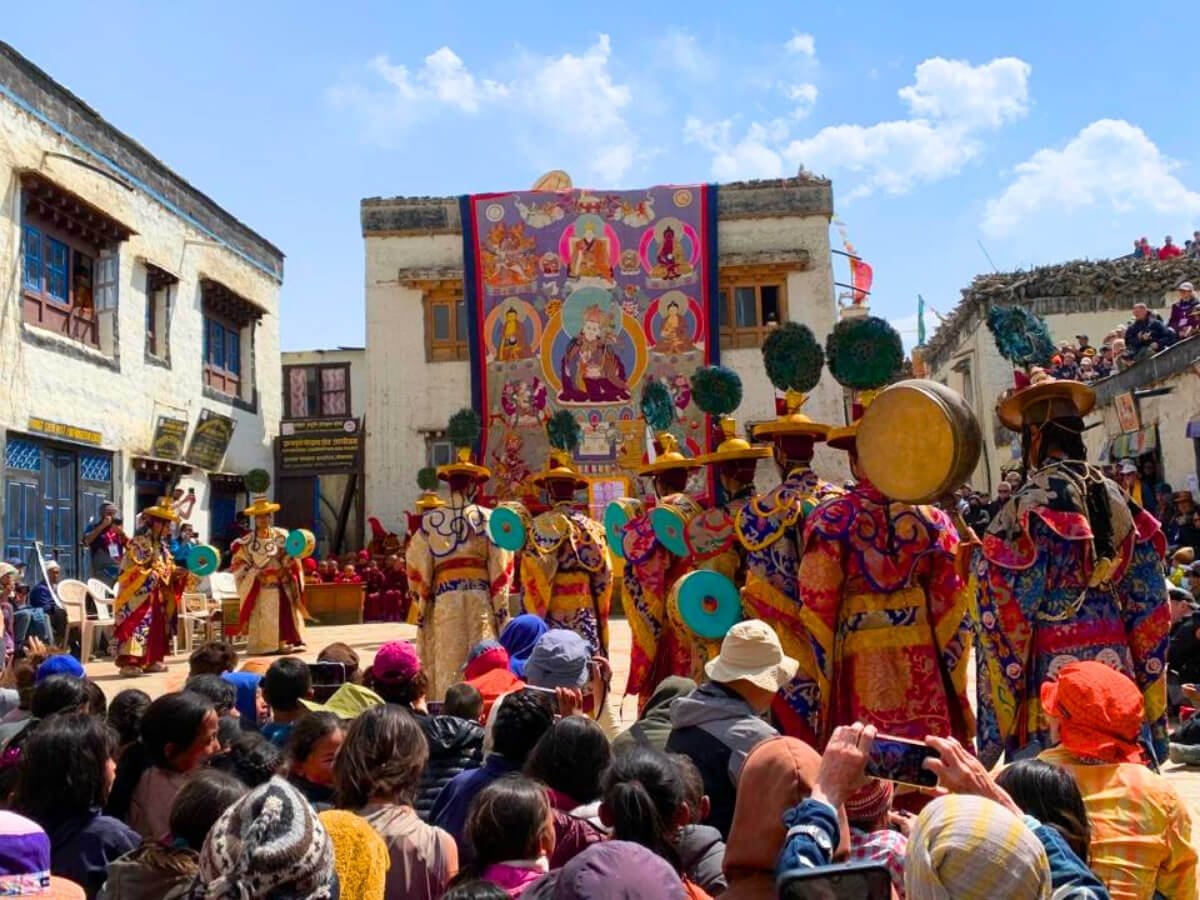
During the festival, life in Lo Manthang changes towards the palace square where locals and visitors gather in a single courtyard. From early morning to the late afternoon, the rhythms of drums and long horns echoes of the stone walls. Every detail from the festival from the masks to the dances has each meaning and watching a festival here in this ancient courtyard makes the experience feel even more powerful.
When is the Tiji Festival Nepal, 2026/2027?
The festival follows the Tibetan lunar calendar, so dates change every year.
Several major agencies and local monasteries have announced the Tiji Festival Nepal, 2026 dates as:
14, 15, and 16 May 2026
1, 2, and 3 June 2027
These dates fall in the middle of the dry season, which makes travel easier. The skies stay clear, the trails are dry, and the weather is more predictable than in other months. While daytime temperatures are comfortable, nights can still be cold, so visitors should prepare warm layers. Booking early is important, as accommodation in Lo Manthang becomes full months before the festival.
The Three Days of Tiji Festival
The Three Days of the Tiji Festival in Upper Mustang, Nepal present itself like a living Himalayan legend, with every day revealing a deeper layer of the ancient story of Dorje Jono. Presented in the royal walled city of Lo Manthang, the Upper Mustang Tiji Festival moves from powerful opening rituals to the intense and unique masked dances on the second day, and finally to the symbolic victory and blessings that close the celebration. Whether you’re trekking to Lo Manthang on the classic Mustang Tiji Festival Trek or joining an overland journey to witness this rare cultural tradition, these three days offer a close look at the heart of Mustang’s spiritual heritage and the vibrant performances that define the Tiji Festival Mustang Nepal.
Day 1 – Opening Rituals (Tsa Chham)
- The first day of the festival begins with the sacred purification ceremonies by monks which sets the tone for the Tiji Festival in Lo Manthang, Nepal.
- The ancient story of Dorje Jono and the demon is the core theme of the Upper Mustang Tiji Festival as it introduced to both local community and travelers.
- Dancers appear in their first colorful masks and robes, opening the vibrant traditions that shape the Tiji Festival Mustang Nepal.
Day 2 – The Main Battle (Nga Chham)
- The Second Day of Tiji Festival is the most dramatic and powerful day of the entire celebration as it attracts trekkers and visitors following the Mustang Tiji Festival Trek.
- The masked dances started to grow stronger, more expressive and emotionally intense as the story reaches at its peak.
- On this day, Dorje Jono symbolically defeat and weakens the demon which is one of the most important moments that highlights the spiritual depth of the Tiji Festival Upper Mustang.
Day 3 – Victory and Blessing (Rha Chham)
- Finally on the last third day of the Tiji Festival , the demon is symbolically destroyed which completes the mythic arc at the heart of the festival.
- A straw figure of the defeated demon is carried and removed out of the village which is a unique tradition to the Lo Manthang Tiji Festival.
- At last, blessings are offered for peace, rainfall and prosperity for the coming year, making it as a meaningful ending for those joining the Tiji festival during Upper Mustang Trek.
How to Reach Lo Manthang for the Festival?
There are two popular ways to attend the festival, by trekking or by jeep. These both options provide different types of experiences, and the choice completely depends on time, fitness, and the type of trip you want to create.
Travelling on foot through the Upper Mustang Region offers a strong sense of connection to the land. Trekking in Upper Mustang allows visitors to adjust slowly to altitude naturally, walk through small villages, and understand the geography that shapes Mustang’s culture. This is why the Mustang Tiji Festival Trek and the classic Upper Mustang Trek are favorites among photographers and cultural travelers planning the Tiji Festival Mustang Nepal.
For visitors who prefer comfort, have limited time, or are traveling with family, the road option is equally appealing. A jeep journey allows travelers to see the landscape without long hours of walking. This road trip makes the route more accessible for older guests, film teams and those who want a smoother, comfortable and quicker trip to the Lo Manthang Tiji Festival. When planning a trip to the Upper Mustang Tiji Festival, a major decision is whether to experience it by Tiji Festival jeep tour or trekking.
Required Permits for Tiji Festival Nepal, 2026
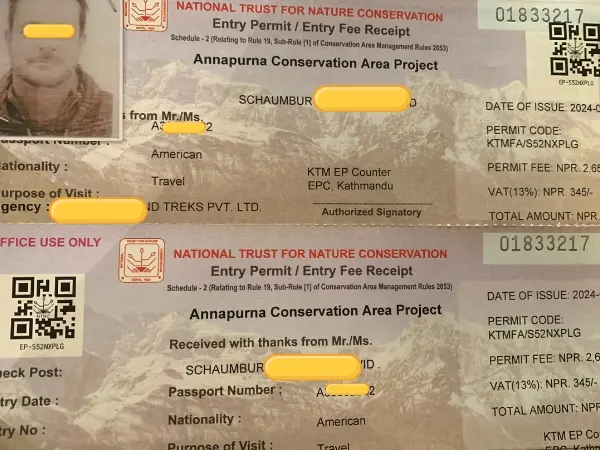
Upper Mustang lies in a restricted region as it helps protect its environment and culture, but it also means travelers must follow specific rules. Every visitor must be accompanied by a licensed guide and required two permits. The Upper Mustang Permit, 2026 includes, the Restricted Area Permit and Annapurna Conservation Area Project (ACAP Permit).
The main permit, restricted area permits costs USD 50 Per Day Per person. In addition, the ACAP (Annapurna Conservation Area Project) permit is required too. The cost for ACAP is NPR 3000 per person. Since the region limits entry, many agencies are recommended to arrange permits for Tiji Festival Trek 2026 at least a few weeks before starting the journey.