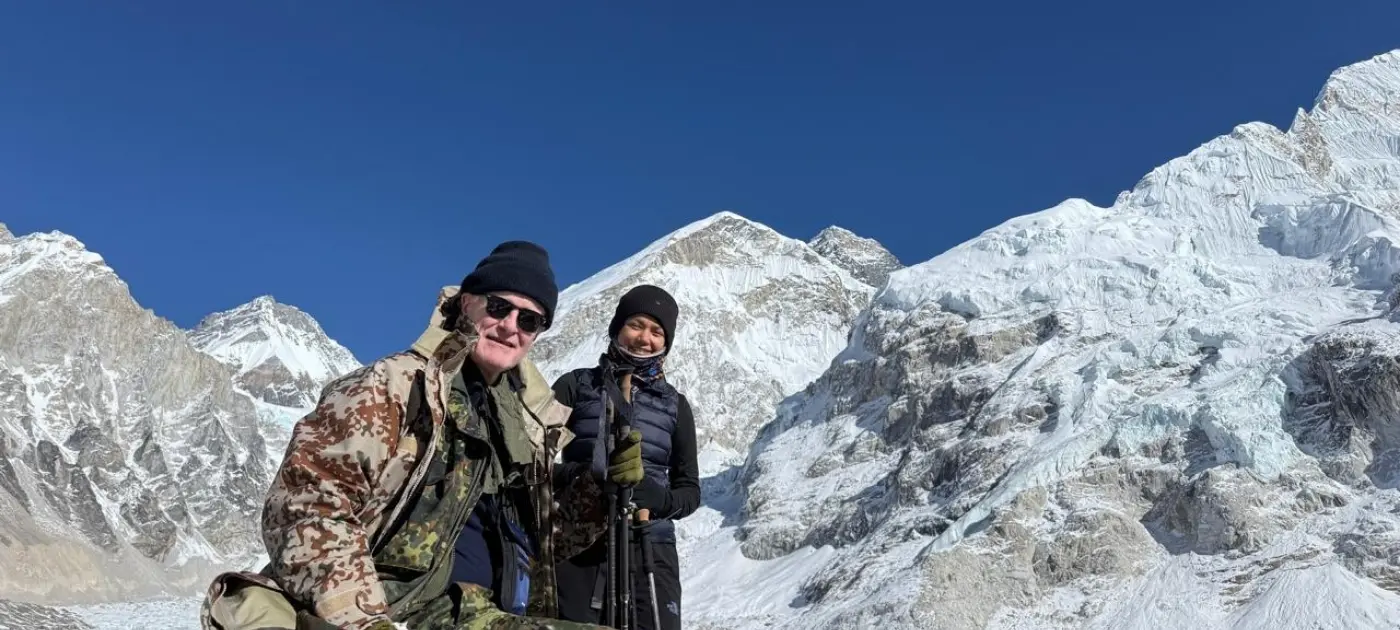
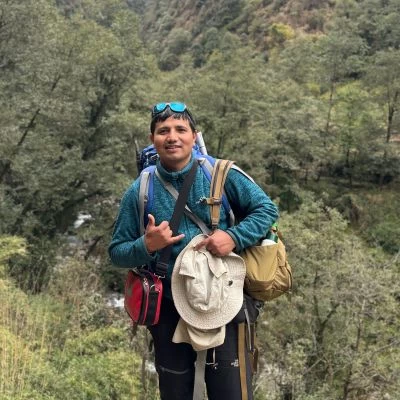
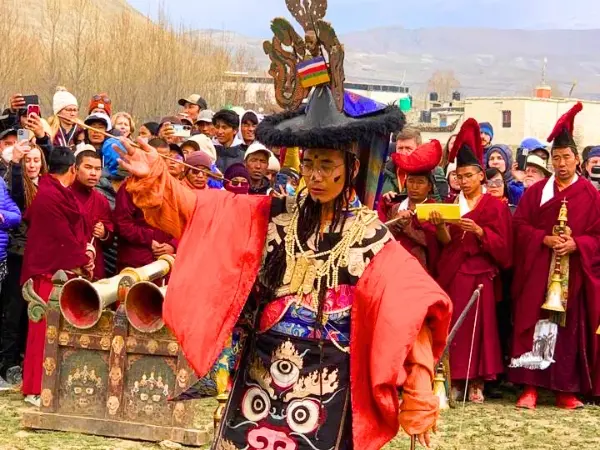
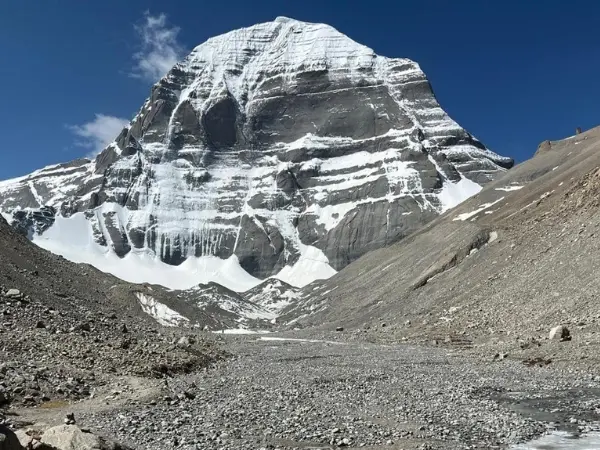
Preparing for the Everest Base Camp trek is nothing like planning an ordinary hike. The journey is through the Sherpa settlements, the high-altitude valleys, and the stunning views of the highest mountain on the planet. The hike demands both physical stamina and mental preparation. A strong Everest Base Camp preparation strategy helps you to handle long walking days, rapid and unstable weather changes and reduced oxygen levels. For most with physically fit, determined, and mentally strong people, this Everest Base Camp iconic trek is achievable and can be done safely.
The guide on this preparation brings effective preparation for Everest Base Camp trekking, which includes training plans, gear selection, acclimatization, nutrition and logistics. It is a combination of tips from experienced guides, recent trekkers and expert resources to help you avoid the common mistakes. Whether you're a beginner or an experienced trekker, this information will help you with the confidence and clarity needed for a rewarding Everest adventure.
Why Preparation for Everest Base Camp Trekking Matters?
Standing at the foot of Everest is a dream, but Everest Base Camp preparation is what turns that dream into reality. The trail stretches over high, exposed ridges and rocky valleys, with long days of walking at altitude. Without focused Everest Base Camp fitness preparation, even experienced hikers can struggle, making the journey more painful rather than rewarding.
Good Everest Base Camp trek preparation protects your health, budget, and confidence. You’re not just training muscles but you’re planning logistics, testing gear, and strengthening your mindset. Thoughtful planning means fewer surprises, safer acclimatization, and more energy to actually enjoy the Sherpa culture with majestic Himalayas views and the emotional little moments with locals that make this trek unforgettable.
Understanding Everest Base Camp Trek Difficulty
The Everest Base Camp trek difficulty is usually described as moderate to challenging. You’re not climbing on ropes, but you are walking roughly 130 kilometers at elevations up to about altitude of 5,364 meters, often for 5–7 hours daily. What makes the most people difficult isn’t one steep hill rather it’s the day-after-day effort in thin air.
Acclimatization days in places like Namche and Dingboche help your body to adapt with the high-altitude region. Weather changes, basic teahouse comforts, and occasional altitude symptoms all add to the challenge. Treat the trek as a serious high-altitude hike, and shape your Everest Base Camp training around endurance, resilience and safety.
How Early Should You Start Training for EBC?
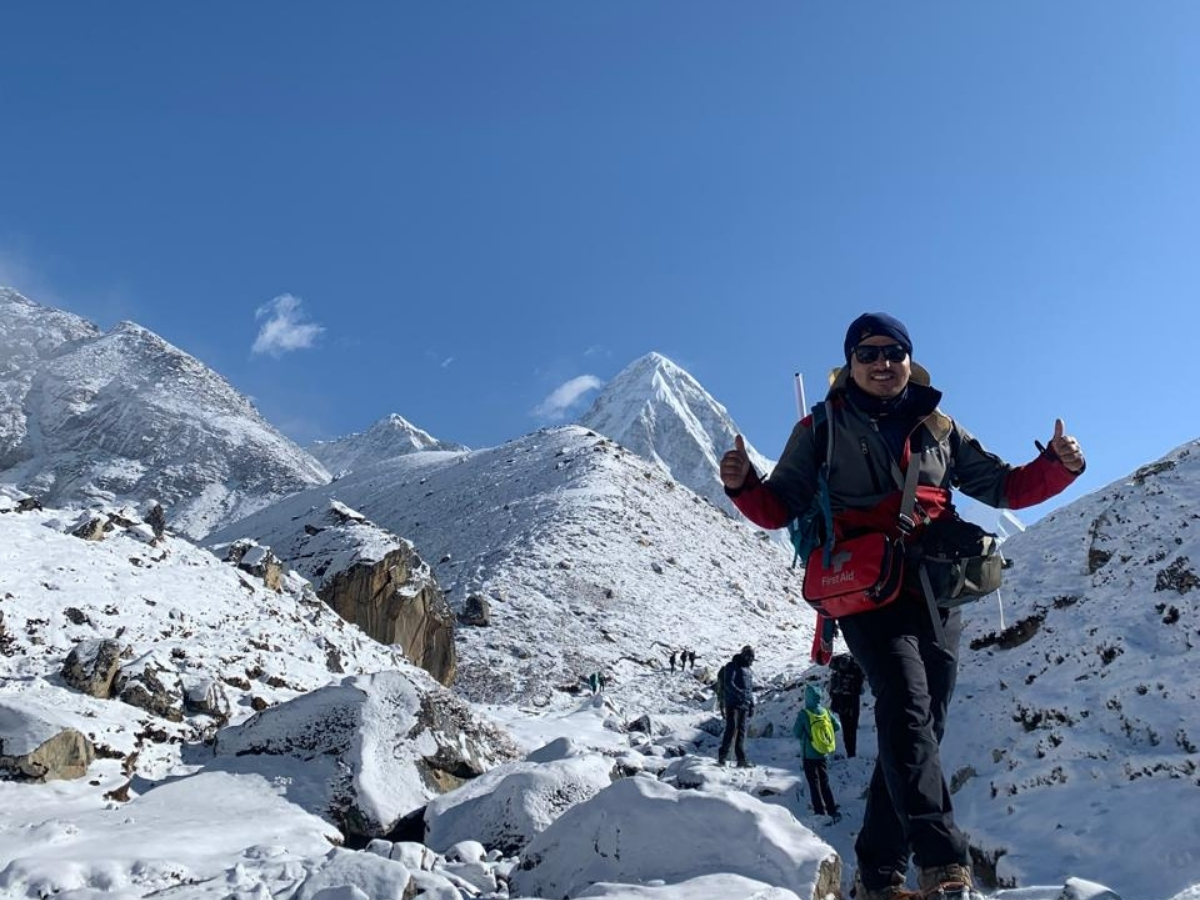
A good preparation for Everest Base Camp training is 8–16 weeks before departure, depending on your current fitness. We commonly recommend at least two to three months of structured work on cardio, leg strength, and long walks with a bag pack. The earlier you start, the more gradually you can progress, lowering your risk of injury during Everest Base Camp Trek.
You need to think of your Everest Base Camp trek training plan like a mini-expedition. Early weeks helps you to build a foundation with shorter sessions while later weeks add longer back-to-back hikes and heavier backpacks. The goal is not to become an elite athlete but it’s to arrive with an enough endurance that makes trek feels demanding but enjoyable.
How Fit do you need to be for Everest Base Camp?
A common question is how fit do you need to be for Everest Base Camp trek before starting your journey and the answer is you don’t need to be a marathoner, but you should be able to comfortably hike for 5–6 hours on rolling terrain carrying a daypack, and repeat it for consecutive days. If that currently sounds difficult for you, your Everest Base Camp fitness preparation simply needs more time, preparation and consistency.
Cardio Training for Everest Base Camp High-Altitude Trekking
Cardio is the foundation of Everest Base Camp preparation, and it’s where most Everest Base Camp training naturally begins. Slow, steady workouts like hiking, brisk walking, cycling, or an easy jog helps to build the lung power and stamina which you’ll rely on in the Himalayas. You’re not aiming for speed here and the goal is a steady effort where you can feel your breath working but can still talk normally. That’s the same comfortable pace you’ll maintain on the trail, especially as the air thins with altitude on the Classic Everest Base Camp Route.
Training three to five times a week gives your body the base it needs for the demands of the trek. As your fitness improves, gently increase the duration of your longest session and include hill or stair climbs to mimic Nepal’s terrain. This kind of Everest Base Camp cardio training helps your body stay strong for long hours on the move. It also makes each ascent feel more manageable and reduces the stress of high-altitude trekking. For anyone planning their Everest Base Camp trek preparation, especially beginners or first-timers, steady cardio is the simplest and most reliable way to ease the Everest Base Camp trek difficulty and support better Everest Base Camp acclimatization.
What strength training exercises should I focus on to prepare for the Jiri to Everest Base Camp trek?
Building strength makes the long Himalayan climbs feel smoother, especially on uneven trails. Focus on leg exercises such as squats, lunges, step-ups, and calf raises helps you to support your knees and hips on the steeper sections of the Everest Base Camp trek itinerary. Strong legs make the ascents into places like Namche Bazaar and Tengboche monastery far more manageable. This part of Everest Base Camp fitness preparation keeps your body stable and lowers the risk of any injury during long days on the Everest Journey.
Endurance strength is as important as building muscle on Everest Base Camp Trek. Trekking with a backpack day after day requires steady, repeatable power rather than heavy lifting. So, it is recommend to moderate weights with higher repetitions to mimic the demands of multi day Everest Himalayan travel. Including balance work during your training helps to strengthens your ankles and knees for shifting terrain and the constant ups and downs of high-altitude routes in Khumbu region. When paired with cardio, this becomes important Everest Base Camp strength training which helps you to stay strong through back to back trekking days and supports for smoother Everest Base Camp preparation overall.
A Sample 12-Week Everest Base Camp Training Plan
A 12-week plan helps you with an enough time to develop cardio, strength, and hiking stamina without feeling rushed toward deadline. In the few early weeks, you need to aim for three cardio sessions and one strength workout to create a strong base for your Everest Base Camp trek training plan. As you continue, your fitness starts to improve and now you need to start adding longer weekend hikes while slowly increasing your backpack weight. The progress might feel small at first, but this steady build works perfect for both beginners and experienced trekkers. It’s the same kind of structure people generally look for in an Everest Base Camp training plan 12 weeks or when looking for how to train for Everest Base Camp trek at home.
Make sure to include lighter recovery weeks, too where you reduce your training volume and let your body recharge. Even a couple of easy-movement days can help prevent fatigue and overuse injuries. In the last few weeks, you need to shift your focus toward long hikes, steady pacing, and getting comfortable carrying your actual pack. With this 12-week Everest Base Camp trek training program, your confidence grows naturally, and your body settles into the steady rhythm which will help you for high-altitude trekking and smoother Everest Base Camp preparation.
Women Specific Considerations and Preparation for the Everest Base Camp Trek
Women’s Everest Base Camp trek preparation follows the same core principles as men’s preparation, with a few practical details to plan before starting your Everest journey. Quick drying sports bras, reliable menstrual hygiene options and personal comfort matter on the Classic Everest Base Camp Route. Pack enough sanitary products, menstrual cup along with small privacy kit with wipes, hand gel and zip bags that makes your trekking journey really comfortable and easier. These simple preparation helps you to stay organized throughout your Everest Base Camp trek journey.
Include iron rich foods such as spinach, lentils and flakes and energy snacks in your Everest Base Camp packing list, as low iron can increase fatigue at altitude. Training stays the same, with a mix of cardio and strength work forming the base of good Everest Base Camp preparation. Test your clothing and hygiene systems during training hikes so you know what works as this approach supports comfort and stability across long days in the Khumbu region during Everest Trek.
Choosing the Best Time for the Everest Base Camp Trek
Choosing the right season is an important step of Everest Base Camp preparation. Many trekkers overlook this step. Spring (March to May) and autumn (Sep- Nov) provide clear skies, steady temperatures and reliable trail conditions. These months give you a strong chance of seeing the mountains without deep snow. When you plan your training and overall Everest Base Camp trek preparation around these seasons, your fitness and confidence progress at a steady pace.
Timing your trek well reduces weather problems. Winter brings extreme cold. Summer brings heavy rain and poor visibility. Both make the route harder. Selecting the best time for the Everest Base Camp trek lowers the risk of delays, slippery trails and unsafe conditions. When the weather works in your favor, you can comfortably focus on the walk, enjoy stunning views of Himalayas and the experience rather than hazards along the route.
Preparation of Permits, Insurance and Required Paperwork for Everest Base Camp journey
Permits, Insurance and Required Paperwork are essential part for Everest Base Camp preparation. Trekkers need a Sagarmatha national park entry permit and the Khumbu Pasang Lhamu Rural Municipality permit before entering the region. Mount Face Nepal will arrange these as part of their service, so you do not need to worry about the process. It is still useful to know what you carry. Its important to keep photocopies or digital copies of your every document as for safety. This keeps your Everest Base Camp trek preparation organized and helps you with avoiding delays during travel.
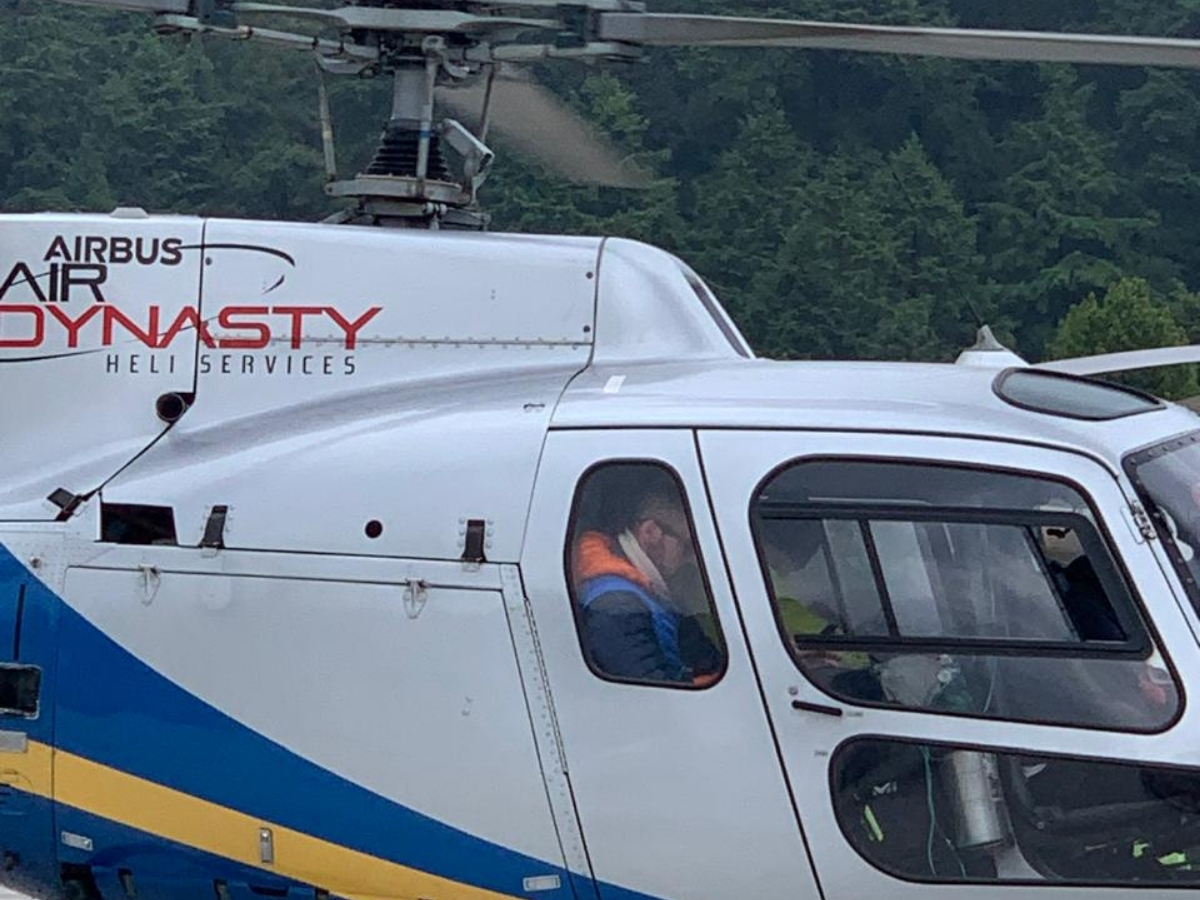
Travel insurance remains another essential preparation for the mountains. You need to choose a policy which covers high-altitude trekking, Everest Base Camp altitude training risks, medical expenses and emergency helicopter evacuation. We encourage this coverage because unexpected problems can occur anytime at height. With the required permits, insurance, paperwork ready, and experienced licensed guide beside you, your Everest Base Camp trek completes comfortably. We Mount face Nepal can arrange it all for you, as you can focus on the walk and the landscape while we Mount face Nepal manages the formalities
Choosing a Trekking Company, Guide and Porter
Choosing a good trekking company is an important part of Everest Base Camp trek preparation. The operator you choose shapes your whole journey. A reliable company provides a safe Everest Base Camp trek itinerary, experienced guides and fair porter care. This support helps you plan with confidence and gives you steady guidance from the start of your Everest Base Camp trek preparation.
A good and an experienced guide understands altitude and knows how to spot early signs of high-altitude problems. Guides set a pace that protects your energy and keeps the group together. Sherpa porters carry your main pack so you can walk with less strain while enjoying the panoramic wide mountain view including Everest, Lhotse, Nuptse, Cho Oyu and more. We Mount face Nepal arrange your permits, plan your route and customize your itinerary to match your fitness and timing. We provide an experienced guide, a safe and comfortable journey, best possible accommodation and a budget friendly plan. Including a licensed guide as it is compulsory and porter in your Everest Base Camp trek preparation improves safety and reduces altitude sickness risk on the Everest Base Camp trail. A trustworthy team helps each and every step, which feel controlled and manageable on the way to Everest Base Camp.
Packing Philosophy and Weight Management for Everest Base Camp
A good Everest Base Camp packing list should stay light and useful. Airlines and porters have strict weight limits, so only bring items that you really need and are important. Choose clothing layers that work well together and dry quickly. It’s easiest to use a porter duffel for most of your gear and a daypack for things you need on the trail. During hikes, if your daypack feels too heavy, take out a few items until it feels comfortable for long uphill sections.
Your daypack should hold water, snacks and an extra warm layer without feeling heavy. Keeping your system simple makes your EBC preparation much easier. Pick gear that has more than one use instead of carrying bulky extras. These tips help to keeps your weight low and helps you to move confidently on the trail while enjoying truly unforgettable stunning views.
Essential Clothing, Footwear and Gear preparation for the Everest Base Camp Trek
A reliable Everest Base Camp packing list uses flexible layers, strong footwear and simple equipment that works in shifting conditions. You need to pack moisture wicking inner layers, a warm down jacket, a outer that can handle wind and light snow. Strong boots with ankle support and quality socks reduce blisters and protect you on rocky paths. A reliable Everest Base Camp gear list also includes a supportive daypack which includes trekking poles and small essentials such as a headlamp, sunhat, sunglasses and a personal first aid kit.
Teahouse on the Classic Everest Base Camp Route are simple but cozy, but it’s better to carry a warm sleeping bag which allows you to rest well in cold villages such as Lobuche and Gorak Shep. Keep your gear organized and avoid unnecessary weight so porters can carry limited loads without any strain. Choose small high impact items that improves warmth and comfort. This balanced approach supports you for steady progress and reduces common problems during your Everest Base Camp trek.
Hydration, Nutrition and Food During Classic Everest Base Camp Trekking
Hydration is a key part of Everest Base Camp preparation because dehydration increases headaches, fatigue and the risk of AMS symptoms. Aim to drink three to four liters each day during the Everest Base Camp trek, using water, tea and soups from teahouses. Carry purification tablets or a filter so you can refill bottles from taps or streams, which makes a useful addition to your Everest Base Camp gear list. These simple habits help to keep your pace steady and supports safe Everest Base Camp acclimatization.
Food in the Khumbu is simple but tasty and warmly served, with dal bhat (Rice, lentils and vegetable curry), rice, noodles, eggs, bread, chapati and chicken curries forming energetic meals. It’s better to carry high calorie snacks such as nuts, dried fruit, chocolate and energy bars to keep energy levels stable on long sections of the Classic Everest Base Camp Route. Test these foods on full training days so you know before what works during Everest Base Camp trek journey.
Budget Preparation and Understanding Everest Base Camp Trek Cost
Planning your budget is also an important part of Everest Base Camp preparation. Costs include flights, permits, meals, accommodation and gear. A fair Everest Base Camp trek cost also covers guides, porters and proper insurance. If you want to track your expense, build a simple budget chart so you understand each expense before you fly.
Expect extra charge for extra snacks, hot drinks, Wi-Fi and small comforts in teahouses. These costs vary by village and season. A clear budget removes stress and helps you focus on your Everest Base Camp trek. It also prevents surprises during your time in the Khumbu region.
Photography preparation for the classic Everest Base Camp Journey
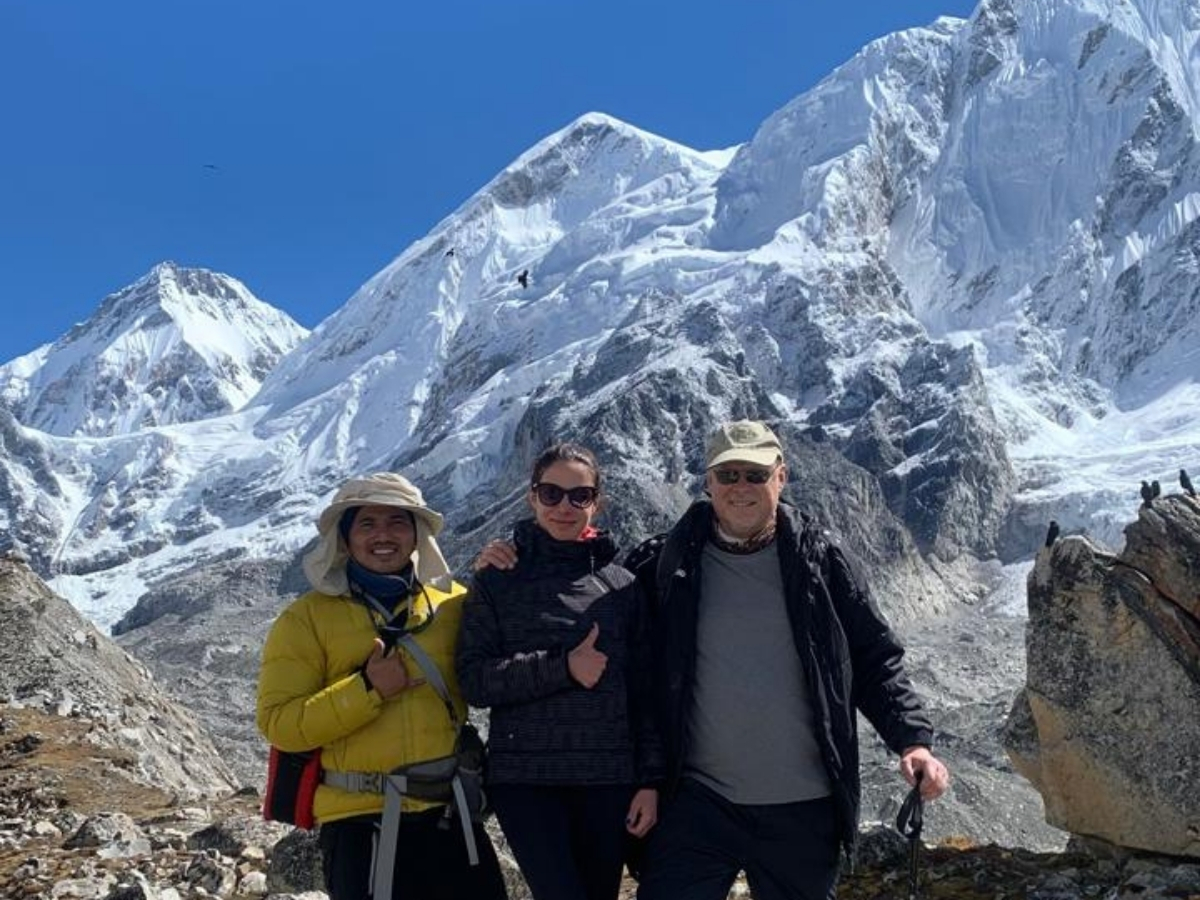
Photography adds a personal touch to your Everest Base Camp trek, but heavy equipment slows you down. Carry a light camera or use your phone and most importantly, don’t forget power bank. Keep your device inside your jacket during cold sections so that the battery lasts longer. These small habits help to protect your gear from harsh conditions.
Plan simple shots rather than constant filming. This keeps your focus on the trail and the scenery in front of you. With help of this plan, you capture strong images without breaking your pace.
Cultural Awareness and Responsible Trekking
You’re not just crossing a landscape rather you’re walking through the homeland of the Sherpa people. Showing cultural respect into your Everest Base Camp preparation means you get a chance to learn a few Nepali or Sherpa greetings and understanding monastery importance during passing through small villages. Small gestures like walking in clockwise direction around mani walls also shows appreciation for local culture and traditions.
Responsible trekking also includes environmental care. Stick to marked trails, avoid single use of plastics where possible, and pack out small trash. Also your cost for the Everest Base Camp trek will have a positive impact on the Khumbu region if you select reputable trekking companies and operators who are committed to the fair treatment of porters and environmentally sustainable practices.
Post-Trek Recovery and Return Journey
Post-Trek Recovery and Return Journey Good recovery starts the moment you arrive in Lukla after finishing the Everest Base Camp trek. Drink water continuously, consume warm meals, and let your body to settle. In Kathmandu, take a rest day before a long flight back to your home as this prevents stiffness and helps you in revitalizing your energy.
Organize your belongings, launder your used clothing, and remember what was useful while during your Everest Base Camp Trek Preparation so that the same information or tips will be valuable for your next trek or future training. Share your plan among friends too as your experience becomes guidance for others and closes the journey with purpose.
Final Words
The Everest Base Camp trek can be challenging journey but with the right preparation, proper guidance, and strong mindset, it rewards you with a truly once in a lifetime adventure. When your fitness level is good, your gear is well equipped, and your itinerary is planned with respect to altitude, then you’ve already made perfect foundation for a safe and successful Everest Base Camp Journey.
In the end, Everest Base Camp trekking isn’t about perfection preparation rather it’s about consistent effort, honest assessment, and honoring the mountains with every step. If you looking for a trusted and reliable partner or trekking agency during your Classic Everest Base Camp Journey, We Mountface Nepal is here to support your adventure with expert guidance, customized itinerary, budget friendly options and the care that turns your Everest dream into reality. Take a deep breath, follow the fluttering prayer flags, and let the Himalayas lead you forward. “Your safety is our responsibility”.