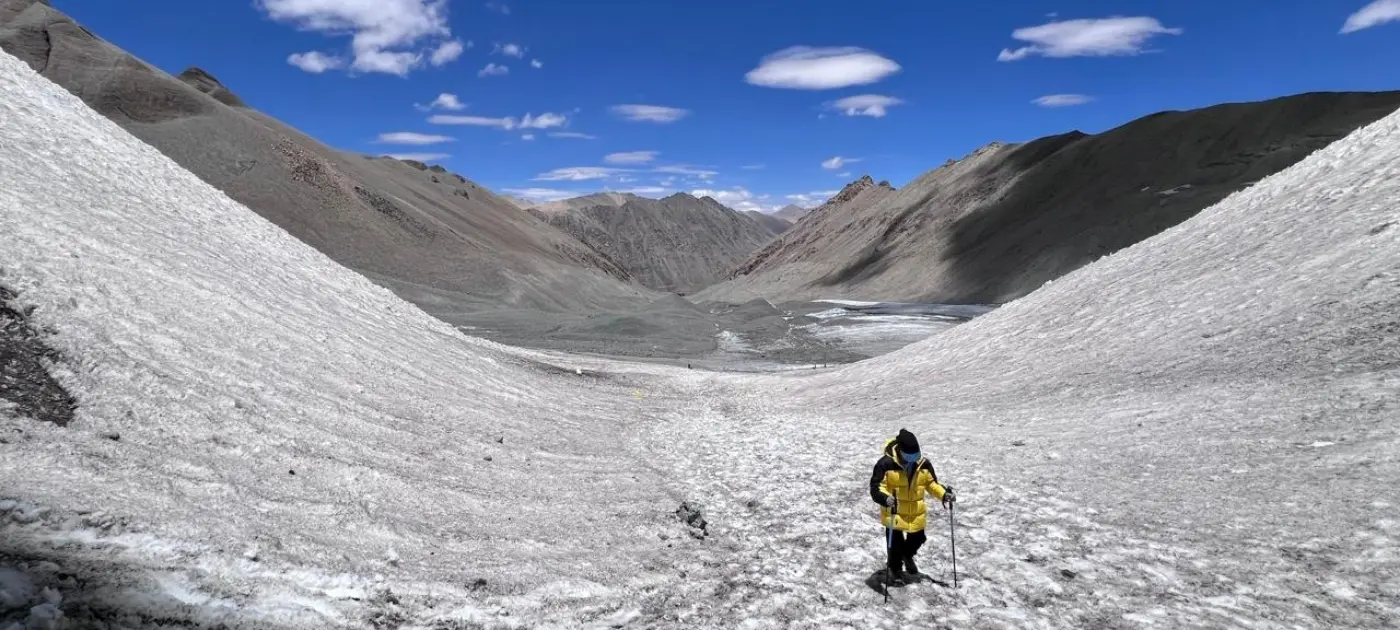
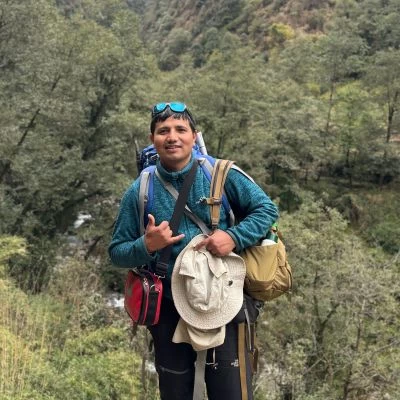
When people hear about the Kailash Mansarovar Yatra, they usually react in two ways. Some say, it must be magical, and others quietly ask, but… is it very hard? The honest answer is yes; the Kailash Mansarovar trek is challenging but it’s also one of the most rewarding journeys you can take in this lifetime.
Whether you walk for devotion, curiosity, or adventure, the path toward Mount Kailash teaches humility, strength, and inner stillness. This guide explores every aspect of difficulty with simple, practical explanations to help pilgrims prepare for a safe and meaningful journey.
What makes the Kailash Journey a difficult ?
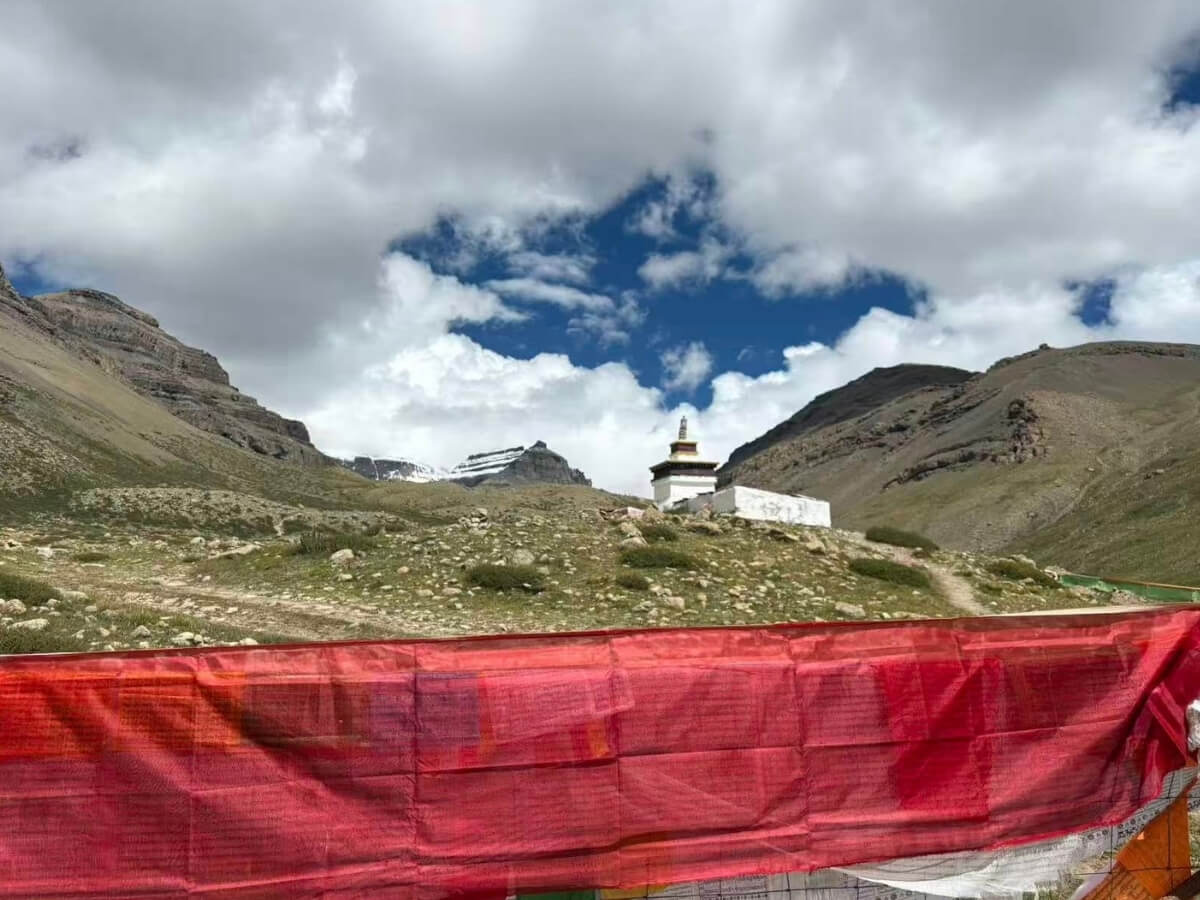
While the Mansarovar Yatra is often considered a difficult high-altitude journey, it is also famous for being a spiritually enriching tour. The entire region around Mount Kailash is located above 4,500 meters, making breathing harder, walking slower, and recovery longer. Adding to this challenge are simple facilities, unpredictable weather, and long travel hours across the remote Western Tibet Road trip landscape. Each of these factors creates a combined difficulty that makes the Yatra physically and mentally intense.
Pilgrims are able to keep these challenges in their mind, as knowing the challenges in advance helps them to a design a realistic set of expectations and allow for much better preparation along their journey. With steady pacing, responsible acclimatization, and proper planning, most healthy adults complete the Kailash Mansarovar trek successfully. Thousands of travelers including young, old, spiritual seekers, and adventure lovers complete the pilgrimage each year. The difficulty here adds meaning, turning the journey into a memorable, transformative experience that stays life long after leaving holy mountain Kailash.
Difficulty Before the Kailash Circuit Trek Even Begins
Although most visitors focus on the challenges of the Mount Kailash parikrama 52 km outer kora, the early journey also carries its own demands. The trip often begins with long road travel from Kathmandu toward the Nepal–Tibet border. The classic Nepal to Kailash overland route itinerary includes hours of driving through the hills, crossing immigration, and adjusting to higher elevation in towns like Kyirong( Gyirong) and Saga. These initial days involves basic roadside facilities with jeep, buses, dusty sections and can feel tiring sometimes before the trek even begins.
Travelers who use helicopter or flight-based itineraries saves time but might face altitude gain sickness symptoms faster. Flying from Kathmandu to Lhasa, or using the Nepalgunj–Simikot–Hilsa helicopter route, reduces travel hours but it increases the risk of Acute Mountain Sickness (AMS) during the Lake Mansarovar yatra. Quick access to high elevation sometimes surprises newcomers with some symptoms like headache, nausea and hard to breathe. Meanwhile, essential documents like the Tibet Travel Permit (TTP) and Chinese Group Visa add a bureaucratic layer that requires good timing and flexibility, but it is handled by your trekking agency. Although these are not physically challenging problems, but these pre-trek factors sometimes influence the overall experience.
Altitude: The Greatest Challenge during Kailash Yatra
One of the major challenges of the Kailash Mansarovar Yatra is the high-altitude elevation as the entire region where we travel lies above 4,500 meters, where oxygen levels drop significantly. Key places such as Lake Mansarovar (4,580 meters), Darchen (4,670 meters), Dirapuk (5,000 meters), and the high Dolma-La Pass (5,630 meters) all are located at altitudes where the body works harder to get enough oxygen. The reduced oxygen makes simple tasks feel tiring, and even experienced trekkers must slow down significantly while walking into the sacred Kailash Kora in the traditional clockwise direction.
During Kailash circuit, Pilgrims usually experience some symptoms like shortness of breath, mild headaches, slower walking pace, and disturbed sleep during the first nights. These are the normal symptoms of altitude sickness and usually settle with acclimatization. The more serious concern is the altitude sickness risk for Kailash Mansarovar Yatra, which increases during the ascent to Dolma-La Pass at 5,630 meters. So, proper pacing, hydration, avoiding alcohol, and listening to the body are highly essential. It is better to customize your itineraries in Kailash Mansarovar Yatra 2025/2026 to include acclimatization days to reduce these risks and support a comfortable and successful journey.
The Outer Kora: 52 Kilometers, challenging part
The 3-day Kailash Mansarovar Yatra is also famous as the Kora or parikrama which is the most challenging part of this pilgrimage trek. It circles the sacred mountain in clock wise direction which includes flat paths, long valleys, rocky ground, steep climbs, and high passes. The terrain varies sharply each day, which makes the journey feel different from typical Himalayan treks. The trail is not that technical, but altitude makes every stretch more challenging. Even strong walkers sometimes feel the effects of reduced oxygen, especially during the approach to the higher sections of the route. But with proper guidance and preparation, average fitness person can accomplish it comfortably.
At this higher altitude, weather adds another layer of difficulty to Kailash Circuit Journey. Bright sunshine can turn into snow or wind within a short period of time, particularly near the Dolma-La Pass. Pilgrims walk along uneven ground, cross streams, and follow narrow pathways surrounded by mountains with deep silence. While the trail itself can be managed, the combination of terrain and altitude makes the Mount Kailash parikrama 52 km outer kora a bit challenge which requires proper patience, hydration and steady pacing. The balance of Kailash difficulty and beauty makes the Kora trip so deeply memorable.
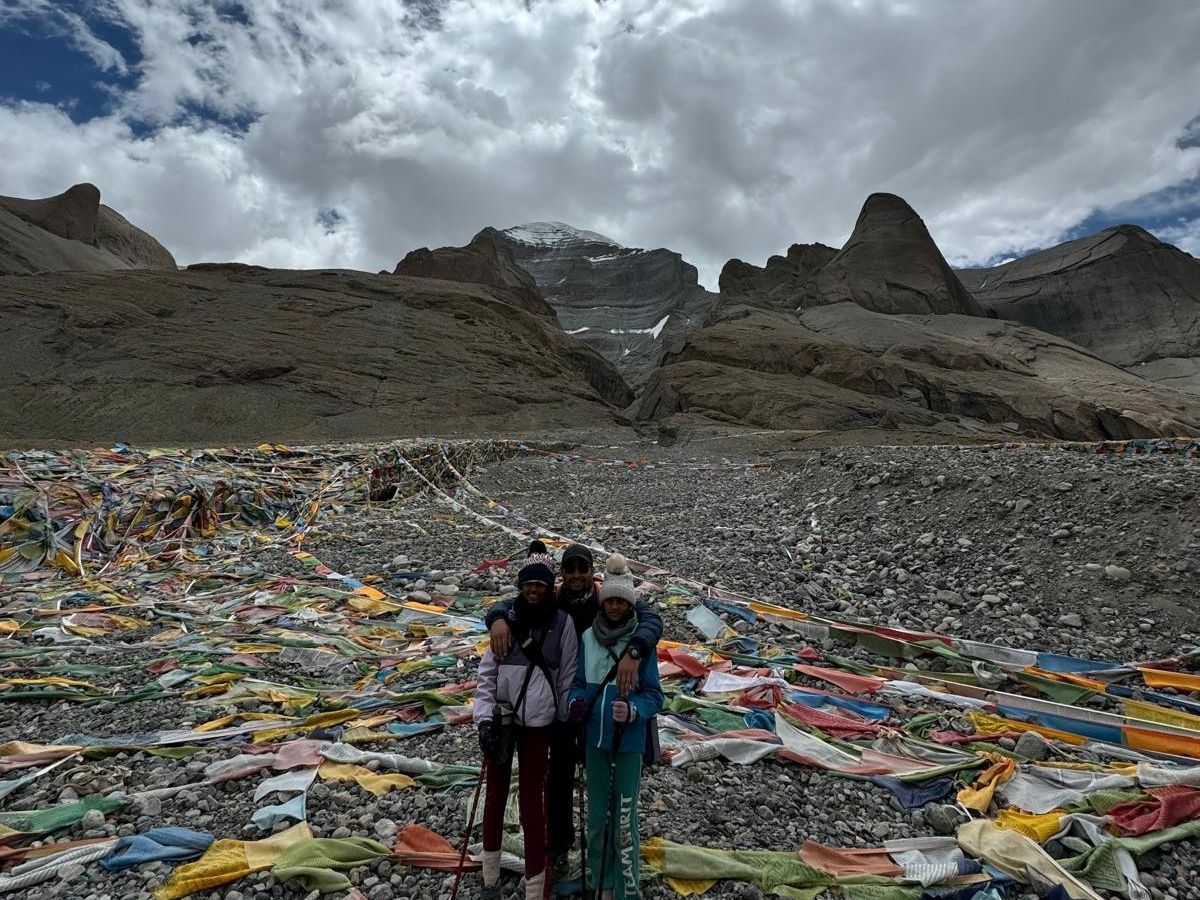
Day 1: Darchen to Dirapuk
The first day of the Kora begins from Darchen and heads toward Yamdwar which is the symbolic gateway to the sacred Kailash circuit. After that the trail follows the Lha-Chu, a wide and peaceful valley with views of dry cliffs and flowing glacial streams. As we move forward, the north face of Mount Kailash appears majestically stunning and bigger which creates one of the most memorable moments of the journey.
Although the path is not that steep on first day, the rising altitude makes walking noticeably slower. The air becomes thinner in each hour making people to take frequent short breaks to maintain a steady pace. The day ends at Dirapuk, where a simple guesthouse near Mount Kailash provides us a shelter for the night and a breathtaking view of Kailash during sunrise.
Day 2: Dirapuk to Zutulpuk via Dolma-La Pass
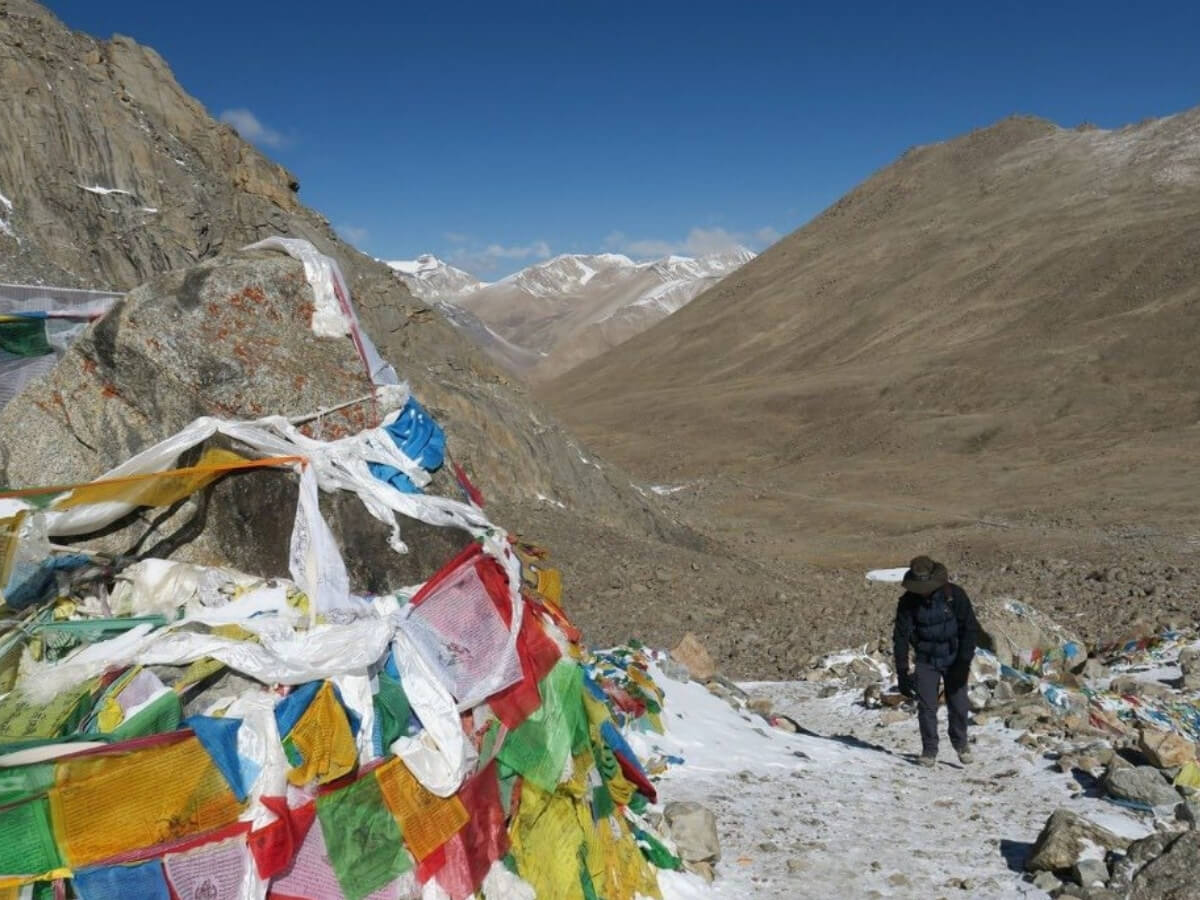
The sections with the most difficulties are the second-day treks on the Kailash Outer Circuit. The steep Dolma-La Pass, which is 5630 m, makes the first part of the climb a gentle walk then gets extremely steep. Trekkers suffer a lot during this climb due to the cold winds, thin air, and rocky ground.
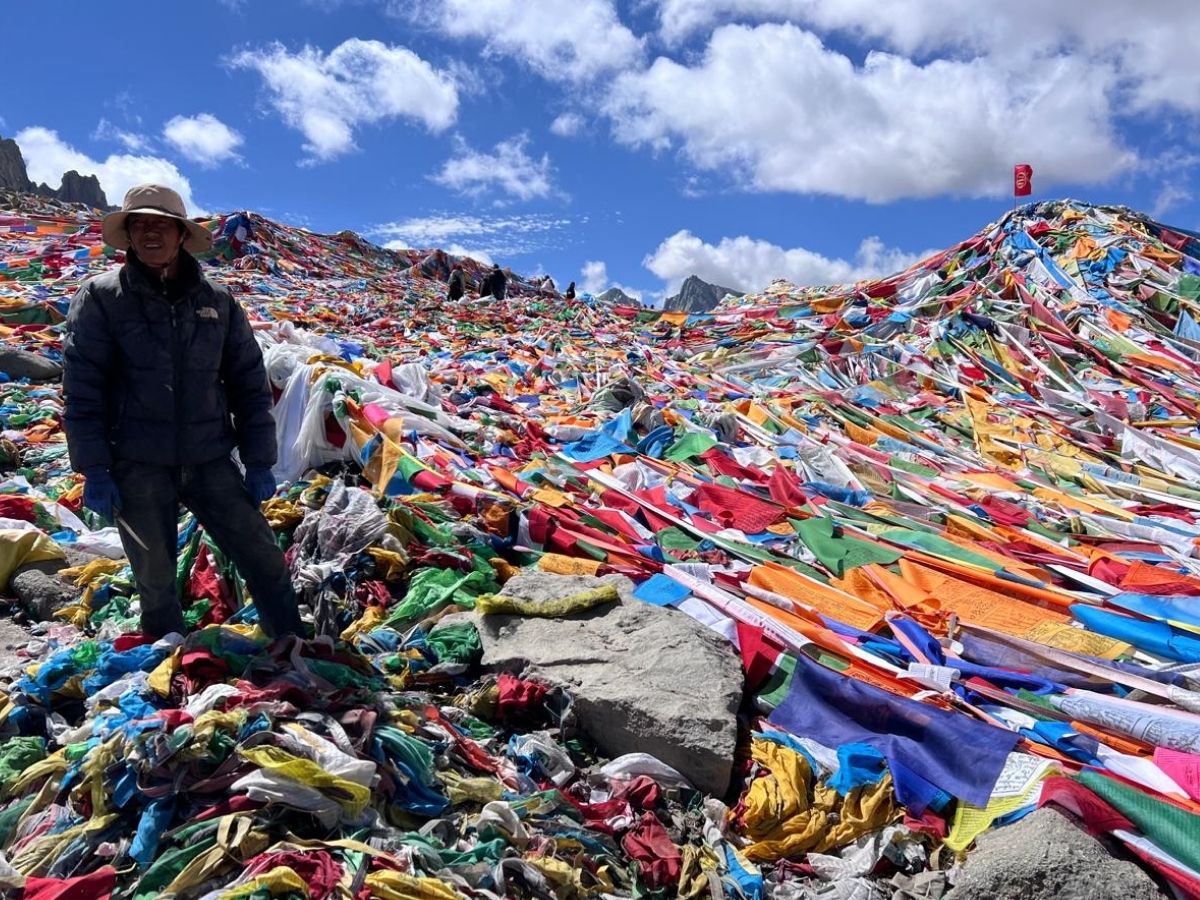
However, once one reaches to the top the steep ground is worth it to experience the colorful fluttering flags on the pass and a deep sense of accomplishment and relief. But the steep descent is just as rocky and gets a little more dangerous with loose gravel. After the valley opens, the trail gets easier which leads to Zutulpuk and a well-deserved night of rest after the hike.
Day 3: Zutulpuk to Darchen
The final day of the Kora is gentle and relaxing in comparison to the previous section. The trail follows the Dzong-Chu valley which a wide and open landscape where altitude problem begins to ease. Most of the section here is flat which allows travelers to walk comfortably and regain their rhythm.
This peaceful walk gives a time for pilgrims to reflect on the Kailash journey and the effort it took to circle the whole holy mountain, Kailash. Completing the trek and reconnecting at Darchen, pilgrims feels the deep sense of completion with both grounding and uplifting which makes our journey truly unforgettable. Upon reaching Darchen, it marks the end of the 52-km Mount Kailash parikrama which leaves travelers with a deep sense of achievement.
The Inner Parikrama: Most Challenging Journey
Most of the pilgrims complete only the outer Kora, which is already difficult for them. A smaller number of travelers attempt the inner route, often called the Nandi Kora or Kailash inner parikrama. This path goes closer to the mountain and passes through more exposed and rocky sections.
The Kailash inner parikrama difficulty is much higher than the outer circuit. It may involve glacier crossings, boulder fields, and steeper climbs in very thin air. Only pilgrims with strong fitness, excellent acclimatization, and experienced guides should consider it. For many travelers, the outer Kailash Mansarovar Yatra is more than enough.
Weather Difficulty: Cold, Wind, and Sudden Change
Weather at Kailash can be gentle one moment and harsh the next moment immediately. On a good day, the sun shines on snow peaks, the wind is light, and walking feels like moving through a dream land. On a bad day, clouds covered the entire scenes, heavy snow falls, and cold winds which can be really challenging. The best time to visit Mount Kailash and Mansarovar Lake is usually from late spring to early autumn.
Even at good season, nights around Lake Mansarovar and Dirapuk sometimes can sink below freezing point. Windchill near Dolma-La Pass often feels far colder which means warm clothing is really essential. A good down jacket, thermal layers, gloves, hat, and a proper sleeping bag makes a real difference here. Having these doesn’t remove the difficulty, but it turns a miserable day into a manageable one.
Basic Stays and Limited Comforts, A Challenging Experience
Pilgrims during Kailash Circuit trek should except simple and very basic accommodation. In towns like Kyirong and Saga, guesthouses are basic but comfortable enough for a night’s rest. And closer to Kailash, options and facilities become much more modest. During the Kora, you stay in a guesthouse near Mount Kailash at Dirapuk and another at Zutulpuk.
Rooms are often shared, heating is limited or nonexistent and bathrooms may not be attached. At Lake Mansarovar, lodging around the shore is also basic, with a focus on function rather than comfort. If you are used to luxury hotels, this will be a shock. If you expect modest rooms and cold nights before starting journey, it becomes part of the Kailash pilgrimage atmosphere which is rough, but deeply real.
Hydration and Nutrition Challenges at High Altitude on Kailash Circuit Journey
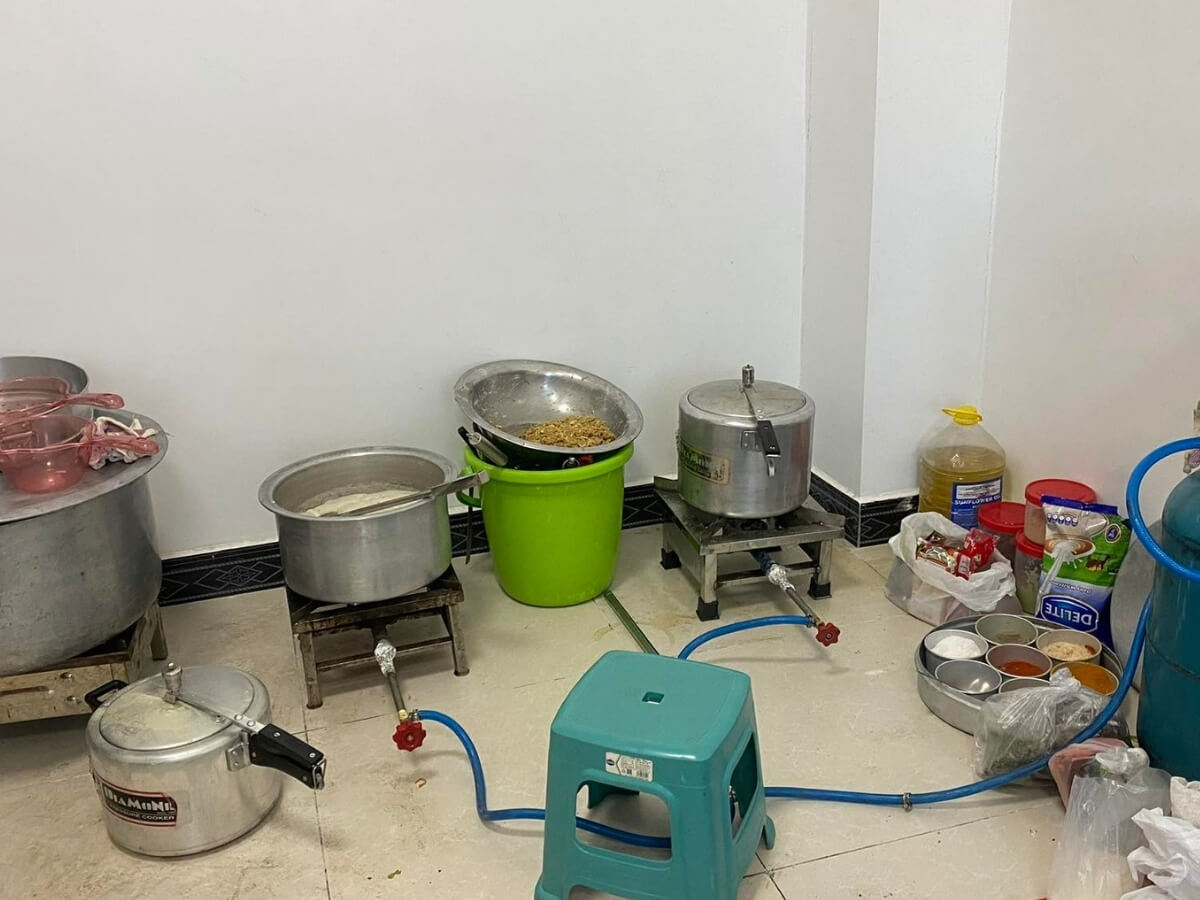
One of the biggest challenges pilgrims faces during the Kailash Mansarovar Yatra is staying properly hydrated on entire journey. The high and thin air of Tibet pulls out the moisture from your body much faster than people realize while walking especially towards Dirapuk, Dolma-La Pass and across the long stretches of the Mount Kailash parikrama. Warm water becomes your best friend at this high-altitude region, so sipping water regularly prevents you from fatigue, headaches, and the light dizziness even if you don’t feel thirsty on the Mt Kailash pilgrimage.
Food is equally important too, but high altitude often suppresses appetite exactly when your body needs fuel the most. Simple, warm meals like dal, rice, soups, chapatis, and noodles become essential sources of energy during the Kailash trek. Eating small portions of food frequently helps digestion and keeps your strength steady for the long hours of walking on this high-altitude Kailash Mansarovar trek. In areas like Dirapuk and Zutulpuk facilities are too basic, so it’s smart to carry your own snacks such as roasted nuts, dates, almonds, energy bars, and a few chocolates for quick calories. A balanced mix of hydration and nutrition helps you to prevent from Acute Mountain Sickness (AMS) on the Mount Kailash parikrama 52 km outer kora which allows pilgrims to enjoy the sacred landscape with better stamina and clearer focus.

Challenges for Solo Travelers and Why all travelers Join Groups during Kailash Mansarovar Yatra?
Many adventure lovers enjoy exploring the world on their own, but the Kailash Mansarovar Yatra is one journey where solo travel is not feasible and allowed. Tibet’s travel regulations require every foreign visitor to join an authorized group and required a Tibet Travel Permit (TTP) and a Chinese Group Visa. Because of this rule even the most independent travelers must book through a licensed operator for Mt Kailash pilgrimage trek.
For those travelers who are used to moving at their own pace and adjusting to a group rhythm might feel unfamiliar at first. But on the Mount Kailash parikrama, traveling with others is more of a blessing than a restriction. Group members encourage each other during long walking days while share supplies when someone needs them and provides an emotional support during tougher moments like the climb to Dolma-La Pass at an altitude of 5,630 meters. Having experienced guides and fellow pilgrims with you also helps to reduces the tiredness while pace management and safety checks are handled professionally. In the end, traveling in a group isn’t just a requirement for the Kailash Mansarovar trek rather it enhances your entire experience and makes the journey safer, smoother, and spiritually richer for everyone.
Physical Fitness Requirement and How Strong Do You Need to Be for Kailash Mansarovar Yatra?
You don’t have to be an athlete to complete the Kailash Mansarovar trek, but you do need basic fitness and some discipline before starting the trip. The goal during Kailash Mansarovar journey is not speed rather it is stamina and the ability to keep going steadily for several hours.
A simple training plan before starting your journey might include:
- Walking 5–10 km several times a week
- Climbing stairs or hills regularly
- Gentle stretching or yoga for flexibility
- Breathing exercises to build lung capacity
If you can comfortably walk for a few hours at home without getting exhausted, and for senior citizens if your doctor clears you for high-altitude travel, you can comfortably manage the classic Kailash Mansarovar Yatra itinerary with proper acclimatization.
Age and the Kailash Journey Difficulty
Many people wonder whether age is a strict barrier on Kailash Circuit Journey. In practice, the pilgrimage is completed by a wide age range, from strong younger trekkers to seniors in their sixties and even seventies. The key factors are health status, medical clearance, and willingness to move slowly on this remote landscape.
Older travelers often do quite well because they don’t try to rush but they required a medical clearance report from their doctor. They accept the pace of the land, take frequent breaks, and listen carefully to their bodies. For them, the Mt Kailash short tour with a slightly extended program with extra rest days can be a smart choice. The Kailash Mansarovar Yatra is generally recommended for travelers of age group of 18 - 70.
Mental and Emotional Difficulty on holy mountain Kailash Journey
The mind also plays a huge role in how hard the journey feels during Kailash Yatra. On a normal vacation, there are distractions such as shops, Wi-Fi, cafes, nightlife but to Mount Kailash, there is mostly nature attraction which includes sky, snow covered mountains, stunning lakes and silence.
Long hours in the vehicle or on the trail give you time to think about your life, your choices, your fears, and your hopes. For some people, this is healing but for others, it might feel heavy at first. But somewhere along the way, you start to feel lighter. You heal a little, and you begin to see life from a fresh and quieter perspective. Then there is the emotional power of standing before holy mountain Kailash or watching sunrise over Lake Mansarovar. It’s not unusual for people to cry quietly without knowing exactly why. This emotional weight is part of the difficulty, but also part of the blessing. You come to Kailash with questions and you often leave with a different set of questions, and that’s perfectly okay.
Rescue and Medical Support: What If Something Goes Wrong During Kailash Mansarovar Circuit?
In many parts of Nepal, helicopters can evacuate trekkers quickly from high camps. In Tibet, that’s generally not allowed and possible. During a Tibet pilgrimage tour to Kailash, rescue is usually through overland. Vehicles can reach towns like Saga, Paryang, Darchen, and spots near Lake Mansarovar, but not into the middle of the Kora.
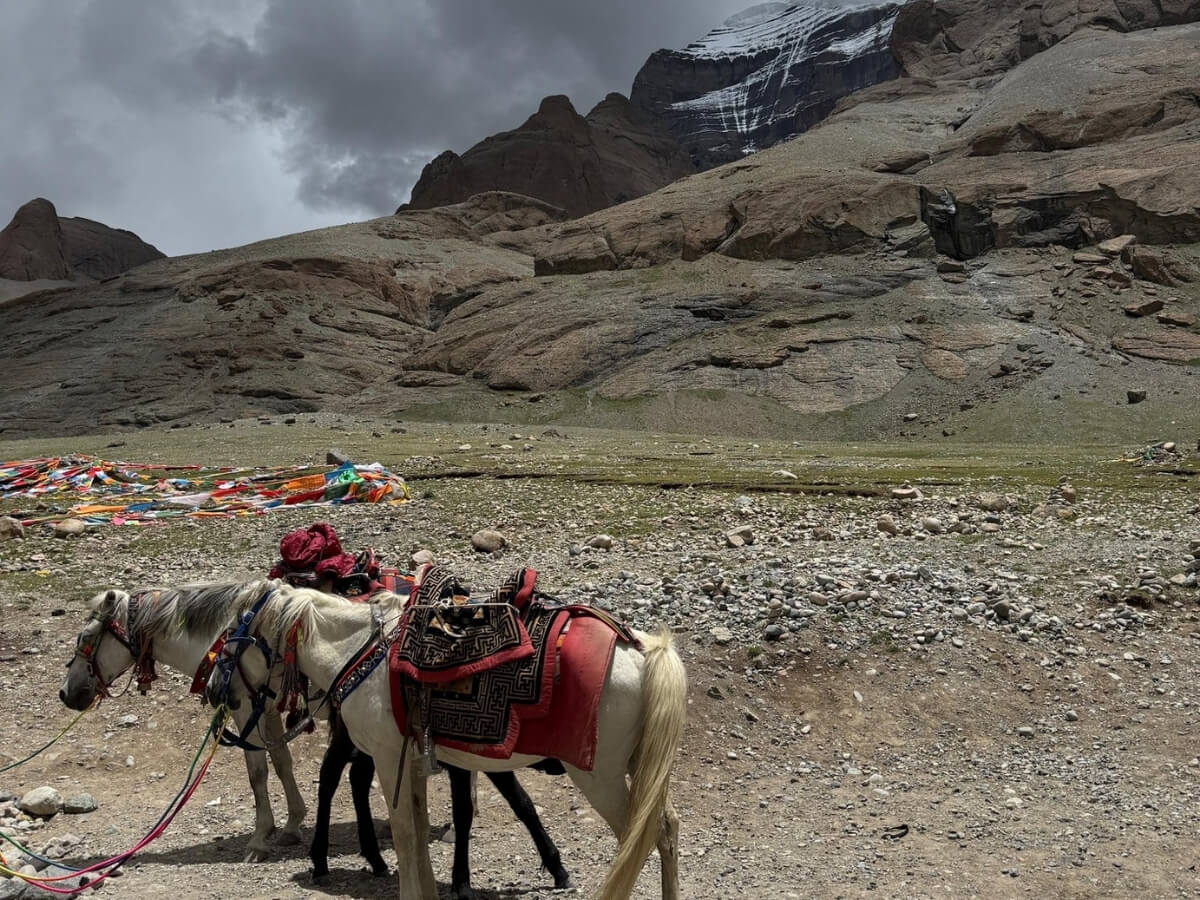
On the Kailash Outer Circuit, if someone becomes too serious to continue, they are often put on a horse or helped down by staff to a lower point where vehicles are waiting. Because of these limitations, good Mt Kailash travel guide support and proper travel insurance with high-altitude coverage are very important. This doesn’t mean the journey is unsafe but it does mean that prevention, early reporting of symptoms, and honest pacing are absolutely essential.
Why the Kailash Difficulty Is Part of the Gift?
In the end, the difficulty of the Kailash journey is not an obstacle that standing in front of the experience rather it is part of the experience itself. The long drives, the cold wind on your face, the slow steps at high altitudes and the very simple beds in a guesthouse near Mount Kailash, all of these things work together to strip away comfort and routine.
What remains is something very simple, you, the sky, the mountain, and your reasons for being there. For some, the high-altitude trekking Nepal Tibet journey becomes a test of faith. For others, it’s a way to close an old chapter or open a new one. Many pilgrims say that when they finally complete the Kailash Kora in the traditional clockwise direction, they return home lighter, quieter inside, and more grateful for the small things. Yes, the Kailash Mansarovar Yatra is challenging, but for those who feel called to Kailash, that difficulty is exactly what makes it truly unforgettable.
Final Words
The Kailash Mansarovar Yatra is challenging, but every difficulty becomes a part of its beauty. The high passes, cold winds, long walks, and simple living on this Kailash Parikrama shapes a journey that strengthens your heart and humbles the mind. These challenges shape the pilgrimage in right way and teach patience, strength, and humility and travelers often find that enduring the hardships allows them to connect more deeply with themselves, the land, and the sacred Mount Kailash.
Completing the Kailash Mansarovar trek leaves travelers with life lasting memories, renewed clarity, and deep gratitude for life’s simplest gifts. For many, it becomes one of the most transformative experiences of their lives which is a reminder that the sacred place is often reached through effort, patience, and sincere devotion.