Trek Preparation for EBC via Chola pass: Fitness, Gear and Acclimatization Guide for Trekkers
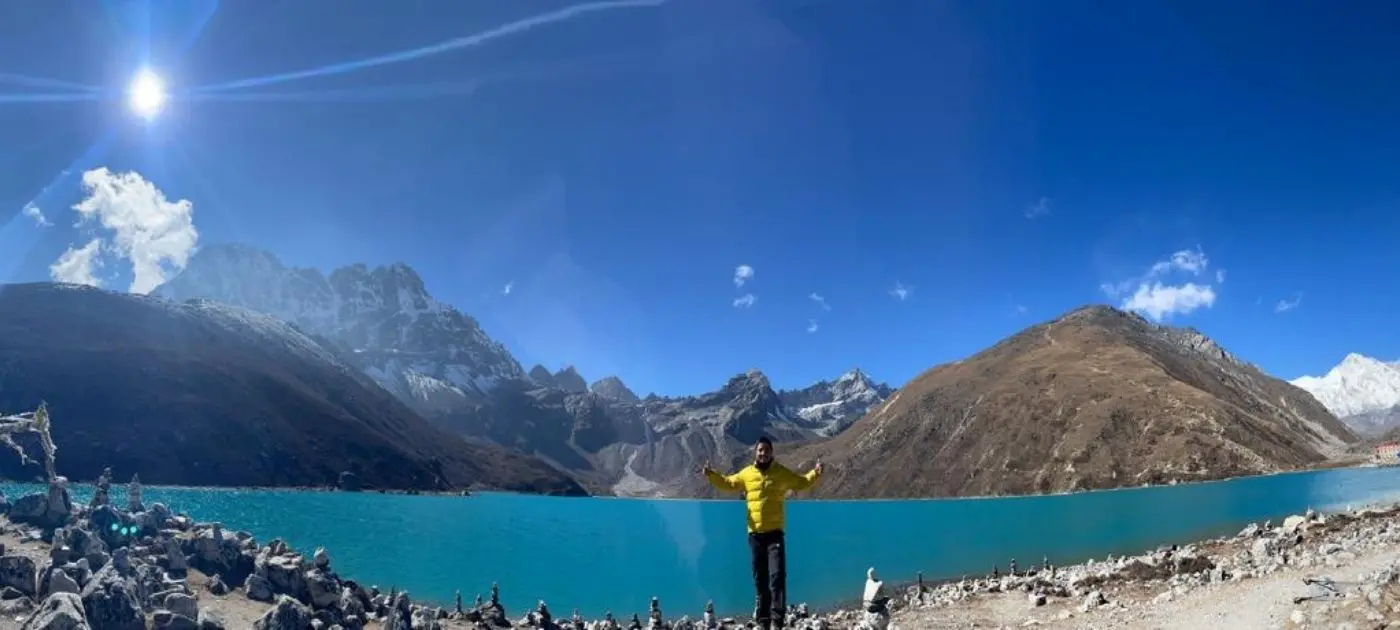
The Everest Base Camp Cho La Pass trek is more than a walk to a famous campsite. It combines the classic base camp route led by first Everest summiteer Sir Edmund Hillary and Tenzing Norgay Sherpa, the icy climb over Cho La Pass, and the calm turquoise lakes of Gokyo into one extended high-altitude journey. The trail is breathtaking and demanding at the same time, with long days, steep sections, pass that rises to around 5,420m and also Kala Patthar which lies at an attitude of 5,545 meters.
Because of that mix, Everest Base Camp trek preparation is not optional. Trekkers face thin air, changing weather, and rough, rocky paths for over two weeks. Good planning turns the route from something intimidating into a challenge which you can manage step by step. The aim of this guide is simple, to make EBC via Cho La Pass trek feel manageable, achievable and comfortable.
What Makes This Route Special ?
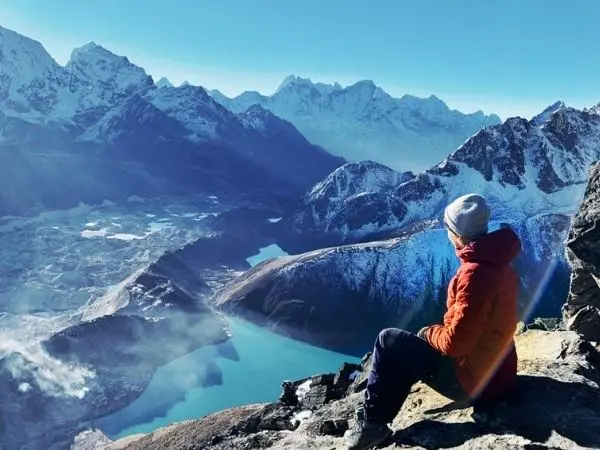
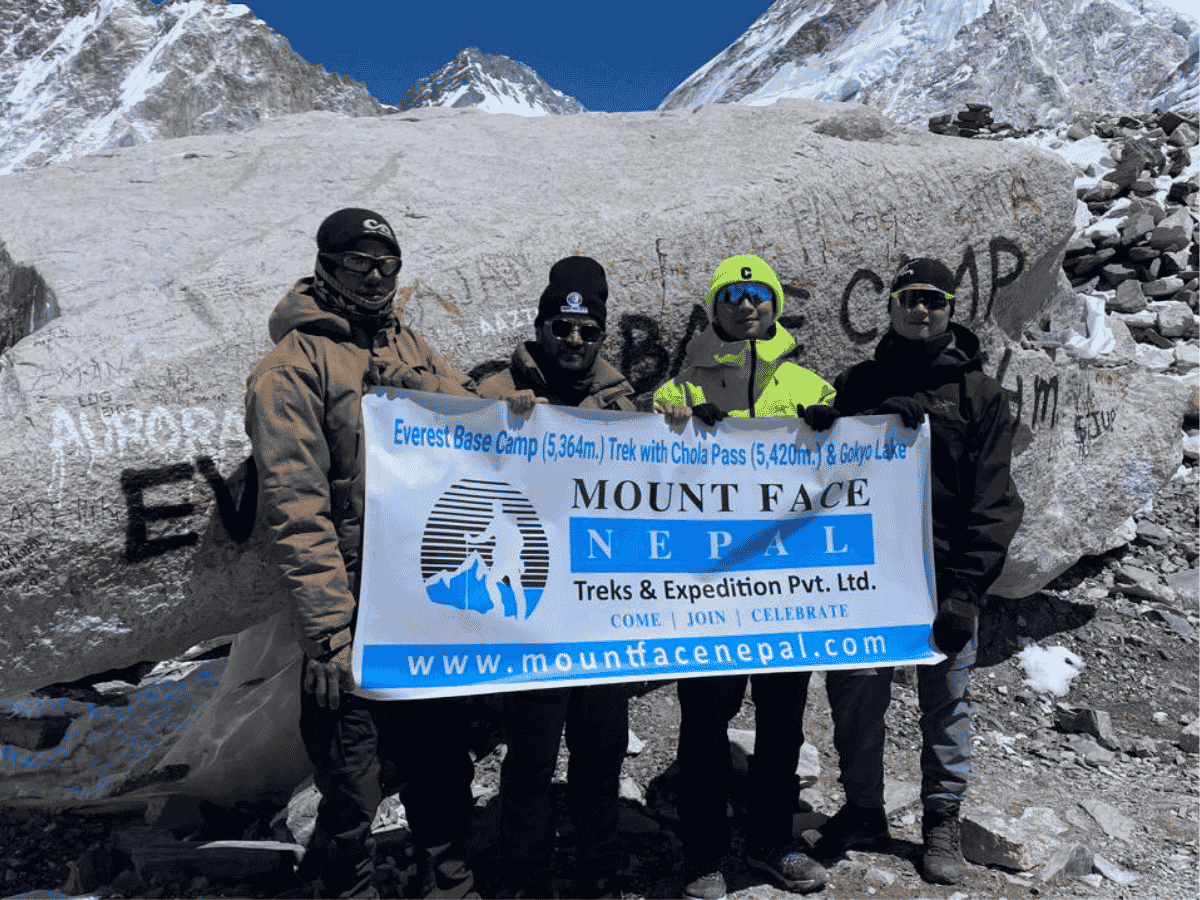
Compared with a standard base camp itinerary, the Everest Base Camp high pass trek via Cho La adds one more layer of adventure. Trekkers move from beautiful and busy Sherpa villages to quieter side valleys, then climb onto a Cho La high pass before descending into the Gokyo side. The views of Everest, Lhotse, and Cho Oyu create a jaw-dropping panorama that many describe as the highlight of their time in Nepal.
The route also crosses different micro-climates and landscapes. You start near forests and farmland, climb through rugged valleys, then walk beside enormous glaciers. By the time you reach Gokyo and Everest Base camp, the combination of scenery and effort makes the Gokyo Cho La Pass EBC trek feel like a complete Himalayan experience rather than a single-destination walk.
Understanding Everest Cho La Pass Trek Difficulty
The Everest Cho La Pass trek difficulty comes from three main factors: high altitude, the technical nature of the pass, and the number of consecutive trekking days on Khumbu region. Most itineraries run 15–18 days, with several days above 4,500m. The pass itself sits over 5,000m and can be icy or snowy, especially in shoulder seasons.
On the positive side, you do not need full climbing skills. A careful pace, basic use of trekking poles, proper guidance and confidence are usually enough for successful Everest Base Camp Gokyo Cho La Pass trek. When people ask how hard is Everest Base Camp via Cho La Pass, the honest answer is that it is harder than the other normal base camp route like Annapurna Base Camp or Manaslu Base Camp Trekking. However, it is very achievable for determined trekkers who prepare well and respect the altitude.
Who Is this Classic Everest Base Camp Trek For?
Most agencies or experienced individuals describe the Everest Base Camp trek via Cho La Pass trek journey as moderate to challenging. That reflects the need for steady legs, a strong heart, and mental patience rather than extreme athletic ability. Anyone considering what fitness level is required for Everest Base Camp Cho La Pass should plan to walk six to eight hours a day on hilly terrain at home without exhaustion.
Trekkers with previous multi-day hiking experience usually adapt more easily, but first-timers can succeed with focused training. The bigger question is not whether can beginners do Everest Base Camp and Cho La Pass trek, but whether they are willing to train consistently for several months, learn about altitude, and accept the possibility of turning back if health demands it.
Choosing the Right Season
Weather is the important part to any Everest Base Camp via Cho La Pass trek preparation. The most reliable seasons are spring (March–May) and autumn (late September–November), when skies are relatively clear and temperatures, though cold at night, are manageable. These seasons provides stable conditions and lower snowfall on the pass during these periods.
Winter brings quieter trails, peaceful atmosphere and crisp views, but it also brings ice, heavy snowfall and extreme wind, making Everest Base Camp via Cho La Pass trek in winter suitable only for the experienced trekkers and strong support teams. The monsoon months often means poor visibility, slippery paths, landslide risk, leeches and higher risk of delays. For most people, the best time for EBC Cho La Pass trek is the classic spring and autumn seasons.
A Look at the Everest Base Camp Via Cho La Pass Trek Itinerary
Most versions of the Everest Base Camp Gokyo Cho La Pass trek follow a similar pattern. You first fly to Lukla, trek through Phakding and Namche and then continue up to the traditional Everest route toward Tengboche, Dingboche, Lobuche and Gorak Shep. After visiting base camp and Kala Patthar, the trail goes towards Dzongla and climbs over Cho La into the Gokyo valley.
The sample itinerary for Everest Base Camp Gokyo Cho La Pass trek usually includes at least two acclimatization stops, often in Namche and Dingboche. Total walking days may vary, but the broad structure remains the same, gradual gain to base camp, one very demanding pass day and then a second high-altitude section around the Gokyo lakes before descending back toward Lukla.
Acclimatization: Your First Line of Defense for Everest Base Camp Trek
Serious altitude sickness prevention for Everest Base Camp starts long before acute mountain symptoms appear. Good itineraries is built in extra rest days for your body to adapt to higher altitudes, especially above 3,400m and 4,400m. Climbing too fast is one of the main reasons trekkers feel unwell or have to turn back from Classic Everest Base Camp via Cho La Pass Trekking.
Extra acclimatization days in Everest Cho La Pass trek are not a wasted time. Many use them for short acclimatization hikes to some viewpoints, gear checks, and quiet observation of the enormous and majestic peaks around them. Simple rules such as climb high, sleep, hydrate and react early to acute mountain sickness during Everest Base Camp Trek via Cho La Pass are very important and most effective.
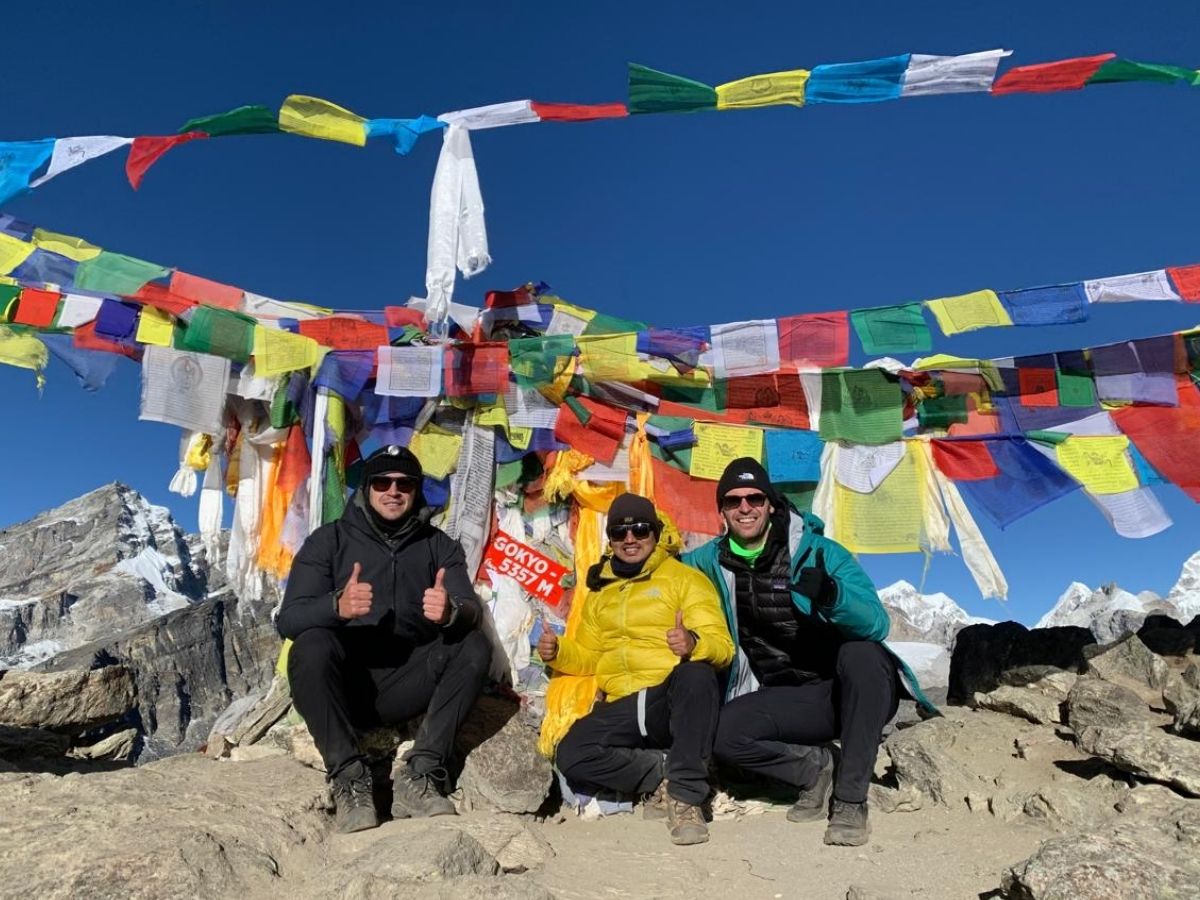
Training Overview: Building a Strong Base for Gokyo Cho La Pass EBC Trek
Effective training for Everest Base Camp trek is less about pure speed and more about endurance. A combination of regular hiking, cardio sessions, and strength work gives you the best chance of enjoying the Everest Base Camp Gokyo Cho La Pass journey rather than enduring it. Many trekkers plan three to four months of structured training before flying to Nepal.
A short 2 week training plan for Everest Base Camp trek can help with last-minute sharpening, but it cannot replace a longer build-up preparation. In practical terms, Everest Base Camp trek fitness means being able to climb stairs or hills for an hour without long breaks, handle long descents without knee pain, and recover overnight for the next day’s walk during EBC via Cho La Pass trek.
Cardio, Strength and Flexibility for preparation of Everest Base Camp Trek via Chola Pass
Most coaches suggest mixing moderate-intensity cardio such as running, cycling, and swimming with longer weekend hikes carrying a light pack. Over time, you can increase distance, elevation gain, and pack weight. This preparation for Everest base camp trek mirrors the effort during the actual Gokyo Cho La Everest Base Camp high pass trek, where the real challenge is repeating big days at higher altitude rather than one heroic push.
Strength sessions for legs, core, and back reduce strain on your joints. Squats, lunges, step-ups and planks are simple but effective tools. Flexibility work makes each day more comfortable and lowers the risk of injury. When people ask how to prepare for Everest Base Camp Cho La Pass trek, the answer nearly always includes consistency over complexity and move often, rest well, and increase difficulty gradually.
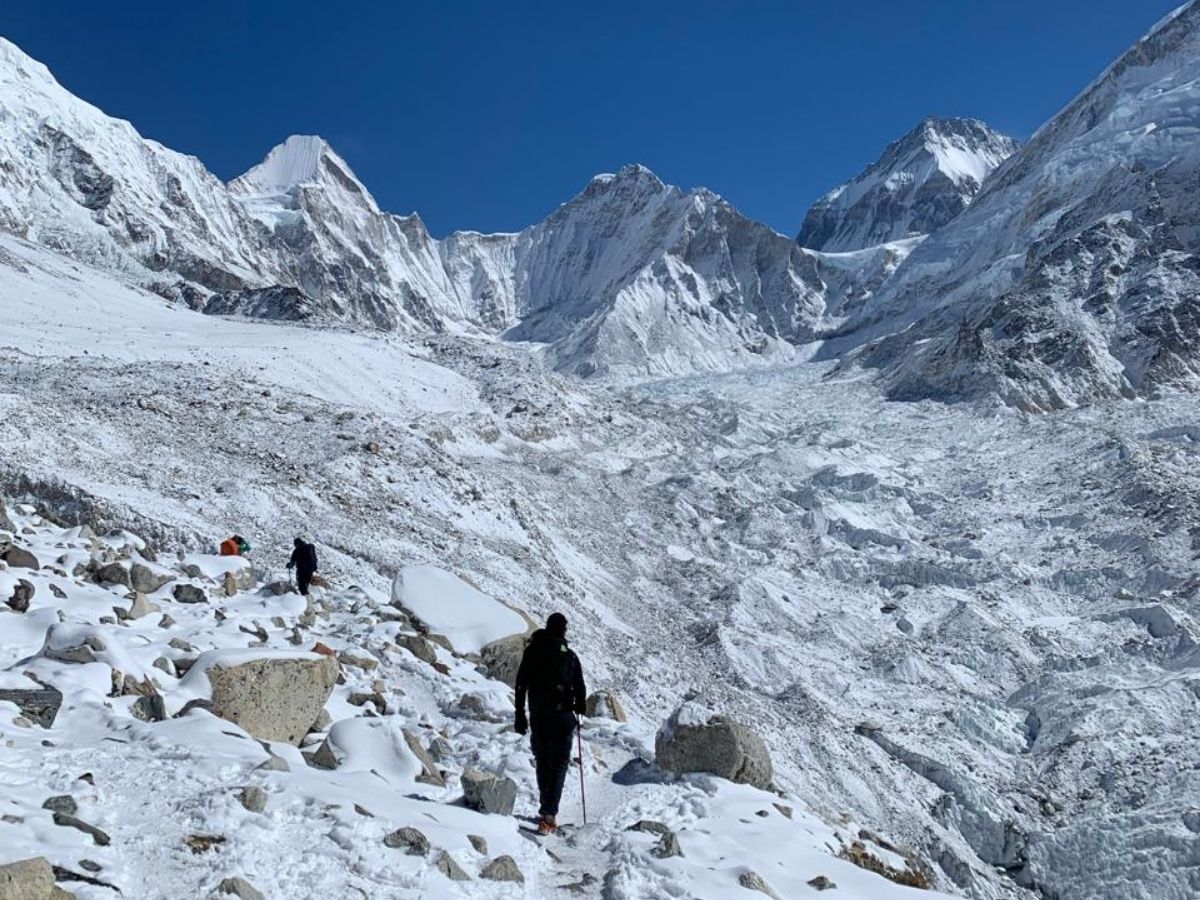
Practice Hikes and Mental Preparation
Weekend practice hikes are useful for testing gear and pacing. This preparation for Everest Base Camp Trek via Chola Pass teaches you how your body reacts to long days on uneven ground, and where your weaknesses lie. Doing a few hikes in bad weather can be particularly valuable, since conditions on Cho La may be cold, windy or cloudy even in good seasons.
Mental preparation is harder to measure but it is very important for Everest Base Camp Trekking preparation. Long distance trekking includes different moments of fatigue, doubt, or boredom. Many trekkers often says that the hardest challenge on the Everest Base Camp via Cho La Pass trek was not the altitude itself rather it was staying patient and positive on tiring days, especially around the Kala Patthar and Cho La pass.
Building a Practical Packing List as a preparation for Everest Base Camp Journey
A good packing list for Everest Cho La Pass trek balances warmth, weight, and simplicity. Good packing list includes warm layers, insulating mid-layer, windproof and waterproof outer shell. At higher altitudes, down jackets, warm hats, and insulated gloves become very essential during Classic Everest Base Camp Trekking.
Below the Cho La pass, conditions can feel mild in the sun and bitter in the shade. That contrast is why most teams emphasize versatile clothing over very heavy single pieces. For many, the ultimate test of whether Cho La Pass trek preparation is complete comes during a cold, early-morning start, when every piece of gear either earns its place or feels like a mistake.
Footwear and Poles for Everest Base Camp Trek via Cho La Pass
Boots are one of the most essential gears in Everest Base Camp Trek preparation. They should be broken in well before the flight, with enough ankle support for rocky paths but not so stiff that walking becomes an uncomfortable. Waterproof boots are helpful especially in sections around the glacier crossing at Cho La Pass, where snow and ice are common.
Trekking poles are highly recommended too for preparation of Everest Base Camp Gokyo Cho La Pass trek. On steep ascents they spread the effort through your upper body and on the long descents they protect your knees and helps you to balance. Many experienced trekkers include them on their list of tips for trekking over Cho La Pass safely, especially when the trail is icy or scattered with loose rocks like in the EBC via Cho La Pass trek.
Health and Altitude Safety Preparation for Everest Base Camp Trek via Chola Pass
The most important safety measure during high altitude trekking in Nepal is learning how to avoid altitude sickness on EBC Cho La Pass route. That means you need to listen your body carefully and recognize early signs such as headache, nausea, unusual fatigue and more. Eating small portion of food frequently, resting and hydrating well are the most important, since prevention is better than cure during Everest Base Camp Trekking Journey.
Some trekkers choose to carry medication by consulting with their doctor and it can be helpful but what truly makes the Everest Base Camp via journey safe is that the better customized itinerary with extra acclimatization days. A well-planned Everest Base Camp Cho La Pass trek treats the high pass day as a hardest day, with easier days before and after, giving your body an enough time to adjust with landscapes and higher altitudes. Experienced guides also watch and monitor trekkers health regularly and adjust the pace accordingly if it is required.
Permits, Insurance and Flights
Administrative details matter as much as packing lists for Gokyo Cho La Pass EBC trek. Trekkers must obtain the necessary trekking permits for Everest region, which includes Sagarmatha National Park Entry Permit and Khumbu Pasang Lhamu Rural Municipality Entry Permit. Most agencies handle this process so you don’t have to worry much, but independent trekkers should know current rules before departure.
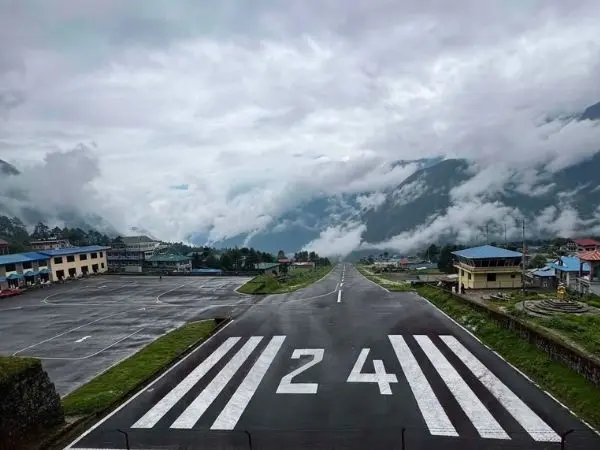
Travel insurance that covers high-altitude trekking and helicopter evacuation is strongly recommended as emergency situation can happen at Himalayas. Many companies now offer specific trekking insurance for Everest Base Camp and related routes which can be really helpful. The journey starts with a short but memorable Lukla flight for Everest Base Camp trek, which can be delayed due to weather so adding your extra day in Kathmandu is an easy way to avoid problems with your schedule.
Life on the Trail: Teahouses and Food during EBC via Cho La Pass trek
Most of the route is classic teahouse trekking in Everest region are available with simple lodges providing warm and tasty meals. Rooms are basic but comfortable enough, with shared dining areas that become social centers in the evenings. Dal Bhat, soups, noodles, potatoes, omelets and fried rice are widely available with occasional baked items in larger villages.
As altitude rises, appetite can fall unexpectedly. Many trekkers also notice their taste changes with altitude, and they start craving for simple and warm foods that are easy to digest. Experienced guides often remind their groups to “eat for tomorrow’s energy, not today’s hunger,” which is an important rule that supports altitude sickness prevention Everest Base Camp, by keeping bodies fueled.
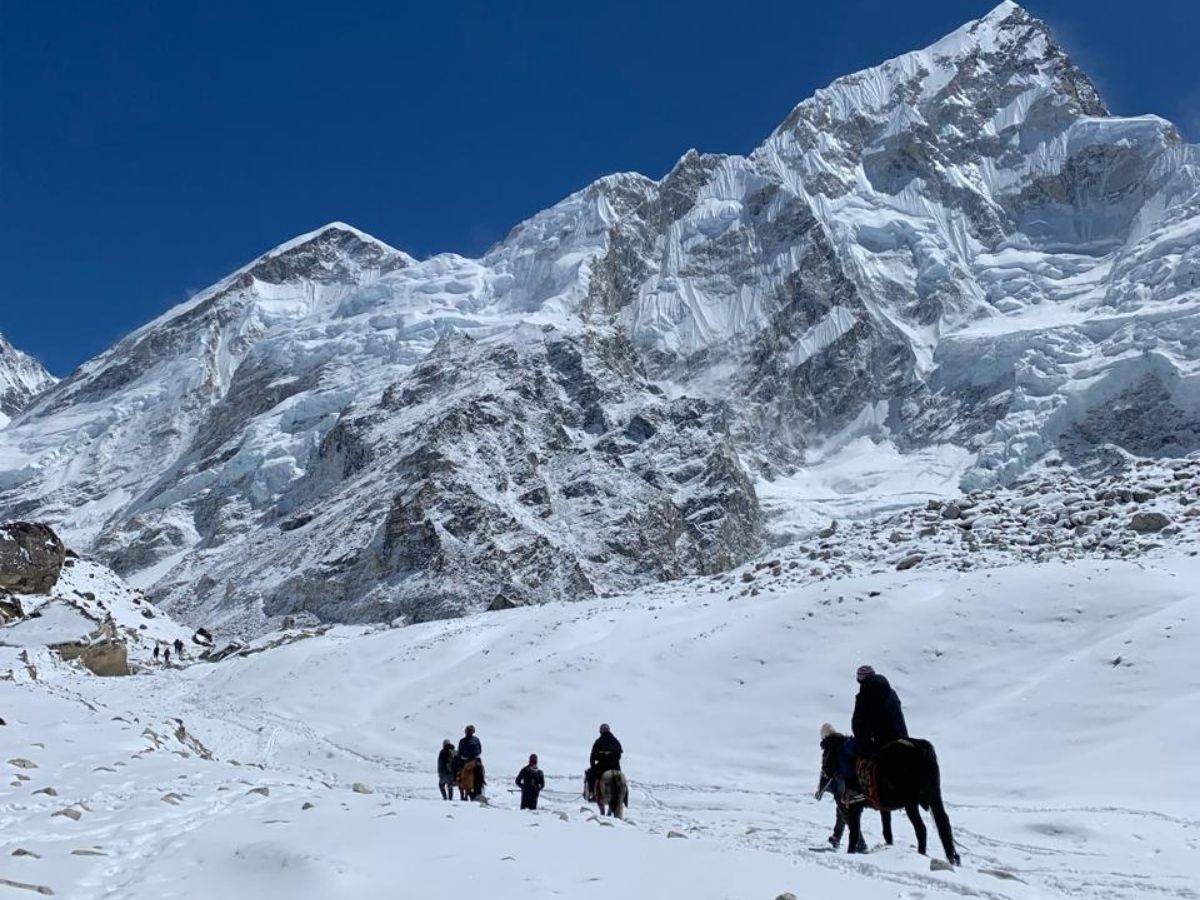
Guided vs Independent/Solo Trekking Approaches for EBC via Cho La Pass Trek
The debate between guided vs independent EBC Cho La Pass trek is still ongoing for this Himalayan high altitude trekking in Nepal. Solo trekking offers freedom and lower costs, especially for those who are comfortable with navigation and the logistics. However, the remoteness of the pass, potential weather changes, and the need for quicker decisions lead many to choose a guided option when someone feels unwell.
Guided teams usually include a lead experienced guide and porters which helps to spread risk and workload. Many trekkers say that on the toughest days especially on Cho La pass, they feel safer knowing that someone else is watching the weather and the trail conditions while they focus on their own steps. For many, that calm oversight becomes part of effective Everest Base Camp Cho La Pass trek preparation.
Winter and Shoulder-Season Considerations as Preparation for Everest Base Camp trek via Cho La Pass
Undertaking Everest Base Camp Cho La Pass trek in winter changes the nature of the journey. Trails are quieter and the mountains can feel almost otherworldly in their stillness. At the same time, heavy snow fall on the pass, colder nights and shorter daylight hours makes the Everest Base Camp journey more challenging and demanding making it perfect for only experienced trekkers.
Shoulder months, early March or late November have their own pros and cons. Experienced trekkers enjoy cooler temperatures, fewer crowds and peaceful atmosphere, while others find that the icy sections and unpredictable storms adding an extra stress and challenge during Everest Base Camp high pass trek. For the most first-time visitors, trekking during the main recommended seasons (Spring and Autumn) is the best time for EBC Cho La Pass trek and the simplest way to reduce uncertainty.
Budgeting and Money Management
Costs for the Everest Base Camp Cho La Pass Trek preparation vary with group size, level of comfort, and whether the trip is fully organized. Package prices typically cover permits, domestic flights, guiding, porters, accommodation and meals which leaves personal expenses such as snacks, hot showers and charging fees.
Carrying an enough cash in Nepalese rupees and a backup card is very important for preparation of Everest Base Camp Trek via Chola Pass, as ATMs are not available beyond Namche Bazaar. Some trekkers note that budgeting a little extra eases small decision like ordering a second pot of tea, upgrading a room, or donating some money to a local school without any anxiety. Financial preparation supports the physical side, giving you one less concern during the EBC via Cho La Pass trek.
Environmental and Cultural Respect during Everest Base Camp Trekking via Cho La Pass Trekking
The Everest trail passes through communities that have adapted to tourism from many years ago while keeping strong ties to traditions and culture. Simple gestures such as walking on the left side of mani stones or circling them in clockwise direction, asking before taking photos, dressing modestly in villages show respect and make a big difference during the EBC via Cho La Pass trek. Many trekkers explain these encounters as one of the most unforgettable cultural moments on Everest Base Camp Gokyo Cho La Pass trek, with the majestic views of the highest mountain on the planet Everest (8,848.86 meters), Lhotse, Nuptse, Ama Dablam, Pumori, and more.
On the environmental aspect, carrying a refillable bottle, avoiding any single use of plastics where possible, and packing out a small item really helps to protect a fragile Everest region. Guides often remind trekkers to respect both environment and local tradition by avoiding litter, staying on the trail and politely observing cultural customs in villages. Being careful in this way helps to preserve the fragile Everest environment and the rich cultural heritage and tradition of the Everest region for future visitors.
Looking Ahead to the Everest Cho La High Pass
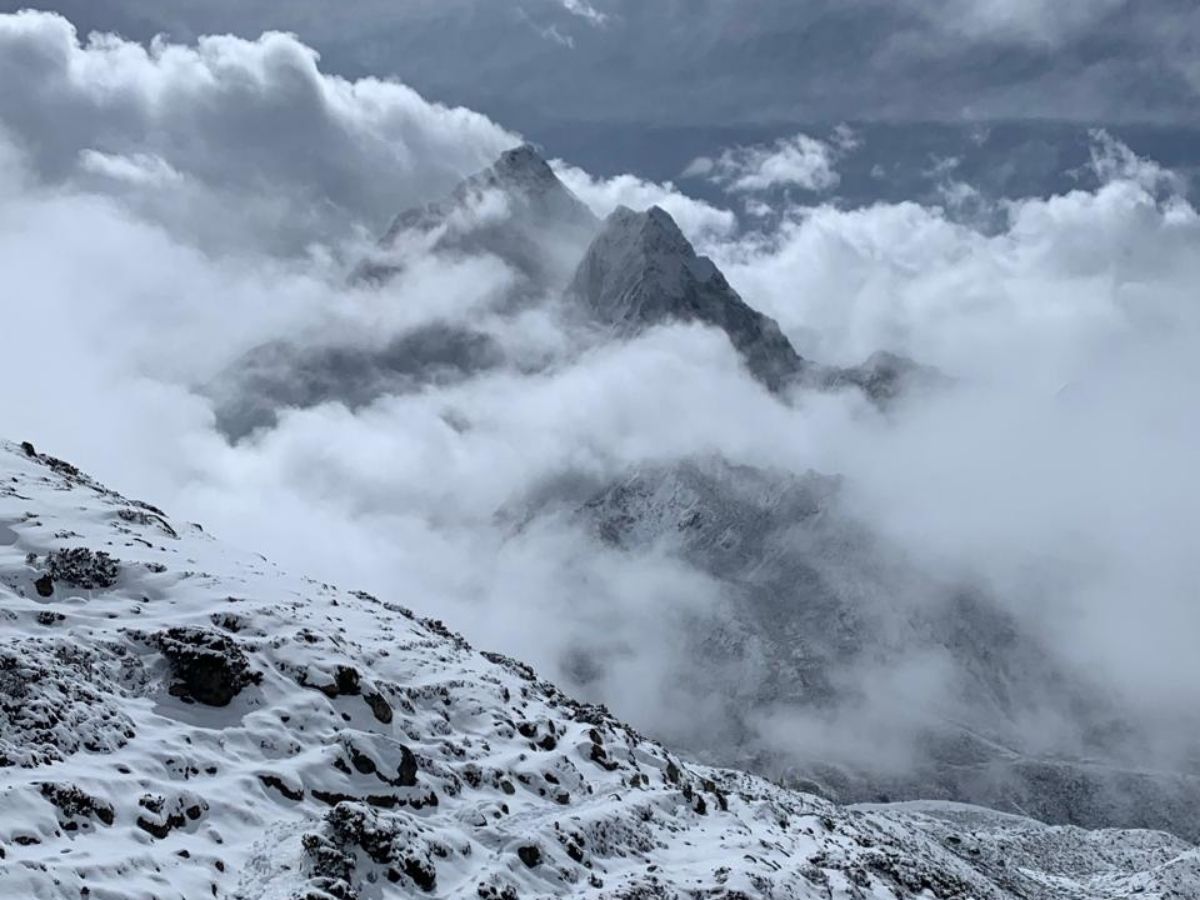
Ultimately, the Everest Base Camp Cho La Pass trek is not defined only by statistics days, meters, or difficulty grades. It is shaped by early-morning starts under clear skies, quiet meals in teahouse dining rooms, and the first sight of a majestic summit emerging from cloud. Good preparation simply creates more space to notice those moments.
When trekkers talk about the route months later upon successfully completing the Everest Base Camp via Cho La Pass trek, they rarely focus on questions like Everest Cho La Pass trek difficulty or what fitness level is required for Everest Base Camp Cho La Pass. Rather, they recall how it felt to stand on the base camp, viewpoint and the pass, breathing in the thin air, and realizing that every careful step, every training session, preparation and decision along the way had led them to that single and once in a lifetime experience.
Final Words
After completing the trek, the Everest Base Camp Cho La Pass trek preparation reminds every trekker that the Himalayas demand both challenge and respect. During the journey, the higher altitudes, longer walking days, and the unstable weather can make the Everest Trekking journey difficult even for experienced trekkers. So, preparation for Everest Base Camp is very important which includes proper guidance, steady training, smart acclimatization, the right gear, and the realistic expectations. Standing at the Everest base camp, Kala Patthar, and at the top of the Cho La Pass, trekkers feels powerful sense of fulfillment and achievement which makes them to realize that every careful step and every moment of Everest Base Camp via Cho La Pass trek preparation has led them to one of the most rewarding experiences of their entire life.
If you are feeling excited about the Everest Base Camp via Cho La Pass Trek but not sure from where to start, that’s where we Mountface Nepal can support you. We assist you with permits, experienced guides, reliable insurance options, proper guidance, fully customized itinerary with a budget friendly option, helping you to make the entire preparation of the Everest Base Cam Trek via Chola Pass smooth and stress free. With expert itinerary planning, right support and good preparation, the Everest Base Camp Cho La pass trek becomes not just only achievable for you but truly life changing and unforgettable.