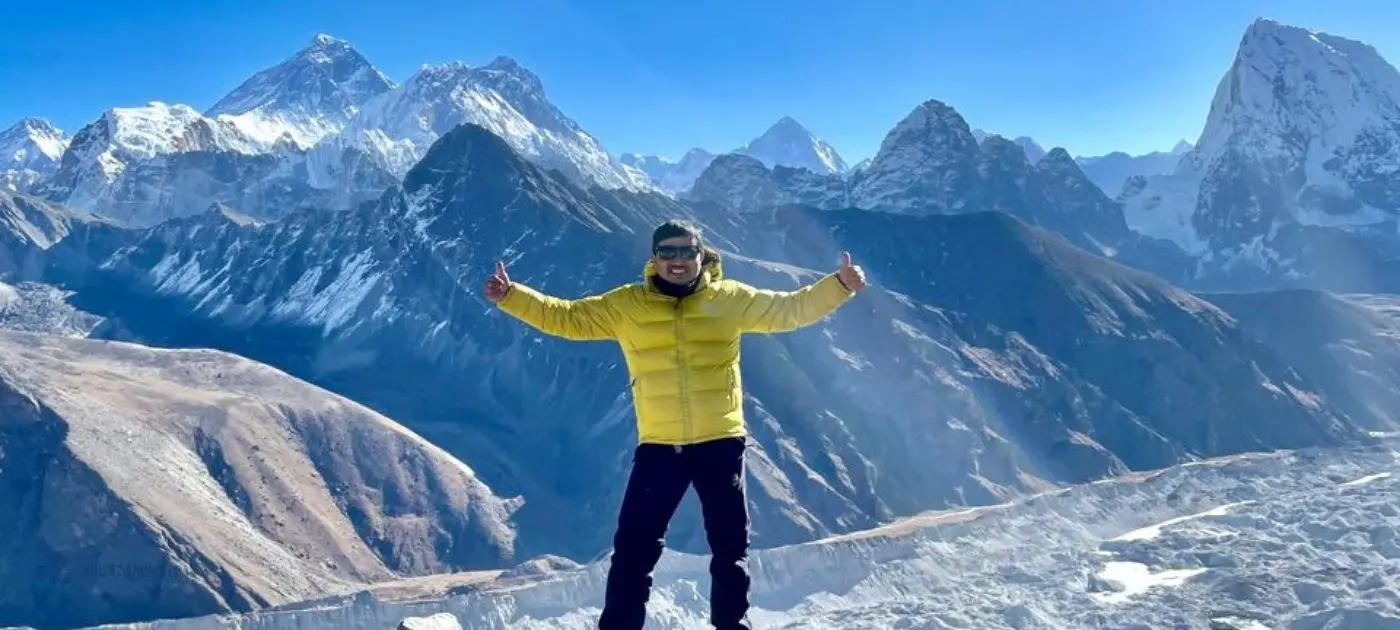
The Gokyo Valley trek difficulty is often considered as a moderate to challenging high altitude trek in Nepal. It is not a technical climb rather it is the combination of high altitudes, long hours walking days, and rugged trails which means it demands respect. Trekkers spend several days above 4,000 meters, with a high point on Gokyo Lake (4,700-5,000 meters) and Gokyo Ri (5,357 meters), where thin air makes every step slower and heavier than at sea level.
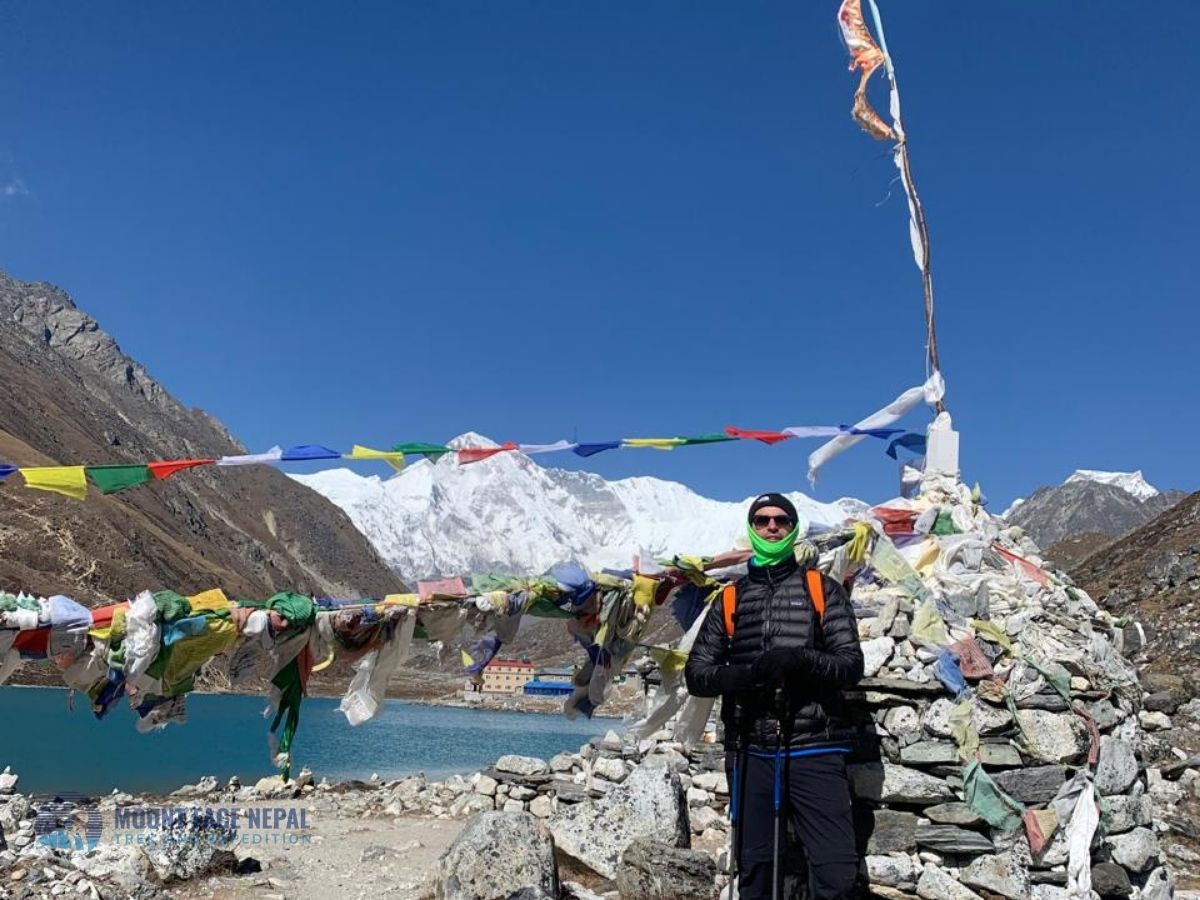
Compared with short Himalayan hikes, the Gokyo Lake Trekking difficulty sits in the same band as Everest Base Camp, sometimes feeling tougher because of glacier crossings and long days between lodges. For many fit walkers, it is achievable with good preparation and patience. Throughout the journey, the Gokyo Valley Trek route rewards that effort with breathtaking ridges, enormous ice fields, and majestic peaks which includes Mt. Everest, Lhotse, Cho Oyu, Makalu and more rising in every direction. And at the heart of Gokyo trek lies the sparkling and a turquoise Gokyo Lake, true Himalayan Jewel which adds an alpine magic to the Gokyo Lake Trekking.
Gokyo Lake Trekking Difficulty Level
Most of the experienced trekkers and local agencies consider Gokyo Lake trek difficulty level as moderate to challenging category. It is usually considered more demanding than shorter low-altitude routes in Annapurna or Langtang, but easier than serious expedition-style treks involving passes over 5,500 meters. The absence of ropes or climbing gear keeps it firmly in the realm of trekking, not mountaineering.
The Gokyo Valley Nepal trek difficulty reflects sustained effort rather than any technical danger. Most challenges in Gokyo Valley trek arises from high altitudes over 5000 meters, trail length, and unstable weather rather than exposure. When trekkers prepare themselves well and build good fitness level, then the Gokyo Valley Trekking route becomes a demanding yet manageable and achievable moderate high-altitude trek in Nepal, which rewards trekkers with truly life long memories.
Route Overview and Elevation Profile on Gokyo Trek Nepal
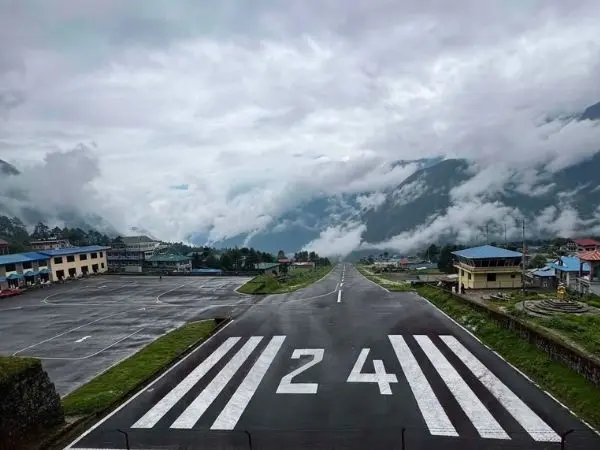
The classic Gokyo Lake Trek itinerary begins with a flight to Lukla, then follows the Dudh Koshi river through Phakding and Namche Bazaar before leaving the main Everest Base Camp route. For, over 10 days, trekkers climb steadily along the valley and passing villages like Dole and Macchermo. Most Gokyo Valley trek itineraries include at least one or two acclimatization days to ease Gokyo Valley trek altitude difficulty.
The highest point on Gokyo Valley trekking is Gokyo Ri, which is at about 5,357 meters. This summit day is one of the hardest days during trek with Gokyo Valley trek elevation gain, as it involves a steep ascent from the village. During these days, drinking plenty of water and resting well is especially important to avoid acute mountain sickness on Gokyo Valley trekking while adjusting to the elevation. Descents back toward Lukla still demand care because knees and ankles are tired and trails can be rocky. Overall, the profile is a steady climb over several days, a sharp push to Gokyo Ri, and then a controlled descent.
Daily Distance and Walking Hours during Gokyo Valley Trek Nepal
Many trekkers worry or curios about Gokyo Valley trek walking hours per day. Most standard itineraries includes five to seven hours of hiking, with some shorter days which built around acclimatization. Distances vary from about eight to fifteen kilometers per day, but the effort feels greater than the numbers of kilometers because of the higher altitudes, steep ascents and uneven paths.
The Gokyo Valley trekking distance per day is not that extreme, yet the vertical gain, stair-like sections, and occasional snow make the progress slower. Trekkers who are used to for fast pacing at home often find that a steady and measured pace is essential. Guides repeatedly advise their groups to “walk slowly, breathe deeply” which is a simple strategy that quietly makes the Gokyo Trek Nepal safer and more enjoyable.
Trail Conditions and Terrain during Gokyo Lake Trekking Nepal
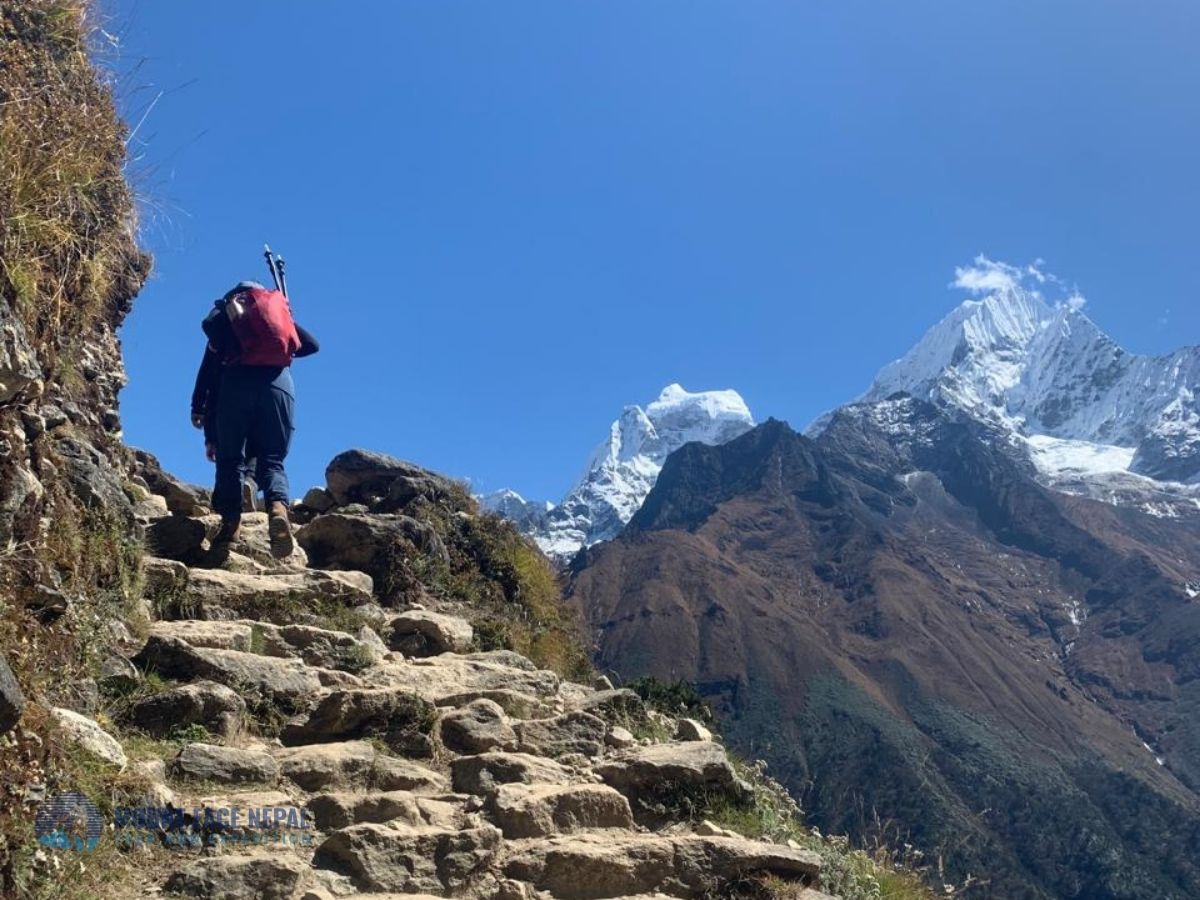
The Gokyo Valley trail conditions changes throughout the route. The trail passes through lower sections, wind through forests, high suspension bridges, and stone-paved village paths. As we go higher up, the trail becomes rougher, with loose rock, occasional icy patches, and the long crossing of the Ngozumpa Glacier, which is one of Nepal’s largest glacier systems.
These ups and down create some of the key Challenges during Gokyo Valley trek. Snow or ice can linger on shaded slopes during the shoulder seasons, and large boulders on the glacier demand concentration. None of this is a technical climbing, but it requires a good balance, ankle support, and the patience to move very carefully. Trekking poles and proper footwear are highly recommended as it significantly reduces strain on Gokyo Valley high altitude trek in Nepal.
Weather and Seasons Difficulty during Gokyo Valley Trek
Conditions change sharply with the seasons, which directly influences the Gokyo Lake trek. The ideal season for Gokyo Valley Trek is during Spring and Autumn. Spring (March to May) offers mild temperatures blooming rhododendron forests and stable weather, while autumn (September-November) brings clear skies and crisp views after the monsoon. These two seasons are usually considered as the best season for an easier Gokyo Valley trek, with less snow on the trail and more predictable flights to Lukla.
However, winter brings a different picture. The Gokyo Valley trek difficulty in winter goes high as temperature drops, snow gets thicker and some teahouses close for the season. Days starts getting shorter with risk of icy sections and water can freeze overnight making simple day to day task complex. Some trekkers still love to travel in winter for quiet trails and jaw dropping snow covered mountain vistas with Gokyo Lake transforming into a frozen jewel but it is only recommended for experienced and well-equipped trekkers.
Altitude, Acclimatization and Acute Mountain Sickness on Gokyo Valley Trekking Nepal
The main challenging factor behind Gokyo Valley Trek Difficulty is its altitude. Trekkers spend most of the time above 4,000 meters for multiple nights and climb higher on acclimatization days. At this elevation the altitude sickness risk on Gokyo Valley Trek becomes a real challenge for everyone regardless of age or fitness. Headaches, nausea, fatigue and disturbed sleep are common early signs and must be treated immediately by resting and hydrating well before it gets worsen.
Good Gokyo Valley Trekking acclimatization plans includes gradual height gain, extra rest and acclimatization days on Namche and around Machhermo or Gokyo. It is important to have experienced licensed guide beside you so that he/she can encourage for steady hydration, light frequent meals and slow ascent. There is one saying from local guide that “You can be strong at sea level and still get sick here, so listening to your body is the most important skill during high altitude trek in Nepal”.
Fitness and Training Requirement for Gokyo Lake Trekking
Many trekkers or travelers are curious about “How fit do I need to be for Gokyo Valley Trek”. The answer is that route does not require any athletic level fitness, but a good Gokyo Valley trek fitness level is very important. The ideal trekker who is comfortable for walking uphill for several hours, multiple days in a row, and while carrying a daypack can easily complete this Gokyo Lake Trekking journey. Cardiovascular endurance matters more than the speed, especially on the longer and higher climbing sections.
A simple Training plan for Gokyo Valley trek difficulty preparation often includes regular hikes on hills, stair climbing, or long walks which is combined with basic strength work for legs and core. People who arrive with this fitness base generally handle the Gokyo Valley trek physical challenge more smoothly. Those who haven’t been active at all before tend to struggle, especially in the second week when fatigue and altitude together are combined.
Is Gokyo Lake Trekking Suitable for Beginners or First time Trekkers?
A common question for Gokyo Lake Trekking Difficulty is that “Is Gokyo Valley Trek suitable for beginners”. The answer is simple, as it is a Himalayan journey, it can be challenging but not impossible. With enough preparation and proper guidelines, newcomers can complete the Gokyo Valley Trek for beginners successfully when they build good fitness early and choose an itinerary with an extra rest and acclimatization days. As this allows your body for more time to adjust to higher altitudes during Gokyo Lake Trekking Nepal.
The tougher reality is that Can I do Gokyo Valley trek without prior trekking experience is not just about fitness. Experience also means knowing how your body reacts to long days, changing weather, and simple living conditions. Trekkers who treat this as a first serious multi-day hike should expect a steep learning curve, and are usually better off going with a guide and porter.
Gokyo Lake Trek Difficulty for Old Trekkers and Age Considerations
The Gokyo Valley trek difficulty for older trekkers over 50 is shaped less by age itself and more by health conditions and an enough preparation. Many reports shows that trekkers in their fifties, sixties, and even seventies successfully reaching Gokyo Ri and completing Gokyo Lake Trekking Nepal Journey. They move slowly, choose extra days itineraries, pay close attention to acclimatization guidelines and take support from experienced guides and porters rather than trying to match the younger groups.
Cardiac health, joint condition, and previous altitude exposure are very important factors for Gokyo Lake Trekking Difficulty. Older trekkers often get benefited from adding extra acclimatization days and staying honest about any discomfort feeling by informing their guide. Doctors’ clearance before departure and good insurance package is widely recommended too. When these pieces are in place, the Gokyo Valley Nepal trek difficulty remains challenging but not prohibitive for well-prepared older walkers. Additionally, the trek is generally suitable for kids aged 10–12 who genuinely love walking and have good stamina, making it a rewarding adventure for motivated young trekkers as well.
Solo vs Guided Trek and How it Changes Gokyo Lake Trekking Difficulty
The Gokyo Valley trek difficulty for solo trekkers is shaped as much by logistics as by physical effort. In terms of navigation, the Gokyo Lake Trekking trail is fairly clear in peak seasons, but also if you are trekking solo then trekkers should be responsibility for pacing, decision-making in bad weather, and fighting with any symptoms of altitude illness all alone. Lodging and domestic flights must also be organized independently which can make your Gokyo Lake Solo Trekking Journey more challenging.
For many travelers and the trekkers, the main question is that Do I need a guide for Gokyo Valley trek? Hiring a licensed guide is not mandatory for Gokyo Valley Trekking but having an experienced licensed guide can monitor your health regularly, adjust the pace and plan accordingly, and handle the route changes if conditions get bad. Having porters too helps to reduce daily load, easing your strain on knees and lungs. While independent trekking is possible within the rules and permits, but going guided tends to lower the Gokyo Valley trekking difficulty, especially for beginners and first-time visitors.
Comparing Gokyo Lake Trek Difficulty with Everest Base Camp
Many trekkers compare Gokyo Valley Trekking vs Everest Base Camp difficulty when choosing between routes and altitudes conditions. Both trekking route reaches to the similar altitudes and require comparable daily effort, but their challenges differ. Gokyo Valley Trek includes a glacier crossing and the steep ascent to Gokyo Ri at an altitude of 5,357 meters, while Everest Base Camp involves longer time at altitude and the extra push to Kala Patthar which is located at an altitude of 5,643 meters.
In practical terms and most questions by trekkers, how difficulty is the Gokyo Valley trek compared with Everest Base Camp trek? For some, the Gokyo Lake Trek Difficulty feels slightly tougher than Everest Base Camp because of the rougher terrain. Meanwhile, others find it easier, thanks to quieter trails and a more gradual high-altitude build-up on certain itineraries. Both Gokyo Valley Trek Nepal and Everest Base Camp trekking routes remain moderate to challenging high altitude trek in Nepal that requires respect to the Himalayas, realistic pacing, well preparation, steady acclimatization and proper planning.
Gokyo Ri: The most challenging and steepest Day on Gokyo Valley Trek
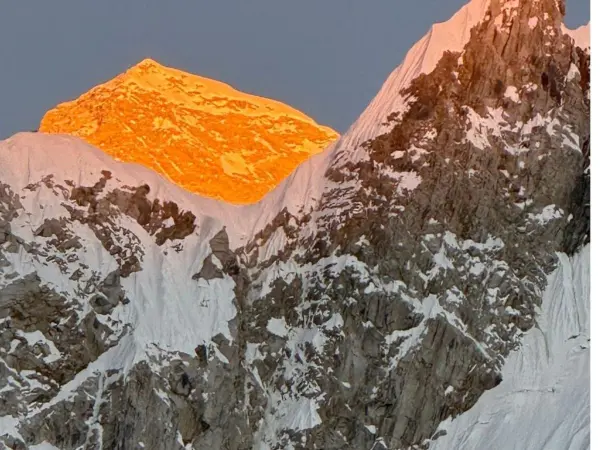
The Gokyo Ri climb difficulty is one of the hardest effort and challenging day during the Gokyo Valley Trek itinerary. The trail on this day rises steeply above the village on the loose rocks and zig zagging trails. Trekkers usually hike early in the morning to reach Gokyo Ri before sunrise so that they can catch the first golden light on Everest, Lhotse and the surrounding snow-capped giants. As Gokyo Ri lies at an altitude of 5,357 meters, cold air and thin oxygen here get combined to force the pace slow even for the fit hikers.
Yet this day also delivers some of the most jaw-dropping panoramas on the route. Many describe the summit ridge as one of the most majestic viewpoints in the Khumbu region. This combination of strain and reward crystallizes the overall Gokyo Valley trek physical challenge offering hikers an unforgettable vista that lasts for life long.
Mental Side of the Gokyo Lake Trekking Difficulty
Physical preparation is one part of the Gokyo Valley Trekking Difficulty but mental preparation is equally important too. Days can feel repetitive like wake up early, pack, walk, eat, sleep, then repeat for several days. Sometimes bad weather can hide majestic mountain views for hours, or a headache of fatigue may force a slow pace. Patience and adaptability become as important as physical fitness for Gokyo Valley Trekking Journey Nepal.
Some trekkers feel of occasional doubts. Some described the glacier crossing as “loud, uneven, and endless,” yet also they called the valley above it breathtaking and strangely peaceful after sometime Balancing these conflicting impressions is part of the Challenges of Gokyo Valley trek, and often what people remember later.
Time Frames and Comfortable Itineraries for Gokyo Lake Trek Difficulty
A key planning question is that in how many days to complete Gokyo Valley trek comfortably. While it is possible to rush through in ten days, but most reputable operators and experienced trekkers recommend for eleven to fourteen days, allowing extra rest and acclimatization days to adjust for the higher altitudes. These extra days significantly reduce Gokyo Valley trek altitude difficulty and lower the chance of acute mountain sickness and being forced to descend early.
Longer itineraries also helps to soften the Gokyo Valley trek physical challenge. Distances can be divided into shorter stages, and trekkers have more time to recover between big and high climbs. For those who are concerned about fitness, adding a couple of extra days often makes a big difference for a sustainable Gokyo Lake Trek Journey Nepal.
Health, Safety, and Decision Considerations on Gokyo Valley Trek
Even with good preparation, some trekkers encounter acute mountain sickness symptoms at higher altitudes of Gokyo Valley Trek, such as minor stomach upsets, altitude headaches and fatigue. For safer journey of Gokyo Valley trek altitude difficulty, it totally depends on early recognition and honest communication with accompanied guides and fellow trekkers. Turning back or resting an extra day is the right call in such situations, even when the summit is in the sight.
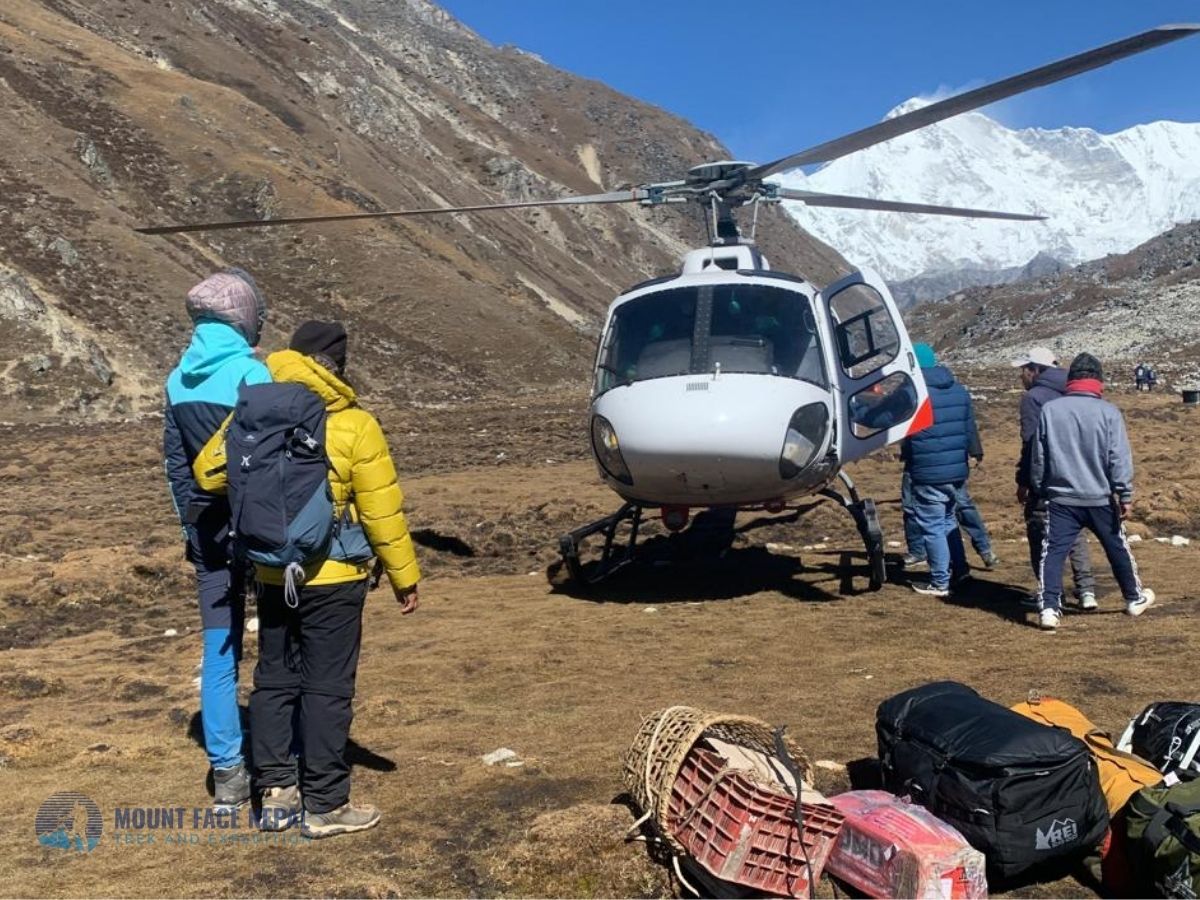
Rescue options do exist in the region, including helicopter evacuation, but they are expensive and depend on weather. Guides strongly encourage proper insurance and clear planning. This prevention is very important as it recognizes that the Gokyo Valley trek difficulty is not just a casual description but it is a real measure of risk and effort at high elevation.
Who This Gokyo Valley Trek Suits Best?
Taking all factors together, Gokyo Valley trek difficulty best suits for the trekkers who have already enjoy long hill trekking days and now wants a serious, but not extreme Himalayan challenge. It appeals to those who value quieter trails, glacier views, turquoise lake and enormous valley scenery over the crowds of Everest Base Camp.
For some, this is a logical second step after a shorter trek elsewhere in different part of Nepal. For others, it is an ambitious introduction to high altitude trekking journey which is approached with careful training plan for Gokyo Valley trek difficulty preparation and a realistic mindset. Either way, success usually reflects patience more than raw strength.
Final Words
In the end, how hard is the Gokyo Lake Trek doesn’t fully describe what the trek is really like. Difficulty on this route is never a single statistic as it shifts with altitude, weather, personal fitness, and the decisions you make each day along the way. Two people walking the same trail may return home with completely different stories of Gokyo Lake Trekking as different people view it from different perspectives. One trekker summarized it softly in Gokyo after a demanding ascent that “It was tougher than I imagined, but also more peaceful than I hoped.” That explains, the hard effort is balanced by the serenity of jaw dropping mountains, turquoise lakes and stunning landscapes.
The Gokyo Valley trek can be definitely difficult and demanding, but with a good preparation, proper planning, patience at altitude, and guidelines from expert, it becomes one of the Himalya’s most rewarding adventures. If you are looking for a good support along the way, we Mountface Nepal can help you with licensed experienced guides, porters, customizable itineraries, permit arrangements and budget friendly package to make your journey smoother and comfortable. For those who come for Gokyo Valley trekking with good preparation of both physically and mentally are welcomed with unbelievable turquoise shimmer of Gokyo Lake, panoramic mountain views which is crowned by Everest, Lhotse and Cho Oyu, and wide silent valleys that feels almost otherworldly. In the end, the hard effort during Gokyo Lake Trekking difficulty eventually becomes part of the reward, which gives you life long memories and truly unforgettable experience.