Overview: Unmissable Stops in the Everest Region
The Everest View Trek is Nepal's best short Everest experience because it packs the region's biggest highlights, Everest views, Sherpa culture, Buddhist monasteries, and high-altitude trails into just seven days, without the two-week commitment of the full Base Camp trek. You'll fly into Lukla, trek to Phakding, climb to Namche Bazaar, spend an acclimatization day exploring Khumjung and the Everest View Hotel, then push on to Tengboche Monastery before heading back.
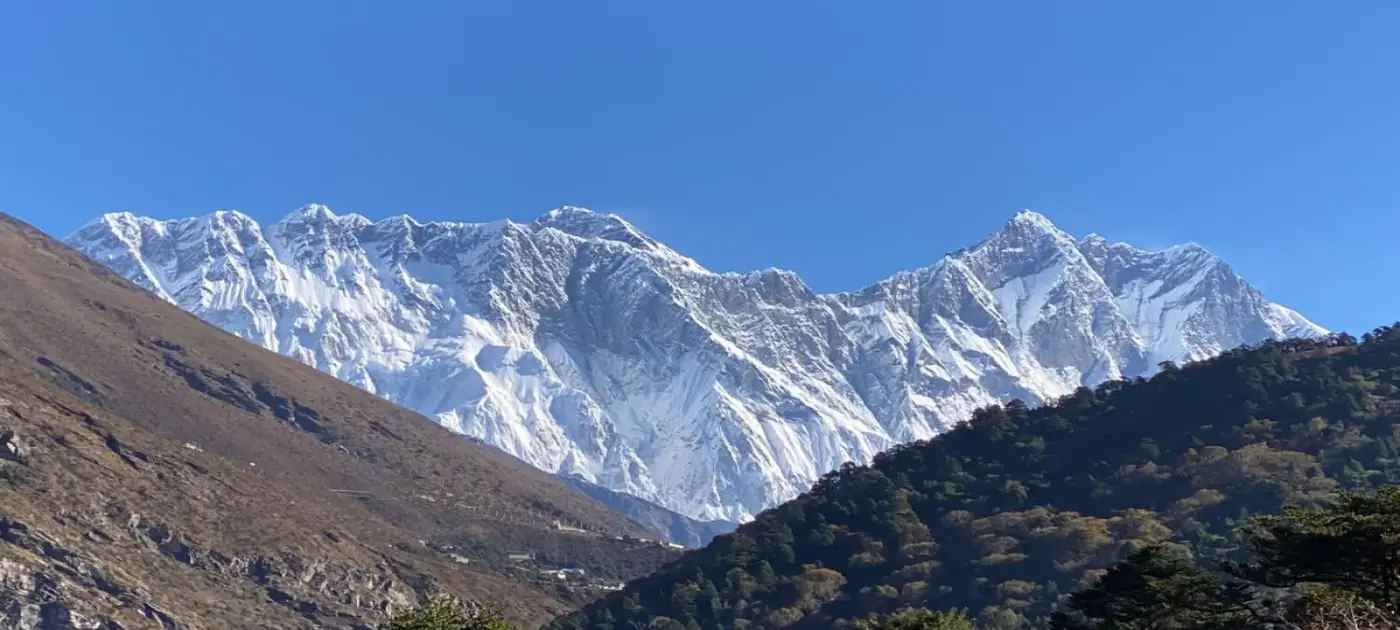
Over these seven days, you'll see a lot great mountains, suspension bridges, prayer flags, and Sherpa villages, but a few places really shouldn't be missed. Namche Bazaar is the heart of the Khumbu, with its lively streets, bakeries, and the famous viewpoint where Everest first comes into full view. Khumjung village and the Everest View Hotel at 3,880 m give you the trek's best panorama of Everest, Lhotse, and Ama Dablam, while Tengboche Monastery at 3,867 m delivers both spiritual atmosphere and some of the clearest mountain views on the whole route.
With Mount Face Nepal, you get a local team that knows these trails and villages inside out, helping you time your trek around the best weather and making sure you don't miss any of the highlights along the way.
1. Lukla Flight – Gateway to the Khumbu
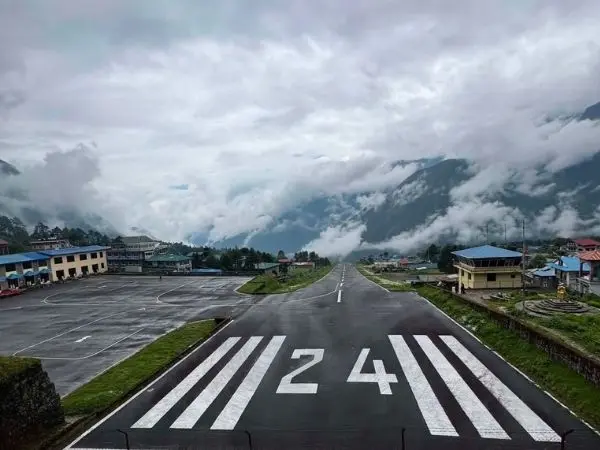
The Lukla flight is the real gateway to the Khumbu, and it's an experience in itself before the trek even starts. From the left window, you get jaw-dropping Himalayan views as the plane climbs out of Kathmandu or Manthali, with the Dudh Koshi valley and surrounding peaks unfolding below. Tenzing-Hillary Airport itself is famous for a reason with its 527-meter runway sits on a 12% uphill slope, with a mountain wall at one end and a steep drop into the valley at the other, which is why it's often called the world's most dangerous airport.
2. Phakding Hiking and Rimijung Monastery Visit: Your First Taste of Sherpa Culture
Phakding Monastery, also known as Rimijung Monastery, is a short but a really rewarding side hike from the village of Phakding at 2,610 m. It is reached by a 20–30-minute uphill walk through local paths and beautiful rhododendron forests. The monastery is home to about ten monks and nuns of the Nyingma School of Tibetan Buddhism, and visitors can here join the daily pooja and meditation sessions. Inside the monastery, travelers can find vibrant Tibetan Buddhist murals, prayer wheels, mani walls, and the fluttering prayer flags. While outside, the hillside offers panoramic views of the Dudh Koshi valley, pine forests, and snow-capped peaks like Thamserku and Kusum Kanguru.
3. Tenzing-Hillary Suspension Bridge: The Most Iconic Photo Stop on the Everest View Trek
The Tenzing-Hillary Suspension Bridge sits between Phakding and Namche Bazaar, which crosses the Dudh Koshi river. It is named after Sir Edmund Hillary and Tenzing Norgay, the first climbers to reach the summit of Everest in 1953. The bridge hangs high above the river, decorated with colorful prayer flags, while the turquoise water rushes far below. It’s one of the best photo stops on the Everest View trek and crossing it marks the start of the steep climb up to Namche.
4. Namche Bazaar and Monastery – The Vibrant Heart of the Khumbu
Namche Bazaar, sitting at 3,440 m, is the vibrant heart of the Khumbu and often called a "mini Thamel" because everything trekkers need like gear rental, bakeries, coffee shops, souvenir stores, pharmacies, ATMs, and lodges is packed into one compact mountain town. It's the perfect place to grab last-minute trekking gear. Beyond the shops, Namche's cafés with terrace views make it ideal for a slow acclimatization afternoon, with Kongde Ri and Thamserku filling the skyline.
In the evening, you can visit Namche Monastery. It is located on northern part of the town, surrounded by prayer wheels along the outer walls, with colorful traditional Tibetan Buddhist artwork and murals inside the main shrine room. Namche Monastery also serves as an active site for daily prayers, meditation, and community gatherings rather than just a random historic site.
5. Namche Bazaar - Sherpa Culture Museum
Sherpa Culture Museum: The Sherpa Culture Museum in Namche Bazaar is one of the important Everest View Trek attractions because it preserves the Sherpa way of life before tourism changed the region. Built in traditional Sherpa design, it houses old artifacts, a family living room, a prayer chapel, and even a downstairs cow stable with yak dung, wood, and hay stores, just like a real Sherpa home. It's a small entrance fee and well worth the time.
Mt Everest Documentation Center: The Mt. Everest Documentation Centre, right alongside the museum, is another major stop on must-see spot-on Everest View Trek. It holds the full history of the Khumbu region, with photo collections of legendary Sherpa climbers like Tenzing Norgay, the first to summit Everest, and Ang Rita Sherpa, who climbed it ten times without supplemental oxygen. Open seven days a week, it's a deep dive into the mountaineering history that shaped this valley.
Sherpa Culture Photo Gallery: The Sherpa Culture Photo Gallery adds a visual layer, showcasing festivals like Dumji, traditional Sherpa weddings, and the Fangnying summer carnival, alongside photos of Sherpa life, farming, yak transport, and village changes over the decades. It's a quick but rich look at how the community has evolved while holding onto its roots.
Sherpa Himal Art: Sherpa Himal Art features the paintings of Nepal's major Himalayan peaks, including all fourteen 8,000-meter mountains, each paired with its history. This collection was the idea of legendary mountaineer Reinhold Messner, and the building was funded through the Messner Mountain Museum Foundation, making it a meaningful addition to the Everest Documentation Centre.
6. Sagarmatha National Park Visitor Centre and the Tenzing Norgay Statue
Sagarmatha National Park Visitor Centre sits on a hill just above Namche Bazaar and is another must-see spot-on Everest View Trek. It is a short uphill walk from the town center near the Sherpa museum and the local Nepal Army barracks. It’s really worth the climb because it offers the life-size bronze statue for Tenzing Norgay Sherpa that stands on a small hill outside, honoring the legendary climber who first summitted Everest in 1953. The views from up here over Namche and surrounding ridges are breathtaking.
7. Hotel Everest View: The Famous Viewpoint Hike Above Namche Bazaar
Hotel Everest View is the single biggest highlight of the whole Everest View Trek, sitting at 3,880 m on the Syangboche ridge above Namche. It holds the Guinness World Record as the world's highest-placed hotel, and its terrace delivers an unobstructed panorama of world’s highest peak Everest (8,848.86 m) including Lhotse, Nuptse, Ama Dablam, Thamserku, and Kongde Ri.
8. Sagarmatha Next Project: Everest Expedition VR, Mountain Art, and Waste-to-Wealth Innovation
Sagarmatha Next located at 3,775 m near Syangboche, is a must-visit place on the Everest View Trek itinerary because it turns Everest's waste problem into something you can actually experience. The center features an Everest Expedition VR simulation built with IVAR Studios, letting you to simulate the experience on the extreme conditions of climbing Everest. You will also find mountain art and a Waste Lab that turns shredded plastics into souvenirs. The major idea is the "Carry Me Back" system, which asks departing trekkers and porters to carry 1-kilogram bags of sorted waste down to Lukla Airport for recycling in Kathmandu.
9. Khumjung Monastery: See the Legendary Yeti Scalp
Khumjung Monastery sits in the Sherpa village of Khumjung, right under the sacred Mount Khumbila, and is one of the most unique places on the Everest View Trek. Inside it holds one of the world’s most famous and controversial mountaineering relics, a supposed Yeti scalp. The monastery is an important spiritual and cultural centre for the local Sherpa community, and the scalp, which many believe comes from the mythical creature, is kept safely under locked glass.
10. Sir Edmund Hillary School in Khumjung: A Living Legacy of Himalayan Education
Edmund Hillary School is located in Khumjung village and was built in 1961 after a Sherpa leader, Urkien Sherpa told Hillary the village's biggest need was a school for their children not a hospital. That request sparked the Himalayan Trust, which went on to build 27 schools, hospitals, bridges, and water systems across the Khumbu. Today, Khumjung Secondary School serves around 270 students from early childhood through Grade 10, and the visitor center’s ticket income helps fund the school directly. Visitors can support education respectfully by donating through established organizations like the Himalayan Trust.
11. Tenzing Norgay Memorial Stupa: A Meaningful Stop on the Way to Tengboche
The Tenzing Norgay Memorial Stupa is one of the more meaningful stops on the Everest View Trek. It was built to honour the legendary Sherpa mountaineer and the Sherpas of Everest. Tashi Tenzing Sherpa, Tenzing’s grandson and a two-time Everest summiteer, inaugurated it on 9 May 2003. There’s a bronze statue of Tenzing Norgay Sherpa holding his ice axe, pointing toward the Everest massif. Travelers can visit this stupa on the way to Tengboche.
12. Tengboche Monastery: Meditation, Monks, and the Best Cultural Experience on the Everest View Trek
Tengboche Monastery is the largest and most important Buddhist monastery in the Khumbu region, which is also a must-visit place on the Everest View Trek itinerary. Founded in 1916 by Lama Gulu, it's the spiritual heart of the Sherpa community. From the monastery travelers get unbelievable panorama of Everest, Lhotse, Nuptse, Ama Dablam, and Thamserku, with Ama Dablam's perfect pyramid rising directly behind. Visitors can also experience the peaceful atmosphere of meditation and observe monks performing their daily spiritual activities. The monastery is also home to the Mani Rimdu festival, the biggest Sherpa celebration in the region which takes place on October or November with masked dances, prayers, and fire rituals.
Final Words
At the end, the Everest View Trek offers a lot into seven days with jaw dropping mountain views, Sherpa culture, monasteries, and high-altitude trails, without the two-week commitment of the full Base Camp trek. From the Lukla flight and Phakding Monastery to Namche Bazaar, the Hillary Bridge, Khumjung, and Tengboche, each stop really adds something you won't find anywhere else.
Whether you are chasing mountain views, cultural depth, or a taste of the Khumbu without going all the way to Base Camp, this trek delivers all perfectly. With Mount Face Nepal, your journey becomes much easier with licensed and experienced local guides, smooth logistics, and reliable partner.