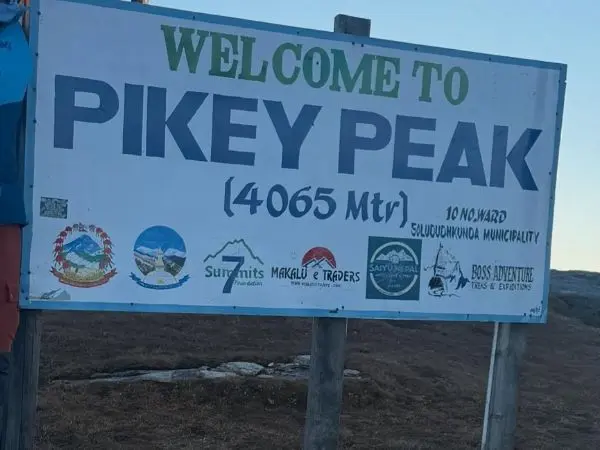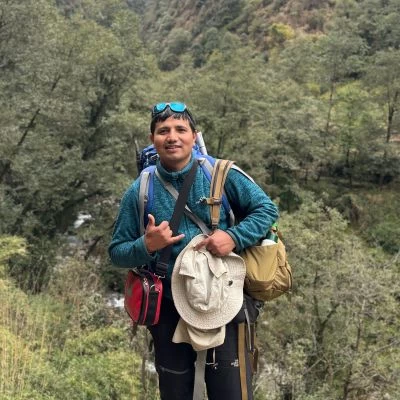
The Annapurna Base Camp Trek Difficulty is a moderate Himalayan journey that normally takes 7–11 days and covers about 60 km round trip, depending on where you start and which route you take. The highest point is 4,130 m at base camp itself, and most days involve 5–7 hours of walking through villages, forests and river valleys. It’s non-technical so you don’t need any climbing skills but you do need decent fitness and a fair bit of endurance to complete the trek successfully.
The real ABC Trek difficulty is the terrain more than the distance. There are long stretches of stone stairs, plus plenty of steep ups and downs that can leave your knees really tired. Altitude starts to matter once you get above 3,000 m, so the final climb to base camp often feels harder than the actual distance. With steady pace and allowing proper acclimatization, most reasonably fit trekkers can manage it comfortably.
Overall, Annapurna Trek Difficulty sits somewhere in the middle, tougher than a gentle walking holiday, but nowhere near as demanding as Everest Base Camp. It rewards travelers with those dramatic views of Annapurna I, Macchapuchhre and the whole sanctuary without needing extreme fitness or mountaineering experience. With experienced guides from Mount Face Nepal handling the route, pacing and logistics, the trek becomes far more manageable and enjoyable from start to finish.
How Difficult is the Annapurna Base Camp Trek?
The Annapurna Base Camp Trek Difficulty is rated moderate, but it still can be demanding for many trekkers. Most days involve 5–7 hours of walking, often on steep stone steps and uneven trails that test your stamina more than the distance does. The climb to base camp at 4,130 m brings thinner air, so even fit trekkers feel the difference in the last few days.
What makes it feel tough is the combination of long ascents, sharp descents and the altitude creeping up gradually. The stone stairs around Chhomrong and the final stretch to base camp feels harder. Still, it is non-technical and with steady pacing, proper acclimatization and decent fitness, most trekkers finish it without major issues.
Is Annapurna Base Camp Trek Suitable for First-Time Trekkers?
Yes, the Annapurna Base Camp Trek is suitable for first time trekkers, as long as you are well prepared and taking help from an experienced guide. It doesn’t require any technical climbing skills, and the comfortable teahouses along the way means you don’t need camping gear or self-sufficiency, making it popular choice for first timers. Having a guide with you really makes a big difference too, because they handle navigation, permits, accommodation, and spot early signs of altitude sickness before it becomes a serious problem.
Can Beginners Do the Annapurna Base Camp Trek?
beginners can absolutely do the Annapurna Base Camp Trek with the right preparation. The route is non-technical and doesn’t require any climbing skills, but it does demand decent fitness since you will be walking 5-7 hours a day on steep stones and uneven trails. A few weeks of regular walking, cardio, and leg strengthening exercises before the trip make a big difference in how manageable the trek feels on the ground.
Having experienced guides from Mount Face Nepal makes the whole trip feel a lot safer and more enjoyable if it’s your first time. They take care of the pacing, acclimatization, permits and teahouse bookings, so you can just concentrate on walking and enjoying the views without worrying about the logistics. Stick to a steady pace, bring the right gear and go with a guide who really knows the trail, and even someone new to Himalayan trekking can finish the ABC Trek and walk away feeling of incredible sense of achievement of what they’ve done.
Which Is the Hardest Day on the Annapurna Base Camp Trek?
The hardest day on the Annapurna Base Camp Trek is usually the push from Himalaya to ABC and then the descent toward Bamboo, depending on the itinerary. The climb to base camp at 4,130 meters is steady uphill climb, with the air getting noticeably thinner as you go. By the time we reach the sanctuary, your legs are heavy and every step feels slower than the day before.
The terrain up here is a real mix of rocky paths, loose gravel and that moraine-like ground, so the footing feels a lot more uncertain than the forested stretches lower down. The views of Annapurna I, Macchapuchhre and the peaks all around are still stunning and worth it, but the cold wind and thinner air make the whole thing feel harder. Coming down after time at base camp is equally demanding on the knees as long runs of stone steps and uneven ground keeps testing your balance and stamina the whole way until you finally reach Bamboo for the night.
Annapurna Base Camp vs Annapurna Circuit Trek: Which Is Harder?
The Annapurna Base Camp Trek and the Annapurna Circuit Trek differ significantly, mostly because of altitude, overall distance and daily walking hours. ABC has some steep climbs with fewer days, while the Circuit means longer days on the trail and the tough crossing of Thorong La Pass at 5,416 m.
| Feature | Annapurna Base Camp (ABC) | Annapurna Circuit (ACT) |
| Duration | 7–11 days (typical 10–11). | 14–21 days (typical 14–17). |
| Total Distance | Around 60 Km | 160-230 Km |
| Maximum Altitude | 4,130 m (13,550 ft) at ABC. | 5,416 m (17,769 ft) at Thorong La Pass |
| Difficulty | Moderate, steady climbing, stair-heavy sections. | Challenging, long days plus high-pass and crossing. |
| Altitude Risk | Lower, gradual ascent, still possible above 3,500 m. | Higher, genuine high altitude pass crossing. |
| Route Type | Out and back into Annapurna Sanctuary. | One way loop around the Annapurna Massif. |
| Best for | Shorter trips, beginners, photographers, families | Experienced trekkers seeking variety and high-altitude challenge. |
| Typical Cost | Starting from $920 | Starting from $1313 |
| Key Highlights | Annapurna Sanctuary, Macahapuchhre, Annapurna I, hot springs at Jhinu Danda | Thorong La, Manang, Muktinath, diverse landscapes from |
Annapurna Base Camp vs Everest Base Camp Trek: Which Is Harder?
The Everest Base Camp Trek is generally harder than the Annapurna Base Camp Trek because of the higher altitude, longer overall length and tougher daily walking. EBC presents more altitude challenges, so you need better endurance and proper acclimatization to handle it.
| Feature | Annapurna Base Camp (ABC) | Everest Base Camp (EBC) |
| Duration | 7–12 days | 12–14 days (typical 14 with acclimatization). |
| Total Distance | Around 60 Km | 130 km round trip. |
| Maximum Altitude | 4,130 m (13,550 ft) at ABC. | 5,364 m at EBC, 5,545 m at Kala Patthar. |
| Difficulty | Moderate, steep stone steps but lower altitude. | Challenging, sustained high altitude and longer days. |
| Altitude Risk | Lower, most nights below 3,500 m. | Higher, multiple nights above 4,000 m. |
| Starting Point | Pokhara → Nayapul / Ghandruk (drive or short flight). | Kathmandu → Lukla (mandatory flight). |
| Typical Cost | USD 700–1,200 per person | USD 1,300–2,000 per person |
| Key Highlights | Annapurna Sanctuary, Machapuchare, Annapurna I, Jhinu hot springs. | Everest views, Kala Patthar sunrise, Sherpa culture, Namche Bazaar. |
| Best For | Beginners, shorter trips | For trekkers seeking high altitude and iconic Everest views. |
| Best Seasons | Spring (Mar–May) and Autumn (Sep–Nov) | Spring (Mar–May) and Autumn (Sep–Nov). |
Can You Trek Annapurna Base Camp Solo? 2026 Guide Rules & Safety
No, you cannot trek solo without a guide on the Annapurna Base Camp route, because hiring a licensed guide is mandatory under Nepal's trekking regulations on this region. Since 2023, Nepal requires all foreign trekkers in the Annapurna Conservation area to be accompanied by a licensed guide from a registered agency. This rule exists because the trail involves steep stone steps, changing weather and altitude above 4,000 m, where having someone who knows the terrain and can respond to problems very quickly makes a real difference in safety.
Beyond the legal requirement, an experienced guide genuinely helps with the difficulty of the trek. They manage pacing, acclimatization, navigation, and teahouse bookings, so you can focus on walking rather than logistics. With a Mount Face Nepal experienced guide, you also get local knowledge of the route, weather patterns, and the cultural context, which really makes the journey much smoother and enjoyable for you. Having guide is not just about following the rules, but it is also about having the right support to handle the trail’s real challenges.
Annapurna Base Camp Trek Trail Surface & Terrain: What Makes It Hard?
The major Annapurna Trek Difficulty is trekking trail itself. The trail on the Annapurna Base Camp Trek changes a lot as you climb, starting with dirt paths, terraced fields, and forest trails before turning into long stone staircases and rocky ground higher up. You will cross suspension bridges over mountain streams and walk through rhododendron and bamboo forests in the lower sections, then hit steeper, more exposed terrain near Chhomrong and beyond.
As you get closer to the base camp, the path becomes rugged and alpine, with moraine, patches of snow or ice depending on the season, and open ground that feels more exposed to wind and cold. Overall, it’s a mix of forest, river valley and glacial terrain that keeps the trek varied but demanding underfoot.
What is the Highest point on Annapurna Base Camp Trekking journey?
The highest point on the Annapurna Base Camp Trek is the base camp itself, at 4,130 m (13,550 ft) inside the Annapurna Sanctuary. This is where the Annapurna Base Camp Trekking difficulty really shows up, not because of any technical climbing, but from the steady climb up and rugged ground that builds over several days. By the time you reach the sanctuary your legs have already handled thousands of stairs and long ascents, so the final stretch feels like the real payoff for all that effort.
Altitude Sickness Risk on Annapurna Base Camp Trek: How Serious Is It?
Altitude Sickness on the Annapurna Base Camp Trek carries a moderate risk, because the trail drops at 4,130 m and the final stretch from Deurali or Himalaya to base camp involves a sharp gain in elevation. Symptoms like headache, dizziness, nausea and fatigue can appear as you climb past 3,000 m, especially on those Annapurna Base Camp Trek itinerary that push higher quickly. While it is less risky than Everest Base Camp or the Annapurna Circuit, it is still something to take seriously, since the sanctuary’s rapid vertical gain can catch trekkers off guard.
How to Avoid Altitude Sickness on Annapurna Base Camp Trek?
The best way to stay safe from altitude sickness on the Annapurna Base Camp Trek is to walk slowly and giving your body an enough time to adjust with the altitude. Choose an itinerary that spreads out the elevation gain instead of rushing straight towards the base camp. Also, drink plenty of water throughout the day, eat regular meals, and skip alcohol and smoking as they both make it harder for your body to adapt.
Spending an extra night at a lower village or taking a short acclimatization walk to a higher point before sleeping at lower point also help a lot. Most importantly listen to your body and if you start feeling unwell, inform your guide immediately, and rest or drop to a lower altitude instead.
Best Time for Annapurna Base Camp Trek: Month-by-Month Difficulty & Weather
The best time for the Annapurna Base Camp Trek is during spring (March to May) and autumn (September to November) season. During these seasons, weather is stable, the trails are dry, and the mountain views are at their clearest. Spring brings rhododendron blooms along the lower sections, while autumn offers the sharpest visibility of the year after the monsoon clears.
However, trekking in wrong season increases the overall Annapurna Trek Difficulty. In winter (December to February), snow and ice build up above Deurali, making the upper trail slippery and sometimes requiring microspikes, with night temperatures dropping below freezing point. During monsoon (June to August), heavy rain turns the stone steps and forest paths muddy and slick, which raises the landslide risk and bring leeches in the lower sections, so both seasons add real challenges on top of the normal ABC Trekking Difficulty.
Can You Do Annapurna Base Camp Trek in 7 Days?
Yes, you can do the ABC Trek in 7 days, but it feels a bit hurried since the standard route usually takes 7-11 days. The 7-day Annapurna Base Camp Trek version typically runs from Pokhara to Ghandruk on day one, then Chhomrong, Dovan, Deurali and finally Annapurna Base Camp by day four, before retracing your steps back down through the same valley and finishing at Jhinu Danda and then Pokhara by day seven.
The main ABC Trek difficulty on this itinerary is that you skip the usual acclimatization stops like a rest day at Macchapuchhre Base Camp, so the climb from Deurali to ABC happens faster than your body might prefer. However, 7-day Annapurna Base Camp Trek works if you are reasonably fit and short on a time, but it’s higher than the classic itinerary and only leaves the little room for delays.
How Many Hours Do You Walk Each Day on Annapurna Base Camp Trek?
During Annapurna Base Camp Trek, you need to usually walk about 5 to 7 hours of walking each day. However, it can stretch to 8 or even 9 hours on the longer days, especially when you are descending from base camp or covering more ground on a tighter itinerary. Most days start early, around 7 or 8 in the morning, with a lunch break at a teahouse partway through before pushing on to the next stop. The exact time varies depending on the route, how steep the section is and traveler’s pace.
Annapurna Base Camp Trek Preparation Plan: Fitness, Training & Packing
Getting ready for your Annapurna Base Camp trek starts a few months before with building up your fitness, since you will be walking 5 to 7 hours a day on uneven ground. Focus on cardio like jogging, cycling, or brisk walking to build stamina. And add strength work for your legs and core squats, lunges and stair climbing as they are especially useful given all the stone steps on the trail. Doing practice hikes with a loaded backpack, ideally on hilly terrain, helps your body get used to the real thing.
Beyond fitness, make sure that your gear is solid too with sturdy boots, layered clothing for changing weather, a warm sleeping bag, trekking poles and a daypack with water, snacks and a first aid kit. Also carry enough cash since ATMs is hard to found after passing Pokhara and also keep your pack light. With all this preparation, trekkers can significantly reduce the difficulty of the Annapurna Base Camp Trek.
Tea house and Food difficulty on Annapurna Base Camp Trek
Teahouses on the Annapurna Base Camp Trek are pretty basic but comfortable enough, offering a bed, attached bathroom (shared bathroom on higher altitudes) and a communal dining area where everyone gathers around a stove in the evening. The real difficulty isn’t finding a place to sleep, it is that rooms get basic as you go higher. So don’t forget to carry good sleeping bag for the cold nights.
Food is another challenge on ABC Trekking Difficulty. Since everything above the road has to be carried up by porters or mules, which means menus shrink and prices climb as you gain altitude. Lower down you will find a decent mix of Nepali and western dishes like pizza, pasta and momos. But after passing Chhomrong the options narrow to dal bhat, noodles, soups and eggs, with meat mostly off the menu due to the Annapurna sanctuary’s no-kill rule.
Which Annapurna Base Camp Trek Route Is Easiest? Route Difficulty Compared
The easiest route to Annapurna Base Camp is the direct route via Ghandruk, which skips the Poon Hill detour and heads straight through Ghandruk, Chhomrong and up the Modi Khola valley to base camp. It’s shorter than the classic Poon Hill route, cutting out the brutal Ulleri stone staircase climb on day one, and spreads the elevation gain more evenly across the days.
That said, “easiest” is relative, the final push from Deurali to ABC is still steep and demanding no matter which way you come in. The direct route just removes the extra climbing and distance upfront, making it the gentler option overall if you want to reach base camp without the added Poon Hill journey.
Final Words
The Annapurna Base Camp Trek is one of those journeys that stays with you long after your complete the journey. From the terraced fields and lush rhododendron forests at the start to the moment you step into the sanctuary and see Annapurna towering right in front of you, every day brings something different. It’s not the easiest trek, but that what makes reaching the base camp feel so earned.
If you prepare properly, pick the right season, take the altitude seriously, and choose reliable agency like Mount Face Nepal, then ABC Trek Difficulty is absolutely manageable even for a first-timer. The teahouses, the warm hospitality of the Gurung villages, and the shared meals with fellow trekkers, these all add up to something more than just a hike. Whether you go for the views, the challenge, or the culture, this trek delivers perfect memories that will last for a lifetime.