Nepal isn’t just about Everest, rather its diverse Himalayan landscape is home to several accessible trekking peaks that offer unforgettable climbing experiences for adventurers of all skill levels.
Nepal Peak Climbing Overview: What You Need to Know Before You Go
Standing on a high Himalayan summit above 6,000 meters as the first rays of sunlight strikes into Everest, Lhotse, Makalu, and countless snow-covered giants is once in a lifetime experience that remains unforgettable for every adventurer. Peak climbing in Nepal offers this rare opportunity for travelers where they can step beyond traditional hiking and enter into the exciting world of mountaineering. Known for its accessible yet rewarding trekking peaks Nepal, Nepal has become a dream destination for climbers all around the world who are seeking both challenge and breathtaking Himalayan landscapes in single journey. This guide explores the Best Peak climbing destination in Nepal, and features Island Peak (6,189m), Lobuche Peak (6,119m East), Mera Peak (6,476m), Yala Peak (5,500–5,732m), and Pisang Peak (6,091m).
mountains represent the perfect balance of adventure, scenery, and achievement, making them among the best 5 peak climbing destination in Nepal for climbers of different experience levels. From the famous Everest region routes of Mera, Island, and Lobuche to the cultural trails of Yala and the dramatic ridges of Pisang, each peak here in Nepal offers a unique journey with awe inspiring Himalayan summit views. Whether you are searching for a beginner peak climbing Nepal opportunities or more demanding alpine adventures, these peaks perfectly delivers it to you while showcasing why Nepal remains the Best peak climbing destination in the world for aspiring mountaineers.
Nepal Trekking Peaks Comparison Table: How to choose the right Peak Climbing for you
| Peak | Altitude (meters) | Difficulty | Region | Best Season | Cost (USD) | Days | Best For |
| Island Peak | 6,189 m | Moderate | Everest | Spring Autumn | $1,500–$2,200 | 14-18 days | Classic intro climb, Panoramic Everest views, most popular, training for bigger peaks. |
| Lobuche Peak | 6,119 m | Moderate to Challenging | Everest | Spring Autumn | $1600-$2400 | 12-18 days | Real mountaineering challenge, steeper, more technical. |
| Mera Peak | 6,476 m | Moderate | Makalu | Spring Autumn | $1,700–$2,500 | 14-17 days | Highest summit (6,476 m), remote, non technical, five 8,000 m above mountain views. (Everest, Lhotse, Makalu, Kanchenjunga, Cho Oyu) |
| Yala Peak | 5,732 m | Easiest | Langtang | Year Around | $1,200–$1,800 | 12-14 days | Easiest climbing, no technical skills required, Langtang region, budget friendly. |
| Pisang Peak | 6,091 m | Moderate | Annapurna | Sprin Autumn | $1,400–$2,100 | 14-18 days | Annapurna region Trek, combined with Annapurna Circuit, less crowded than Everest peaks. |
Why Choose Peak Climbing in Nepal? Reasons Every Climber Must Know
Nepal is home to 8 of the world’s 14 peaks above 8,000 meters including the mighty Mount Everest. Nepal offers some of the most rewarding Peak Climbing in Nepal experiences where climbers can fully enjoy the spectacular mountain scenery, rich local culture and the well-established climbing routes. From Himalayan sherpa villages and ancient monasteries to glaciers and high mountain passes, every journey combines adventure with the cultural discovery. The growing popularity of Nepal Himalayan trekking peaks and the support of experienced agencies like Mount Face Nepal, tea houses and logistics teams makes Nepal one of the most accessible and successful destinations for high altitude climbing Nepal.
Nepal offers so many options, making it suitable for almost every experience level. Beginners can choose Island Peak and Yala Peak, while experienced climbers pursue for more demanding summits across the Everest and Annapurna regions. Most of the Nepal Mountaineering Association peaks have well managed routes, established camps, and professional support systems which definitely increases the success rates. Compared to other mountain climbing, peak climbing in Nepal is much more affordable, while still providing the world class and panoramic mountain views, best services, permit support and as well as expert guidance. Weather, you are an adventure traveler, a first time climber, or someone who are seeking for a greater challenge, Nepal perfectly delivers you an unforgettable mountain experiences with breathtaking Himalayan summit views and a deep sense of achievement after reaching the summit.
As a trusted and government-registered adventure company in Nepal, we Mount Face Nepal specializes in professionally guided peak climbing expeditions across Nepal. With our experienced guides, quality equipment, and a strong commitment to safety and client satisfaction, we help climbers to achieve their once in a lifetime Himalayan goals with confidence. Contact Mount Face Nepal now to learn more about our peak climbing packages or to plan your next adventure into the Himalayas.
Island Peak Climbing, Nepal: Complete Guide for Beginners & Trekkers
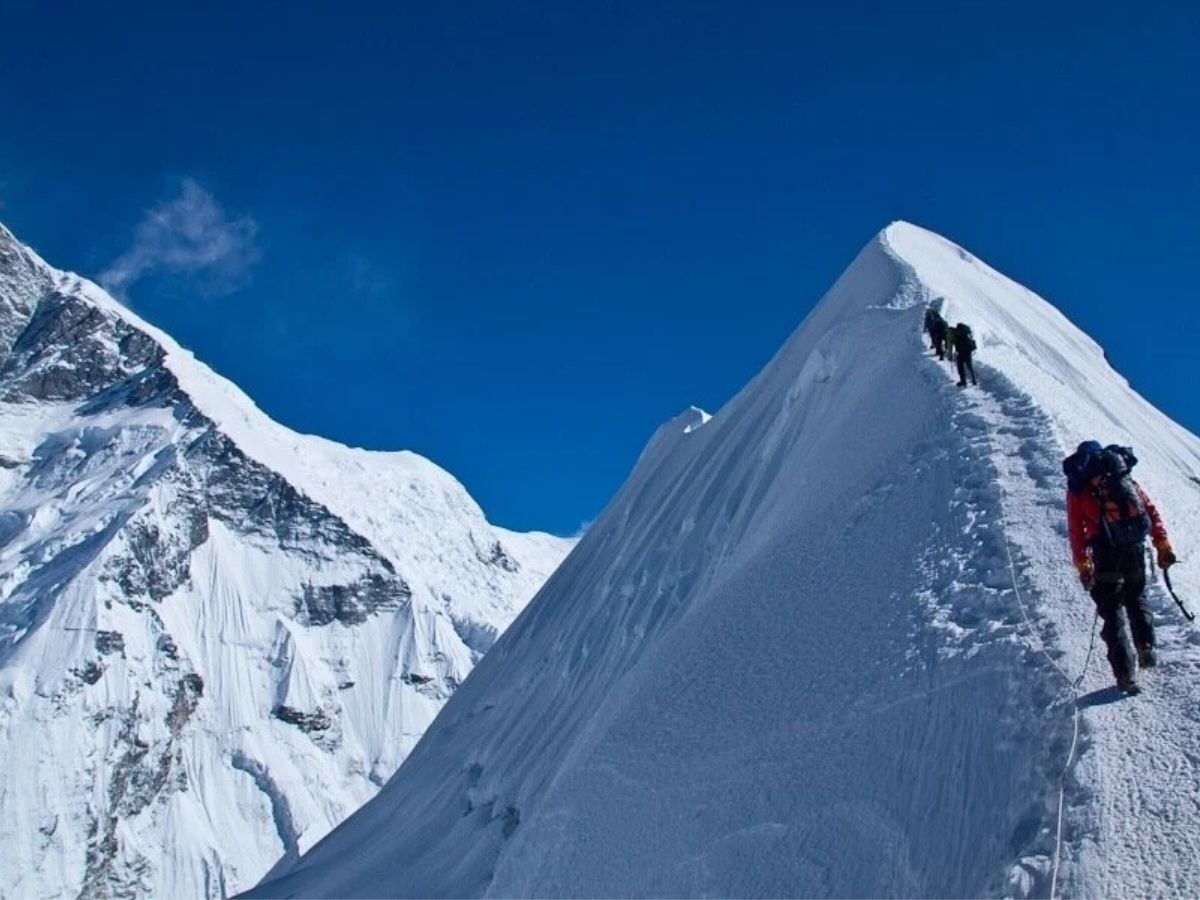
Peak Climbing is one of the most popular and rewarding adventure in the Everest region eastern Nepal. The peak rises to an altitude of 6,189 meters and is famous for its dramatic glacier approach, steep headwall and also an unforgettable summit ridge where climbers are rewarded with the breathtaking and unreal views of Everest, Lhotse, Makalu, Ama Dablam and Baruntse. As Peak is one of the finest Everest region experiences, the route begins from Chukhung and passes Base camp at 5,087 m before we cross the glaciers and steep snow slopes that is up to 50 degrees. The climbing is considered as PD+ meaning introductory to moderate alpine route that only requires basic mountaineering skills. Meanwhile, the use of crampons, ropes, ascenders and ladders helps to introduce climbers to real technical climbing Nepal and one of the most exciting 6000 m peaks Nepal has to offer.
Island Peak Climbing Highlights: What Makes It a Must-Climb in Nepal
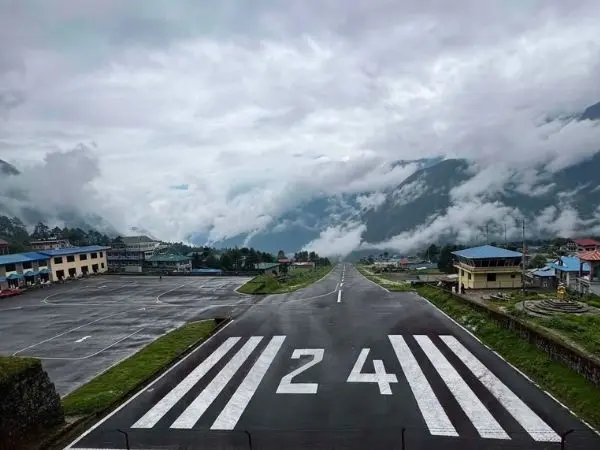
- Scenic Lukla Flight: Enjoy a spectacular aerial journey from Kathmandu to Lukla, that offers magnificent panoramic views of the rugged Himalayan terrain.
- Kala Patthar Vista: Experience unmatched, unreal and close-up perspectives of Mt. Everest's massive south face from this iconic, making it as the world-famous high-altitude viewpoint.
- Sherpa Cultural Immersion: Journey through ancient and high-altitude settlements to discover the authentic traditions, unique lifestyle, and hospitality of the Sherpa.
- Summit Glacier Panoramas: Enjoy awe-inspiring, 360-degree views of vast glacial systems and towering peaks from the crest of Imja Tse.
Island Peak Climbing Itinerary (16–19 Days): Day-by-Day Route Plan
| Day | Route | Altitude (m) | Altitude Change | Duration |
| 1 | Arrival in Kathmandu | 1400m | | |
| 2 | Fly from Kathmandu to Lukla than trek to phakding | 2,650 m | +1310m | 5-6 h |
| 3 | Trek: Phakding-Namche Bazaar | 3,440 m | +790m | 8-9 h |
| 4 | Acclimatization Day in Namche | 3,440 m | 0m | 3-4h |
| 5 | Trek: Namche- Tengboche | 3,860 m | +420n | 6-7 h |
| 6 | Trek: Tengboche-Dingboche | 4,410m | +550m | 6-7h |
| 7 | Acclimatization Day in Dingboche | 4,410 m | - | - |
| 8 | Trek: Dingboche - Chhukung | 4,730m | +320m | 3-4h |
| 9 | Acclimatization Day in Chhukung | - | - | - |
| 10 | Trek: Chhukung -Island Peak Base Camp | 5,100m | +370m | 4-5 h |
| 11 | Acclimatization at Base Camp | 5100m | - | - |
| 12 | Trek: Base Camp - High Camp | 5,540m | +440m | 4-5h |
| 13 | Summit Day: High Camp - Island Peak (6,189m) - Base Camp | 6,189m 5,100m | | |
| 14 | Trek: Base camp - Pangboche | 3,930m | -1,170m | 7-8 h |
| 15 | Trek: Pangboche - Namche Bazaar | 3,440m | -490m | 5-6h |
| 16 | Trek: Namche Bazaar- Lukla | 2,860m | -580m | 8-9 h |
| 17 | Fly: Lukla -Kathmand | 1400m | -1460m | 2 h |
| 18 | Departure home | - | - | - |
Island Peak Summit Day (6,189m): What to Expect on Climbing Day
| Time | Activity |
| 03:00- 04:00 AM | Start from High Camp (4,100m) |
| 04:00-07:00 AM | Hike to base of ice wall (5,800m) |
| 07:00-09:00 AM | Climb 40m vertical ice wall (fixed ropes, crampons |
| 09:00–11:00 AM | Traverse ridge to summit (6,189m) |
| 11:00 -12:00 PM | Summit Point, celebration, (360° views: Everest, Lhotse, Makalu, Ama Dablam |
| 12:00-04:00 PM | Descend to High Camp, then to Base Camp |
| 4:00- 06:00 PM | Rest, celebrate |
Lobuche Peak Climbing, Nepal: Full Guide, Route & Difficulty
Lobuche Peak Climbing Nepal is one of the most exciting and challenging adventures in the Everest region. It rises to an altitude of 6,119 meters (20,075 ft) near Khumbu Pasanglhamu Rural Municipality. Along with Island Peak, it is regarded as one of the most popular trekking peaks in Nepal where climbers can enjoy the spectacular views of Everest, Lhotse, Makalu and the surrounding Himalayas. This Everest region climbing route begins from Lukla and passes through various Lobuche Village, Base Camp at 5,000m and High Camp at 5,500m before we ascend to steep ice walls, exposed ridges and crevassed glaciers. Lobuche Peak climbing difficulty is rated between PD+ and AD, and the climb requires crampons, ice axes, Jumar devices and rope work. This makes Lobuche peak climbing one of the finest examples of technical climbing Nepal for climbers who are seeking for a more demanding Himalayan challenge.
Lobuche Peak Climbing: Key Highlights
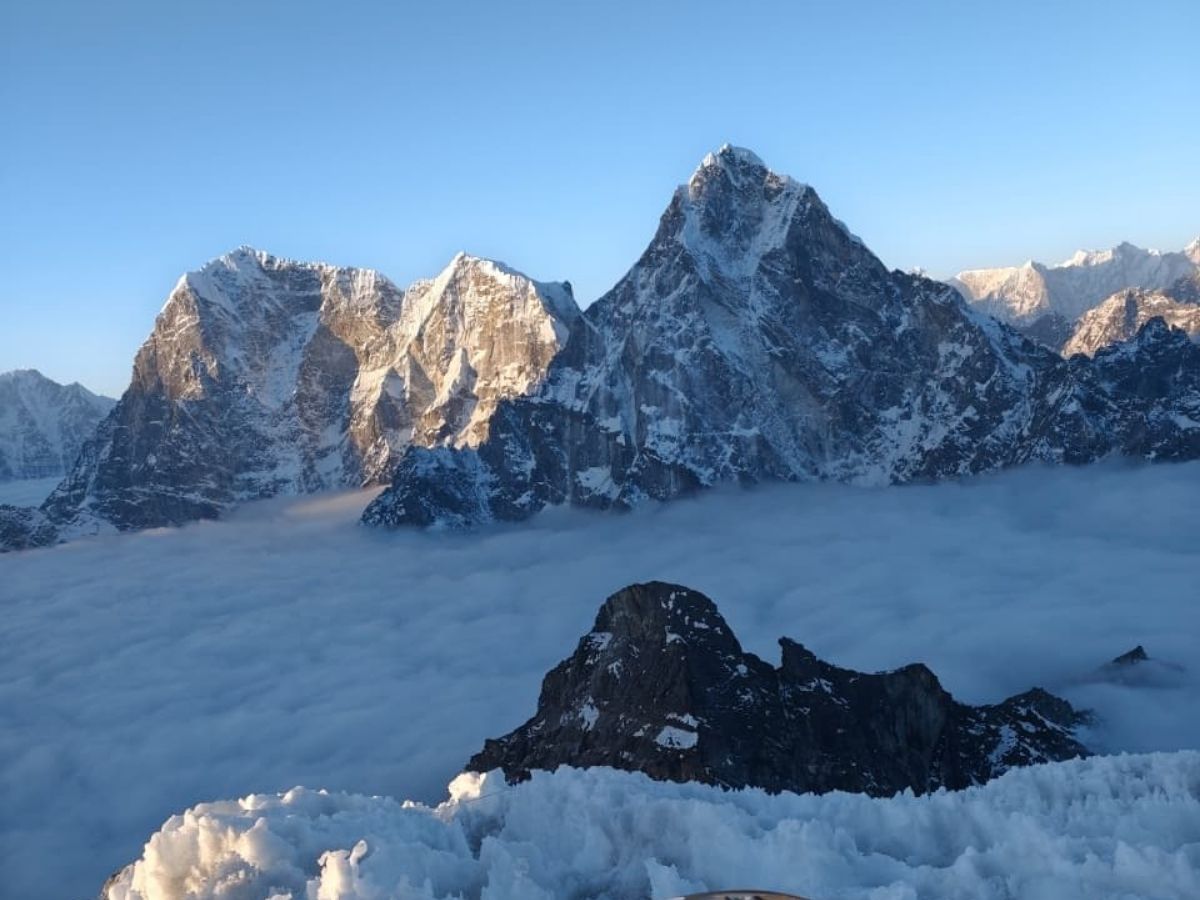
- Summit Views: Get chance to witness on the top of the peak to witness a giant and jaw dropping view of Everest, Lhotse, Nuptse, Makalu, and Ama Dablam.
- Witness Kala Patthar Sunrise: Walk up to the famous Kala Patthar viewpoint to witness an unforgettable sunrise over the world's highest mountains.
- Diverse Climbing Routes: Trekkers will get an experience of an exceptionally versatile alpine terrain that offers multiple established routes.
- Authentic Sherpa Culture: Get chance to engage deeply with the local alpine heritage while experiencing the classic stone architecture, ancient lifestyles, and heartfelt mountain hospitality.
- High altitude training ground: Learn and practice the basic climbing skills, making this trip as the perfect step before trying much higher mountain climbs.
- Lobuche Peak Climbing Itinerary: Complete Day-by-Day Schedule
Lobuche Peak Summit Day (6,119m): Detailed Climbing Day Breakdown
| Time | Activity |
| 03:00 AM | Start from High Camp (5,200 m) |
| 03:00 -06:00 AM | Hike to steep icy slope base (5,600m) |
| 6:00 -10: 00 AM | Climb 50–60° steep ice route with fixed ropes, crampons, and ice axe |
| 10:00-12:00 PM | Traverse rocky ridge to summit (6,119m) |
| 12:00-1:00 PM | Point (360° views: Everest, Lhotse, Nuptse, Ama Dablam, Makalu) |
| 1:00-7:00 PM | Descend to High camp and to Base Camp |
| 7:00-9:00 PM | Rest, Celebrate and Enjoy hot dinner |
Mera Peak Climbing Nepal: Everything You Need to Know
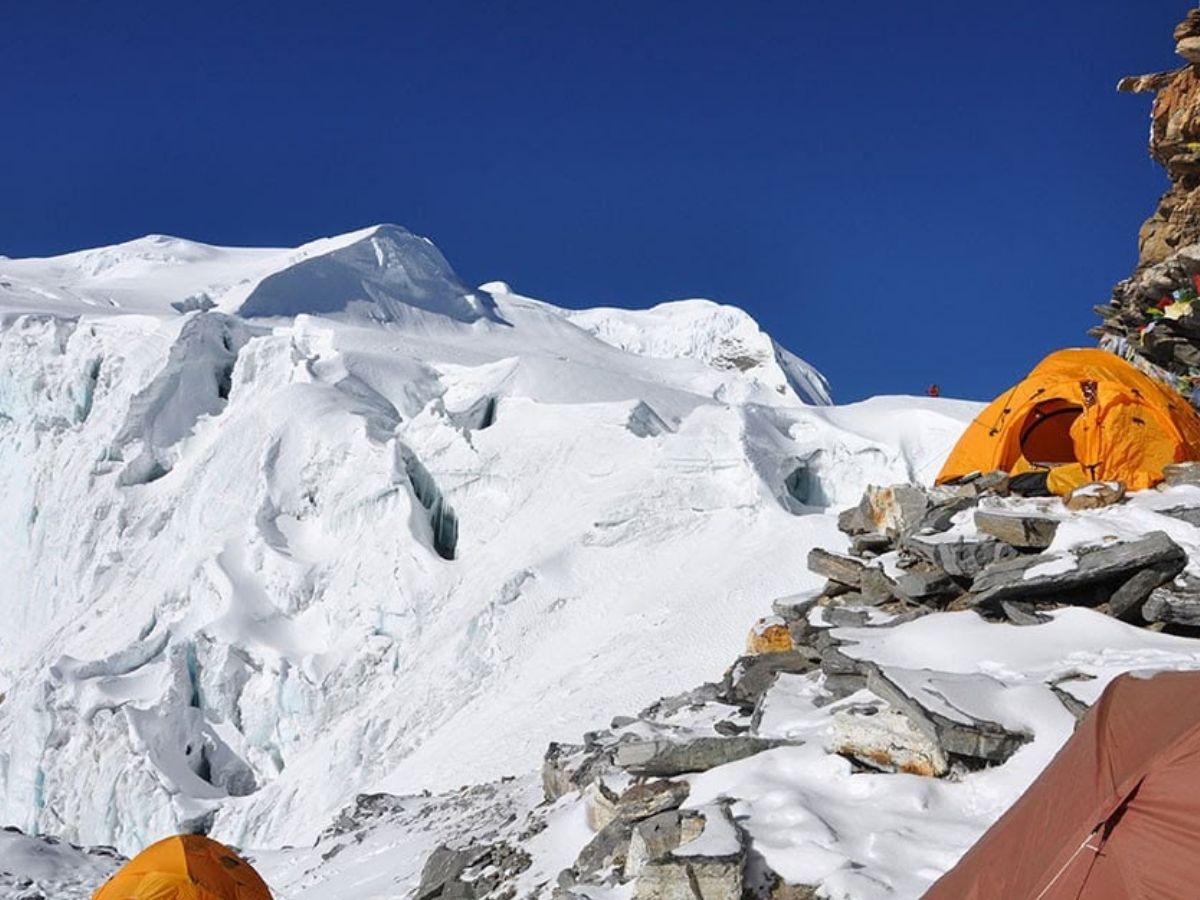
Mera Peak Climbing Nepal is one of the most rewarding mountain adventures that stands at an altitude of 6,476 meters (21,247 ft) and is recognized as the highest among the trekking peaks Nepal. Located in the Mahalangur section of the Himalayas, Mera Peak consists of three summits which includes Mera North (6,476m), Mera Central (6,461m) and Mera South (6,065m). This 6000m peaks Nepal experience is moderately challenging but non-technical where climbers use basic mountaineering equipment such as crampons, ice axes and ropes. The northern standard route follows high altitude glacier terrain and rewards climbers with spectacular views of Everest, Kangchenjunga, Lhotse, Makalu and Cho Oyu which makes it one of the finest choices for beginner peak climbing Nepal and aspiring mountaineers seeking their first Himalayan summit.
Mera Peak Climbing Highlights: Why It's Nepal's Most Popular Trekking Peak
- Nepal's Highest Trek: Climb to the highest permitted trekking peak in Nepal (6,476 meters), sitting perfectly to the south of Mt. Everest.
- Quiet Scenic Trail: Walk through a less crowded path that is filled with green terraced hills, beautiful flower forests, and the quiet Sherpa villages.
- Easier Alpine Climb: Enjoy a technically simpler and easier high-altitude climb compared to other major peaks in this region.
- Highest Mountain Summit View: Look out from the high glacier to witness a massive view of five of the world's highest mountains Mount Everest (8,848m), Kangchenjunga (8,586m), Lhotse (8,516m), Makalu (8,485m) and Cho Oyu (8,201m).
- Mera Peak Climbing Itinerary: Full Day-by-Day Route Guide
Mera Peak Summit Day (6,476m): Hour-by-Hour Key Summit Day Detail
| Time | Activity |
| 3:00 – 4:00 AM | We will start early in the morning from the High Camp (5,780 m) |
| 4:00 – 7: 00 AM | Glacier walk, gentle slopes to 6,200m |
| 7:00–10:00 AM | Climbing towards Mera Peak summit |
| 10:00 – 11:00 AM | Summit Point, Enjoy 360 degree panoramic views of Everest 8,849m, Lhotse 8,516m, Makalu 8,485m, Kanchenjunga 8,586m, Cho Oyu 8,188m |
| 11:00–5:00 PM | Descend to Khare (5,045m) |
| 5:00–7:00 PM | Rest and Celebrate |
Yala Peak Climbing Nepal: Beginner-Friendly Guide & Route Overview
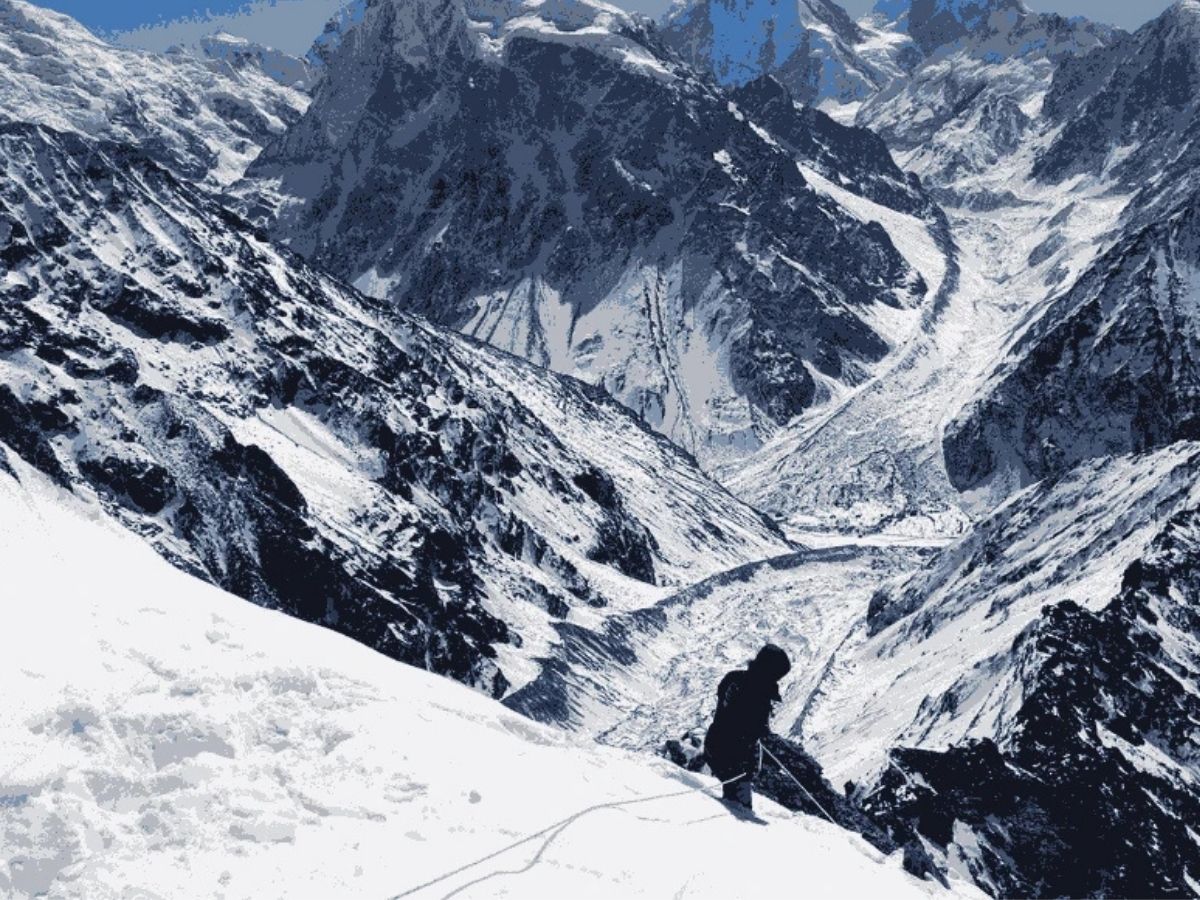
Yala Peak Climbing Nepal is one of the easiest and most rewarding mountain adventures in the Langtang region which rises to an altitude of around 5,500 meters and is widely recognized as an ideal choice for beginner peak climbing Nepal. Located north of Kathmandu near the Tibetan border, this Langtang peak climbing experience follows a non-technical route from Kyanjin Gompa through Yala Kharka Base Camp where climbers pass forests, traditional villages, gompas, chortens and colorful prayer flags. With a success rate of more than 95 percent, no special climbing permit requirement and spectacular views of Shishapangma, Langtang Lirung, Dorje Lakpa and surrounding peaks, Yala Peak remains one of the finest trekking peaks Nepal for travelers seeking a short Himalayan summit experience without technical climbing difficulties.
Yala Peak Climbing Highlights: Top Reasons to Climb This Hidden Gem
- Breathtaking Himalayan Range Views: Get chance to witness the giant and clear views of famous mountain peaks like Ganesh Himal, Langtang Lirung, Dorje Lakpa, and Ganjala.
- Easy Village Trek: Follow one of Nepal’s relatively easy trekking routes, passing through peaceful valleys, traditional settlements, and beautiful mountain landscapes.
- Shishapangma Viewpoint: Stand at a great spot to look at Shishapangma, the tallest mountain located fully inside of Tibet and the lowest of the 14 eight-thousanders.
- Tamang Culture Search: Visit traditional Tamang villages, interact with local communities, and also discover their unique culture, customs, and distinctive architectural style.
Yala Peak Summit Day (5,732m): What to Expect on the Summit Day
| Time | Activity |
| 4:00 AM | Start from Yala Kharka (4,500m) |
| 4:00–7:00 AM | Rocky/scrambling trail uphill to 5,200m |
| 7:00–9:00 AM | Final steep rocky section to summit (5,732m) |
| 9:00–10:00 AM | Summit Point, enjoy 360° views of Langtang Lirung, Ganchempo, Langshisha Ri, Naya Kang, Dorje Lakpa, Ganja-la Peak, Shishapangma and more |
| 10:00–4:00 PM | Descend to Kyanjin Gompa (3,800m) |
| 4:00–6:00 PM | Celebrate and Rest |
Pisang Peak Climbing, Nepal: Complete Route, Difficulty & Itinerary Guide
Pisang Peak Climbing Nepal is one of the most popular mountain adventures in the Annapurna region. Standing at an altitude of 6,091 meters (19,984 ft), north of Manang Valley near the Tibetan border, it was first climbed by a German mountaineering team in 1955 and is widely regarded as one of the best Annapurna peak climbing experiences and among the most accessible trekking peaks Nepal. The route follows the Annapurna Circuit through Pisang Village to Base Camp at 4,380m and High Camp at 5,400m where climbers can witness magnificent views of Annapurna II, Annapurna III, Annapurna IV, Gangapurna and Tilicho Peak. This beginner peak climbing Nepal destination combines different aspects such as moderate snow climbing, rich local culture and most importantly a spectacular Himalayan scenery which makes it one of the best introductory Peak climbing in Nepal adventures.
Pisang Peak Climbing Highlights: What Sets This Annapurna Peak Apart
- Stunning Mountain Views: Get chance to enjoy the spectacular views of the Himalayan giants, including Annapurna, Tilicho Peak, and Gangapurna throughout your Pisang Peak Climbing journey.
- Rich Tibetan-Inspired Culture: Explore centuries old traditional Tibetan-style villages, taste local cuisine, experience unique cultural traditions while enjoying the warm hospitality of the local communities.
- Diverse Natural Landscapes: Travelers trek through lush rhododendron and pine forests before entering into the arid high-altitude terrain of the Himalayas while passing dramatic valleys and the world's deepest gorge (Kali Gandaki Gorge).
- Pisang Peak Climbing Itinerary: Detailed Day-by-Day Trekking Schedul Day
Pisang Peak Summit Day (6,091m): Key Details for a Successful Climb
| Time | Activity |
| 4:00 AM | Start from High Camp (5,100m |
| 4:00–7:00 AM | Climb steep snow (45°–50°) towards the west ridge base (5,600m) |
| 7:00–9:00 AM | Continue climbing on fixed rope chimney section (5,700m–5,900m) |
| 9:00–11:00 AM | Final steep snow to summit (6,091m) |
| 11:00 AM–12:00 PM | Summit Point, witness panoramic and unreal views of Annapurna II, Annapurna III, Annapurna IV, Gangapurna, Manaslu, Chulu peaks, Tilicho Peak, Manang Valley |
| 12:00–6:00 PM | Descend to Base Camp (4,400m) |
| 6:00–8:00 PM | Rest, Celebrate and enjoy hot dinner |
How to Prepare for Peak Climbing in Nepal: Fitness, Gear & Training Tips
Preparation for Peak Climbing in Nepal begins from months ago before the actual expedition starting day. This requires a strong focus on physical fitness, endurance and mountain readiness. Most climbers start training at least six months in advance where running, cycling, swimming, stair climbing and hiking with a weighted backpack helps to build them a stamina. This preparation can be very helpful during your long peak climbing days in Nepal. Different strength exercises such as squats, lunges, step-ups and planks are equally important too as it improves balance and stability on uneven terrain. For the successful, high altitude climbing Nepal, proper nutrition, hydration, and gradual fitness progression are very important as it prepares your body for some of the best 6000m peaks Nepal.
During climbing peaks in Nepal, technical climbing and acclimatization plays an equally important role too. So, climber’s should learn basic rope use, crampon use, ice axe techniques, ascender handling, and glacier travel skills before attempting a summit. Proper acclimatization strategy includes gradual ascent, drinking four to five liters of water daily, following the climb high sleep low approach and also recognizing the altitude sickness symptoms early. Essential gear such as mountaineering boots, helmets, harnesses, sleeping bags and layered clothing also should be checked carefully before departure. Most of the guided peak expeditions in Nepal like Mount Face Nepal also assists with permits, safety planning, rescue insurance and final equipment checks which helps climbers to stay prepared for unexpected mountain conditions.
What is the easiest peak to climb in Nepal for beginners?
Yala peak is the easiest and most beginner friendly mountain adventurers in Nepal. Located in the Langtang region, the highest altitude reaches only about 5,500 to 5,700 meters. This beginner friendly peak climbing Nepal does not require prior mountaineering experience and special climbing permit, making it really ideal for the first time trekkers. Yala peak is considered as the most accessible trekking peaks in Nepal and offers a success rate of more than 95 percentage where trekkers can enjoy high Himalayan scenery and gain valuable experiences before they attempt more challenging Peak climbing in Nepal.
Do You Need a Guide for Peak Climbing in Nepal? Rules & Recommendations
Yes, a government licensed guide is strictly required for Peak climbing in Nepal and this legal requirement applies to the entire journey, not only for the climbing section. Solo climbing is not permitted on regulated trekking peaks Nepal because permits for peaks above 5,800 meters are managed through the Nepal Mountaineering Association peaks system where climbers must arrange their expedition through a registered local company like Mount Face Nepal. We Mount Face Nepal include experienced sherpa guides, full base camp services, meals, tents, climbing equipment such as ropes, harnesses, crampons, ice axes and helmets, along with kitchen tents, portable toilets and support staff which helps make climbing peaks in Nepal safer, better organized and more successful.
Do I need previous climbing experience for peak climbing in Nepal?
No, strict prior climbing experience is required for Peak climbing in Nepal. As most of the trekking peaks in Nepal and climbing peaks in Nepal like Island Peak, Yala or Mera Peak are easier and do not require any technical experience, and many beginners complete their first Himalayan trekking peaks successfully. But, its, better to have good high altitude trekking experience and basic fitness before going for 6,000 m peaks Nepal.
However, you don’t need to worry much, we Mount Face Nepal, a reliable agency and a certified Nepal peak climbing guide will handle all technical sections, teach crampon use and rope skills. Our experienced sherpa guides will help you in every step you take in Himalayas, making even beginners safe on the climb.
Required Permits for the 5 Best Climbing Peaks in Nepal (2026 Updated)
For peak climbing in Nepal, climbers must obtain some necessary permits through the Nepal Mountaineering Association (NMA) or from the relevant government authority, depending upon the respective peak. Permit fees vary according to the mountain, and season you choose. Each peak has its own permit requirements and associated costs. However, Yala peak is exception because it is below 5,800 meters and is removed from NMA trekking peaks. So, it does not require a climbing permit from the Nepal Mountaineering Association.
The table below shows the detailed information on the permit fees and requirements for different trekking peaks in Nepal.
| Peak | NMA Permit (Spring /Autumn) | NMA (Summer/ Winter | Garbage Deposit | National Park/Conservation Area Permit/Rural Municpality | TIMS Card |
| Island | $250 | $125 / $175 | $500 | Sagarmatha National Park Entry Permit (NPR, 3000)+ Khumbu Pasang Lhamu Rural Municipality Entry Permit (+3000) | - |
| Lobuche East | $250/$125 | $70 | $500 | Same as Island Peak Fee | - |
| Mera Peak | $250/$125 | $70 | $250 | Makalu Barun National Park Entry Permit (NPR, 3000) + Khumbu Pasang Lhamu Rural Municipality Entrance Fee (NPR3000) | - |
| Pisang Peak | $25/$125 | $70 | $500 | Annapurna Conservation Area Permit (NPR, 3000) | |
| Yala Peak | Free | Free | $500 | Langtang National Park - NPR 3000 | |
| | | | | | |
You don’t have to manage these permits, as they are included in our peak climbing packages. At Mount Face Nepal, we handle all the required permit applications, municipalities entrance fee, national parks entry permit and administrative procedures on your behalf, by ensuring that everything is properly organized before your expedition begins.
Do I need insurance for Peak climbing in Nepal?
Yes, you need and insurance is mandatory for peak climbing and trekking peaks in Nepal. Nepal trekking peaks involves high risks like avalanches, sudden weather change, and AMS (Acute Mountain Sickness) because of high altitude. For this reason, it is really crucial to have comprehensive travel insurance before starting your trip in high mountains.
So, your travel insurance policy must cover:
- Emergency helicopter rescue and evacuation
- Medical treatment and hospitalization
- High-altitude trekking and peak climbing (typically above 6,000 meters)
- Search and rescue operations
Having the right insurance coverages really provide peace of mind while ensuring that you can receive immediate assistance in case of an emergency in remote mountain regions.
you are unsure about which policy is suitable for your expedition, you don’t need to worry about it. We, Mount Face Nepal can guide you through the requirements and help you find a reliable insurance provider that offers appropriate coverage for peak climbing or trekking peak in Nepal. Our Mount Face Nepal team is 24/7 available and always happy to assist you in preparing for your safe and successful Himalayan adventure.
Final words
Are your ready to enjoy the most exciting adventure of Nepal, where trekking peaks in Nepal offer a perfect mix from beginner friendly to the challenging routes. Nepal offers numerous options and best peak climbing in Nepal destinations depending on your fitness and the dream. Book everything in advance like permits, guide, equipment, and logistics through trusted company in Kathmandu to ensure safety and success. Choosing right season, itinerary, best accommodation and more is important for stable weather, and we Mount Face Nepal can help you plan it all.
Are your ready to take the next step into climbing peaks in Nepal and experience real Himalayan adventure, where every journey is different and rewarding. With expert support, even best 5 peak climbing in Nepal becomes achievable when planned properly. Our team at Mount Face Nepal provides experienced guides, reliable logistics, best meals and accommodation, and years of experience for your successful summit. Contact us now and let us help you to choose the right peak based on your fitness, time, and budget for your once in a lifetime journey.