Overview
Yes, most of the trekking regions in Nepal including Everest, Annapurna, Manaslu, Kanchenjunga, Mustang, and more remains safe and open after the August 2026 floods. The devastating flash flood on 26 August 2026 only hit the Bhote Koshi/Trishuli corridor in Rasuwa district, not the entire Himalaya, so trekkers can still explore the vast majority of Nepal’s classic routes. Only specific gateway like Syabrubesi to Langtang, Gosaikunda, and parts of the Tamang Heritage route, are temporarily affected while authorities assess damage to access roads and infrastructure.
If you are planning a trek in Everest, Annapurna, or Upper Mustang, you can go ahead with confidence. However, if your dream trek is Langtang valley or Gosaikunda, then you have to take an alternative route via Chisapani or wait until updates confirm full access. This guide breaks down region by region status, current rules and what to expect on ground, so you can simply plan your Nepal Trekking adventure with clarity and peace of mind.
What Happened? Inside the Rasuwa Flood, Nepal's 2026 Flash Flood Explained
Where and When Did the Flood Hit?
The flash flood struck on 26 August 2026 which was at around 9 AM in Nepal’s Rasuwa district, specifically along the Bhote Koshi and Trishuli river basins near the Tibet border corridor (Kerung/Rasuwagadhi). It was a sudden flash flood which was triggered by glacier breakdown and other upstream factors. This event primarily affected the road and trail links in that narrow corridor, not the broader Himalayan trekking regions, which is why most of the popular trekking route remain open and unaffected.
What Was Damaged? Roads and Trekking Routes Hit by the Nepal Flash Flood 2026
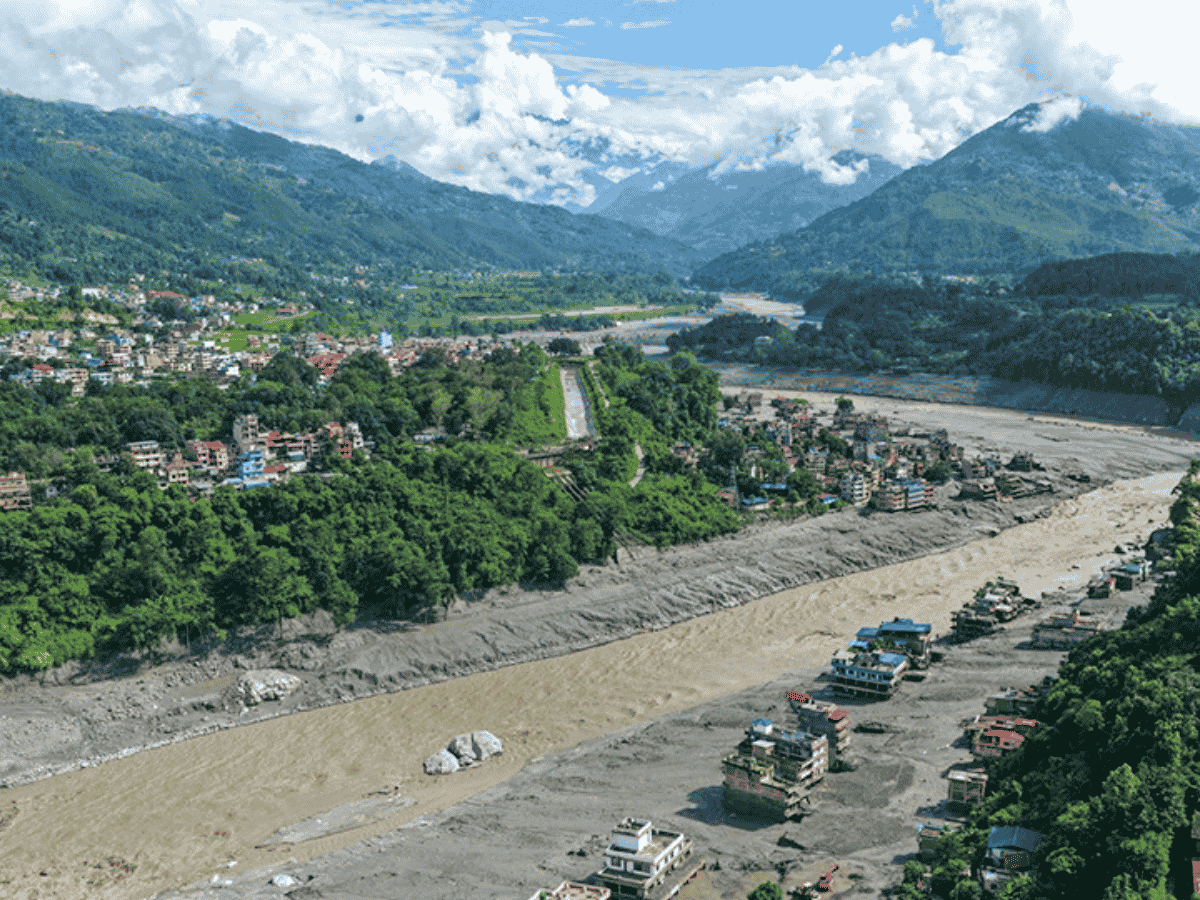
The flood mainly damaged roads, bridges and the gateway villages like Syabrubesi and Timure which serve as a major access point to the Langtang region. Many local infrastructures also suffered significant damage. However, it’s important to note that the actual trekking trail higher up including routes to Langtang Village and Kyanjin Gompa remains largely intact.
Which Trekking Regions in Nepal Are Still Safe?
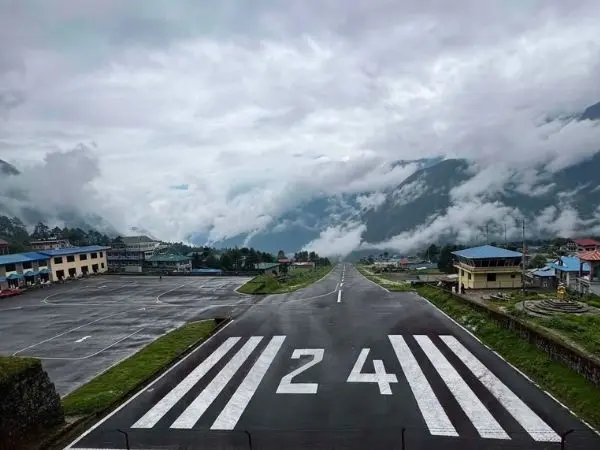
The good news is that most of the trekking regions of Nepal were completely unaffected by the August 2026 flood. The Everest region including Lukla flights and all EBC trails, remains fully operational. The Annapurna region (Pokhara, ABC and the Annapurna Circuit) is also open and safe. Other popular areas like Manaslu, Kanchenjunga, Makalu, Upper Mustang, Dolpo, Rara, and far-western Nepal has no any impact, so trekkers can still explore these stunning destinations without disruption.
Region‑by‑Region Trekking Safety Status after Flood (2026 Update)
Is Everest Region Trek Safe After the Nepal Flood 2026? EBC, Gokyo Lake, Three Passes Status
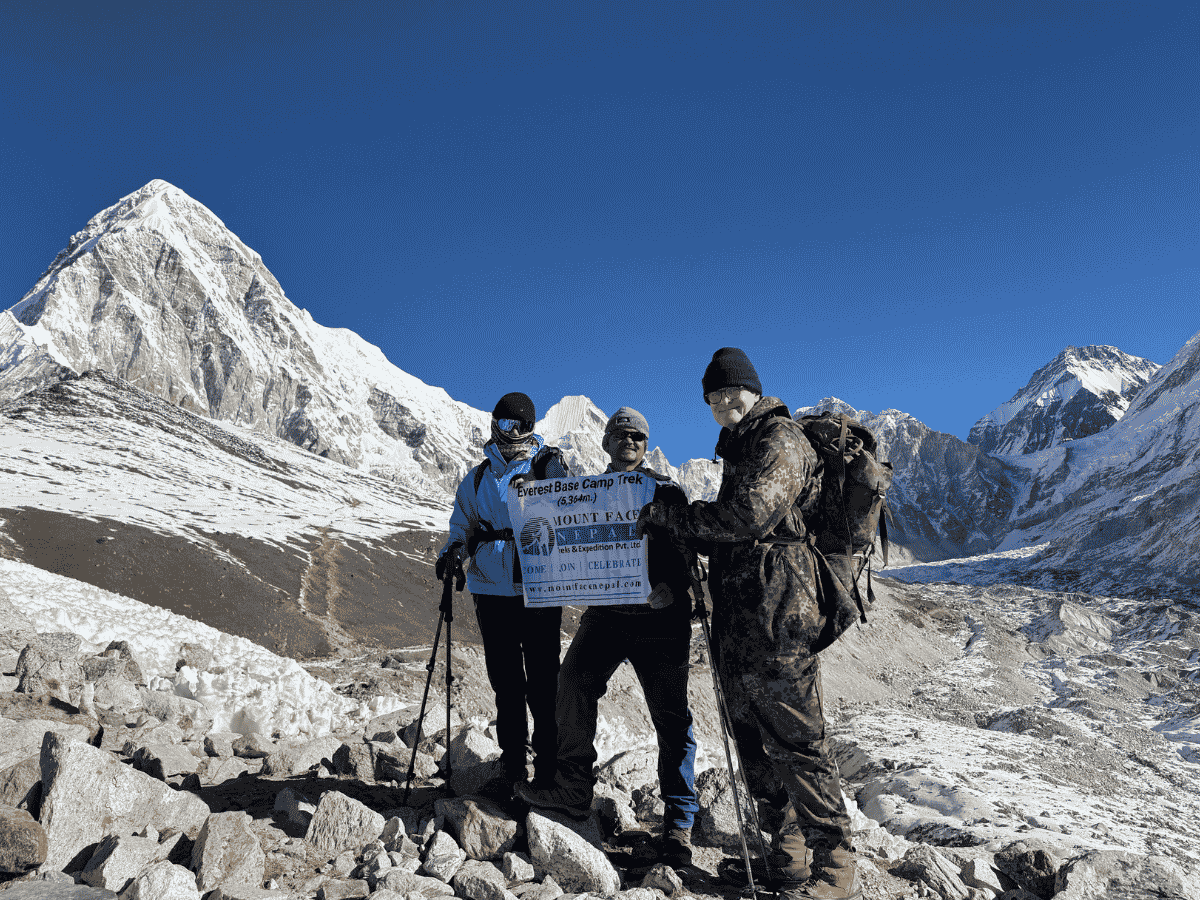
Yes, The Everest (Khumbu) region was not directly affected by the August 2026 floods. So, Everest Region Trekking including Everest Base Camp Trek, Gokyo Lake Trek, Three Passes and more remains completely safe and open.
- Status: Open and operating normally.
- Flights: Lukla flights running (weather‑dependent as usual).
- Permits: Sagarmatha National Park permit as before.
Is Annapurna Trek Safe After the Flood? ABC, Circuit & Poon Hill Status
Yes, Annapurna Region Trekking is safe as this region including Annapurna Base Camp (ABC), Annapurna Circuit, Ghorepani–Poon Hill, Mardi Himal and other lies in western/central Nepal, which are away from the main flood-affected area in the east/northeast.
- Status: Open, Pokhara and Kaski not affected by flood.
- Access: Kathmandu Pokhara road/ flights
- Permits: ACAP + TIMS as usual.
Manaslu Circuit & Tsum Valley
- Status: Safe, main trails (including Larke Pass, Nubri Valley, Tsum Valley) considered secure for 2026.
- Permits: Manaslu restricted area permit + ACAP + TIMS.
Kanchenjunga, Makalu Barun, Dolpo, Rara, Humla, Far‑West
- Status: Open
- Permits: Restricted Area Permit + Kanchenjunga Conservation Area Permit (KCAP)
What trekking regions are affected in Nepal after flood?
Langtang Valley (via Syabrubesi)
- Status: Gateway road disrupted, upper valley is accessed via Chisapani.
- Access: Syabrubesi and Timure heavily hit, so only possible via Chisapani.
Gosaikunda & Tamang Heritage Trail
- Status: Gateway is damaged, but can be accessed via Chisapani
- Advice: Wait for official reopening notices if your plan depends on Syabrubesi routes.
Overland Tibet/ Mount Kailash via Kerung
- Status: Route is disrupted. Rasuwagadhi border bridge is damaged, overland Kailash trips via Kerung is closed for the season.
- Advice: Plan for next season.
Is Kathmandu Safe After the 2026 Nepal Flash Flood?
Kathmandu was not affected by the August 2026 flood. The city remains fully functional, with flights, hotels, restaurant and transport services operating as normal. This means you can still use Kathmandu as your base to plan treks, arrange permits or simply explore the city’s culture and heritage without any disruption. Whether you are flying in or out, or connecting to Pokhara and Lukla, everything in capital is running smoothy.
Since Kathmandu is safe and open, its also some great place to add some short hikes or day trips to your itinerary. You can hike up to Shivapuri, visit Jamacho Gumba for panoramic valley views, or head out to Nagarkot, Chisapani, and Changunarayan for breathtaking sunrise vistas with Himalayan views and ancient temples. These nearby trails are untouched and offers the perfect way to stretch your legs before or after your main trek, all while knowing that you’re in a safe and unaffected part of Nepal.
Is Trekking in Nepal Safe Now? Reliable Sources to Check Before You Go
Before trekking in Nepal, check official safety updates, weather forecasts, trail conditions, permits, and travel advisories from below sources to ensure a safe and enjoyable journey in Nepal.
- Trekking Agencies’ Association of Nepal (TAAN) notices.
- Nepal Tourism Board updates.
- Your trekking operator’s latest advisory.
How to Trek Safely in Nepal After the 2026 Flash Flood
After the devastating 2026 floods in Rasuwa Nepal, trekkers should take extra care and check the latest trail conditions, weather, and transportation before starting their journey into the mountains. Below are the Nepal Trekking safety tips for 2026 for your Himalayan journey.
Choose the Right Region for Autumn 2026
For autumn 2026 trek in Nepal, trekkers should focus on those regions that were completely unaffected by the August flood. Everest, Annapurna, Manaslu, Upper Mustang, Kanchenjunga, Makalu and more are all open and entirely safe, with well maintained trails, comfortable teahouses, and flights operating normally. These areas offer the classic Nepal trekking experience without disruption. However, for Langtang and Gosaikunda Trek, you need to trek via Sundarijal- Chisapani route.
Work With a Reputable Local Operator
Planning your trek with a trusted local operator like Mount Face Nepal really makes a huge difference, especially after an event like this. Ask them directly which routes they’re currently operating post-August 2026 flood, and don’t hesitate to request the written confirmation of route status and their contingency plans. A good operator will be transparent, up-to-date, and ready to adjust your itinerary if needed to keep you fully safe and on track.
Permits, Insurance, and Documentation
Make sure all your paperwork is in order before you hit the trail. However, you don’t need to worry about it, Mount Face Nepal arrange TIMS, national park entry, and any restricted area permits required for your route. Another required document is travel insurance that covers high altitude trekking, emergency evacuation, and medical expenses. It’s also important to keep both digital and printed copies of your permits, insurance policy, and emergency contacts throughout your trip.
On-Trail Safety Basics (Especially Post-Monsoon)
Even in some regions, trails can be still wetter and landslide risk higher right after monsoon and the recent flood. So, always follow your guide’s advice on river crossings, detours, and daily pacing. Carry a basic first aid kit, reliable water purification, and layers of clothing for changeable mountain weather.
Best Time to Trek in Nepal After Monsoon Floods 2026
The best time to trek in Nepal after the 2026 monsoon floods is during autumn from September to November. Right now is the perfect season, as the monsoon is ending, the skies are clearing, and the mountain views are at their sharpest and most spectacular ones. Also, Trails are drying out, teahouses are reopening, and the air is crisp, making it as the perfect for heading towards the Everest, Annapurna, or Manaslu regions with confidence and stunning visibility.
Should You Cancel Your Nepal Trek After the Rasuwa Flood?
No, trekkers do not need to cancel their trek in Nepal unless you were specifically planning to visit Langtang, Gosaikunda, or the Tamang Heritage route right now. The Rasuwa flash flood only damaged one specific gateway corridor (Syabrubesi), while the vast majority of Nepal’s trekking regions, including Everest, Annapurna, Manaslu, Mustang and more remains fully open and unaffected. Even Langtang can still be accessed via an alternative route from Chisapani, so most trekkers can proceed with their plans as originally intended.
How Your Trek Supports Flood‑Affected Communities While Trekking Responsibly
Instead of canceling your trekking in Nepal after 2026 flash flood, you need to consider that, now is actually one of the best times to trek in Nepal. By coming here, you’re directly supporting the local guides, porters, and teahouse families whose livelihoods depend on trekking season, especially those in regions near the affected areas (Langtang and Gosaikunda) but still fully open via alternate route. You can enjoy your adventure while also helping the local economy stay strong, ensuring that communities have the income they need to recover and rebuild over the coming months.
To trek responsibly, choose local teahouses and guides in unaffected but nearby regions, so your spending reaches directly to those who need it most. You can also donate to verified relief funds focused on Rasuwa and the Trishuli basin communities. And when you share your experience, please help counter the “all Nepal is unsafe” narrative by spreading accurate, and region-specific information, so future travelers feel confident coming too.
Why Choose Mount Face Nepal for Safe Trekking After the Flood?
Mount Face Nepal is a fully registered and locally based trekking operator that follows all TAAN and government guidelines. Most importantly, we stay closely connected with our local guides, porters and teahouses from every trekking region across Nepal. This way, we receive the real-time updates on trekking trail conditions, road access, and teahouse status. As we have real time information, we can adjust your itinerary on the flights, reroute if needed, and keep your trek running smoothly without any unnecessary disruptions.
With Mount Face Nepal, your trek just remains as enjoyable and safe as it would have been before the floods. We also handle all the required logistics, permits, and safety checks so you can fully focus on the experience. Whether you’re heading to Everest, Annapurna, Manaslu, Langtang and more, our on-the-ground expert knowledge and commitment towards the responsible trekking ensures that you get the authentic Nepal adventure which you came for.
Final Verdict: Is it Safe to Travel to Nepal in 2026?
The August 2026 floods were really a tough moment for Nepal, but they didn’t shut down the Himalayas. Most of trekking regions in Nepal remains fully open, safe, and as breathtaking as ever. By choosing to trek now means trekkers are not just ticking off their bucket-list adventure, but they are also supporting the local communities who entirely rely on tourism businesses for their livelihoods. With the proper planning, a trusted operator like Mount Face Nepal, and up-to-date information, your trek in Nepal can still be the trip of a lifetime.
If there is any additional information that you would like to know regarding the latest trekking trails, regional updates or news, do not hesitate to message us. Contact Mount Face Nepal via our website, WhatsApp, or email, and our expert team will get back to you very soon with honest and current advice according to your plans. We are here to help you trek confidently and responsibly in Nepal.