Lo Manthang Overview: Hidden Kingdom of Upper Mustang
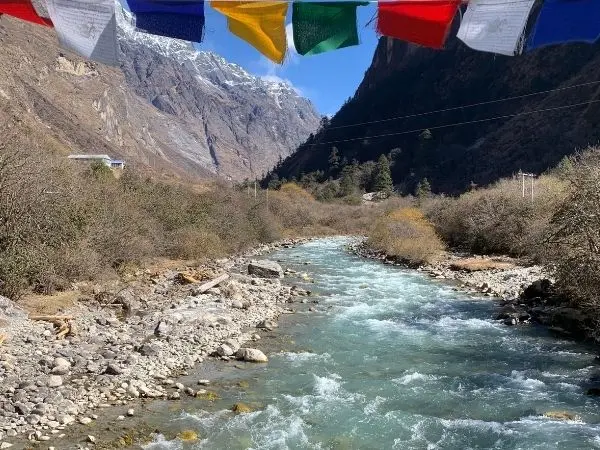
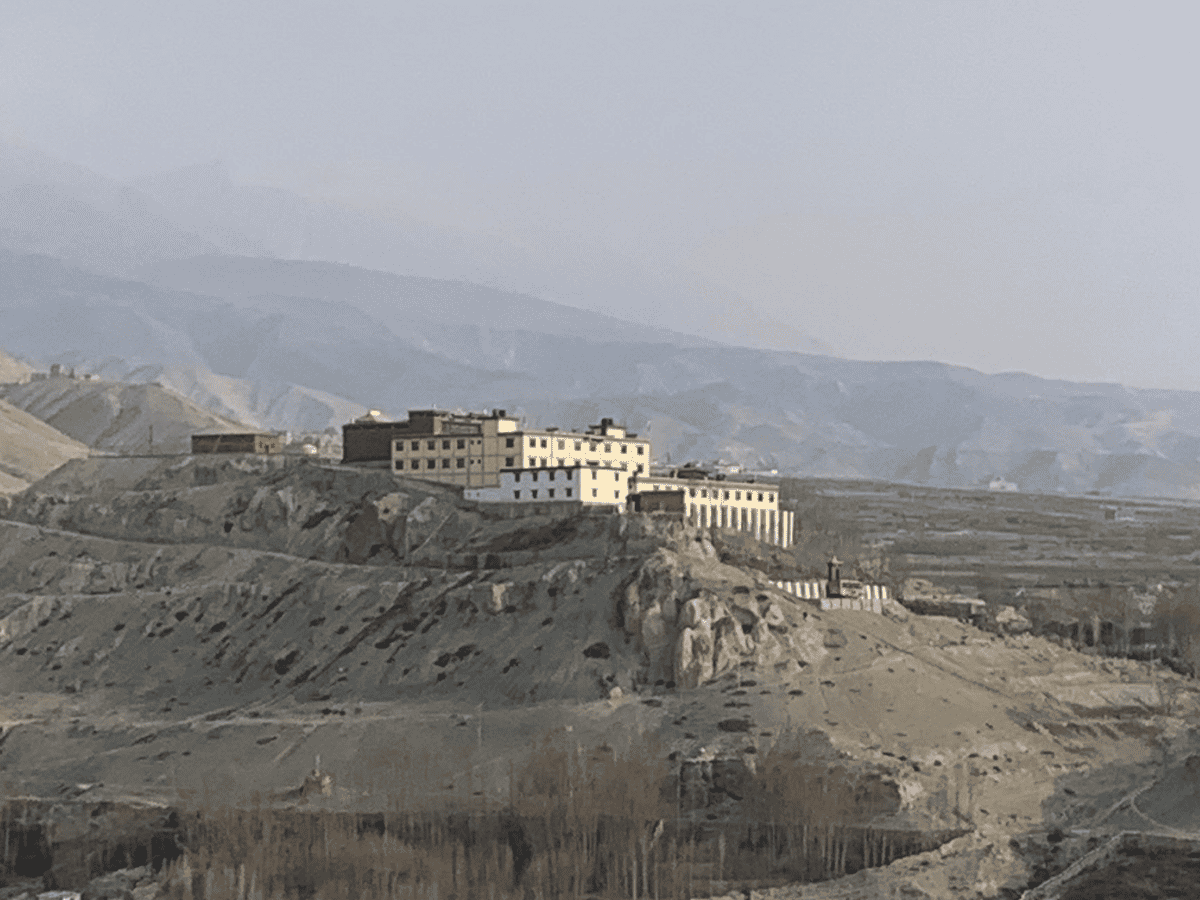
Lo Manthang feels like stepping into a living museum. This tiny, walled city in Upper Mustang was once the capital of the ancient Lo Kingdom, founded in the 14th century by Ame Pal, a Tibetan noble who unified the region. For centuries, it thrived as a key stop on the salt trade route between Tibet and Nepal. Surrounded by high desert cliffs, ancient monasteries, red-walled houses, narrow alleys, and prayer flags give it a unique appearance and create a very special atmosphere.
The royal dynasty of Mustang traces its roots back to Tibetan kings, and even today, the former king (now called a “High Chief”) is deeply respected by locals. Visitors can explore the king’s palace, ancient monasteries like Thubchen and Jampa, and also the centuries-old cave dwellings carved into the cliffs. Because of its rich history, culture, and Himalayan landscape, Lo Manthang remains undoubtedly the Nepal’s most fascinating and well-preserved heritage sites.
If you’re planning to visit Lo Manthang or simply want to know more about this remarkable region, please feel free to contact Mount Face Nepal. Whether you need information about the Tiji Festival, an Upper Mustang Trek, jeep tour, motorcycle tour, or helicopter tour, our experienced local team is happy to help. We can answer your questions 24/7, suggest the best travel option for your time and interests, and take care of permits, transport, guides, and other arrangements so you can plan your Mustang journey with confidence.
Lo Manthang Quick Facts: Essential Travel Info at a Glance.
| Details | Lo Manthang |
| Location | Upper Mustang, Mustang District, Nepal |
| Elevation | 3,840m / 12,598ft |
| Founded | 1380 AD |
| Founder | King Ame Pal |
| Historic Role | Walled capital of Kingdom of Lo |
| Royal Lineage | 25 generations over 600 years |
| Last Official King | Jigme Dorje Palbar Bista, ruled 1964–2008 |
| Current Royal Status | Former royal family remains culturally respected, Nepal abolished monarchy in 2008. |
| Population | Under 2,000 in the wider rural municipality area |
| Local People | Loba/Lhoba Community |
| Language | Loke (Lhowa), a Tibetic language, Nepali is also used |
| Main Religion | Tibetan Buddhism, mainly Sakya tradition. |
| Landscape | High-altitude cold desert with Tibetan influence. |
| Key Landmarks | Walled city, Royal Palace, Jampa Lhakhang, Thubchen Gompa, Chodey Gompa. |
| Major Festival | Tiji Festival, a traditional Buddhist Celebration |
| Travel Access | Usually via Pokhara- Jomsom- Upper Mustang Road or trekking route. |
Where Is Lo Manthang? Location & Meaning of Its Name.
Lo Manthang is an ancient walled city located on a remote and high-altitude desert plateau in Upper Mustang, Nepal. Located at an altitude of 3,840 m, it lies in the rain shadow of the Annapurna and Dhaulagiri range and is surrounded by red cliffs and wind-sculpted canyons. Once the capital of the semi-autonomous Kingdom of Lo, its name comes from the local Tibetan dialect: “Lo” which refers to the region or kingdom and “Manthang”, meaning plain of medicine, poetically, “the heart’s desired land.”
Is Lo Manthang in Tibet or Nepal? Clear Answer Explained.
Lo Manthang is in Nepal, not Tibet. It’s the historic capital of the former Kingdom of Lo, located in the Upper Mustang region of northern Nepal, just 20 Km south of the Tibetan border. While its culture, architecture, and traditions are deeply influenced by the Tibet, Lo Manthang has always been part of the Nepal territory and remains one of the country’s most unique site.
How far is Lo Manthang from Jomsom?
Lo Manthang is roughly 75 to 85 km far from Jomsom on the traditional trekking route. Although the distance varies depending on the Upper Mustang Trekking trail and side trips you choose. Most trekkers take around five to seven days to reach the walled city, walking through different villages like Kagbeni, Chele, Ghami, and Tsarang at a steady pace for better acclimatization. However, by jeep or road , the rugged mountain journey can take around 7-8 hours, covering about 100 Km.
The Foundation of Lo Manthang Kingdom - Ame Pal and the Walls of 1380
Who Founded Lo Manthang and When? History of Ame Pal.
Lo Manthang was founded in 1380 (646 years old) by Ame Pal. Ame Pal was a Tibetan noble who brought unity to the area and established a Buddhist kingdom in Upper Mustang. Then, he built the walled capital to serve both as a spiritual and political center while also symbolizing the new kingdom’s identity. Even today, locals here in Lo Manthang revere Ame Pal as the visionary who brought stability and prosperity to this remote Himalayan land.
Why Were the Massive Walls Built in Lo Manthang?
The massive walls of Lo Manthang weren’t just for the show or decoration, rather they were built for the survival and safety of Lo kingdom. As Lo Manthang used to control the salt and wool trade between Tibet and Nepal border, it made the kingdom a major target for robber sand rival kingdoms. The walls and 14 watchtowers here protected against the raids from hostile groups in Tibet and southwestern kingdoms like Jumla, keeping the city safe.
Ame Pal’s Safety Rules That Protected Lo Manthang & Upper Mustang
Ame Pal took security seriously during his time. He established the strict military rule i.e. locking the city’s massive wooden gate every evening at dusk and reopening it only at dawn. For centuries, citizens were legally forbidden from building homes outside the protective walls and discipline helped Lo Manthang thrive as a secure and self-contained kingdom for over 600 years while preserving its unique culture and heritage.
The Royal Lineage: 25 Generations Who Ruled from These Walls
Kingdom of Lo Manthang was ruled by an unbroken royal line of 25 kings for more than six centuries. It started with its founder, Ame Pal, in 1380 and ended with the last official king, Jigme Dorje Palbar Bista. Even after Nepal’s unification in the 18th century, Lo kept its hereditary rulers and semi-autonomous status. The succession wasn’t always straightforward and there’s even a tale of a king retiring, his son dying in young age, and the father reassuming the throne before Jigme Dorje eventually became the 25th king. Though the monarchy officially ended, the royal family still remains deeply respected in Mustang today.
Is There Still a King in Mustang Today? Current Royal Status
No, there is no legally recognized King of Mustang today since Nepal became a republic in 2008. However, a cultural king still exists in the hearts of locals here. Jigme Singe Palbar Bista, the last king of Lo Manthang, is still respected and recognized by the people of Mustang as their ceremonial king.
Who Was the Last King of Mustang? Jigme Dorje Palbar Bista
Jigme Dorje Palbar Bista was the 25th and the last king of Lo Manthang. He ruled from 1964 until Nepal abolished the monarchy and the kingdom’s special status in 2008. Born in 1930 in Lo Manthang, he was a direct descendant of Ame Pal. Even after losing his official title, he still remains a deeply respected cultural and spiritual leader for the local Loba people. He passed away on December 16, 2016, in Kathmandu at the age of 86, by leaving behind a legacy cherished by Mustang’s community.
Walking Through Lo Manthang Today: Inside the Walled City, what it looks like?
- The Looming Clay Walls and Gate:Before we enter, we are welcomed by a massive 6-meter-high earthen wall that wraps the entire town. Historically, the massive wooden main gate to the town was closed in order to secure the kingdom from bandits during the night. Today, the gate stays open, acting as a connection point between the modern world and the old-fashioned town.
- A Maze of White-Washed Alleys:Once we are inside, Lo Manthang unfolds as a dense, confusing maze of narrow, stone-paved alleys. Around 180 traditional flat-roofed mud-brick houses line the lanes which are all coated in white limestone. On the roofs, you’ll see neat stacks of firewood, a traditional sign of wealth and winter preparedness. As you wander, you’ll pass Loba elders (local people) spinning prayer wheels, colorful prayer flags snapping in the wind, and locals guiding livestock through the paths.
- The Domineering Royal Palace:Rising above the two-story homes is the four-story white Royal Palace (Monkhar), built in the early 1400s. Its stark and towering walls show some age and earthquake damage, but it still dominates the center of the city. Though the ceremonial king no longer lives here daily, the palace stands as a powerful reminder of Mustang’s sovereign past and royal heritage.
- Vibrant Red Monasteries and Chortens:Contrasting the white houses are the giant, dark-red structures of Lo Manthang’s ancient monasteries. Inside Thubchen and Jampa Gompas, travelers can find dim, mystical halls filled with the scent of yak-butter lamps, massive Buddha statues, and gold-leaf Tibetan murals. Golden capped chortens and carved mani walls are lined in the alleys, and locals always walk to the left of these sacred structures as a sign of Buddhist respect.
Tiji Festival in Upper Mustang: Where King, Monasteries & People Meet
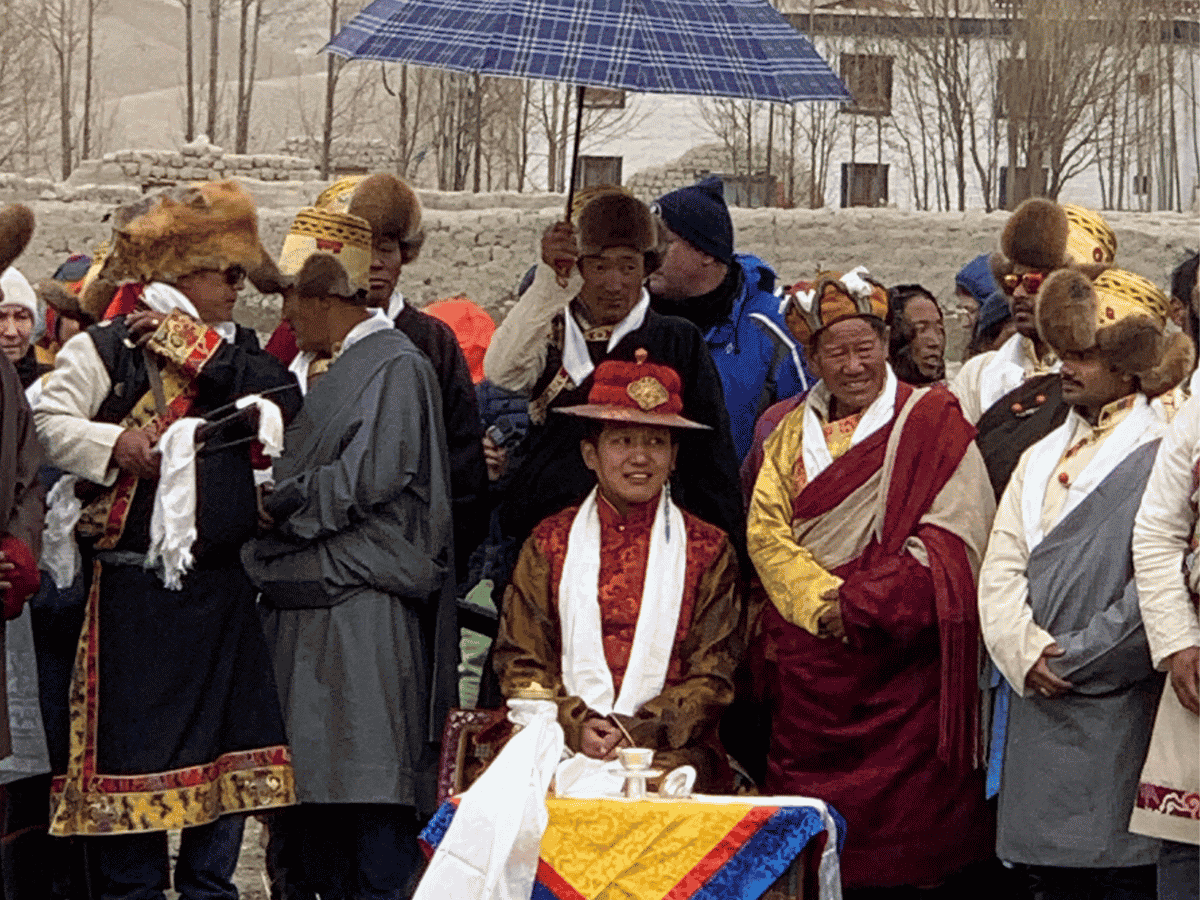
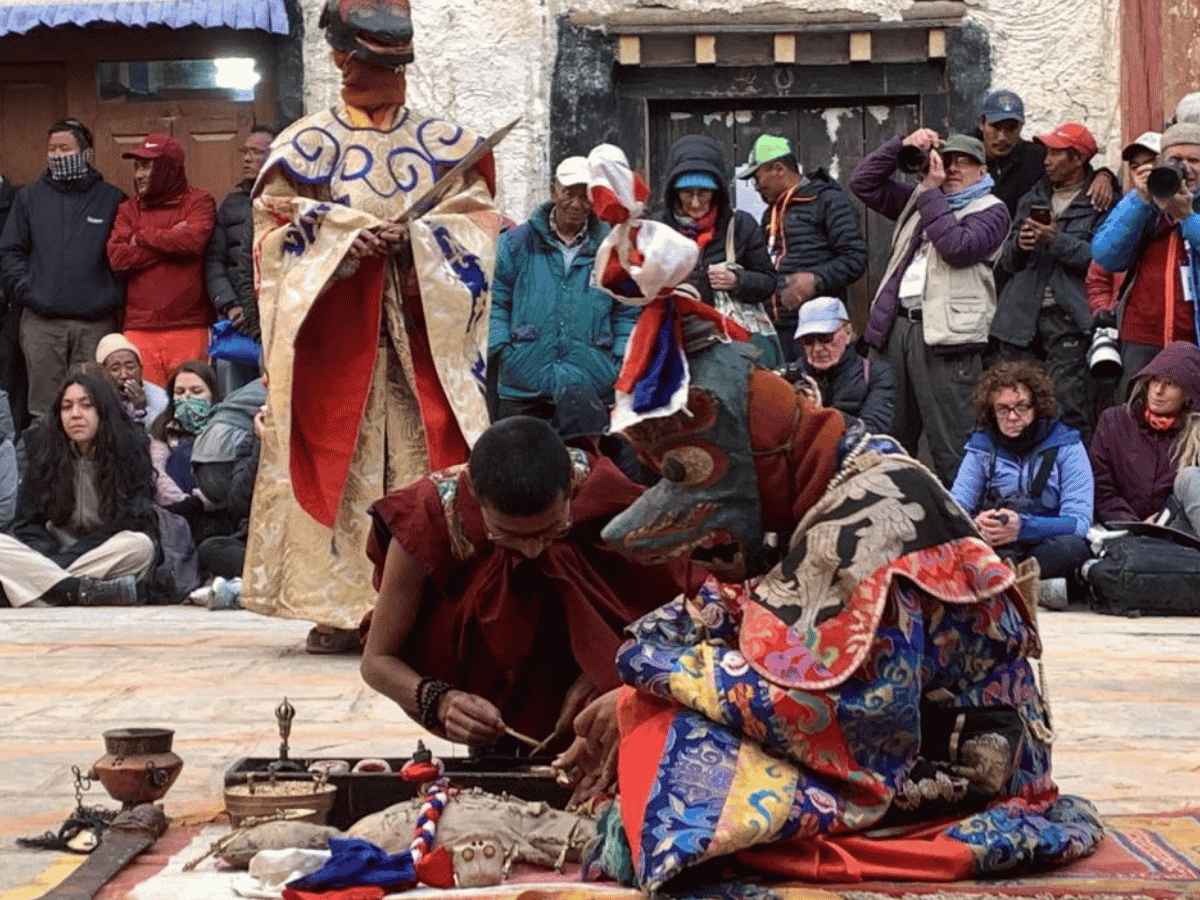
The Tiji Festival is the heartbeat of Lo Manthang. It is a vibrant three-day Buddhist celebration which is held every end of May or first of July in the walled city. It’s where the ceremonial king, monks, and local people still come together to reenact ancient myths, chasing away evil spirits, and praying for peace and prosperity of the region. Colorful masked dances, traditional music, and prayers fill the courtyards of Thubchen and Jampa Gompas, creating a powerful atmosphere that feels both sacred and deeply communal. For travelers, it’s a rare chance to witness the Mustang’s living culture at its most authentic way.
you’re planning an Upper Mustang Trek, its best to align your journey with the Tiji Festival as it can make your adventure truly unforgettable and unique. Contact Mount Face Nepal today to book this wonderful journey or to get more information about the Upper Mustang Trek and Tiji Festival.
Upcoming Tiji Festival Dates 2027:The next Tiji Festival will take place in Lo Manthang on June 1, 2, and 3, 2027.
How to Visit Lo Manthang: Complete Travel Guide & Tips
visit Lo Manthang, travelers can choose an Upper Mustang Trek, a Jeep Tour, or a Motorcycle Tour. Upper Mustang Trekking offers the classic and immersive experience while walking through remote villages, high passes, and ancient landscapes over 12–16 days. Upper Mustang Jeep Tour lets you cover more ground in less time, ideal if you’re short on days but still want to see the highlights. Meanwhile, for adventure seekers, Upper Mustang Motorcycle Tour truly provides a thrilling ride through the rugged terrain while still reaching Lo Manthang’s walled city. All three option require special restricted area permits and can be best arranged with a trusted local operator like Mount Face Nepal.
What's the difference between Lo Manthang and Upper Mustang?
Lo Manthang is the historic heart that exists within Upper Mustang. It is a remote, high-altitude region in northern Nepal that really feels worlds away from the rest of the country. Formerly known as the capital of the Kingdom of Lo, this walled town is located in a stunning desert terrain and is surrounded by red cliffs, deep gorges, and snowcapped Himalayan peaks. Meanwhile, Upper Mustang is famous for its rich Tibetan Buddhist heritage, ancient monasteries, cave dwellings, and special festivals such as the Tiji festival. Together, Lo Manthang and Upper Mustang offer one of the Nepal’s most authentic and lesser-known travel experiences for visitors.
Final Words
Lo Manthang is more than just a destination, it is a place where history, culture, and landscape all blends together in a way that feels truly magical. From the ancient walls and the royal palace to the quiet monasteries, prayer flags, and wide-open desert valleys, every part of the journey carries a different story. Whether you arrive on foot, by jeep, motorcycle, or helicopter, visiting this Forbidden Kingdom of Himalayan offers a deeper look at a side of Nepal that still feels beautifully untouched.
A trip to Lo Manthang also asks you to slow down and travel with the respect. The region’s traditions, monasteries, local communities, and fragile mountain environment are what makes the Upper Mustang so special. Take time to listen to local stories, follow cultural customs, and enjoy the journey rather than rushing from one viewpoint to the next. For trusted local guidance and a well-planned Upper Mustang adventure, contact Mount Face Nepal, we are here to help you experience Lo Manthang in the best possible way.