Can a regular office-worker complete the Annapurna Circuit? It is a question many trekkers ask before planning their Himalayan adventure. The simple answer is yes, but the Annapurna Circuit difficulty is generally considered moderate to challenging due to high altitude, changing weather conditions and the demanding crossing of Thorong La Pass Difficulty at 5,416 meters. Every year thousands of trekkers successfully complete the Annapurna Circuit Trek Nepal, which raises an important question about what truly makes this trek difficult and how prepared you need to be before starting.
The Annapurna Circuit difficulty level is not determined by only a single factor alone. It is determined by High elevation, Annapurna Circuit altitude sickness risks, weather variability and the overall Annapurna Circuit Trek Challenge that altogether contribute to the experience. This guide clearly explains every major aspect that affects the trek including the fitness preparation, acclimatization strategies, training recommendations, altitude concerns and the seasonal conditions. Whether you are wondering if Annapurna Circuit is hard, looking for an Annapurna Circuit training plan or preparing for the Thorong La Pass crossing, this comprehensive guide covers everything that you need need to know before undertaking the Annapurna Circuit Trek Nepal.
Overview
The Annapurna Circuit Trek Nepal is one of the most famous high altitude trekking adventures in the Himalayas that circles around the Annapurna region of western Nepal through different landscapes, traditional mountain villages and the dramatic alpine environments. The trek generally takes between 14 to 21 days depending on the chosen itinerary and route variation. Along the journey, trekkers pass through important highlights such as Manang, Muktinath and the challenging Thorong La Pass altitude at 5,416 meters which is the highest point of the trek. Daily walking hours usually ranges from 5 to 8 hours and the Annapurna Circuit Trek difficulty is considered moderate to challenging due to altitude gain, changing terrain and weather conditions.
Traditionally, the classic route followed longer trekking sections through villages and mountain trails, however road construction in some parts of the region has created modified route options which many trekkers now prefer for a different experience. Both of these trekking routes or versions still include the iconic destinations such as Manang, Thorong La Pass and Muktinath while also preserving the essence of the Annapurna Circuit Trek Challenge. Understanding the differences between the classic and modified routes, fitness expectations and the altitude considerations really helps trekkers to prepare fully for one of the most rewarding trekking experiences in Nepal.
Are you planning to trek the Annapurna Circuit and looking for a complete package detail? Click here to explore our Annapurna Circuit Trek Package, including the day by day itinerary, costs, inclusions, accommodation, permits and essential trekking information. Find everything you need to know as it can be helpful to prepare an unforgettable Himalayan adventure and choose the package that best suits your travel plans.
Annapurna Circuit Trekking Difficulty Level with Other Famous Treks in Nepal
Annapurna Circuit Trek is widely considered as the moderate to challenging trek in Nepal. But how can it be compared with the Nepal's other iconic trekking routes? From altitude gain and trail length to the technical difficulty and physical demands, each trek offers a different experience for travelers. The following comparison table clearly provides an overview of the Annapurna Circuit's difficulty level while comparing it with other popular treks in Nepal.
| Trek Name | Difficulty | Max Altitude | Duration | Daily Hours | Altitude Sickness Risk | Best For |
| Annapurna Circuit | Moderate to Challenging | 5,416m (Thorong La) | 12-17 days | 6-9 hrs | Moderate to High | Experienced trekkers, diversity |
| Ghorepani Poon Hill | Easy to Moderate | 3,210m | 4-5 days | 4-6 hrs | Low | Beginners, families, sunrise view |
| Mardi Himal | Moderate | 4,500m | 4-7 days | 4-6 hrs | Low to Moderate | First time trekkers, short trip |
| Langtang Valley | Moderate | 4,985m (Tsero Ri ) | 8-12 days | 5-6 hrs | Moderate | Close to Kathmandu, cultural trek |
| Manaslu Circuit | Challenging (Fairly Difficult) | 5,106m (Larkya La) | 14-18 days | 6-8 hrs | Moderate to High | Remote, offbeat, and strenuous |
| Everest Base Camp | Moderate to Challenging | 5,545 m (Kala Patthar) | 12-16 days | 6-7 hrs | High | Altitude thrill, witness iconic peaks |
Annapurna Circuit Trek Difficulty: Trail Conditions, Terrain and Daily Distances
During Annapurna Circuit Trekking, trekkers navigate a mix of well-established trails, rugged mountain paths, stone staircases, and also through occasional rocky or uneven sections during Annapurna Circuit Trekking journey. Daily distances typically range from about 7-15 kilometers, which requires consistent endurance over for multiple days. Below table clearly shows the daily walking hours, distances and the trail conditions for Annapurna Circuit Trekking Nepal:
| Day | Route | Distance | Duration | Terrain Type | Trail Cond. | Difficulty |
| 1 | Arrival in Kathmandu | | | City | Paved Road | Easy |
| 2 | Drive: Kathmandu- Chame (via Besisahar) | 190 Km | 9-10 hrs | Paved road, Mountain highway | Winding roads, some bumpy road due to construction going on | Easy (driving) |
| 3 | Trek: Chame - Upper Pisang | 14 km | 6-7 hrs | Rocky trail, River valley, Forest path | Well-marked, steep uphill sections, stone steps | Moderate |
| 4 | Trek: Upper Pisang -Manang | 17 km | 8-9hrs | Dry valley, Gravel path, Alpine meadow | Clear trail, gradual uphill, some loose gravel | Easy to Moderate5
|
| 5 | Acclimatization Day in Manang (Day Hike: Braga Monastery) | Around 3 km | 3-5 hrs | Rocky, Icy (Ice Lake trail) | Steep, icy patches | Moderate (Day Hike) |
| 6 | Trek: Manang-Yak Kharka / Ledar | 9.4 km | 5-6 hrs | High-altitude desert, Rocky, Barren | Narrow trail, exposed sections, some scree | Moderate-Challenging |
| 7 | Trek: Yak Kharka -Thorong Phedi / High Camp | 6-7 km | 4–6 hrs | Alpine desert, Rocky, Glacial | Steep, rocky, frozen ground is possible | Challenging |
| 8 | Trek: Thorong Phedi- Thorong La Pass- Muktinath | 16.4 km | 8-9 hrs | Snow (pass), Scree, Steep descent, Rocky | Most difficult: Snow/ice on pass, steep uphill, challenging descent | Very Challenging |
| 9 | Trek: Muktinath -Kagbeni | 14.5 km | 5-6 hrs | Dry valley, River trail | Well-marked, steady downhill, dusty | Moderate |
| 10 | Drive: Kagbeni -Tatopani (via Jomsom, Marpha) | 70 km | 2-3 hrs | Paved road, Windy highway | Windy, bumpy in some places | Easy (Driving) |
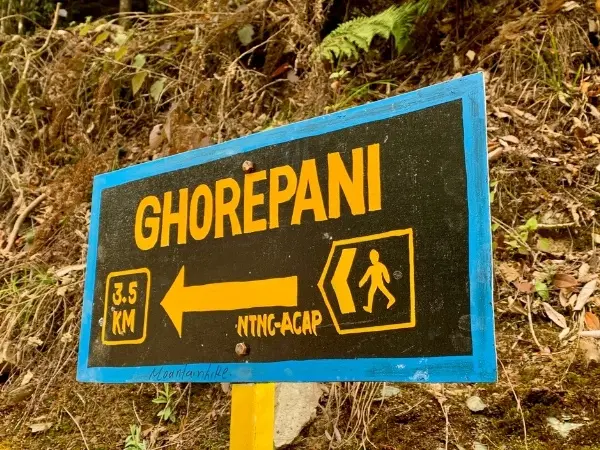
| 11 | Trek: Tatopani-Ghorepani | 15.6 km | 8-9 hrs | Forest trail, Stone steps, Hillside | Steep uphill, stone steps, well-maintained | Moderate |
| 12 | Trek: Ghorepani -Poon Hill -Tadapani | 10 km | 6-7 hrs | Forest, Stone steps, Ridge trail | Steep uphill (Poon Hill), steep downhill, stone steps | Moderate |
| 13 | rek: Tadapani -Ghandruk - Drive to Pokhara | 8.6 km | 8-9 hrs | Forest, Stone steps, Village trail | Well-maintained, steady downhill, rhododendron forest | Easy - Moderate |
| 14` | Drive: Pokhara- Kathmandu | 200 km | 8-9 hrs | Paved highway | Smooth highway drive | Easy (Driving) |
Annapurna Circuit Trek follows diverse and ever changing route through the lush subtropical forests, traditional mountain villages, alpine meadows and high altitude Himalayan landscapes. Each trekking day and sections presents unique terrain and the trail conditions. Click here https://mountfacenepal.com/blog/complete-annapurna-circuit-trek-route-guide, to understand the detailed daily route sections, walking distances, trail characteristics, as it can be really helpful for trekkers to prepare physically and mentally for one of the Nepal’s most rewarding adventure.
Physical Fitness Requirement for Annapurna Circuit Trekking
What Level of Physical Fitness Do You Need for Annapurna Circuit Trek?
For Annapurna trek fitness, the requirements are higher than many other beginner trekking routes due to its sustained altitude, longer days and the demanding mountain terrain. Trekkers should have an above average level of physical fitness and also the ability to walk 5 to 6 hours continuously for daily before attempting or joining the Annapurna Circuit Trek Package. During the journey, some days require 4 to 6 hours of continuous hiking while others may even require 6 to 7 hours of walking but with breaks. Trekkers also should be comfortable of carrying a backpack that weighs 5 kg or more for several hours while maintaining a steady pace across uneven trails and the high altitude environments.
Good cardiovascular fitness is also one of the most important factors for successfully completing the Annapurna Circuit Trek difficulty. Long ascents, descents and consecutive trekking days requires endurance, mental patience and the ability to maintain consistent effort throughout the journey. Prior trekking experience can be really helpful but it is not mandatory. And many beginners successfully complete the trek with preparation. The answer to What is the fitness level needed for Annapurna Circuit Trek? is simple, good stamina, cardiovascular endurance and the mental preparation for high altitude trekking. With 10 to 12 weeks of structured training, most people with moderate fitness can easily prepare themselves successfully for the challenge of this high altitude trekking in Nepal.
Training Plan for the Annapurna Circuit (8–12 weeks)
The Annapurna Circuit is a physically demanding trek that requires all endurance, strength, and proper acclimatization altogether. Meanwhile, no technical climbing skills are required, but trekkers should be fully prepared for the long walking days, steep ascents and descents, and also the high-altitude conditions, especially when we cross Thorong La Pass (5,416 m).
A structured 8–12 week training plan can really improve your trekking experience while also reducing the risk of fatigue or injury.
The table below outlines a recommended 8–12 week training plan for the Annapurna Circuit Trek.
| Weeks | Phase | Focus | Cardio (3-4 times a week) | exercises (2x/week) | Weighted Training | Duration/Intensity |
| 1-2 | Base Cardio | Build aerobic foundation | 30-40 min brisk walking, jogging, cycling, or swimming | Bodyweight squats, lunges, calf raises, planks | Light backpack (3–5 kg) for short walks | 3–4 days/week, moderate intensity |
| 3-5 | Hill Training | Add elevation & endurance | 35-45 min uphill walking, stair climbing, incline treadmill | Weighted squats (5–8 kg), step-ups, deadlifts, mountain climbers | Backpack 6–8 kg for stair/hill sessions | 4–5 days/week, moderate-high intensity |
| 6-8 | Weighted Hiking | Trek simulation & strength | 40-50 min running, cycling, or stair machine | Weighted squats (10–12 kg), lunges with weights, box jumps, core work | Backpack 10–12 kg for hill/stair workouts | 5–6 days/week, high intensity |
| 9-10 | Peak Training | Maximum load & endurance | 45-60 min cardio (running, cycling, swimming) | Heavy weighted squats, Step-ups with pack, single-leg deadlifts, planks | Backpack 12–15 kg for long hikes | 5–6 days/week, high intensity |
| 11-12 | Taper & Final Prep | Recovery & preparation | 20-30 min light jogging, walking, or cycling | Light bodyweight squats, stretches, mobility yoga | Backpack 5 kg (light walks only) | 3–4 days/week, low intensity |
Can Beginners Do the Annapurna Circuit Trek?
Many first time trekkers or beginners ask often that How hard is the Annapurna Circuit for beginners? The answer is yes, beginners can successfully complete the trek with proper preparation, plan and help from an experienced guides. However, it should not be underestimated without training and planning. The Annapurna Circuit Trek difficulty is considered moderate which makes it really accessible even for the first time trekkers. The trail follows well established and non technical paths where no climbing skills are required. Tea houses are available throughout the route which eliminates the need for camping and carrying heavy equipment. However, beginners still need moderate fitness, the ability to walk 6 to 7 hours daily with breaks and a willingness to prepare both physically and mentally before attempting the Annapurna Circuit Trek Challenge.
The biggest challenge for beginners is not the trail itself but the altitude. The Thorong La Pass Difficulty becomes noticeable due to its elevation of 5,416 meters, although trekkers are normally acclimatized by the time they reach the pass. To reduce the risk of Annapurna Circuit altitude sickness, it requires careful acclimatization, steady pacing and proper rest days in different places such as Manang and Jomsom. Beginners are highly recommended to start training 8 to 12 weeks before starting the trek with regular hiking, hill training and endurance exercises. Following the simple trekking principle, hike high sleep low approach, hiring an experienced agency like Mount Face Nepal, taking shorter treks before and listening carefully to your body can make the journey much safer and more enjoyable.
Altitude and Acclimatization – The core challenge during Annapurna Circuit Trek 2026
Altitude Sickness Risk, Acute Mountain Sickness (AMS)- Symptoms, Prevention and What to do
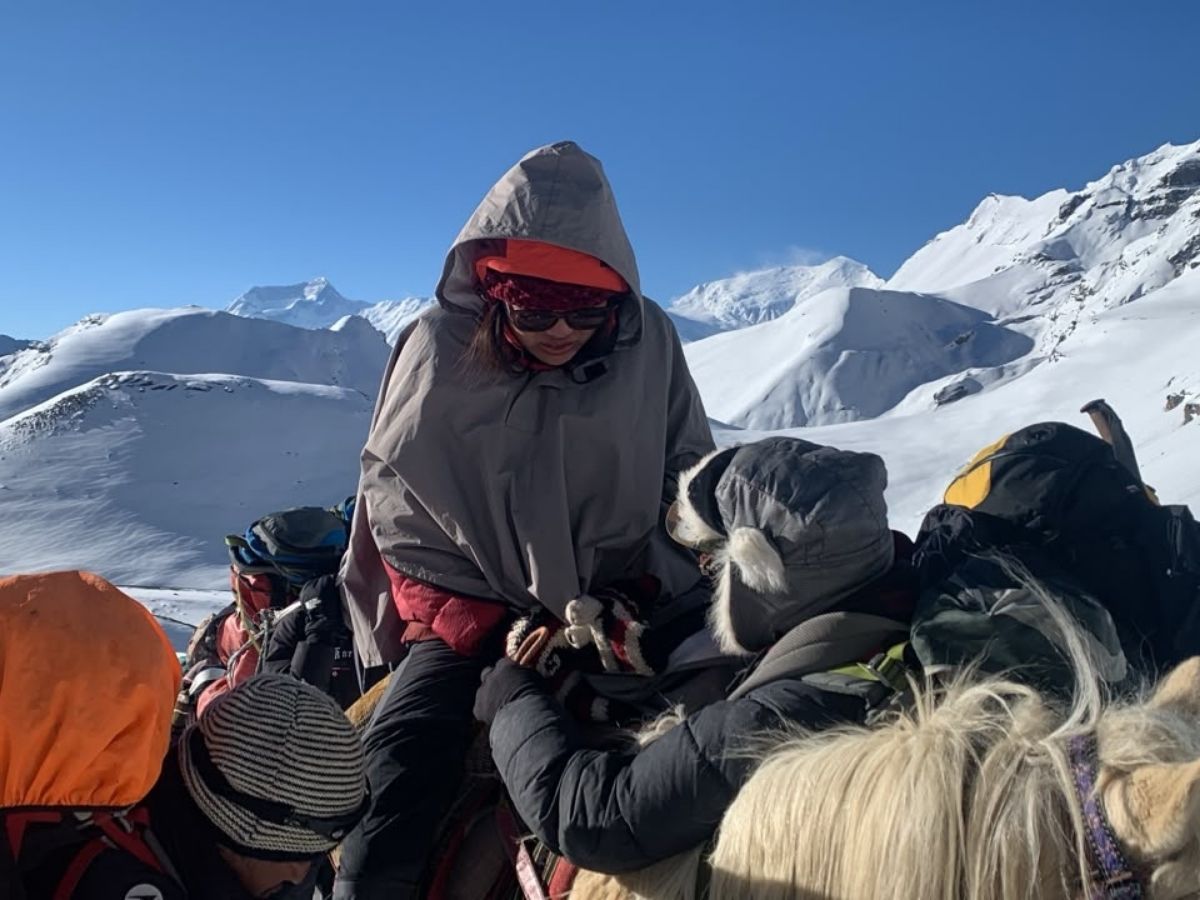
Annapurna Circuit altitude sickness is the number one safety concern on the trek due to the rapid elevation gain towards Thorong La Pass altitude at 5,416 meters. The highest risk point during the Annapurna Circuit Trek difficulty is the crossing of Thorong La Pass where oxygen levels are significantly lower. Mild to moderate Acute Mountain Sickness (AMS) symptoms includes headache, nausea, dizziness, fatigue, loss of appetite, sleeping difficulties, rapid pulse and shortness of breath. Additionally, more severe situations such as HAPE (High Altitude Pulmonary Edema) may also cause persistent cough, chest tightness, fever and the breathing difficulties. Meanwhile HACE (High Altitude Cerebral Edema) may lead to confusion, disorientation and loss of consciousness which requires immediate medical attention. So, its very important to watch your body in these high altitude.
of altitude sickness depends on gradual ascent, proper acclimatization and careful planning. The Manang acclimatization day is one of the most important parts of the itinerary as it helps the body adjust before moving higher. Trekkers should avoid gaining more than 300 to 500 meters sleeping elevation per day above 3,000 meters, drink plenty of water, eat carbohydrate rich meals, avoid alcohol and smoking and follow the hike high sleep low strategy whenever possible. If symptoms worsen despite rest, the correct treatment is to immediate descent to a lower altitude. With extra acclimatization, sensible pacing with regular breaks and support from experienced guides, even beginners or first time trekkers can safely complete the Annapurna Circuit Trek.
Complete Elevation, Rest Days, Warning signs and Acclimatization Schedule Day by Day for Annapurna Circuit Trek Nepal
| Day | Route | Elevation (m) | Elevation Change | Mandatory Rest Day? | Warning Signs to Monitor |
| 1 | Arrival in Kathmandu | 1,400m | | No | None (low altitude) |
| 2 | Drive: Kathmandu- Chame (via Besisahar) | 1,400m- 760m- 2,650m | +1,250m (from Besisahar | No | Motion sickness, fatigue from long drive |
| 3 | Trek: Chame - Upper Pisang | 2,650m- 3,300m | +650m | No | AMS begins above 2,500m: headache, nausea, breathlessness |
| 4 | Trek: Upper Pisang -Manang | 3,300m-3,519m | +219m | No | Monitor for AMS: headache, fatigue, trouble sleeping |
| 5 | Acclimatization Day in Manang (Day Hike: Braga Monastery) | 3,519m | - | Yes | MANDATORY rest day. Watch for worsening headache, vomiting, confusion (HACE signs) |
| 6 | Trek: Manang-Yak Kharka / Ledar | 3,519m -4,020m (or 4,230m) | +501m (or +711m) | No | High AMS risk: severe headache, nausea, loss of appetite, dizziness, shortness of breath at rest |
| 7 | Trek: Yak Kharka -Thorong Phedi / High Camp | 4,020m-4,450m (or 4,925m) | +430m | No | Critical phase: extreme fatigue, chest tightness (HAPE), confusion, stumbling (HACE) |
| 8 | Trek: Thorong Phedi- Thorong La Pass- Muktinath | 4,450m-5,416m-3,762m | +966m / –1,654m | No | Most Diddicult day day: AMS peaks, vertigo, severe breathlessness, coughing, confusion. DESCEND immediately if symptoms worsen |
| 9 | Trek: Muktinath -Kagbeni | 3,762m-2,804m | –958m | No | Descending helps AMS. Monitor for lingering headache, fatigue |
| 10 | Drive: Kagbeni -Tatopani (via Jomsom, Marpha) | 2,804m -2,743m -2,566m-2,600m | –204m | No | Wind in Jomsom can be intense |
| 11 | Trek: Tatopani-Ghorepani | 2,600m-2,874m | +274m | No | Breathlessness on uphill section |
| 12 | Trek: Ghorepani -Poon Hill -Tadapani | 2,874m-3,210m- 2,630m | +336m / –584m | No | Poon Hill sunrise: start 4:30–5 AM. Watch for fatigue from early star |
| 13 | Trek: Tadapani -Ghandruk - Drive to Pokhara | 2,630m-2,012m- 822m | –618m / –1,190m | No | None (low altitude, descending) |
| 14 | Drive: Pokhara- Kathmandu | 822m- 1,400m | +578m | No | None (low altitude) |
Thorang La Pass – The Hardest Part on Annapurna Circuit Trek. What Makes It So Challenging?
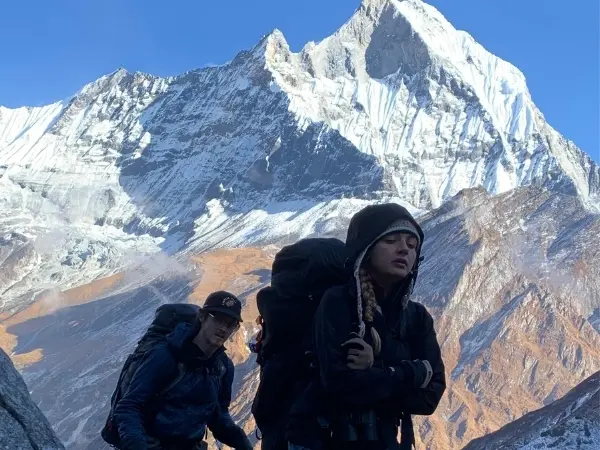
La Pass Difficulty is the toughest and most demanding section during the Annapurna Circuit Trek Nepal. It is located at an elevation of 5,416 meters (17,769 ft), and is the highest point of the entire Annapurna Circuit Trek and also the main reason behind the well-known Annapurna Circuit difficulty level. Oxygen levels here is significantly lower which makes breathing more difficult for trekker and increases the risk of Annapurna Circuit altitude sickness. Most trekkers begin the crossing at around 4:00–4:30 a.m. and spend approximately 5–8 hours reaching and crossing the pass. Many trekkers often describe this section by saying, “Every step felt slower and heavier than expected, but reaching the top was the greatest achievement of the trek.” The challenging elevation, long ascent and unpredictable conditions makes this section the defining Annapurna Circuit Trek Challenge.
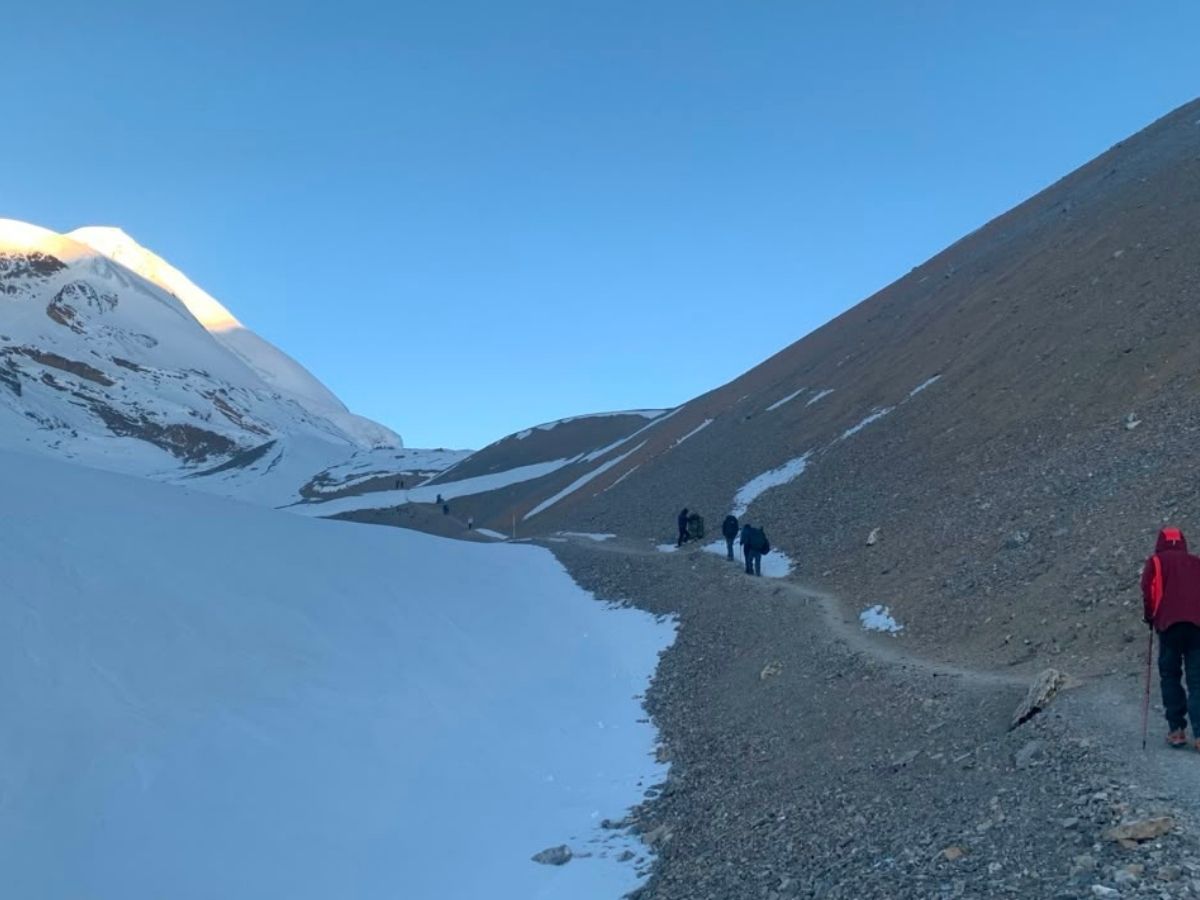
Route from High Camp involves steep uphill climbing, rocky terrain, loose stones, icy sections and strong winds which adds considerably to the overall Annapurna Circuit Trek difficulty. Proper acclimatization is very important and many trekkers spend extra nights in Manang, including a Manang acclimatization day to make the journey. Weather conditions are equally important because strong winds usually develop after sunrise and poor conditions can force trekkers to return to High Camp or postpone the crossing for next day. Successfully crossing Thorong La Pass remains the ultimate milestone of the Annapurna Circuit Trek 2026 and also a memorable and lifetime achievement for everyone who completes the journey.