Overview
Winter trekking in Nepal offers some of the most beautiful mountain scenery of the entire year. Trails are quieter, the air is crisp and clear, and snow‑capped peaks look incredibly sharp against deep blue skies. In popular regions likeEverest, Annapurna, and Langtang, you can enjoy peaceful villages, fewer crowds on the routes, and magical sunrise and sunset views over snowy ridgelines, making it perfect for trekkers who love clean landscapes and a calmer atmosphere.
At the same time, trekkers also should be very aware that winter can bring fresh snowfall, colder nights, and occasional trail icing at higher elevations. However, recent reports has indicate that winter snowfall across the Nepal Himalayas has gradually decreased, with snow persistence dropping by approximately 24% to 28% below long-term averages over the past five years. This has made many popular winter trekking routes much easier to access and also more consistent during the season, although higher passes can still receive significant snowfall after storms.
With the right gear, sensible itineraries, and the flexible planning, these conditions really become part of the adventure rather than the problem. When, traveling with a reliable agency like Mount Face Nepal, everything is carefully managed while routes and lodges are chosen with safety in mind, weather and trail conditions are monitored, and your daily plan is adjusted when needed. In this way, you can fully focus on enjoying the winter beauty of Nepal’s mountains with confidence.
Highlights of Trekking in Nepal in Winter
Crystal‑Clear Mountain Views
Trekking during winter in Nepal brings cold, dry air and almost no rainfall. So during this season, the Himalayas look exceptionally sharp and dramatic. Snow‑capped peaks stand out against deep blue skies, making sunrise and sunset views unforgettable.
Snow‑Covered Trails and Forests
Many popular routes turn into gentle winter wonderlands, with light snow on trails, white‑blanketed hills, and frosted pine and rhododendron forests. Nepal winter trekking packages are perfect for trekkers who love the feel of walking through quiet and snowy landscapes.
Peaceful and Less Crowded Crowds
Compared to best time to trek in Nepal like peak autumn and spring seasons, winter trails usually have fewer trekkers. Lodges are quieter, common areas are more relaxed, and we often get wider choices of rooms which is really ideal for those who enjoy calm over crowds.
Better Chances for Cozy Teahouse Experiences
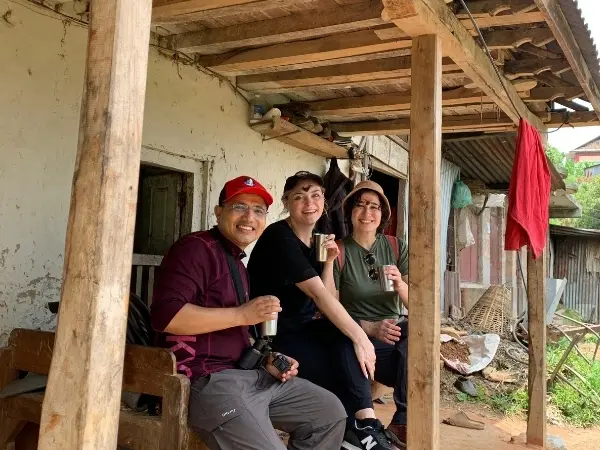
With fewer people or trekkers in winter, teahouse stays feel more intimate. Trekkers can sit closer to the fireplace, chat with local families and owners while enjoying slow and relaxed evenings over hot tea and dal bhat, instead of competing for the space.
Magical Winter Photography
Winter is fantastic for photography as it offers clear skies, snowy ridges, frozen streams, and bright starry nights which gives us a wide range of dramatic shots. Even simple village scenes look different and special with the touch of snow.
Soft Adventure Without Extreme Altitude (If You Choose Wisely)
Lower and mid‑altitude winter treks like Ghorepani Poon Hill, Mardi Himal, Everest View Trek, or Langtang Valley can offer snow and views without pushing into very high, risky zones, making it perfect for trekkers who want to enjoy the beauty of Himalayas with controlled exposure.
The Challenges You Need to Know Before You Go
Winter trekking in Nepal is beautiful, but it does come with a few challenges you should understand before you commit. Temperatures drop sharply at night, trails can be icy or snow‑covered in places, and shorter daylight hours mean you need to start early and finish each day’s walk on time. While trekking in Nepal in winter we also need to carry slightly more gear than in other seasons such as warm layers, proper boots, gloves, and a good sleeping bag which can increase load in back pack, so being realistic about your fitness and comfort level is important.
Weather can change quickly at higher elevations, and fresh snowfall may slow you down or require small route adjustments while Trekking in Nepal during Winter. Some high passes or very remote trails can even become risky or temporarily inaccessible, so choosing season‑friendly routes and being flexible with your plans is wise. However, by choosing a reliable local agency like Mount Face Nepal, these challenges are managed through careful itinerary design, lodge selection, and daily monitoring of the weather conditions, helping travelers winter trek stay safe, filly enjoyable, and well within the limits.
Month-by-Month Breakdown for Trekking Winter in Nepal: Nepal trekking December January February
December in the Himalayas: Early Winter Conditions on the Trail
December in the Himalayas feels like a gentle doorway into winter trekking Nepal, especially at lower and mid‑altitudes. In regions like Kathmandu Valley, Pokhara, and lower parts of Annapurna or Langtang, days are still relatively mild with cool, sunny weather, making it a comfortable time to walk without any intense heat or heavy rain. Skies are usually clear, views of snow‑capped peaks are really sharp, and the trails are quieter than peak season. So, December works beautifully as a transition month for trekkers who want winter atmosphere without full‑on deep‑freeze conditions.
However, in higher altitudes, December is when proper winter starts to show itself. Snowfall begins to be more frequent at elevated points, some sections of trail can become icy or covered in fresh snow, and nights turn noticeably colder in teahouses and tents which can make winter trek Nepal itinerary little challenging. But this doesn’t mean trekking stops, rather it means you choose your routes wisely, carry good layers and proper footwear, and stay flexible if fresh snow suggests minor changes in Nepal winter trekking packages.
With thoughtful preparation and support from an experienced team like Mount Face Nepal, December’s early‑winter conditions is perfect and can offer some of the best combination of clear views, quieter trails, and manageable cold on Himalayan treks.
January: The Coldest Month — What Changes on the Trek
January is usually the deep winter of the Himalayas, and traditionally it is coldest month on the trekking calendar. At higher altitudes, this month offer heavy snowfall, very cold nights, and a greater chance of certain high passes or remote routes being closed or risky to cross. In classic high trekking areas of Everest Base Camp Trekking, Annapurna Circuit Trek, and Langtang Valley Trek, temperatures can drop well below freezing at night, water pipes and taps can freeze, and trails may be buried under snow or become icy. Because of this, January is generally better suited for lower‑altitude or mid‑hill treks, like Ghorepani Poon Hill, Mardi Himal Trek, Everest View Trek, or short hill like Chisapani-Nagarkot Trekroutes near Kathmandu or Pokhara where conditions are cold but much more manageable.
However, in recent years, weather patterns have become less predictable. Some winters see lighter snowfall or delayed storms, and trekkers occasionally find surprisingly dry trails where they expected deep snow. So, it’s important to be realistic “less snow” doesn’t mean “no risk.” Cold wind, ice on shaded sections, and sudden changes in weather are still part of January winter trekking. The safest approach is to treat January as a month for carefully chosen routes, strong winter gear, and flexible planning.
February: Late Winter and the Shift Toward Spring
February winter Trekking in the Himalayas feels like the bridge between deep winter and the first hints of spring season. Days in this time start getting noticeably longer, which gives trekkers more daylight hours to walk, rest, and enjoy views without rushing. At mid‑altitudes in popular areas in the lower Annapurna, Langtang, and Everest regions, snow on the trail may begin to soften or melt, making paths less icy while still leaving the beautiful white caps on surrounding peaks. The air remains cool and fresh, but daytime temperatures often feel a little gentler than in January, which is comforting for trekkers who don’t want to enjoy extreme cold yet still want that crisp winter atmosphere.
Because of this seasonal shift, February is a great month for those who want winter scenery without peak‑winter hardship. Trekkers still get clear skies, snowy ridgelines, and quiet trails, and conditions at mid‑altitude are generally easier to manage with good layering and footwear. It’s also a practical time to start slightly more ambitious routes than in January like Annapurna Base Camp or higher points on Mardi Himal.
With a careful, updated plan from a reliable agency like Mount Face Nepal, trekkers can use February’s longer days and softening winter to enjoy the some of the best mixed season trekking, snow for beauty, while temperatures and trail conditions slowly moving toward spring comfort.
Detailed Compariision Table of Nepal Trekking in Winter: December, January, February
| Details | December | January | February |
| Weather | Cold and dry, with clear skies and excellent visibility. | Coldest month, with freezing nights and crisp, clear days. | Still cold, but conditions start to improve slightly as Spring is near to start. |
| Trail Conditions | Generally good on lower trails, high passes may be icy or snowy. | Trails are quiet, but higher routes can be very challenging. | More manageable than January, with better trekking comfort |
| Best For | Lower-altitude and moderate treks. | Experienced winter trekkers and shorter treks. | A good balance of winter scenery and safer trekking conditions. |
| Crowds | Low | Very Low | Low to Moderate |
| Mountain Views | Excellent | Excellent | Excellent |
| Difficulty | Moderate | High, due to colder temperatures | Moderate to high, depending on route |
| Packing Need | Warm layers, gloves, hat, insulated jacket. | Full winter gear is essential | Warm layers still needed, but slightly easier than January |
| Overall Trekking Feel | Calm, scenic, and peaceful. | Quietest and coldest trekking month. | Best overall winter balance for many trekkers. |
| Recommended Trekking Destinations | Poon Hill, Ghorepani, lower Annapurna treks, Everest View Trek. | Poon Hill, Mardi Himal lower sections, Everest View Trek, short cultural treks. | Annapurna Base Camp, Poon Hill, Everest View Trek, lower Everest region treks. |
Winter vs Spring Trekking in Nepal
Choosing between winter trekking or spring trekking in Nepal is based upon the kind of the experience trekkers are looking for. The winter trekking in Nepal offers you quiet trails, clear mountains and less number of people around, whereas in spring there are blooming rhododendron forests, pleasant weather conditions, and easy trekking trails. So, understanding the differences between these seasons can really help you pick the best time to trek in Nepal.
| Details | Winter | Spring | |
| Season | December to February | March to May | |
| Weather | Cold, dry, and often very clear. | Mild, stable, and gradually warmer. | |
| Trail Conditions | Fewer crowds, but higher trails can be icy or snowy | Better trail conditions and more reliable for higher altitude routes | |
| Mountain Views | Excellent visibility and sharp views on clear days. | Excellent visibility, often with better overall trekking comfort. | |
| Difficulty | More challenging because of cold temperatures | Moderate and usually more comfortable for most trekkers | |
| Best For | Trekkers who want adventurous, quiet trails and winter scenery | Trekkers who want the best balance of weather, views, and comfort | |
| Packing Need | Heavy winter layers, gloves, insulated jacket, warm sleeping bag | Light to medium layers, sun protection, and a warm jacket for evenings | |
| Overall Feel | Peaceful, cold, and adventurous |
|
Best Trekking Destination during Winter in Nepal
Everest View Trek
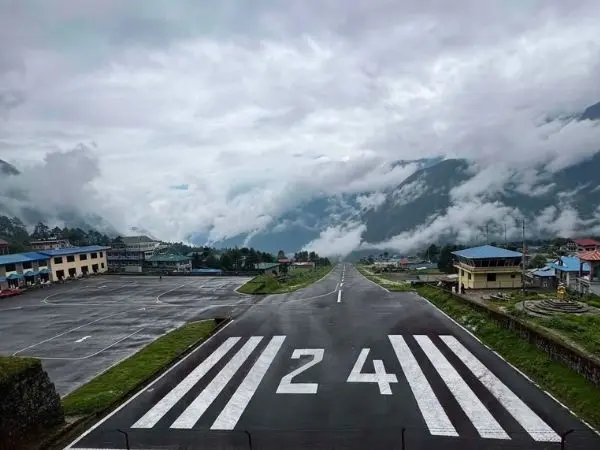
Everest View Trek is one of the best winter choices because it offers big mountain scenery with lower risk and altitude. In just a few days, trekkers can fly to Lukla, walk through Sherpa villages like Phakding and Namche, and reach classic viewpoints such as Everest View Hotel, Tengboche Monastery or nearby ridges where you can witness world's highest mountain Mt. Everest (8,848.86 m) including Lhotse, Ama Dablam, and other giants glowing under clear winter skies.
The days are shorter but crisp, the air is clean, and snowy peaks look especially sharp, making it perfect for families, first‑time trekkers, or anyone who wants iconic Everest vistas without deep‑winter expedition style hardship. Everest View Trek Difficulty in winter remains manageable because we generally stay below the most extreme altitudes and avoid technical terrain, while still experiencing the high suspension bridges, forested trails, and the unique culture of the Khumbu.
Ghorepani Poon Hill Trek: The Perfect Short Winter Trek for Beginners
Ghorepani Poon Hill Trek is one of the best short winter treks for beginners. It stays at relatively low altitude, with a maximum height of about 3,210 m at the Poon Hill viewpoint. The route from Nayapul through villages like Tikhedhunga, Ulleri and Ghorepani is well‑established and maintained with several comfortable teahouses that generally remain open even in the winter season.
Walking days are moderate, the trail is non‑technical, and trekkers pass through terraced fields and rhododendron forests that looks beautiful with snow, making it really ideal for first‑time trekkers and families who want a Nepal trekking in winter experience without pushing into serious high‑altitude conditions.
The real highlight of a winter Poon Hill Trek is the sunrise view over the Annapurna and Dhaulagiri ranges. In clear winter season, these majestic peaks often glow in golden and pink hues as the sun rises, creating dramatic, photo‑perfect panoramas that feel far bigger than the effort required to reach them. Trekkers can enjoy cozy evenings in teahouses with hot meals and a friendly-village‑style atmosphere rather than harsh expedition vibes.
Mardi Himal Trek: A Winter Favorite for Adventure Seekers
Mardi Himal Trek has become a winter favorite trekking destination for adventure seekers because it offers close‑up Himalayan drama without extreme altitude or crowds. The trail climbs gradually through forest and ridge lines to viewpoints around 4,000–4,500 m, and gives trekkers a striking, almost face‑to‑face views of Machhapuchhre (Fishtail), Annapurna South, and Hiunchuli. Even in busier seasons Mardi is quieter than many classic routes, and in winter it feels even more peaceful snow‑filled forests, silent ridges, and clear skies that make every peak here look sharper and more powerful.
For trekkers who want real adventure but not full expedition intensity, Mardi in winter is perfect with moderate altitude, a mix of lodge trekking and wilder sections, and plenty of chances to walk on light snow without needing technical skills. Trails can be slippery in shaded areas and the higher camps can be quite cold, so good boots, layering, and flexibility with daily plans are very important. When your route, pacing, and overnights are managed by an experienced agency like Mount Face Nepal, you get the thrill of raw ridgelines and dramatic Machhapuchhre views in one journey.
Langtang Valley Trek: A Quieter Winter Alternative Near Kathmandu
Langtang Valley Trek is an excellent quieter winter alternative for those who want mountain scenery close to Kathmandu without the crowds of Everest or Annapurna. The valley lies just a day’s drive from the capital, yet offers classic Himalayan landscapes,snow‑capped peaks, glaciers, pine and rhododendron forests, and traditional Tamang villages. Altitude is moderate compared to higher and more demanding routes, making it suitable for trekkers who are reasonably fit but prefer to avoid extreme elevation and very long expedition‑style itineraries.
Fresh snow on surrounding peaks and ridges adds a beautiful, wild atmosphere, while village life continues at a gentle pace on Langtang Valley Trek, giving you plenty of cultural interaction as you walk.
Chispani Nagarkot Trek
Chisapani–Nagarkot Trek in winter is the wonderful and perfect low‑altitude option for trekkers who want Himalayan views and light adventure without harsh conditions. Starting near Kathmandu, the route passes through Shivapuri National Park, lush rhododendron forests, and small villages, with cool, fresh air and occasional frost or light snow adding a seasonal touch. Because the altitude is relatively modest compared to big mountain treks like Everest Base Camp or Annapurna Circuit Trek, walking becomes really comfortable for most reasonably fit people.
This makes it as a great choice for beginners, families, or those short on time who still want sunrise and sunset views over snow‑capped peaks. In winter trekking Nepal, the hills around Chisapani and Nagarkot often offer crystal‑clear panoramas of the Langtang, Dorje Lakpa, and even distant parts of the Everest range on very clear days. Lodges and guesthouses along the route in winter are generally open which provide warm meals, basic heated common areas, and cozy evenings.
Annapurna Base Camp in Winter: Is It Possible?
Yes, Annapurna Base Camp Trek in winter can be done and is possible. But, it comes with a few very important conditions that trekkers need to respect and follow strictly. The trail remains beautiful, with snowy ridges, clear skies, and dramatic amphitheater views of Annapurna I, Hiunchuli, and Machapuchare. However, we'll be walking on snow and sometimes icy sections, especially above Deurali. And temperatures at Base Camp can drop well below freezing at night. This means trekkers need heavier gear than in autumn or spring which includes proper insulated boots, warm down or synthetic jacket, good gloves, hat, and a quality sleeping bag rated for sub‑zero conditions.
Teahouses are generally open and booked in advance by trekking agency like Mount Face Nepal. However, routes and daily distances may need to be adjusted if fresh snowfall covers parts of the trail. Because of these variables, Annapurna Base Camp in winter is best done with an experienced guide and an reliable agency like Mount Face Nepal, who can check which lodges are open, monitor weather and avalanche risk, choose safe timings for higher sections, and help you carry the right gear. With that level of preparation and support, winter ABC trek can be really stunning and rewarding experience rather than a risky gamble.
Everest Base Camp in Winter: What Experienced Trekkers Should Know
Everest Base Camp Trek in winter is still possible, but this is for well‑prepared and experienced trekkers rather than the casual first‑timers. The Everest Base Camp Trekking route remains spectacular with crystal‑clear views of Everest, Lhotse, Ama Dablam and the entire Khumbu region while offering quiet trails, and a very raw Himalayan atmosphere. However, Everest Base Camp weather can drop extremely low, especially above Dingboche and Lobuche and trekkers often need to walk on snow or ice, with strong wind chill around EBC and Kala Patthar.
In deep winter, some high‑altitude teahouses may close or run with reduced services, and water, toilets, and common areas can be basic and partly frozen. Daily plans needs to be customized if fresh snowfall or icy conditions appear, and acclimatization must be respected even more carefully because cold and fatigue add to the altitude stress. For these reasons, winter EBC is recommended mainly for trekkers who already have multi‑day high‑altitude experience and are comfortable in harsh conditions.
With proper Everest Base Camp Preparation, best insurance coverage, hiring experienced guides and portersand help from an reliable agency like Mount Face Nepal, Everest Base Camp in winter in possible.
Equipment required for trekking in Nepal during Winter
The high-altitude mountain regions of Nepal become extremely cold during winter and often receive heavier snowfall. However, several trekking routes remain open throughout the season. So,wWith the right preparation, packing warm clothing, proper layering, and suitable trekking gear, you winter trekking in Nepal can become comfortable even as temperatures drop.
To help you prepare for trekking Nepal in winter, here is a list of the essential trekking equipment you should carry for your trek.
General
- Duffel or Rucksack Bag
- Sleeping bag
- Down jacket
- Daypack
Head
- Sun hat or scarf
- Sunglasses with UV protection
- Light balaclava or warm fleece hat
Footwear
- Thick, warm wool hiking socks
- Thin, lightweight inner socks
- Gaiters for hiking in winter
- Hiking boots with spare laces
- Camp shoes (sneakers/sandals)
Handwear
- Lightweight gloves
- Waterproof shell outer
- Heavyweight gloves or mittens
Lower Body
- Under Garments
- Light and expedition weight thermal bottoms
- Lightweight cotton long pants
- Waterproof shell pants (preferably breathable fabric)
- Fleece or wool pants
Upper Body
- T-shirts
- Light and expedition weight thermal tops
- Fleece Wind-Stopper Jacket
- Fleece jacket or pullover
- Waterproof shell Jacket
Accessories
- Headlamp with spare bulbs and batteries
- Sleeping bag rated to zero degrees
- Large plastic bags- for keeping items dry inside trekking bag
- Trekking Bags/Duffel bag
- Basic First Aid Kit
- Water bottles
- Day pack
- Trekking poles
- Earplug (optional if you can’t sleep listening to snores of your group members)
- Toiletries and Personal Hygiene
- Quick-drying towel
- Toothbrush and Toothpaste
- Deodorants
- Multipurpose soap/ hand wash
- Antibacterial handwash
- Tissue / Toilet roll
- Feminine Hygiene products
- Face and Body Moisturizer
- Wet wipes
Extra / Luxuries (Optional)
- Camera
- Binoculars
- Pillow case
- Trail Map/ Guide Book
- Sleeping bag liner
Final Words
Winter trekking in Nepal isn’t just a “cold season alternative”, rather it offer its own kind of magic. Clear skies, quiet trails, and snow‑capped Himalayan ranges turn even familiar routes into something new and adventure, whether you’re walking to Poon Hill, gazing at Everest from a viewpoint, or exploring Langtang and Mardi ridges under a thin blanket of snow. With the right expectations, warm gear, and a flexible mindset, December, January, and February can offer some of the most photogenic and peaceful trekking experiences of the year in Nepal, especially on lower‑ and mid‑altitude trails.
The key for successful trekking in winter is simple, choose suitable routes, respect the season, and listen to your guide. If you plan with a reliable local agency like Mount Face Nepal, you get realistic advice on which treks fit your experience level, updated information on trail and lodge conditions, and an experienced guides who know how to balance safety with adventure. That way, winter trekking in Nepal becomes exactly what it should be with crisp air, clear mountains, cozy teahouses, a quieter and more intimate connection with the Himalayas.