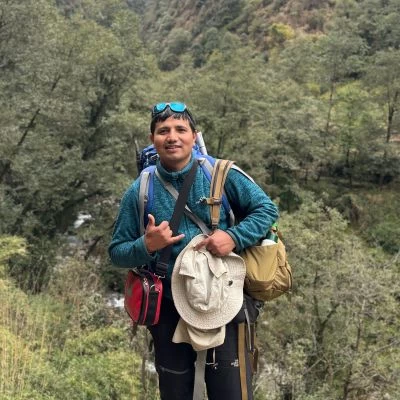
The best time to visit Nepal is during autumn and spring seasons. Autumn from September to November provide travelers the clearest and sharpest mountain views after the monsoon clears the air. While spring from March to May brings warmer days with blooming rhododendron forests and comfortable trekking conditions. October often is the best month to visit Nepal with its dry trails, sharp visibility and the lively atmosphere of Dashain and Tihar festival.
the right time really depends on what travelers want. If you want the quieter trails then winter (December to February) is perfect for you with cultural trips and wildlife safaris in Chitwan and Bardia, where the dry grass and cooler weather increase the chances of animal sightings. Meanwhile, for festival hunters’ autumn is best as they can enjoy Dashain and Tihar, and Holi plus Buddha Jayanti in spring. Photographers usually get attracted toward October and November for the sharpest light and longest clear views.
you’re planning a trip and want help matching the season to what you’re after, Mount Face Nepal is a good place to start. We help travelers to pick the right window based on whether they're prioritizing trekking, festivals, wildlife, or budget friendly tour. Also, our local knowledge covers everything from trail conditions to festival dates. Our team can also customize your itinerary around your specific timing, so you get the most out of whatever season you choose to visit.
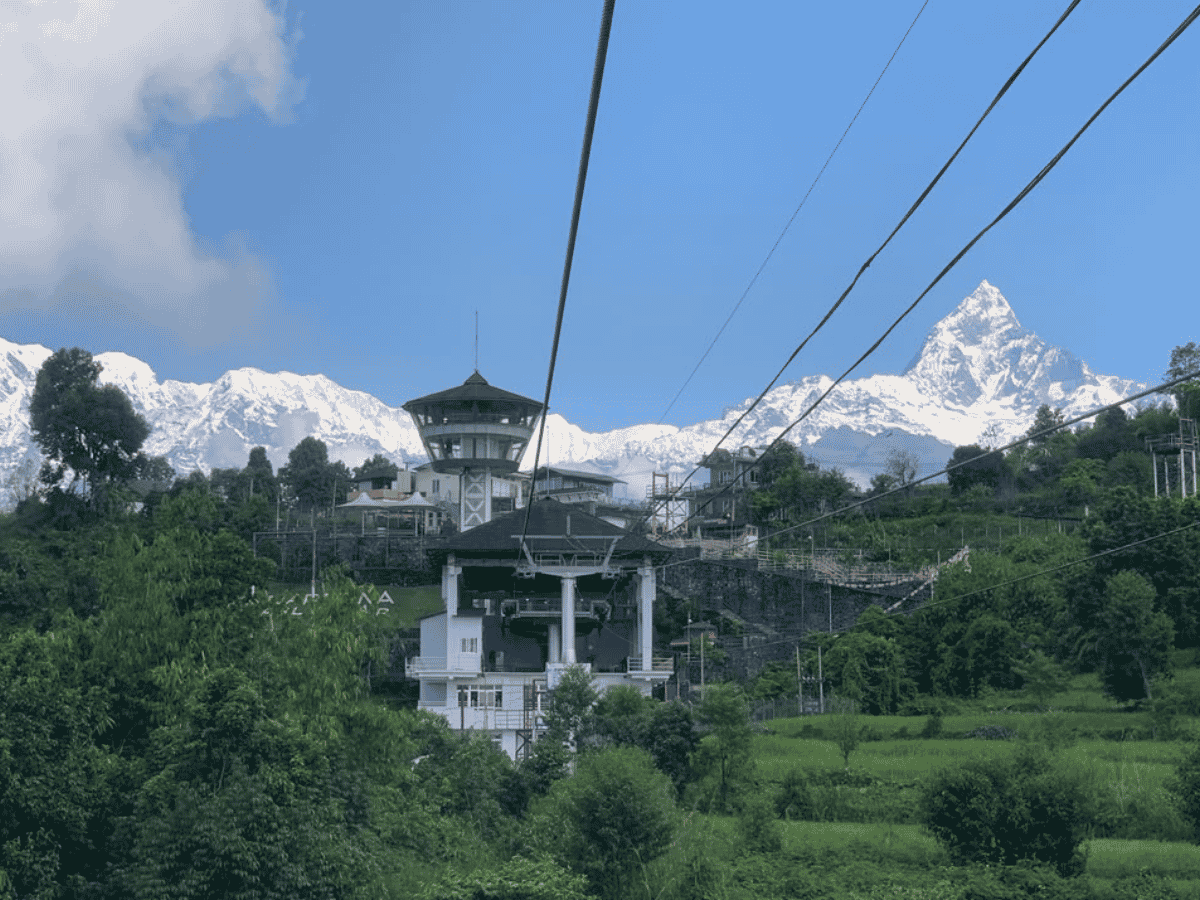
Quick Facts: Best time to Visit Nepal
| Travel Priority | Best Time | Why |
| Trekking | October–November; March–May | Stable weather and clear mountain views |
| Best Himalayan Visibility | Late September–November | Post-monsoon clarity |
Lush Rhododendron Flowers | March–April | Blooming season in mid-hills |
| Festivals | October–November, February–May | Dashain, Tihar, Holi, Buddha Jayanti |
| Wildlife and jungle safari | October–March | Drier conditions in Chitwan and Bardiya |
| Budget travel | December–February, June–August | Lower demand, though weather trade-offs apply |
| Fewer Crowds | Winter and monsoon | Quieter trails and attractions |
How Nepal’s Elevation Affects Weather
Nepal's elevation is what really drives its weather condition, with temperature dropping about 6°C for every 1,000 m you climb. The Terai lowlands around Chitwan sit near sea level and can hit 40°C in summer, while Kathmandu and Pokhara in the mid-hills stay milder at 20–30°C. Higher up, places like Namche, Gorak Shep or Annapurna Base Camp sit above 3,500 m where nights drop well below freezing even in warmer months.
is why a single trip can have you in a T-shirt in Kathmandu or Pokhara one day and reaching for a down jacket at Gorak Shep or ABC a week later. The Himalayas act as a barrier too, blocking cold Central Asian winds in winter and shaping where the monsoon rain falls, so weather isn't just about season, it's about how high you are standing.
Kathmandu, Pokhara, Chitwan and Himalayan Trails Weather by Season
Nepal’s diverse geography and climate mean the best time to visit really depends on where you’re headed. Kathmandu, Pokhara and Chitwan each give you something different through the year, and the seasons shape everything from sightseeing, adventure activities and wildlife exploration.
| Destination | Season | Typical conditions | Best For |
| Kathmandu | Autumn | Mild days, cool nights, clearer skies | Culture, festivals, trekking start |
| Pokhara | Spring/autumn | Pleasant days, greener landscape, mountain views | Trekking, lakeside relaxation |
| Chitwan | Winter | Cooler, drier, better wildlife viewing | Jungle Safari |
| Himalayan trails | Autumn/spring | Cold nights, clearer days, variable conditions | Trekking |
Nepal Trekking Weather and Seasons: What Travelers Need to Know
Autumn Trekking in Nepal: September to November
Trekking in Nepal which runs from September to November is widely considered the best time to visit Nepal for trekking. The monsoon clears out by early October, leaving behind crisp dry air, firm trails, and the sharpest mountain visibility of the year. October is the best month to visit Nepal for views, though it's also the busiest, with teahouses and domestic flights booking out weeks in advance.
September is a good middle ground, with fewer crowds and greener landscapes, though early in the month you might still catch leftover monsoon rain or haze. November is another best time to trek in Nepal as it brings arguably the clearest skies of all, with thinner crowds after the festivals wind down, but nights at altitude turn cold, so it’s better to carry a warm sleeping bag and extra layers by the second half of the month.
Spring Trekking in Nepal: March to May
Spring trekking in Nepal from March to May brings warmer days, longer daylight hours, and the country’s famous rhododendron blooms, painting the mid hills red and pink. April is the standout month, balancing comfortable temperatures, full blooms, and mostly stable weather, while March still carries some cold and lingering snow on higher passes. Starting your walks early helps you catch the best visibility, and late March to mid-April is the sweet spot if you want both the blooms and decent air clarity.
Winter Trekking in Nepal: December to February
Winter trekking in Nepal from December to February brings the clearest skies and sharpest mountain views of the year, with trails noticeably quieter and peaceful, making it another best time to trek in Nepal. January is the coldest month, with nights dropping to -10 °C or lower above 4,000 m and occasional snowfall dusting the higher sections. Lower and mid elevation routes like Poon Hill, Langtang, and Mardi Himal stay very doable with warm gear, offering big Himalayan views with a fraction of the usual crowds.
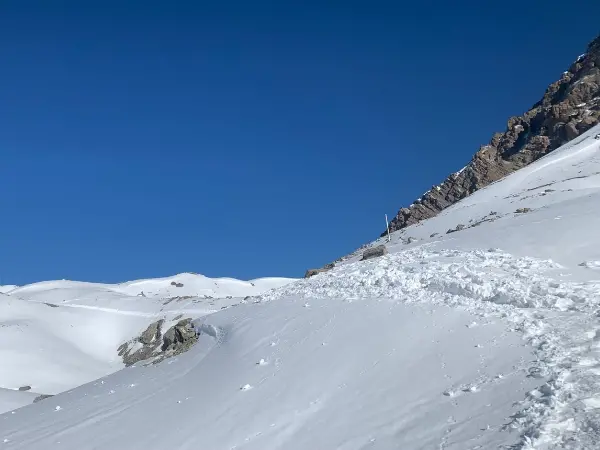
The main thing is to watch is high passes like Thorong La, Cho La, and Larkya La as they can get closed with snow. So, it’s worth checking conditions with local guides before committing to a route that crosses one.
Monsoon Trekking in Nepal: June to August
Monsoon Trekking in Nepal from June to August brings heavy rainfall with muddy and slippery trails, leeches in the lower forests, thick cloud cover that hides mountain views, and frequent flight delays or road closures from landslides. It’s the season most trekkers avoid for classic routes like Everest or Annapurna, since visibility and trail conditions both suffer badly.
The exception is the rain-shadow region, as Upper Mustang, Dolpo and Nar Phu sit behind the Annapurna and Dhaulagiri ranges, which block most of the monsoon moisture, leaving these high-desert valleys dry and trekking friendly. However, its important confirming current road access, flight schedules and trail conditions before you go, since the approach routes still can be affected by weather.
Best Time for Everest Base Camp Trek
The best time for the Everest Base Camp Trek is during spring (March to May) and autumn (September to November), when skies are clearest, trails are dry and Lukla flights run most reliably. Spring brings warmer days and rhododendron blooms lower down, while autumn offers the sharpest visibility of the year, with October and November standing out as the prime months. Nights stay cold at high altitude for whole year, dropping well below freezing point near Gorak Shep even in peak season, so warm layers and a good sleeping bag are really essential. Lukla flights depend on visibility and wind, so keeping one or two buffer days at the end of your itinerary can be helpful.
Best Time for Annapurna Region Trek
The best time to trek in the Annapurna region is during autumn (September to November) and spring (March to May). Autumn brings clearer mountain views, more settled weather and comfortable walking conditions once the monsoon has pulled back. Spring gives you warmer days and the blooming rhododendron forests, especially around Ghorepani and Chhomrong. Both seasons work well whether you’re doing short village walks or longer treks, though late-spring haze can sometimes soften the distant views, particularly down in the lower valleys.
Best Time for Manaslu Circuit Trek
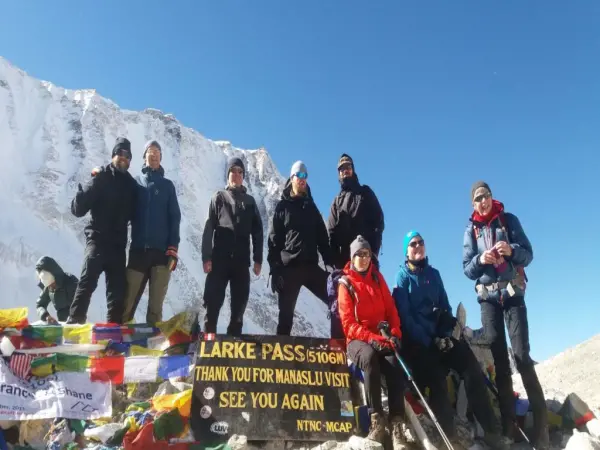
The best windows for the Manaslu Circuit are autumn (September to November) and spring (March to May). That’s when the weather settles, the trails stay dry and the mountain views are clearest. October is the best month to visit Nepal if you want the most reliable shot at crossing Larkya La, while spring brings warmer days and the rhododendrons blooming on the lower stretches.
Larkya La sits at 5,106 m and is the real challenging section of the trek. Snow, wind or a sudden storm can still shut it down or delay the crossing even in peak season, so it's better to build one or two buffer days into the itinerary. That way you will get enough time to wait out bad weather instead of rushing the pass or having to cut the trek short.
When Is the Best Time to Visit Nepal for Upper Mustang Trek?
The best time for the Upper Mustang Trek is during spring (March to May) and autumn (September to November), when the weather is stable and mountain views are at their sharpest. However, what makes Upper Mustang special is its rain-shadow position behind the Annapurna and Dhaulagiri ranges, which means it stays largely dry even during the June to August monsoon that shuts down most of Nepal's other trails.
Spring is also when the Tiji festival takes place in Lo Manthang, usually in late May or early June depending on the Tibetan lunar calendar. It’s a three-day celebration of masked dances and Buddhist rituals, where monks wear traditional costumes and re-enact the victory of good over evil, and it’s one of the best reasons to time your trek around a specific date.
Best Time to Visit Nepal for Festivals and Culture: Nepal Festival Calendar
| Festival | Typical Period | Where to experience it | Highlights |
| Holi | February/March | Kathmandu, Pokhara, Terai | Colorful street celebrations and water fights. |
| Buddha Jayanti | April/May | Lumbini, Boudhanath, Swoyambhunath | Buddha’s birth, enlightenment, and death commemorated with prayers and processions. |
| Tiji Festival | May/June | Upper Mustang, Lo Manthang | Unique monks masked dances, cultural shows, horse riding races |
| Indra Jatra | September | Kathmandu Valley | Lakhe dances, Kumari (Living goddess) and crowds |
| Dashain | September/October | Nationwide | Nepal’s biggest festival; family reunions, tika blessings, and kite flying. |
| Tihar | October/November | Nationwide, especially Kathmandu Valley | Five days of lights, rangoli, Deusi-Bhailo singing, and Kukur/Gai Tihar. |
| Chhath | October/November | Janakpur and Terai | Sun-worship rituals at rivers and ponds with offerings and fasting. |
| Mani Rimdu | October/November | Everest region (Tengboche, Chiwong, Thame Monastery) | Masked Cham dances, prayers, and blessings by monks. |
Best Time to Visit Nepal for Wildlife and Jungle Safari
The best time to visit Nepal for wildlife and jungle safaris in Nepal is during the dry season which is roughly from October to April. On this period, vegetation thins out and animals gather around shrinking water sources. Chitwan and Bardiya both come alive during this window, with rhinos, deer, wild elephants and tigers becoming easier to spot as the tall grass is cut back and rivers become the main gathering points.
Winter (December to February) and early spring (February to April) are the strongest periods overall. Winter offers cool, comfortable days with good visibility, while early spring brings warmer weather and even better animal sightings as water sources shrink further. The monsoon from June to September is better to avoid, since heavy rain floods the parks, makes roads impassable and hides most wildlife into dense cover.
Best Time to Visit Nepal for Budget Travelers
The best time for budget travelers to visit Nepal is during winter (December to February) and monsoon (June to August) seasons. Here, Nepal tourist season demand drops and hotels, flights and tours can be cheaper than peak season. Monsoon season can be cheaper too but brings rain, leeches, cloud hidden mountains and flight delays. Both seasons still work well for cultural sightseeing, city tours and lower altitude destinations like Chitwan, Pokhara, and Lumbini.
Best Time to Visit Nepal for Families
Visiting Nepal works for families year-round, but the most comfortable windows are October to November and March to April, when the weather is stable, the skies are clear and temperatures stay mild across the country. These months suit shorter itineraries and destinations with reliable facilities, like Kathmandu’s temples, Pokhara's lakeside, and the wildlife safaris of Chitwan.
For families who wants taste of trekking, low altitude routes like Ghorepani Poon Hill, Mardi Himal and the Chisapani-Nagarkot trail near Kathmandu are ideal, since they keep sleeping altitudes below 3,000 m and offer good teahouse support. Nagarkot itself is a great add-on for a sunrise mountain view without committing to a multi-day trek, and Chitwan's safaris work especially well in winter when the weather is cooler and animals gather near water.
Best Time to Visit Nepal for Photographers
For photographers, autumn (October to November) is the prime window in Nepal, delivering the clearest air and sharpest mountain visibility of the year after the monsoon washes away dust and haze. This is when peaks like Everest and Annapurna show up with maximum contrast, and the season also brings Dashain and Tihar, giving you rich cultural material alongside the landscapes.
Spring (March to May) trades some of that clarity for color rhododendron blooms that turn the mid-hill forests into a vivid foreground for mountain shots, and Holi in March brings explosive festival photography. Winter (December to February) is underrated for photographers who want empty trails and exceptionally crisp air, especially in Upper Mustang where the red canyon walls pop against brilliant blue skies. Monsoon (June to August) suits moody, atmospheric work with misty terraces, storm light, and lush green landscapes, though mountain visibility suffers.
Final Words
Nepal rewards travelers year-round, but the best time really depends what you're after. October and November are the overall sweet spot, with clear skies, stable weather, and the country's biggest festivals. March and April suit spring trekkers and flower lovers, while wildlife watchers get the best results from October to March in Chitwan and Bardiya.
Budget travelers and those chasing solitude do best in winter or monsoon, when prices drop and trails quiet down, though weather trade-offs mean it’s better to have a flexible itinerary. Whatever season you choose, matching it to your priorities, trekking, culture, wildlife, or budget makes all the difference. With Mount Face Nepal, you get local expertise that helps you pick the right window and build an itinerary around it, so your trip fits both the season and your goals.