Overview: Mardi Himal Trek Difficulty Level
The Mardi Himal Trek is moderate difficulty trek in Annapurna region and sits around 4–5 out of 10 on Nepal’s trekking difficulty scale. It’s beginner-friendly, but don’t mistake it for a casual stroll. If you’re reasonably fit and new to trekking, you’ll manage with some preparation. Expect 9–12 days on the trail, walking 5–7 hours daily over steady and well-marked paths. The highest point reaches near 4,500m, so proper acclimatization is very important. No technical climbing skills are required, but good fitness and preparation are essential for an enjoyable experience.
Mardi Himal Trek Difficulty at a Glance
| Details | Mardi Himal Trek |
| Overall Difficulty | Moderate |
| Daily Walking | 4–7 hours per day, longer days around High Camp and Base Camp |
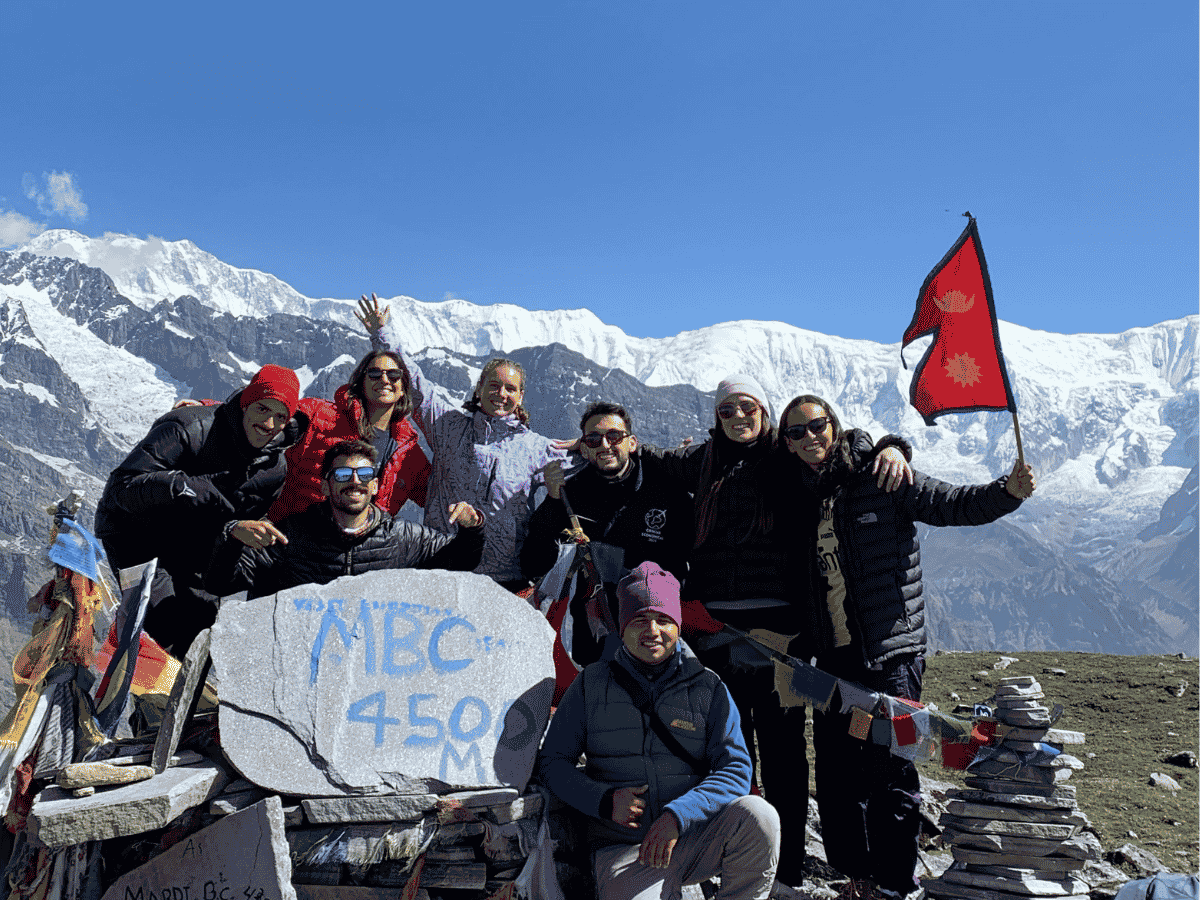
| Highest Altitude | 4,500 meters at Mardi Himal Base Camp |
| Altitude Challenge | Moderate, but altitude sickness is possible. |
| Elevation Gain | 400–900m |
| Trail Conditions | Forest paths and stone steps lower sections, narrow ridges and rocky terrain above High Camp |
| Hardest Section | Early morning hike towards Upper Viewpoint/Base Camp |
| Fitness Requirement | Comfortable walking 5–6 hours uphill on uneven terrain. |
Plan Your Mardi Himal Trek with Mount Face Nepal Today
Looking forward for an exciting adventure on Mardi Himal Trek? If so, let Mount Face Nepal you to make your Himalayan trekking journey much comfortable, safer, and fully memorable.
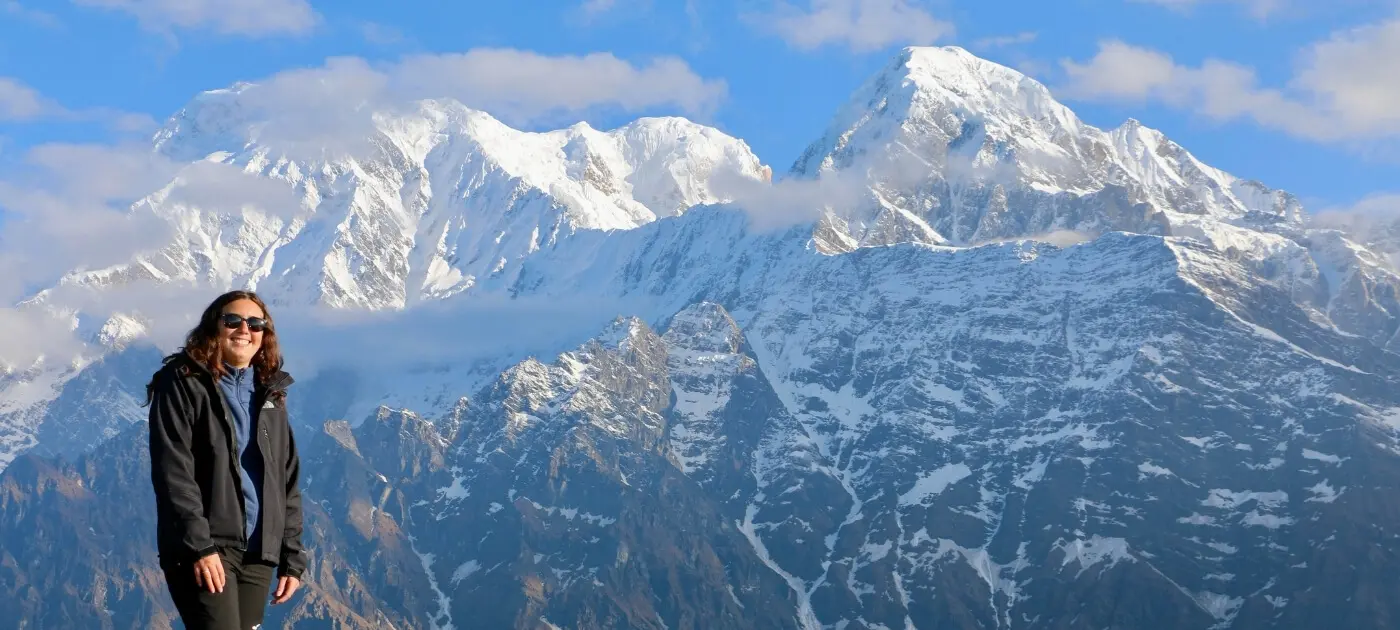
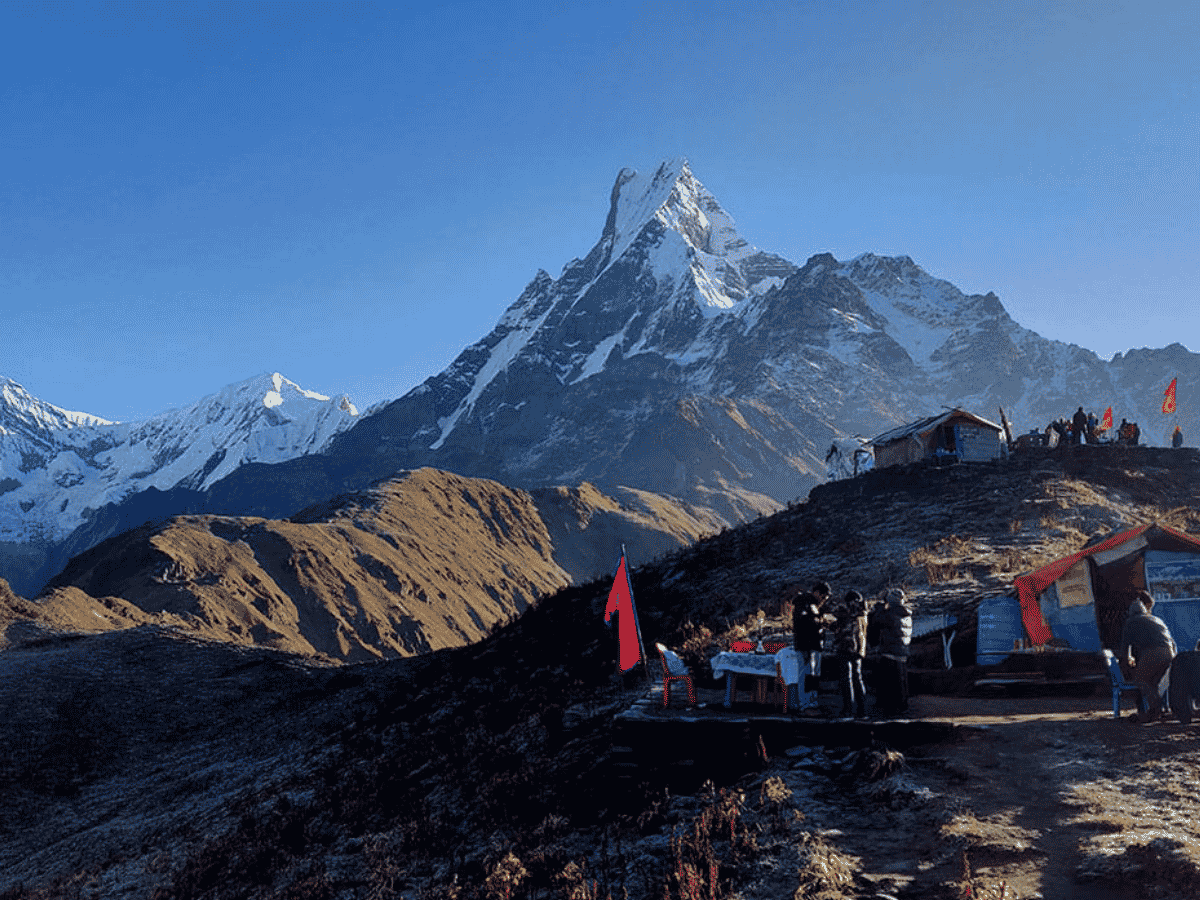
Our Mardi Himal Trek 9 Days Package has been carefully planned to give trekkers an enough time to explore the stunning natural beauty, traditional villages, peaceful forests, and the breathtaking views of the peaks like Mardi Himal, Fishtail, Annapurna South, Hiunchuli, and lots of other peaks of Himalayas.
With the support from Mount Face Nepal's experienced local trekking team, you can enjoy the journey under the supervision of professionals, whose main focus remains on on making your trip safe and comfortable.
Want to enjoy Mardi Himal Trek? Visit our Mardi Himal Trek 9 Days Tour Package to know more about the itinerary, inclusion, cost, and booking information.
Book your Mardi Himal Trek with Mount Face Nepal and get chance to experience the Himalayas with confidence.
What Actually Makes Mardi Himal Trek Difficult?
- Physical and stamina demands:On Mardi Himal Trek, trekkers walk for 5–8 hours daily, often climbing steep stone staircases that test your legs and lungs. It’s not that extreme trek, but consistent effort over several days means decent fitness is a must requirement.
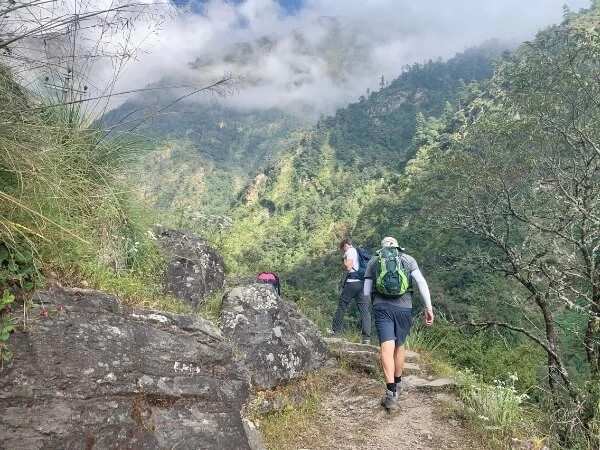
- Terrain challenges:The Mardi Himal Trekking trail starts in lush forests but shifts to a narrow and exposed ridge above 3,500 meters. This section feels more technical than the rest which requires steady and careful footing, though it’s still manageable for prepared trekkers.
- Altitude considerations:Reaching 4,500 meters puts you firmly in high-altitude territory. Though it is not extreme high altitude, some trekkers still may experience mild altitude sickness symptoms like headaches or shortness of breath, making proper acclimatization really essential for safety and comfort.
- Weather and exposure:On the Mardi Trek ridge, wind and cold can be challenging, especially during early morning summit pushes to Upper Viewpoint or Mardi Himal Base Camp. Wearing warm clothes and timing your starts wisely helps, but you’ll need to be ready for cold winds and exposed conditions even in good seasons.
To overcome these difficulties, Mount Face Nepal experienced guide will regularly monitor and assist you whenever needed.
The Hardest and Longest Day on Mardi Himal Trek: Hour by Hour Guide
Section 1: The Pre-Dawn Alpine Ridge Climb
Route: High Camp (3,580m) to Lower View Point (4,120m)
Time: 04:00 AM – 06:00 AM (2 Hours)
Distance: 2.5 kilometers
Trekkers wake up early and start trekking toward Lower View Point while it’s still dark. The trail goes steeply up the ridge right away, with rough stone steps and hard dirt that can be slippery from morning frost. As we climb higher, the path gets narrower where we’ll need a headlamp to watch our steps. You don’t need to worry though, Mount Face Nepal guides regularly monitor you. Trekkers then leave the trees behind and move into open alpine terrain. Ahead, we can see a line of headlamps from other trekkers making their way up. To your left, the big dark shape of Machhapuchhre (Fishtail) stands out against the night sky. After reaching Lower Viewpoint we will take short tea break or hot drinks, enjoying the mighty Machhapuchhre view.
Section 2: Navigating the Exposed Ridge to the Upper View Point
Route: Lower View Point (4,120m) to Upper View Point (4,300m)
Time: 06:00 AM – 07:30 AM (1.5 Hours)
Distance: 1.5 kilometers
This part feels more exposed as the Mardi Himal trail narrows to a single-person path right along the rocky ridge top. Some sections are carved into the cliffside, switching between loose gravel and rough boulder steps. If there’s fresh snow or winter ice, it can get tricky. Strong winds often blow across this open ridge, so you’ll need to keep your balance. Upon reaching Upper Viewpoint, sunrise paints Mardi Himal, Machhapuchhre, Annapurna South, and Hiunchuli in pink and gold, creating magical moment. After resting here for a while, we will move towards Mardi Himal Base Camp.
Section 3: The Final Climb to Mardi Himal Base Camp
Route: Upper View Point (4,300m) to Mardi Himal Base Camp (4,500m)
Time: 07:30 AM – 09:30 AM (2 Hours)
Distance: 1.5 kilometers
This is the toughest and most tiring part of the day on Mardi Himal Trekking journey. The clear trail mostly disappears and is replaced by a rough path where you will need to climb steep rocky steps. At 4,500 meters, the air feels thinner, making every step harder. After reaching Base Camp, you stand right below the massive south face of Mardi Himal (5,587m) and the steep walls of Machhapuchhre. The views down into the Annapurna Sanctuary valley are both magical and breathtaking. After enjoying unforgettable experience at Base Camp, we will start descending.
Section 4: Descent to Lower View Point
Route: Mardi Himal Base Camp (4,500m) back to Lower View Point (4,120m)
Time: 09:30 AM – 11:30 AM (2 Hours)
Distance: 3 kilometers
Heading back down the ridge needs your full attention because Mardi Himal Trek difficulty level can increase here. Your breathing gets easier, but your knees and joints take a harder hit. Coming down the steep and loose gravel from Base Camp to Upper View Point can be slippery, especially as morning frost melts into mud. Trekking poles are a must to keep your balance on the steep stone steps. With the morning sun high overhead, the whole Annapurna range lights up clearly in the golden colors. You can see the deep valleys of Modi Khola and Mardi Khola far below, along with distant hill villages dotting the green ridges in the distance.
Section 5: Lower Viewpoint to High Camp
Route: Lower View Point (4,120m) return to High Camp (3,580m)
Time: 11:30 AM – 01:00 PM (1.5 Hours)
Distance: 2.5 kilometers
As we get closer to High Camp, this section of Mardi Himal trail widens a bit, turning back into a well-trodden dirt path with regular stone steps. By now, tired legs are your biggest challenge after hours of steady walking and balancing. The slope stays steep until the last few steps leading into the lodge area. Below 3,800 meters, the open alpine shrubs give way to the edge of the lush rhododendron forest. Reaching High camp at afternoon means you’ve completed the loop, with a hot lunch waiting for you. However, we still need to complete one more section i.e. descending to Low Camp.
Section 6: Final Descent to Low Camp
Route: High Camp (3,580m) to Low Camp (2,970m)
Time: 02:00 PM – 04:30 PM (2.5 Hours)
Distance: 4.5 kilometers
part is a long, steady downhill that drops over 600 meters, tough on the knees. We leave the open rocky ridge and head back into thick forest. Lower down, the trail turns into a dirt path crossed by tree roots and slick moss. Trekking poles really help here to ease the impact on your joints and prevent slips on the muddy forest floor. The scenery changes from the windy alpine zone to a quiet, misty rhododendron and oak cloud forest. Midway, we'll reach Badal Danda (3,250m), or “Cloud Hill,” a small ridge with a few lodges. After trekking for a while, finally we will reach Low Camp, where we will spend overnight. Understanding the Mardi Himal Trek difficulty helps you prepare for descents like this, where steady pacing and good gear make all the difference.
Is Mardi Himal Trek Suitable for Beginners?
Yes, the Mardi Himal Trek is very suitable for beginners. The whole trek is completed within 6–10 days, making it perfect for beginners and busy travelers. Trekkers do not require any technical climbing skills and the trail follows standard walking paths and stone steps. No ropes or special gear is required too, making Mardi Himal Trek Difficulty Level easy to moderate. The highest overnight stop is in High Camp and is located around 3,550–3,660 meters, while the higher viewpoint reaches 4,200–4,500 meters, which keeps the risk of severe altitude sickness low.
Along the way, we will find family-run teahouses and lodges offering clean rooms and hot meals every night, so trekkers can spend night comfortably. The trails are also less crowded than other Annapurna routes, letting new hikers to move at their own pace. For first-timers, it’s wise that they choose reliable agencies like Mount Face Nepal and build basic fitness with cardio and leg workouts before starting journey, and to plan your trip in spring (March–May) or autumn (September–November) for the best weather and clear mountain views.
Accommodation and Supplies in route to Mardi Himal Trek
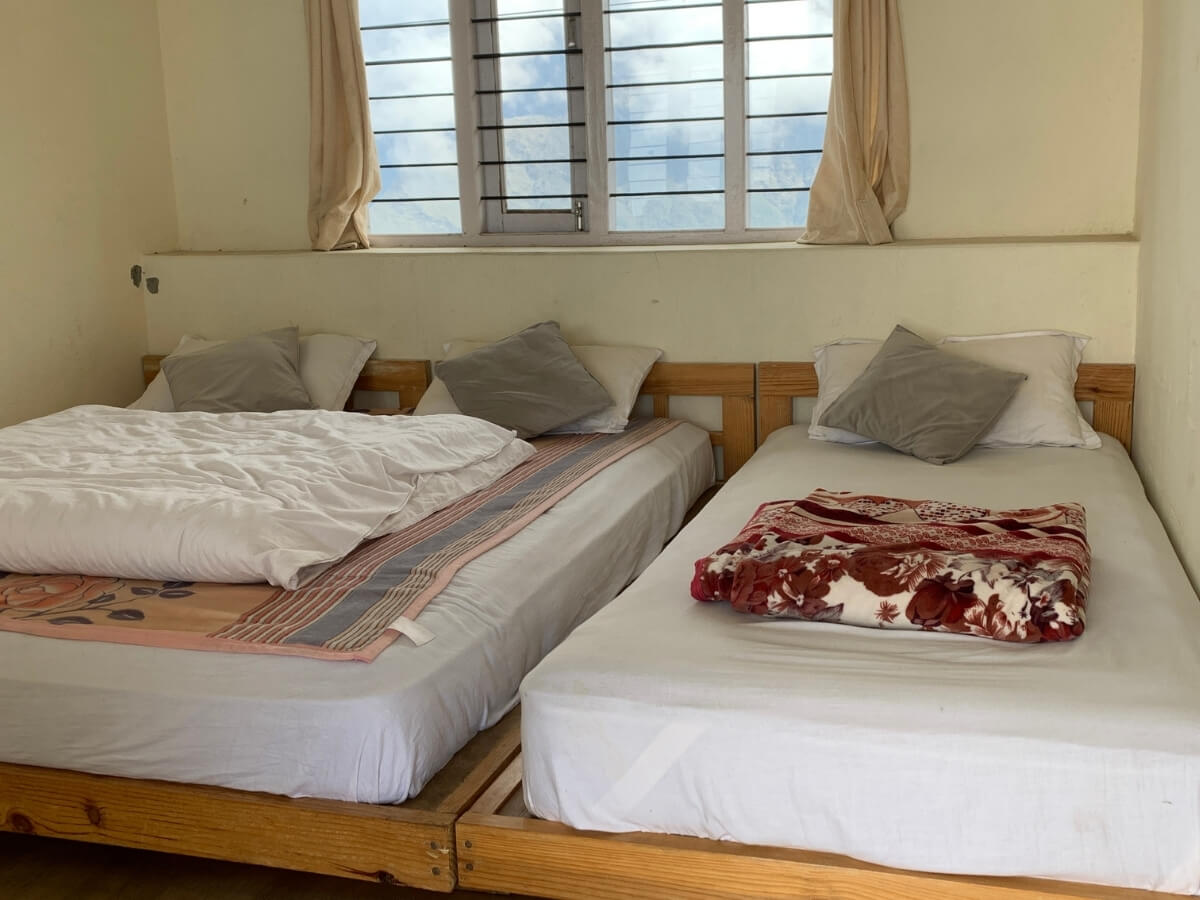
Teahouses in the Mardi Himal Trek provides simple lodging and tasty meals, making the trek comfortable and authentic. As there will be many tourists in peak seasons it will be difficult to find hotel rooms its better to book it in advance. It’s better to carry basic essentials such as snacks, water bottles, water purification tablets and warm clothes. Only expect basic facilities with shared bathroom and limited electricity but with kind warmth and hospitality in Mardi Trek.
Along the way, you will find local Nepali teahouses serving warm Nepali meals such as dal bhat, noodles, soups, momos etc. The accommodation might not be lavish but it is welcoming and comfortable, often operated by local families who shares stories over hot tea by sitting near the fire. The Mardi trek also offers to experience the local Gurung culture where people are very kind and simple. You will feel both challenged and comforted at the same time, a balanced feeling only Nepal and Mardi Himal Trekking can offer.
Altitude Sickness Risk Difficulty on Mardi Himal Trek
The risk of altitude sickness on the Mardi Himal Trek is relatively low because the highest point trekkers reach is at an altitude of 4,500 meters only. However, the Mardi Himal Trek altitude can still cause mild symptoms like headaches, dizziness, or shortness of breath can still occur, especially if you trek too fast. So, trekkers need to drink plenty of water, take enough time to acclimatize properly, and avoid smoking and alcohol during the trek to safe. Also Mount Face Nepal experienced guides will regularly check or monitor you, adjust the pace if needed, and make sure you’re moving at a safe and comfortable rhythm all the way up.
How to prepare for the Mardi Himal Trek?
Preparing or getting ready for the Mardi Himal Trek means mixing physical training, packing the right layers, and planning a sensible 5–7 day itinerary. For fitness, trekkers need to focus on cardio—running, cycling, or brisk hiking 3–4 times a week for at least a month before you go. Also, add leg-strength work by climbing stairs or hiking hilly trails with a light 5 kg backpack, since the trail has thousands of stone steps. Aim to be comfortable walking 5–6 hours a day on uphill terrain so your body is ready for the daily rhythm of the trek.
Trekkers need to pack moisture-wicking base layers, a warm mid-layer, and a waterproof outer shell with sturdy broken-in boots and trekking poles. It’s important that you plan your Mardi Himal Trek itinerary with built-in acclimatization time, especially around High Camp. A little preparation can really help to reduce your Mardi Himal Trek Difficulty while making the overall experience smooth, safe, and enjoyable.
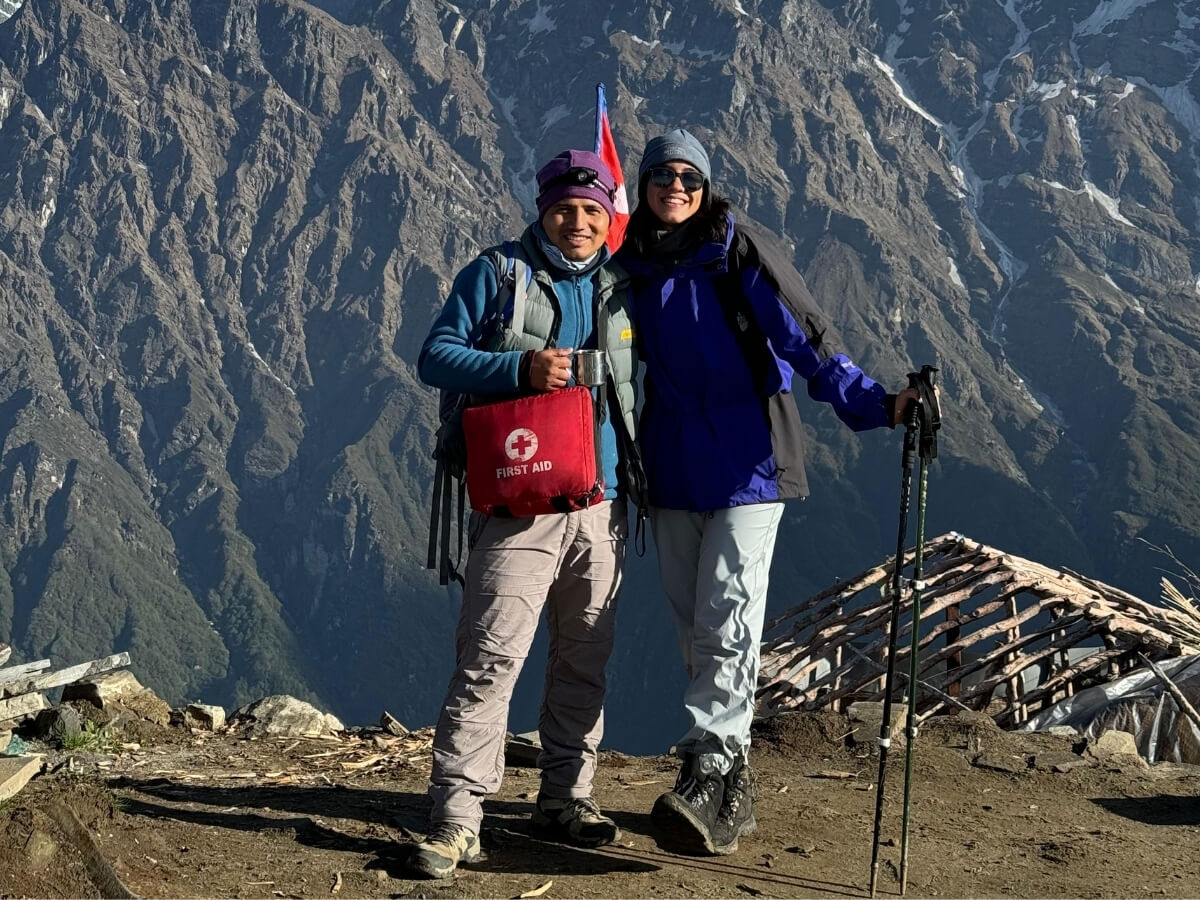
Mardi Himal Trek vs Annapurna Base Camp Trek Difficulty
| Difficulty Factor | Mardi Himal Trek | Annapurna Base Camp Trek |
| Overall Difficulty | Moderate, steeper upper trail | Moderate to challenging, longer trekking days |
| Maximum Altitude | 4,500 m | 4,130m |
| Altitude Challenge | Faster elevation gain | Lower, gradual ascent |
| Daily Walking | 4–6 hours | 5-7 hours |
| Trail Condition | Ridges, forests, rocky paths | Forests, valleys, stone steps |
| Hardest Section | High Camp to Viewpoint | MBC to ABC climb |
| Main Physical Demand | Steep uphill strength | Long-distance endurance |
| Best for Beginners | Fit, confident beginners | Beginners with more time |
Is Mardi Himal Trek harder than Poon Hill Trek?
Yes, the Mardi Himal Trek is considered harder to complete than the Poon Hill Trekking. Mardi Himal feels more challenging because it goes to higher altitudes and passes through rougher and steeper sections. The main thing that differentiates them in terms of difficulty is the altitude as the Mardi Himal Trek is situated at an altitude of 4,500 meters at its base camp and involves a certain risk of suffering from altitude sickness, whereas Poon Hill Trek is situated at the altitude of 3,210 meters, where altitude sickness issues are very rare.
Duration and trail conditions also keep them apart. Mardi Himal Trekking usually takes 6–9 days, with narrow ridge-line paths, exposed sections, and alpine terrain that demands steady footing. Meanwhile, Poon Hill is shorter, taking typically 4–5 days, and follows wider, well-paved stone stairs and established trails that feel more like a long hike than a serious trek.
Weather and Seasonal factors that affect Mardi Himal Trekking
Winter (December to February) can be very beautiful as you can witness snow covered mountains with magical landscape but needs to be very careful as it has snow covered trails, slippery roads, cold temperatures and occasional route closures which makes Mardi Trek Difficulty higher. So it is important making proper planning. Despite the challenges, the winter scenery in Mardi Himal Trek can be rewarding with beautiful memories and experiences.
In monsoon (June to August) it is not recommended for Mardi Himal Trekking, as it has heavy rain, slippery trails and poor visibility which can make trekking much difficult and increasing risk of accidents. In this season mountains are often hidden behind thick clouds which obscure the scenic views. This conditions make Mardi Himal trek difficult and less enjoyable, so it would be wise to not trek in this season.
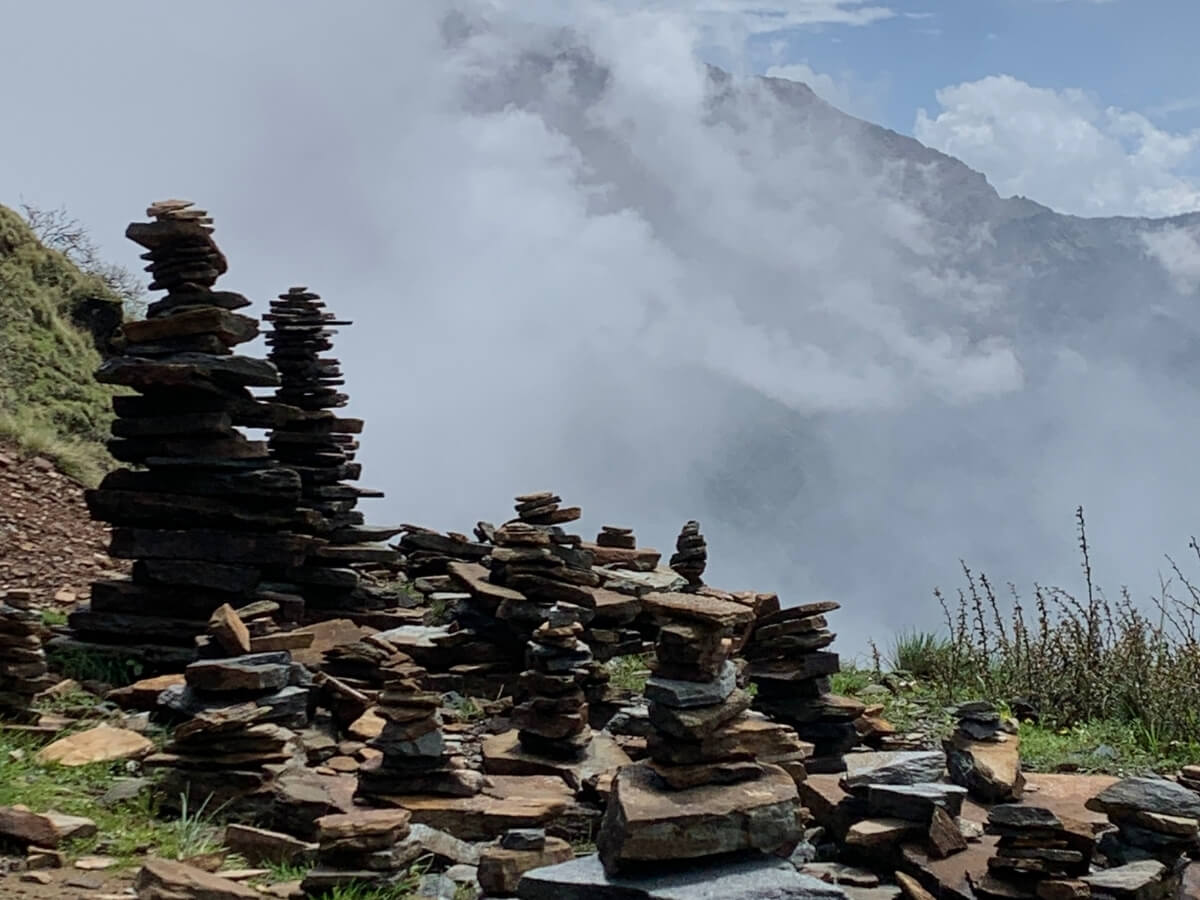
Itinerary, Time and Distance for Mardi Himal Trekking
Your journey starts from Pokhara, you will drive to Kande or Dhampus from Pokhara and then you will start to trek from here. Mardi Himal Trekking ascends through Forest camp, Low camp and High camp before reaching Mardi Himal Base camp. In this trek, you will pass through lush forests to high alpine ridges witnessing giants’ mountains Macchapuchhre, Annapurna South and Hiunchuli. The return route passes through Jhinu Danda, where you can soak your body in natural hot springs water making mardi trek adventurous.
The average time for Mardi Himal trek lasts 4 to 5 days, starting and ending in Pokhara. On the first day, we drive to kande from Pokhara and reach to forest camp by hiking. After that reaching High camp on day two, exploring Mardi Himal Base camp on day three and descending to Jhinu Danda on the final day , completing the Mardi Himal Trekking. You will be walking daily for about 5-6 hrs covering total distance of 40-45 km.
Book your trip with us.
Ready to experience Mardi Himal Trek the hidden gem of Annapurna region? Join with us for an expert local guides for a safe, personalized, and unforgettable Mardi Trek experience. You don’t need to worry about your permits, logistics and accommodation, we will handle it all. Just simply enjoy the trip and mountains. Contact us now for your any dream trek in Nepal and make your adventure truly adventurous and extraordinary.